The Arrival of Stillness
The heavy oak doors swing open to a silence that feels intentional, a curated pause from the rushing world outside. As the golden hour warmth spills across polished marble floors, there is an immediate sense of decompression. The air carries a faint scent of beeswax and fresh lilies, guiding the traveler deeper into a space where the architecture itself seems to breathe in rhythm with a slower, more deliberate pace of life.
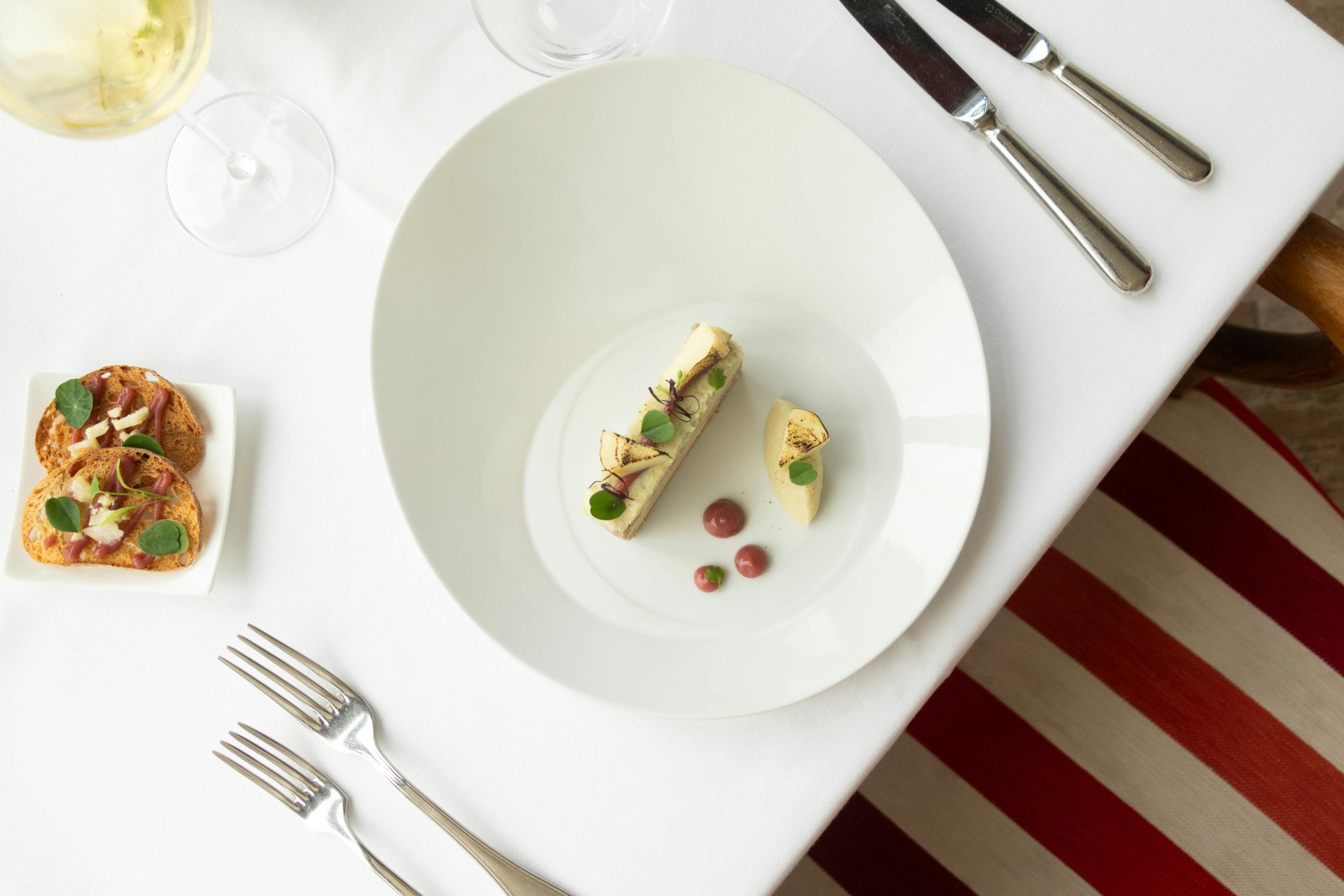
There is a particular kind of stillness found in luxury hotels with Michelin dining, where the pursuit of excellence extends beyond the plate and into the very fabric of the stay. It is not merely about the prestige of a star or the opulence of a suite, but rather the emotional resonance of a place that restores attention. Here, the luxury is found in the absence of noise and the presence of thoughtful, intuitive service that anticipates a need before it is even whispered.
For couples seeking a romantic escape, this environment acts as a catalyst for reconnection. The world shrinks to the size of a quiet courtyard or the soft glow of a bedside lamp. It is a destination designed for the art of lingering, where the schedule is dictated not by a clock, but by the movement of the light across the heritage facades and the anticipation of the next sensory discovery.
Luxury Hotels with Michelin Dining and the Mood of the Place
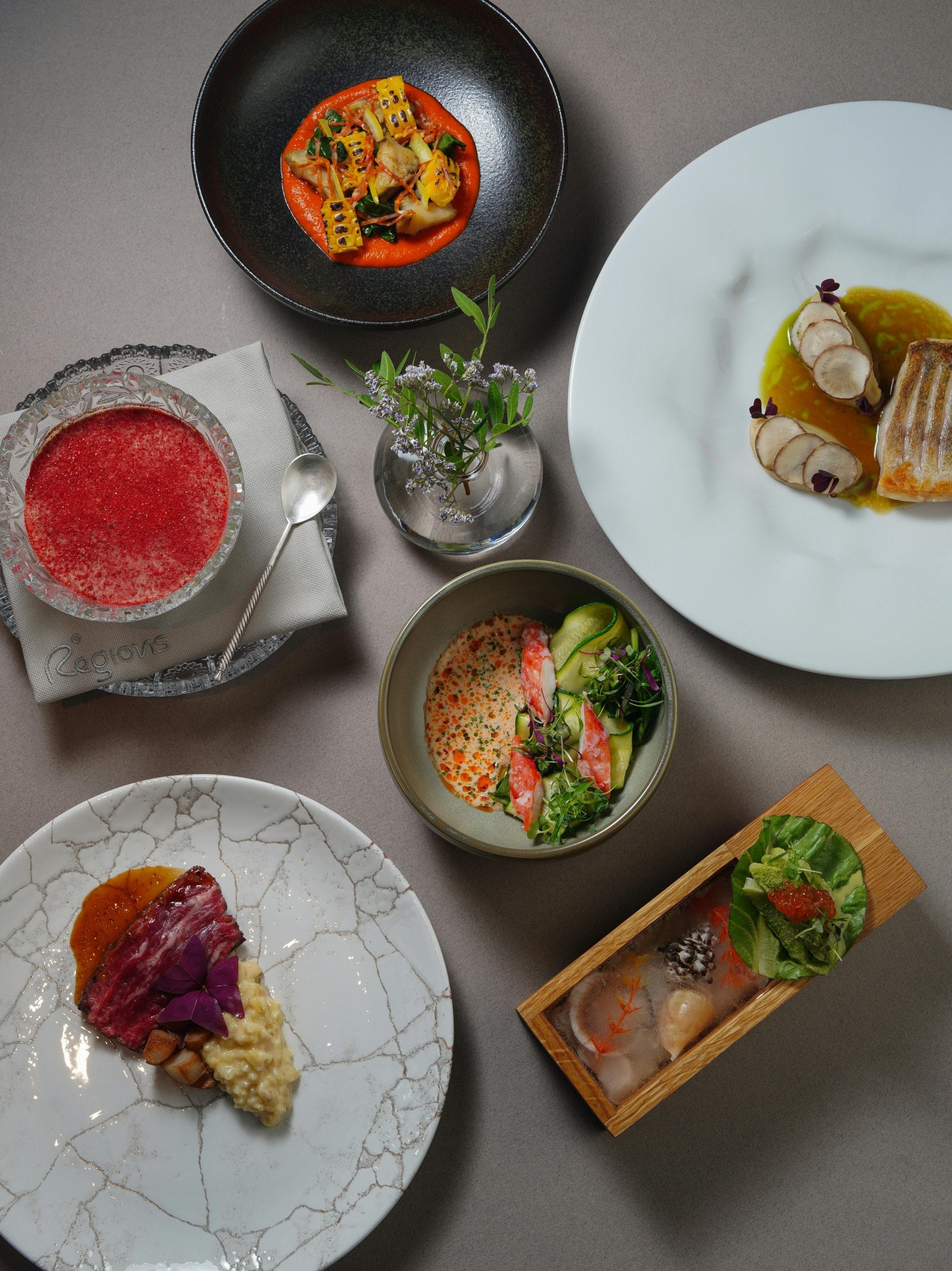
The true magic of these establishments lies in the harmony between the environment and the epicurean experience. When a hotel integrates a Michelin-starred kitchen within its walls, the dining becomes more than a meal; it becomes an extension of the architectural narrative. The transition from a plush, velvet-clad lounge to a dining room of understated elegance is a seamless journey in refined taste.
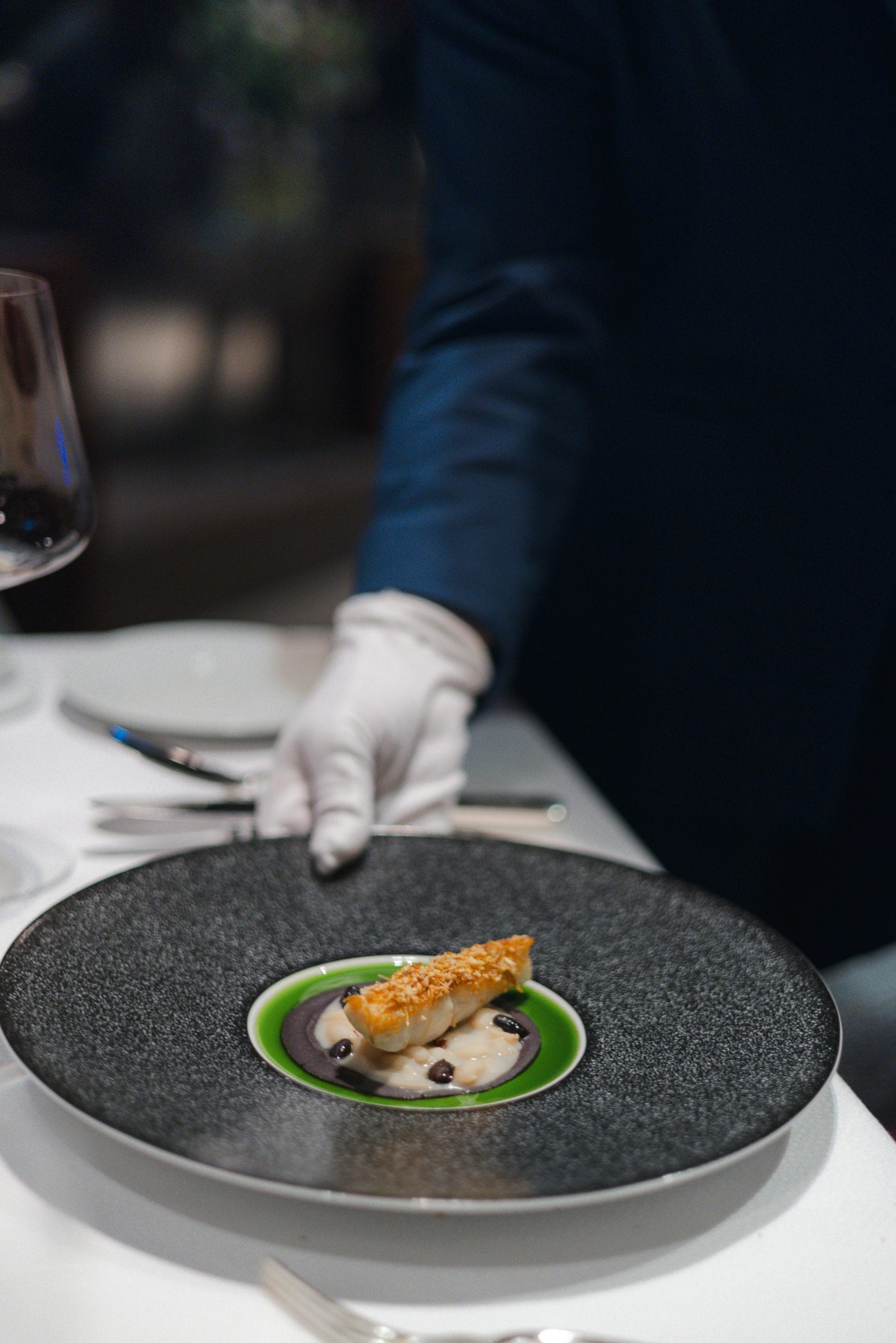
In these spaces, the gastronomic experience is treated with the same reverence as the art hanging on the walls. The mood is one of sophisticated intimacy, where the lighting is dimmed to a soft, honeyed glow and the acoustics are managed to ensure that conversations remain private. The meal is not a hurried event but a slow exploration, mirroring the unhurried pace of the stay itself.
This alignment of luxury and gastronomy creates a sanctuary where the mind can truly wander. The act of dining becomes a meditative process, where the precision of a chef’s technique meets the timelessness of a boutique luxury setting. It is a rare intersection where the physical comfort of a world-class hotel enhances the flavor of the cuisine, and the brilliance of the food elevates the feeling of the stay.
The Quiet Elegance of Heritage Facades
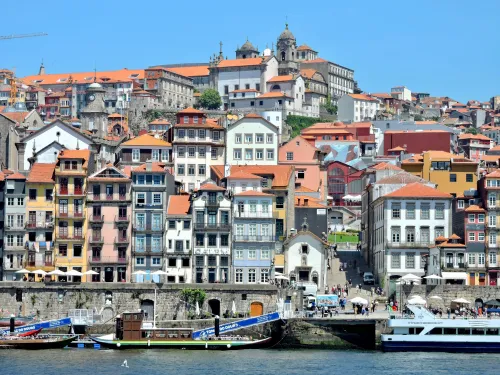
There is a profound emotional weight to a stay hosted within a building that has witnessed centuries of history. Heritage facades, with their intricate stonework and weathered elegance, provide a grounded sense of place that modern structures often struggle to replicate. Walking through these halls is like leafing through a living history book, where every archway and cornice tells a story of a bygone era of craftsmanship.
The architecture of boutique luxury often leans into these ancestral details, blending the grandeur of the past with the sleek requirements of contemporary comfort. High ceilings with ornate moldings create a sense of openness, while thick stone walls offer a cocoon-like privacy that is essential for a romantic getaway. The visual language is one of permanence and stability, providing a comforting backdrop to the fleeting, ephemeral joys of a gourmet meal.
These heritage properties often feature hidden corners that invite exploration. A winding staircase leading to a secluded terrace or a small, sun-drenched library becomes a personal discovery for the guest. The design philosophy is not about showing off wealth, but about celebrating the patina of time and the enduring beauty of materials like mahogany, limestone, and silk.
A Symphony of Light and Texture
As evening descends, the atmosphere of these destinations shifts into a more evocative register. Lanterns begin to glow in the quiet courtyards, casting long, dancing shadows across ancient cobblestones. The transition from the bright, airy openness of the afternoon to the moody, intimate warmth of the night is one of the most poignant parts of the experience.
Textures play a vital role in shaping the mood. The cool touch of a linen tablecloth, the weight of heavy silver cutlery, and the softness of a cashmere throw in the lounge all contribute to a feeling of being profoundly cared for. These tactile details anchor the traveler in the present moment, encouraging a sensory awareness that is often lost in the digital noise of everyday life.
The visual palette is typically muted and organic, drawing inspiration from the surrounding landscape and the building’s own history. Creams, deep ochres, and soft greys create a neutral canvas that allows the colors of the Michelin-starred dishes to pop with vivid intensity. It is a carefully orchestrated visual symphony that guides the eye and calms the heart, making the destination feel less like a hotel and more like a private residence of exceptional taste.
Savoring the Unhurried Moment
Travel in its most refined form is not about the number of sights seen, but about the depth of the experiences felt. The slow-paced nature of a gastronomic stay encourages a shift in perspective. Instead of rushing from one landmark to another, the traveler is invited to spend an entire afternoon in a sun-drenched courtyard, reading a book or simply watching the play of light on a heritage wall.
This unhurried approach extends to the dining table. A tasting menu in a luxury setting is a lesson in patience and presence. Each course arrives as a new chapter in a culinary story, allowing guests to discuss the flavors, the provenance of the ingredients, and the artistry of the presentation. The space between courses is just as important as the food itself, providing the necessary room for conversation and connection.
By removing the pressure of a strict itinerary, the destination restores the traveler’s attention. The focus shifts to the small things: the sound of a distant fountain, the way the wine catches the light, or the subtle scent of jasmine drifting through an open window. This is the true essence of a refined escape—the luxury of time and the freedom to spend it exactly as one wishes.
A Sanctuary for Romantic Connection
For couples, these destinations offer more than just a place to sleep and eat; they provide a stage for romantic intimacy. The combination of atmospheric design and exceptional dining creates a natural environment for connection. There is something inherently romantic about sharing a Michelin-starred meal in a setting that feels disconnected from the chaos of the modern world.
The intimacy is built into the design, from the secluded nooks in the lounge to the oversized soaking tubs in the suites. Every element is designed to foster a sense of shared exclusivity. The experience is not about loud gestures of luxury, but about the quiet, shared appreciation of beauty and quality.
When the external world is muted and the internal environment is elevated, communication becomes easier and more meaningful. The slow pace of the stay allows couples to drift back into a rhythm of togetherness, where the only priority is the enjoyment of each other’s company and the sensory delights of their surroundings.
The Staylora Perspective on Gastronomic Luxury
At Staylora, we believe that the most memorable journeys are those that engage the soul as much as the senses. A stay defined by gastronomic excellence and architectural beauty is not about indulgence for the sake of status, but about the pursuit of harmony. It is the realization that where we stay and what we eat are deeply intertwined with how we feel.
The ideal luxury stay is one that leaves the traveler feeling restored and inspired. By choosing destinations that prioritize heritage, atmosphere, and culinary artistry, we move away from generic luxury and toward something more authentic and enduring. It is about finding those rare places where the service is invisible yet omnipresent, and where the beauty of the surroundings reflects the quality of the experience.
Ultimately, the art of the gastronomic stay is the art of living well, if only for a few days. It is a reminder that there is immense value in the slow, the beautiful, and the delicious. It is an invitation to step out of the current of time and into a space where excellence is the only standard and peace is the ultimate luxury.
FAQ
How do I choose between different luxury hotels with Michelin dining?
Focus on the atmosphere and the specific style of the hotel rather than just the star rating. Consider whether you prefer a grand heritage palace with formal service or a boutique luxury estate with a more intimate, residential feel. Review the culinary philosophy of the chef to ensure the dining style aligns with your personal tastes and the mood of your trip.
What is the best time of day to experience the atmosphere of a heritage hotel?
The golden hour, just before sunset, is the most magical time. This is when the light hits the heritage facades at a low angle, creating a warm, glowing effect that enhances the architectural details. It is the perfect moment for a slow stroll through the courtyards or a pre-dinner cocktail in the lounge to set a romantic mood.
Is a gastronomic stay suitable for a romantic anniversary trip?
Absolutely. The combination of refined architecture, slow-paced travel, and world-class dining creates an ideal environment for celebrating a milestone. These stays are specifically designed to foster intimacy and provide sensory experiences that linger in the memory long after the trip has ended, making them a premier choice for couples seeking a sophisticated and romantic escape.
Staylora.com may contain affiliate links and third-party booking tools. We may earn a commission from qualifying bookings at no extra cost to you. Hotel prices, availability, policies, and travel information may change without notice. Please verify all important details directly with the booking provider before making any reservation.