The Morning Rhythm of Design
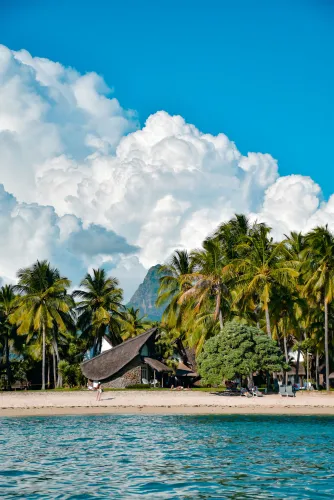
The day begins not with an alarm, but with the slow migration of light across a polished concrete floor. There is a specific, hushed quality to the early hours in a place designed for stillness, where the air carries the scent of salt spray and damp teak. As the sun climbs, it filters through slatted timber screens, casting linear shadows that dance across the room in a rhythmic, geometric display. This is the quiet pull of luxury design tropical retreats, where the architecture does not compete with the landscape but serves as a frame for it.
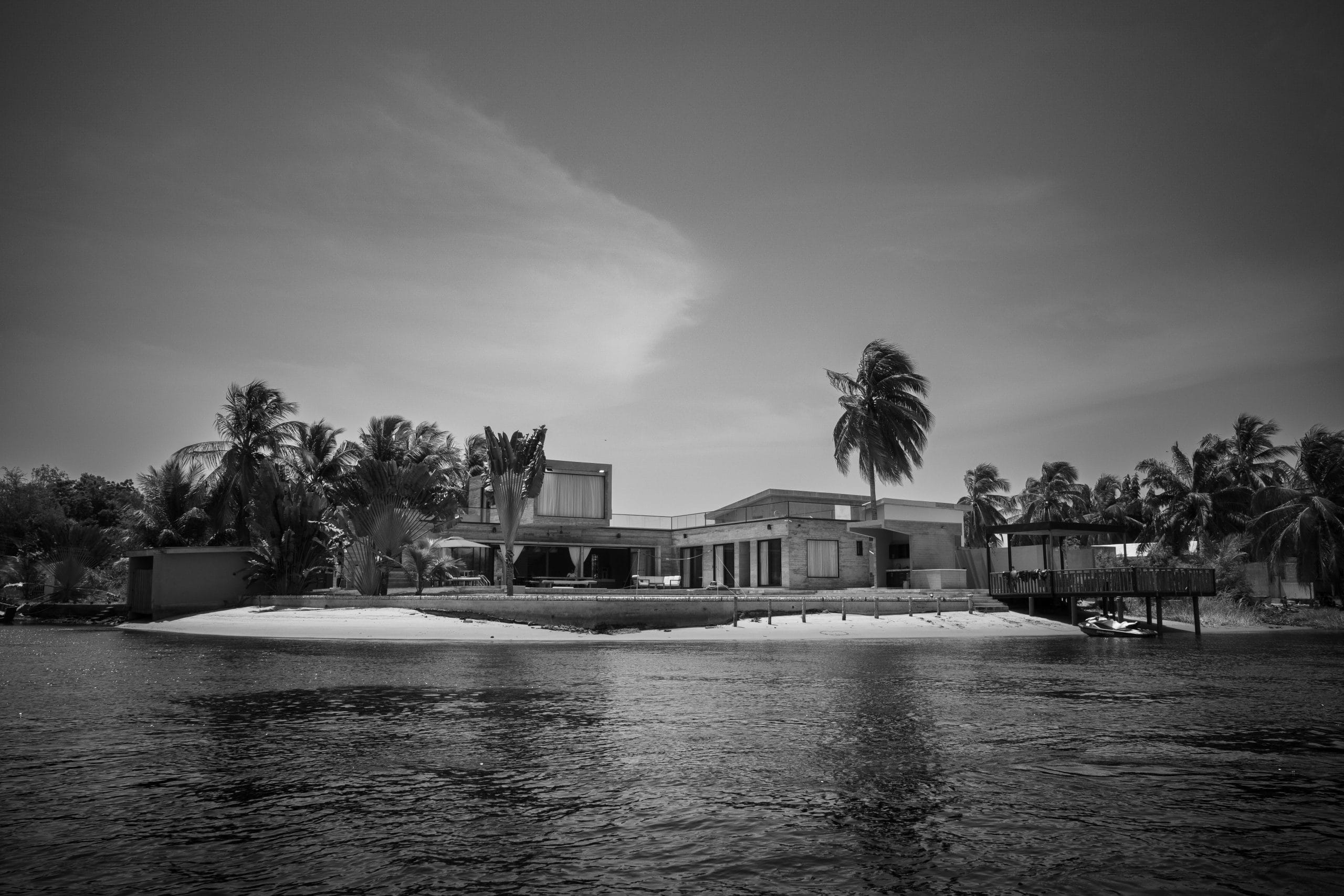
For the solo traveler, these moments are a form of meditation. There is a profound luxury in the absence of noise, allowing the mind to expand into the open spaces of a pavilion or the deep shade of a cantilevered roof. The transition from the interior to the exterior is nearly invisible, blurring the boundary between the curated comfort of a bedroom and the wild, untamed greenery of the coastline. It is a choreography of space and light that invites a slower, more intentional way of existing.
In these spaces, the luxury is found in the restraint. It is the choice of a single, perfectly placed piece of artisanal furniture, the tactile contrast of raw stone against soft linen, and the way a room is oriented to capture the prevailing breeze. Every detail is an invitation to notice the subtle shifts in the atmosphere, from the golden hue of the dawn to the deep, bruised purple of a tropical twilight.
Luxury Design Tropical Retreats and the Mood of the Place
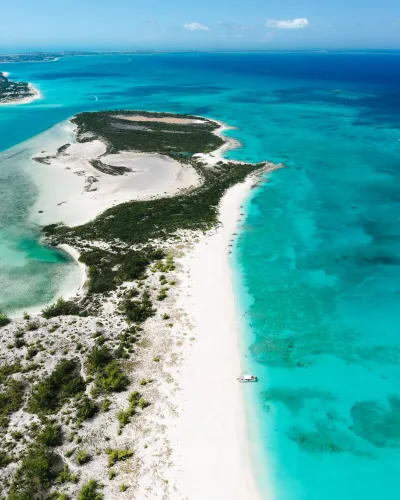
The mood of these escapes is defined by a concept known as tropical modernism, a philosophy that seeks to marry the clean lines of the international style with the visceral needs of a warm, humid climate. It is an aesthetic of openness, characterized by high ceilings, wide eaves, and an obsession with natural ventilation. When one enters a space governed by these principles, the immediate sensation is one of liberation. The walls seem to disappear, replaced by vistas of turquoise water and emerald canopy.
The atmosphere is inherently romantic, not in a traditional or overt sense, but in the way it fosters a deep connection to the environment. It is the romance of a solitary walk along a shoreline at low tide, or the feeling of cool marble underfoot as the afternoon heat peaks. These retreats prioritize the emotional response to a space over mere ornamentation, focusing on how a particular angle of light or the sound of wind through palm fronds can alter one’s state of mind.
There is a curated silence here that is rare in the modern world. The architecture acts as a filter, stripping away the chaos of urban life and leaving behind only the essentials. In the quietness of the shoulder season, when the crowds have vanished and the landscape is lush from recent rains, the essence of luxury design tropical retreats becomes most apparent. It is a sanctuary for the curious soul, a place where the act of doing nothing becomes the most productive activity of the day.
The Poetics of Tropical Modernism
To appreciate these retreats is to appreciate the dialogue between the man-made and the organic. Architectural lines are used to create order within the lush unpredictability of the tropics. A sharp, white concrete edge might slice through a dense thicket of ferns, creating a visual tension that is both stimulating and calming. This juxtaposition reminds the traveler of the delicate balance between human ingenuity and the enduring power of nature.
The materials used are often sourced from the earth, yet refined to a high polish. Local volcanic stone, sustainably harvested hardwoods, and hand-woven textiles provide a tactile richness that grounds the ethereal lightness of the architecture. One might find themselves tracing the grain of a monolithic wooden table or feeling the coolness of a limestone wall, finding a sense of permanence and stability in these elemental textures.
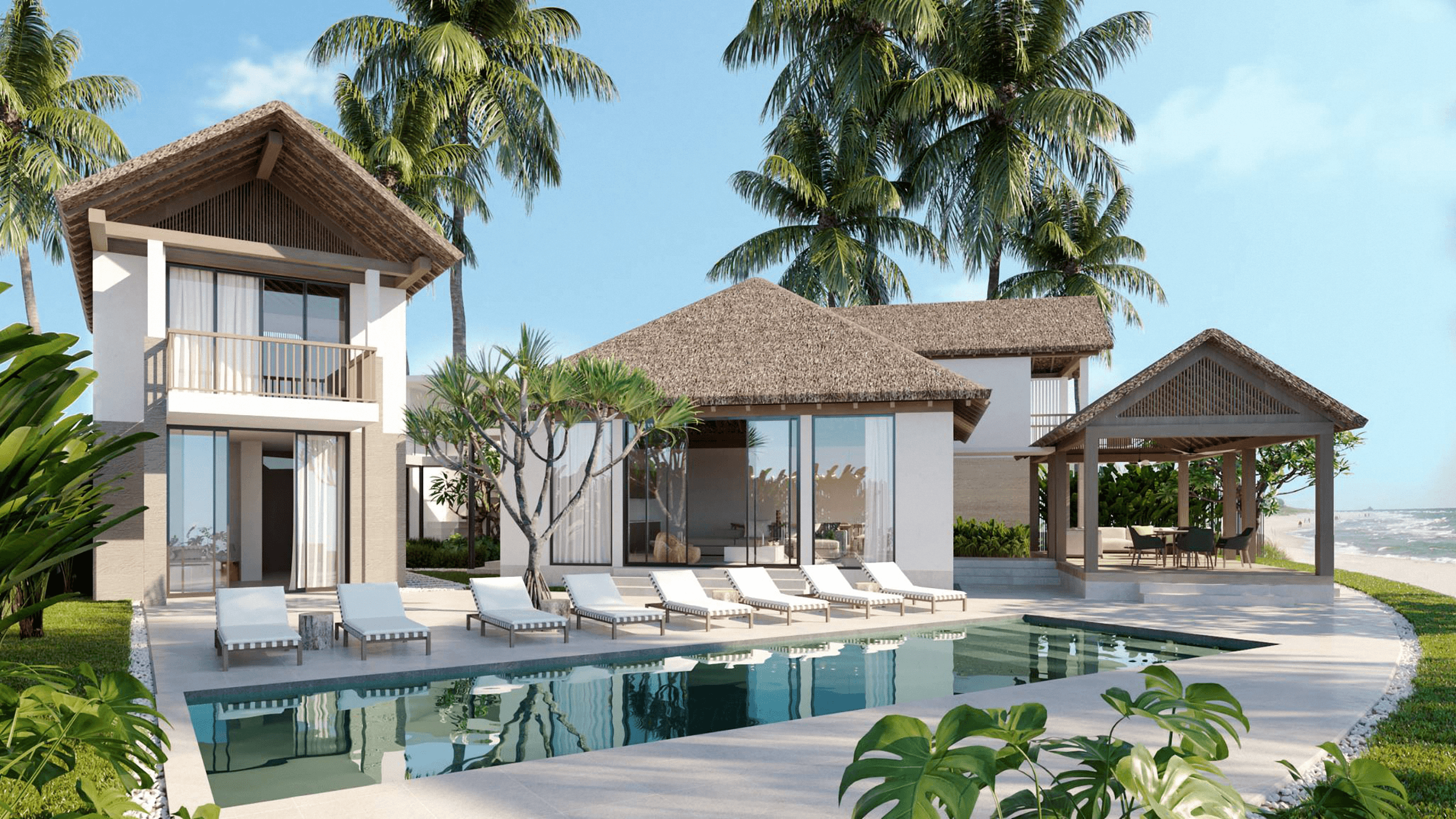
Refined public spaces in these escapes are designed as social landscapes that still allow for solitude. A floating lounge area over a reflective pool or a sunken living room open to the sea provides a space for contemplation. These areas are not merely functional but are sculptures in their own right, designed to be experienced from multiple angles as the light changes throughout the day.
Light and Texture Along the Coastline
Water is the primary protagonist in the visual language of the coast. In a design-forward retreat, the water is not just a view but an integrated element of the architecture. Infinity edges that merge the pool with the horizon create an illusion of boundlessness, while narrow rills of water flowing through the corridors introduce a cooling sonic layer to the experience. The reflection of the sky in a still pond brings the heavens down to earth, mirroring the clouds and the shifting colors of the atmosphere.
The interplay of natural light is where the true artistry lies. Architects of these spaces manipulate light to create mood and direction. Deep overhangs protect the interior from the harsh midday sun, creating pockets of soft, ambient light that encourage rest. In the late afternoon, the light turns honey-colored, illuminating the textures of the walls and highlighting the delicate veins of a tropical leaf pressing against a glass pane.
This focus on luminosity transforms the simple act of staying in a room into a sensory journey. The way a shadow stretches across a courtyard or how a beam of light hits a piece of local art creates a living gallery. It is a subtle form of luxury that does not shout but whispers, inviting the guest to slow down and observe the minute details that usually go unnoticed in the rush of everyday life.
The Art of the Slow Solo Journey
For the solo traveler, the appeal of a design-led escape lies in the freedom of autonomy combined with the comfort of an elevated environment. There is a specific pleasure in navigating a refined space alone, where the only schedule is the movement of the sun. The journey becomes less about the destination and more about the internal state of being. It is a process of stripping away the external expectations of travel to find a more authentic rhythm.
A slow journey in this context means spending three hours reading a book in a courtyard, or taking a long, aimless walk through the coastal scrub to find a hidden cove. It is the luxury of time and the luxury of space. When the environment is this thoughtfully curated, the space itself becomes a companion, providing a sense of security and inspiration that makes solitude feel like a choice rather than a void.
The experience is centered on soft luxury—the kind that manifests in a perfectly brewed cup of local coffee served on a terrace, or the feeling of high-thread-count linen against the skin after a dip in the ocean. It is a refined approach to travel that values quality over quantity and atmosphere over itinerary. The goal is not to see everything, but to feel everything deeply.
The Staylora Perspective on Design Travel
At Staylora, we believe that travel is most transformative when it engages the senses and challenges our perception of space. Design-led travel is not about finding the most expensive room, but about finding the most resonant environment. A truly elevated stay is one that alters your mood the moment you cross the threshold, shifting your frequency from the frantic to the fluid.
The most memorable retreats are those that respect the local context while pushing the boundaries of modern aesthetics. They avoid the trap of generic luxury, opting instead for a visual identity that is rooted in the geography and culture of the place. By focusing on the memory of light, texture, and atmosphere, these destinations leave a lasting imprint on the traveler long after they have returned home.
Choosing a destination based on its architectural and atmospheric merit allows for a more curated travel experience. It transforms a simple vacation into a study of beauty and balance. Whether it is the stark minimalism of a coastal villa or the organic curves of a jungle pavilion, the environment shapes the memory, turning a trip into a collection of vivid, sensory snapshots.
FAQ
What defines the aesthetic of luxury design tropical retreats?
The aesthetic is primarily rooted in tropical modernism, which emphasizes a seamless integration between indoor and outdoor living. It features clean architectural lines, the use of raw natural materials like concrete and teak, and an emphasis on open-air layouts. The goal is to maximize natural light and ventilation while creating a minimalist, atmospheric sanctuary that complements the surrounding tropical landscape.
When is the best time to visit these design-led escapes?
Visiting during the shoulder season is often the most rewarding choice. This period typically offers a quieter atmosphere, allowing guests to fully experience the stillness and architectural intent of the property without the crowds of peak season. Additionally, the landscape is often at its most vibrant and lush during these months, enhancing the visual contrast between the architecture and nature.
How do these retreats support a slow travel philosophy?
These retreats are designed to discourage rushing. By prioritizing expansive public spaces, sensory details, and a deep connection to the natural environment, they encourage guests to linger and contemplate. The focus on atmospheric luxury and architectural harmony creates a sanctuary where solo travelers can embrace a relaxed pace, focusing on personal reflection and the simple pleasure of existing in a beautiful space.
Staylora.com may contain affiliate links and third-party booking tools. We may earn a commission from qualifying bookings at no extra cost to you. Hotel prices, availability, policies, and travel information may change without notice. Please verify all important details directly with the booking provider before making any reservation.