
Best Areas to Stay in Lisbon for Foodies at a Glance
Lisbon unfolds like a slow-cooked meal, revealing its depth only to those willing to linger in its winding alleys and steep climbs. The city is defined by a unique tension between the nostalgia of fado and a bold, modern culinary movement that is currently captivating the global gastronomic scene. To truly experience this, one must understand that the city is a collection of distinct villages, each offering a different sensory profile.
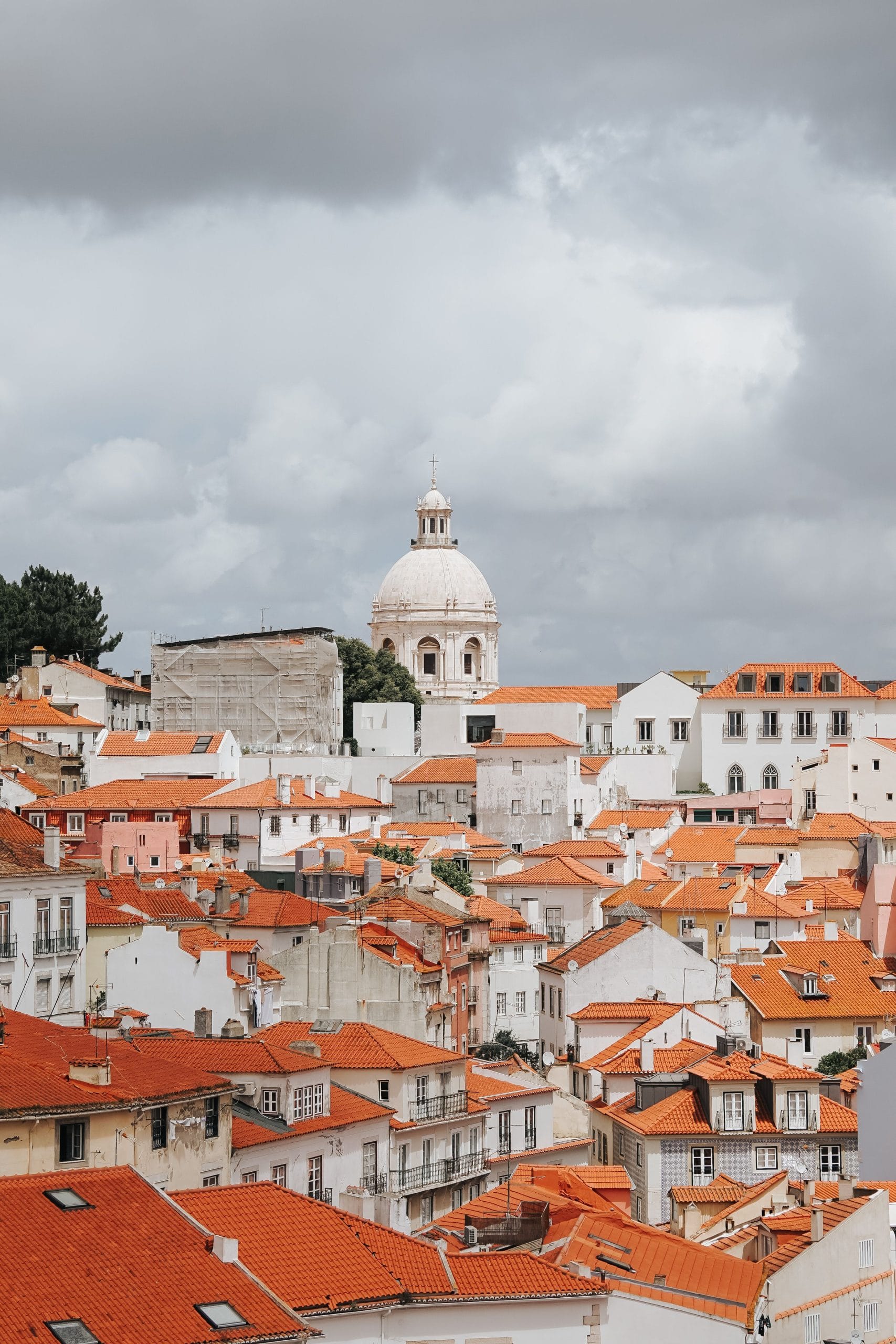
For the discerning traveler, selecting the best areas to stay in Lisbon for foodies means balancing access to legendary pastry shops with proximity to the avant-garde tasting menus that are redefining Portuguese cuisine. Whether it is the scent of roasting coffee in a quiet square or the briny air of a seafood market, the city encourages a pace of exploration that favors quality over quantity. A well-chosen base allows for an effortless transition from a morning of artisanal bakery visits to an evening of refined wine pairings.
The geography of the city dictates the dining experience. The lower districts offer the raw, authentic pulse of traditional eateries, while the higher plateaus provide a more polished, quiet luxury atmosphere. By centering a stay in a neighborhood that aligns with your specific palate, the act of travel becomes an extension of the meal itself, where every walk to dinner is a discovery of local ingredients and architectural beauty.
Where to Stay and How to Choose Your Culinary Base
Chiado and Bairro Alto represent the sophisticated heart of the city, blending historic elegance with a contemporary edge. This area is ideal for those who appreciate a curated experience, where high-end concept stores sit alongside centuries-old cafes. The dining here is diverse, ranging from hidden wine bars tucked into limestone basements to rooftop terraces that offer a cinematic view of the Tagus River. It is a place for the traveler who enjoys the energy of the city but seeks a refined sanctuary to return to at night.

For a more atmospheric and deeply traditional experience, Alfama is the soul of Lisbon. This is where the concept of the tasca reaches its peak. These small, family-run establishments serve honest food, often written on chalkboards, focusing on the freshest catch from the Atlantic. Staying in Alfama allows you to wake up to the smell of fresh bread and spend your afternoons discovering small shops selling preserved fish and local olive oils. It is a neighborhood that demands a slower pace, rewarding the curious with a taste of Lisbon’s maritime heritage.
Principe Real offers a shift toward quiet luxury and curated taste. This neighborhood is characterized by its botanical gardens, independent boutiques, and some of the most innovative dining rooms in the city. It is less about the tourist crowds and more about the local elite’s preferences. The restaurants here often experiment with traditional Portuguese flavors using modern techniques, creating a dining scene that is both respectful of the past and excited about the future. It is the perfect base for those who prefer a serene environment without sacrificing gastronomic excitement.
Avenida da Liberdade provides a different kind of luxury, focusing on grand scales and impeccable service. This is the realm of fine dining and world-class hotel gastronomy. While it may lack the gritty charm of Alfama, it offers an unparalleled level of comfort and access to the city’s most prestigious dining rooms. It is an excellent choice for travelers who prioritize a polished hotel experience as the centerpiece of their stay, using the avenue as a gateway to the rest of the city’s culinary treasures.
Designing a Slow-Paced Gastronomic Itinerary
The secret to enjoying Lisbon without rushing is to structure your days around the rhythm of the city. A short trip should not be a checklist of monuments but a series of meaningful encounters with flavor. Start your mornings early to avoid the crowds at the most famous patisseries, allowing the golden morning light to set the mood for the day. A slow walk through the neighborhood, stopping for a coffee and a pastry, is the quintessential way to begin.
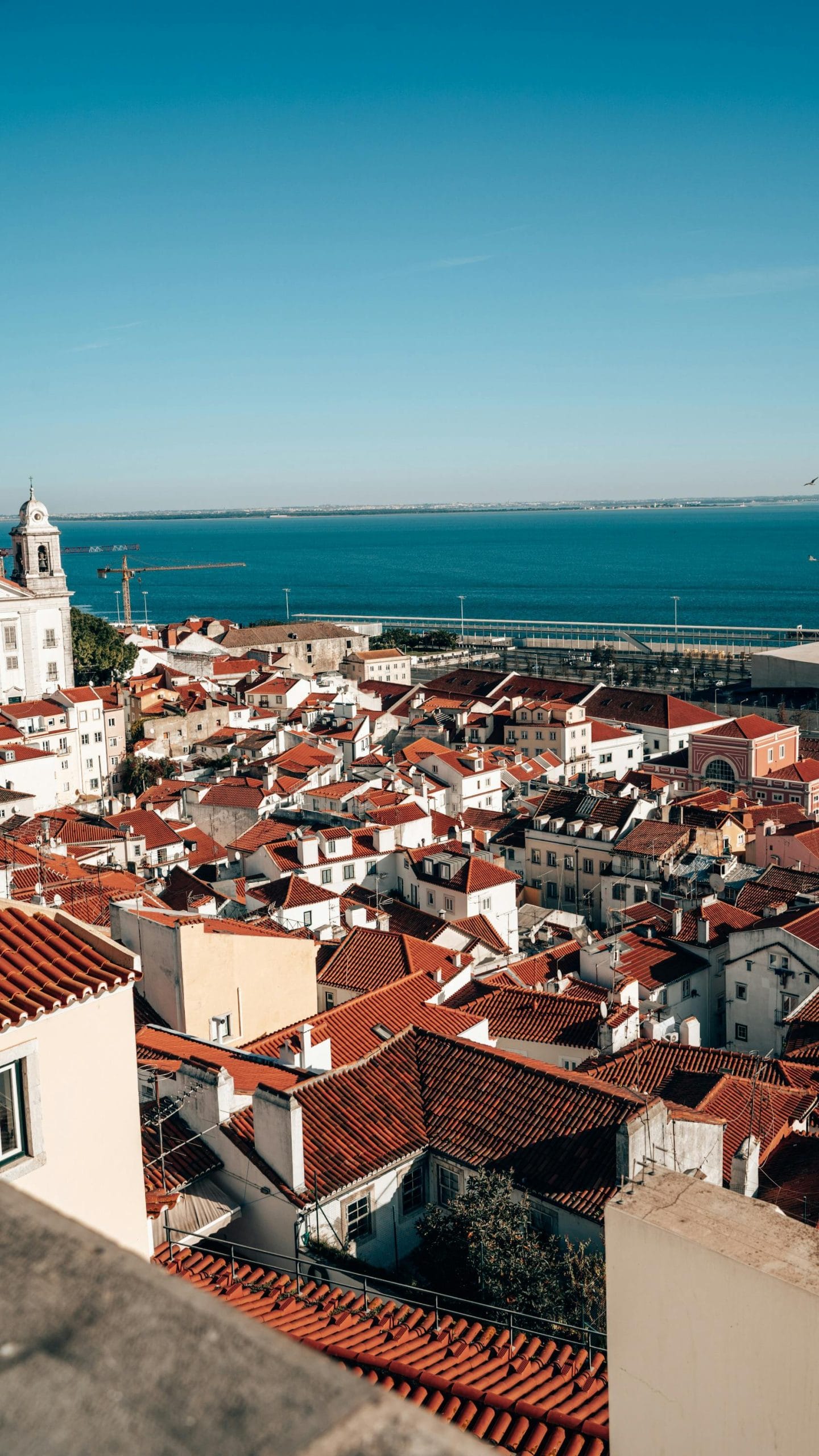
Midday is the time for exploration and light grazing. Instead of a heavy lunch, visit one of the city’s vibrant markets. While the more famous hubs provide a wide variety of high-quality options, seeking out the smaller, neighborhood markets reveals the true local produce. This is where you find the specific varieties of Portuguese cheese and cured meats that define the region’s terroir. Allow yourself to be led by the scents of the market rather than a pre-planned list.
Evenings in Lisbon are an art form. The culture here favors late dinners, often starting after nine o’clock. Embracing this local pace allows you to experience the city’s evening atmosphere at its peak. Begin with a glass of sparkling wine or a dry white from the Alentejo region at a small bar, watching the city lights flicker on across the hills. Moving from a light appetizer to a main course in a candlelit room is the most authentic way to unwind and absorb the city’s romantic energy.
Refined Experiences Worth Prioritizing
Beyond the standard restaurant visit, there are experiences that offer a deeper connection to the culture. A private visit to a traditional wine cellar, where the history of Portuguese viticulture is explained through tasting, provides essential context for the meals that follow. Exploring the diversity of Portuguese grapes, from the structured reds of the Douro to the crisp whites of Vinho Verde, transforms a simple dinner into an educational journey.
The art of the pastry in Lisbon is not merely about sugar but about texture and tradition. Engaging with a local pastry chef to understand the precise folding of the dough or the temperature of the oven reveals the dedication behind the city’s most famous treats. These moments of craftsmanship are where the true luxury of the city resides, far away from the typical tourist paths.
For a truly elevated perspective, seek out dining experiences that integrate the landscape. A meal enjoyed on a terrace overlooking the terracotta roofs of the city, with the river shimmering in the distance, adds a visual dimension to the culinary experience. The combination of the Atlantic breeze, the warm Portuguese sun, and a perfectly executed dish of salt-cod creates a memory that transcends the meal itself.
Who This Culinary Escape Suits Best
This approach to Lisbon is designed for the experienced traveler who has moved beyond the need for checklists and instead seeks a feeling of place. It is for those who find luxury in the authenticity of a family-run kitchen and the silence of a boutique hotel tucked away in a quiet alley. The focus is on quality, provenance, and the emotional resonance of a well-crafted meal.
Couples seeking a romantic getaway will find Lisbon’s intimate dining rooms and moonlit walks through Principe Real deeply appealing. Similarly, solo travelers who enjoy the ritual of dining and observing the local way of life will find the city’s welcoming atmosphere and rich food culture a rewarding backdrop for reflection and discovery.
Ultimately, this destination suits anyone who views food as a gateway to understanding a culture. It is for the guest who would rather spend three hours over a long lunch with a bottle of local wine than rush through three different museums in a single afternoon. It is a trip for those who value the art of slow living and the pleasure of a refined, unhurried escape.
Practical Planning for a Refined Visit
Timing is everything when planning a visit to Portugal’s capital. The shoulder seasons of spring and autumn offer the most favorable light and weather, making the city’s hills much more manageable for walking. During these months, the air is crisp, and the city feels less congested, allowing for a more intimate connection with the local environment.
When it comes to movement, walking remains the most rewarding way to experience the neighborhoods, provided you have the right footwear for the limestone cobblestones. For longer distances, a curated ride in a classic tuk-tuk or a private car can provide a comfortable transition between districts. Avoiding the rush hour allows you to maintain the sense of calm that defines a luxury escape.
Regarding dining logistics, reservations are highly recommended for the more refined establishments, particularly those in the best areas to stay in Lisbon for foodies. While the charm of a spontaneous tasca is undeniable, the city’s top gastronomic destinations often have limited seating and high demand. Planning your evenings a few weeks in advance ensures that your itinerary remains seamless and stress-free.
FAQ
Which neighborhood is best for traditional Portuguese food?
Alfama is widely considered the heart of traditional dining in Lisbon. This historic district is home to countless small tascas where you can enjoy authentic dishes like grilled sardines and bacalhau. The atmosphere is deeply local and nostalgic, making it the perfect place to experience the city’s culinary roots in an unpretentious and honest setting.
When is the best time to visit Lisbon for food lovers?
The best times to visit are during the spring from April to June and the autumn from September to November. During these periods, the weather is mild, which is ideal for exploring food markets and outdoor terraces. Additionally, these seasons often coincide with the harvest of various local ingredients, offering a fresher and more diverse seasonal menu.
Do I need reservations for the best areas to stay in Lisbon for foodies?
Yes, for the more refined and modern restaurants in neighborhoods like Principe Real or Chiado, reservations are essential. Many of these establishments are small and highly sought after. However, if you are visiting traditional tascas in Alfama, you can often find a seat by simply walking in and following the scent of the grill.
Staylora.com may contain affiliate links and third-party booking tools. We may earn a commission from qualifying bookings at no extra cost to you. Hotel prices, availability, policies, and travel information may change without notice. Please verify all important details directly with the booking provider before making any reservation.