The Best Areas to Stay in Tokyo at a Glance
Tokyo is a city of contradictions where neon-lit skyscrapers stand in silent harmony with ancient shrines. Finding the right anchor in such a sprawling metropolis determines the rhythm and quality of the entire journey. When narrowing down the best areas to stay in Tokyo, the choice often depends on whether one seeks the polished luxury of Ginza, the electric pulse of Shinjuku, or the refined serenity of the Imperial Palace surrounds.
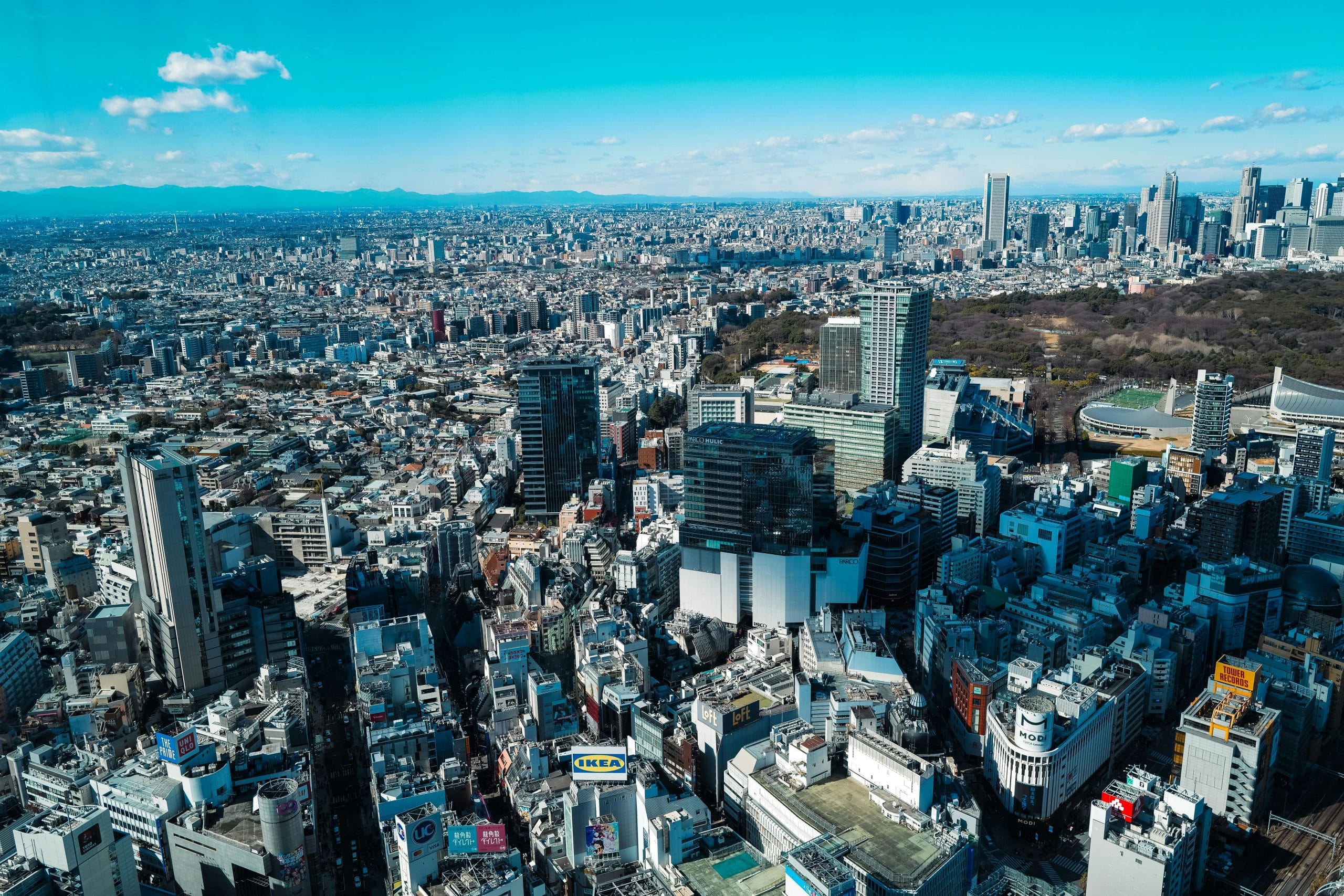
The city is essentially a collection of smaller cities, each with its own distinct personality and architectural language. For the sophisticated traveler, the goal is not simply to find a hotel room, but to immerse themselves in a neighborhood that mirrors their own travel intentions. Some prefer the convenience of a major transit hub, while others seek the cobblestone charm of a quieter alleyway where traditional tea houses still thrive.
Choosing a base requires a balance between accessibility and atmosphere. While the transportation network is world-renowned for its efficiency, minimizing unnecessary transit time allows for a more relaxed exploration of the city’s hidden gems. Understanding the spatial logic of the city helps in avoiding the fatigue that often accompanies a first visit to the Japanese capital.
Choosing Your Ideal District Based on Atmosphere
Ginza represents the pinnacle of Tokyo’s high-end allure. This district is synonymous with luxury, featuring flagship boutiques, avant-garde art galleries, and some of the most prestigious dining establishments in the world. Staying in Ginza provides an atmosphere of curated elegance. The streets are wide and clean, and the pace of life feels slightly more measured than in the frantic centers of youth culture.
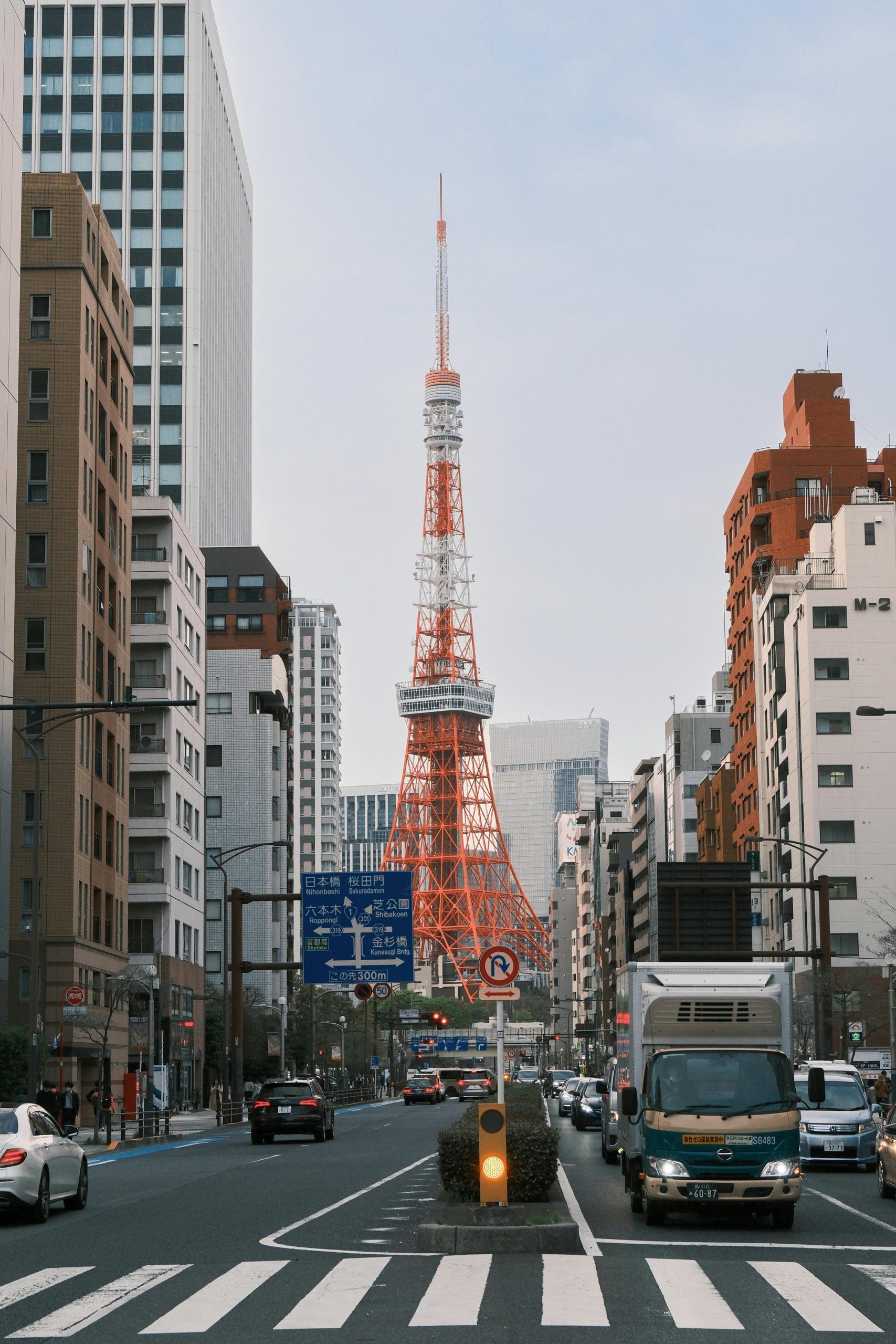
For those who prioritize energy and central access, Shinjuku is an unrivaled choice. It is home to the world’s busiest railway station, making it a strategic launchpad for any itinerary. The district is a tapestry of contrasts, where towering government buildings and corporate headquarters coexist with the intimate, lantern-lit corridors of Golden Gai. It is an area that never truly sleeps, offering a constant stream of stimulation.
Shibuya is the heartbeat of Tokyo’s contemporary fashion and youth trends. While famous for its iconic crossing, the area also hosts refined pockets of tranquility and high-design architecture. It is particularly suited for travelers who enjoy observing the cutting edge of urban evolution. The neighborhood is characterized by a sense of movement and a spirit of innovation that is palpable in every storefront and cafe.
Marunouchi and the area surrounding Tokyo Station offer a different kind of sophistication. This is the financial heart of the city, characterized by red-brick architecture and meticulously landscaped plazas. Staying here provides a sense of order and prestige. It is an ideal choice for those who value seamless logistics, as it provides direct access to the Shinkansen bullet trains for excursions to other Japanese cities.
Designing Your Daily Travel Flow
Effective travel planning in Tokyo relies on the concept of grouping activities by district. The city is too vast to traverse haphazardly without spending a significant portion of the day on trains. A refined itinerary focuses on one or two adjacent neighborhoods per day, allowing for deep exploration rather than a superficial checklist of sights.
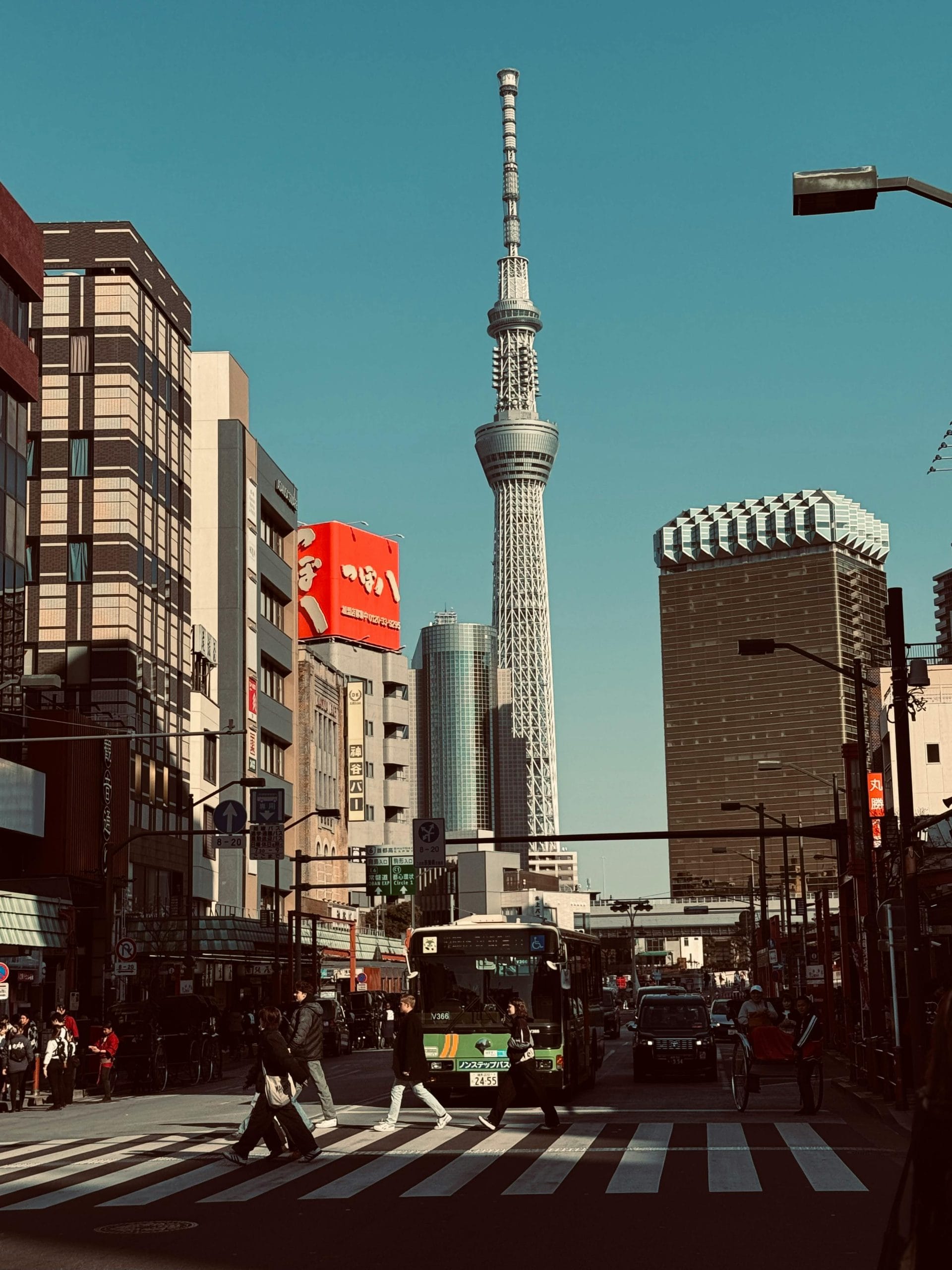
Starting the day early is a strategic advantage. Visiting the Tsukiji Outer Market or the Meiji Jingu Forest in the quiet hours of the morning provides a sense of peace that vanishes by midday. By aligning your hotel location with your primary interests, you can create a flow that balances high-energy sightseeing with restorative downtime.
The use of the Yamanote Line, the city’s great circular railway, is the key to understanding movement in Tokyo. Most of the most desirable districts are linked by this line. A sophisticated approach to movement involves utilizing the railway for long distances and opting for curated walks or short taxi rides to bridge the gap between specific destinations, ensuring that the journey is as pleasant as the arrival.
Elevated Experiences Worth Prioritizing
Beyond the primary sights, the true luxury of Tokyo lies in its commitment to craftsmanship. A visit to a traditional tea house in the gardens of the Imperial Palace or a private omakase dinner in a hidden Ginza basement offers a glimpse into the Japanese philosophy of omotenashi, or wholehearted hospitality.
Exploring the art scene in Roppongi provides a sophisticated contrast to the commercialism of the shopping districts. The area’s concentration of museums and galleries creates a cultural triangle that is essential for those with an appreciation for both classical and contemporary art. These experiences should be woven into the itinerary as moments of reflection and intellectual stimulation.
Finding balance means pairing a visit to a bustling intersection with a stroll through a quiet residential neighborhood like Daikanyama. This area is often described as the Brooklyn of Tokyo, featuring low-rise architecture, independent bookstores, and hidden courtyards. It offers a glimpse into the refined, slower side of urban living that many travelers overlook in favor of the neon lights.
Who This Destination Suits Best
Tokyo is a destination for the curious and the discerning. It suits the luxury traveler who appreciates precision and service, as well as the cultural enthusiast who finds beauty in the intersection of tradition and modernity. The city is welcoming to solo travelers seeking safety and introspection, as well as couples looking for romantic, high-design experiences.
For families, the city offers a masterclass in organization and safety, though the pace can be intense. Those who prefer a slower, more rustic experience might find the density overwhelming, but for those who view the city as a living gallery of human achievement, Tokyo is an endless source of inspiration.
Ultimately, Tokyo appeals to those who enjoy the process of discovery. Whether it is finding a century-old stationery shop in Nihonbashi or a futuristic cocktail bar in Shinjuku, the city rewards those who look closer and move with intention. It is a place where the smallest detail is often the most significant.
Practical Planning for a Seamless Arrival
Timing is everything when visiting Japan. The spring cherry blossom season and the autumn foliage period offer breathtaking beauty but come with significant crowds and higher hotel rates. For a more tranquil and refined experience, visiting during the late winter or early summer can provide a more intimate connection with the city.
Connectivity is a primary concern for the modern traveler. Acquiring a pocket Wi-Fi device or an eSIM before arrival is essential for navigating the complex street layouts. Additionally, utilizing luggage forwarding services allows travelers to move between hotels or from the airport to their accommodation without the burden of heavy suitcases, maintaining a level of grace and ease throughout the trip.
Understanding the nuances of local etiquette enhances the travel experience. A quiet demeanor on public transport and a basic knowledge of Japanese greeting customs are appreciated by locals and contribute to a more harmonious interaction. These small considerations reflect a respect for the local culture that elevates the overall quality of the visit.
FAQ
Which area is most convenient for first-time visitors?
For those visiting for the first time, Shinjuku and the area near Tokyo Station are often the most practical. Shinjuku offers unparalleled connectivity and a wide variety of dining and entertainment options within walking distance. Meanwhile, the Marunouchi area provides a polished environment with direct access to the main transport hubs, making it easier to navigate the rest of the city.
How does transportation work between the best areas to stay in Tokyo?
The most efficient way to move between districts is via the JR Yamanote Line, which circles the city center and connects all major hubs. For more specific destinations, the extensive subway network is highly reliable. For a more refined experience, licensed taxis are available throughout the city and provide a comfortable, private alternative for shorter journeys between landmarks.
What is the best time of year to visit Tokyo?
Spring, specifically from late March to mid-April, is visually stunning due to the cherry blossoms, though it is the busiest season. Autumn, from October to November, offers crisp air and vibrant red maples, providing a more comfortable climate for walking. For travelers seeking fewer crowds and a more quiet atmosphere, the winter months offer a serene perspective of the city.
Staylora.com may contain affiliate links and third-party booking tools. We may earn a commission from qualifying bookings at no extra cost to you. Hotel prices, availability, policies, and travel information may change without notice. Please verify all important details directly with the booking provider before making any reservation.