The Quiet Allure of the Arabian Gulf
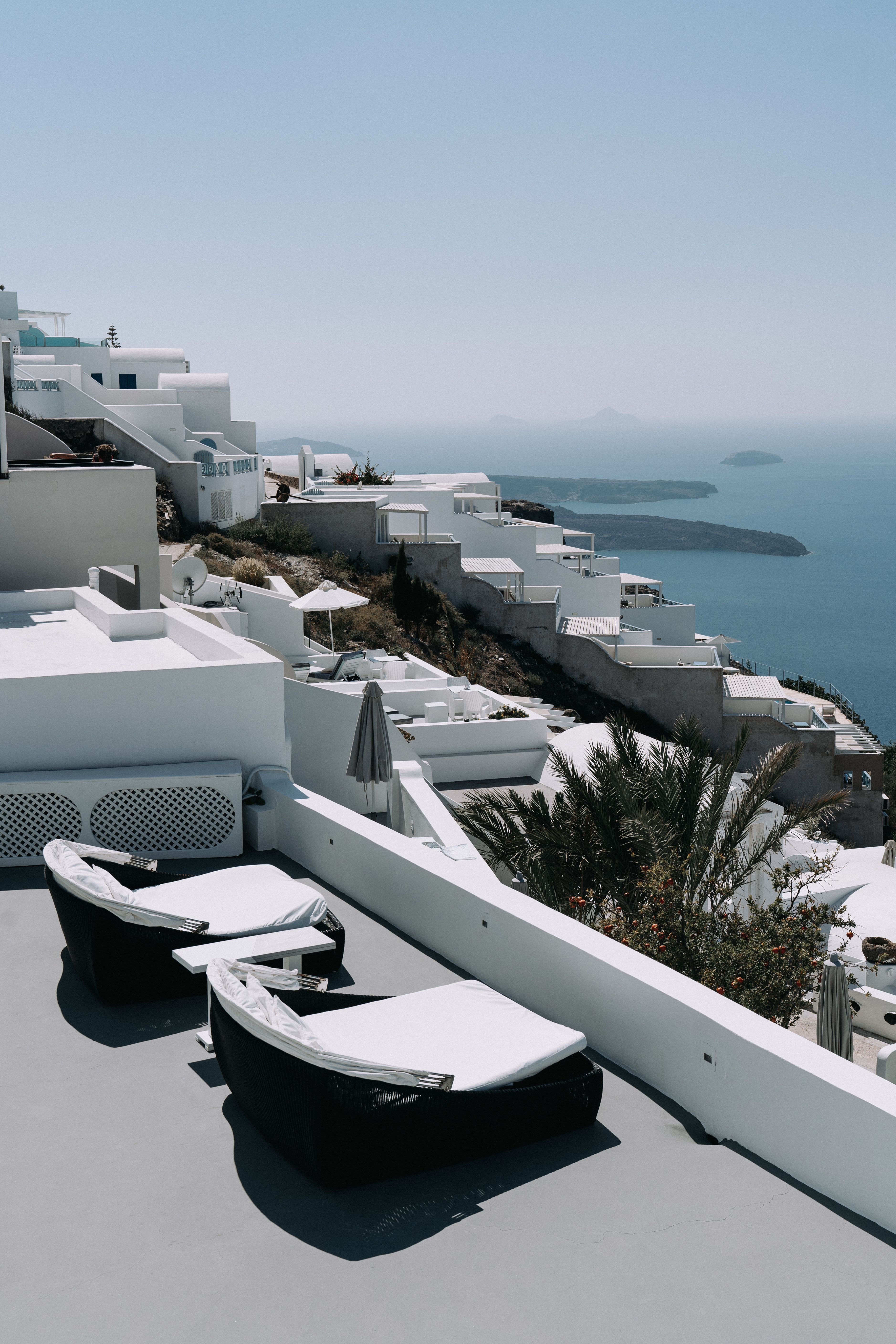
The sky over the peninsula transitions into a soft, bruised purple as the sun dips below the horizon, casting a shimmering amber glow across the still waters of the Gulf. There is a profound stillness that settles over the city during this hour, a moment where the rush of the modern metropolis fades and the soul of the coast emerges. In this light, the city reveals itself not as a collection of skyscrapers, but as a sanctuary of curated beauty and deep-rooted heritage.
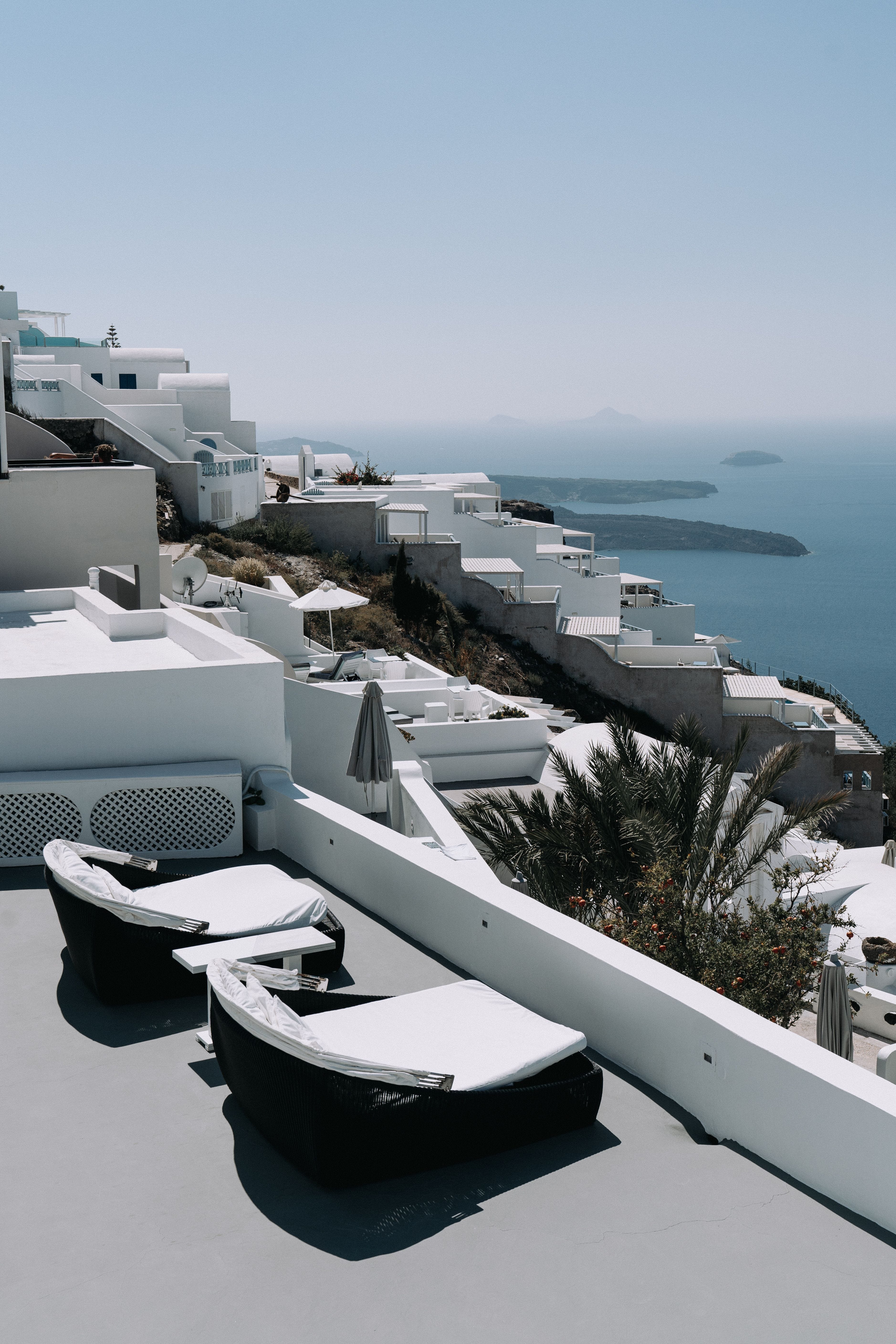
For those who seek a travel experience that prioritizes atmosphere over activity, historic Doha luxury travel offers a rare opportunity to slow down. It is a destination where the visual language is one of restraint and refinement, characterized by neutral palettes of sand, cream, and pale gold. Here, the luxury is not shouted but whispered through the tactile quality of a hand-woven textile or the cool touch of polished limestone underfoot.
Entering the older quarters of the city feels like stepping into a living gallery of Middle Eastern identity. The air carries a faint trace of frankincense and sea salt, guiding the traveler through narrow lanes that wind with an effortless, organic grace. This is a place for the design-conscious traveler, someone who finds beauty in the patina of an old wooden door or the geometric precision of a traditional wind tower.
Historic Doha luxury travel and the Mood of the Place
The mood of the city is one of refined relaxation. Unlike the high-energy pulse of other global hubs, the historic heart of the city invites a romantic, slow pace of travel. It is an invitation to linger over a cup of cardamom-scented coffee in a quiet courtyard, watching the way the light shifts across the walls as the afternoon wanes. This environment encourages a mindful presence, where the goal is not to see everything, but to feel everything deeply.
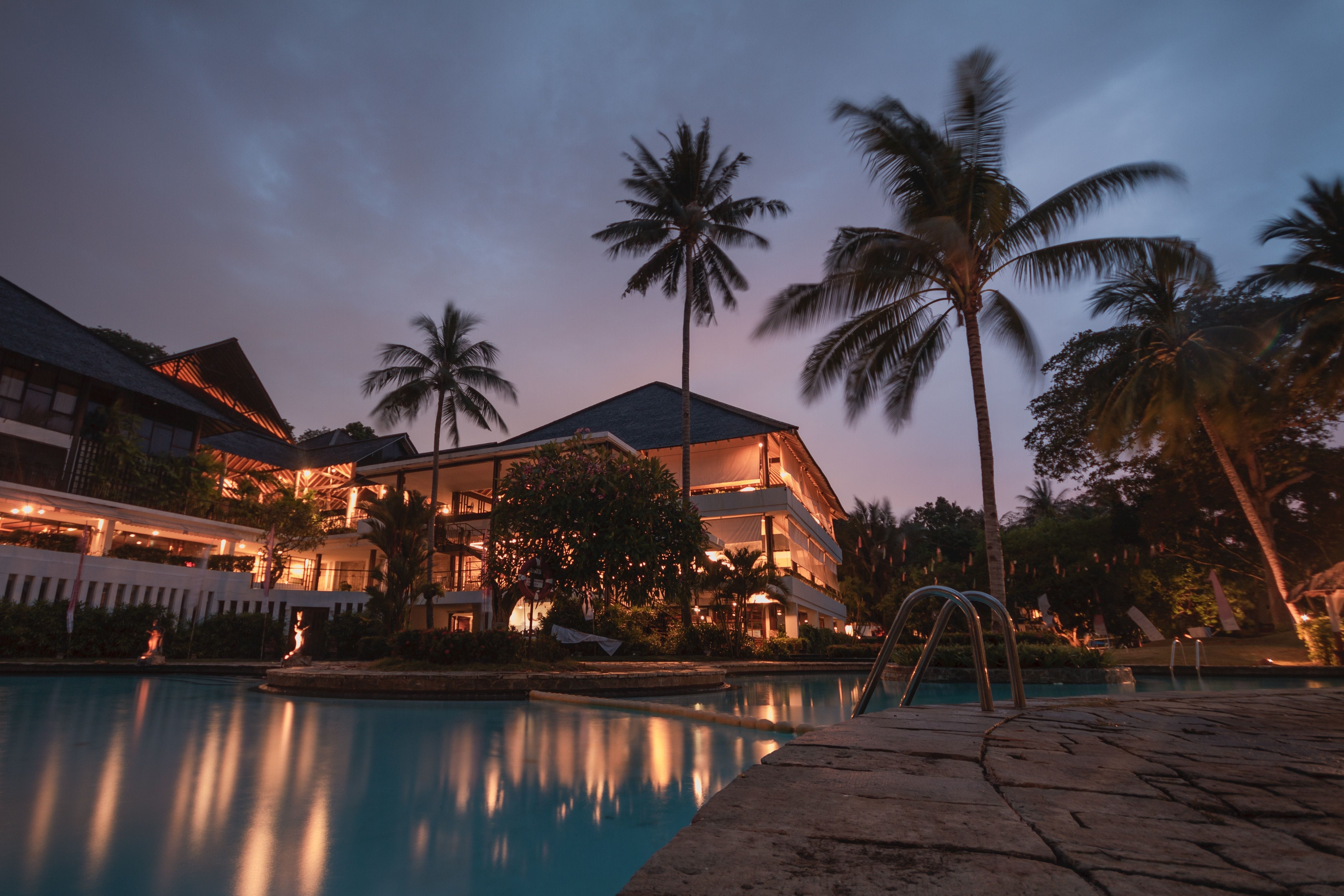
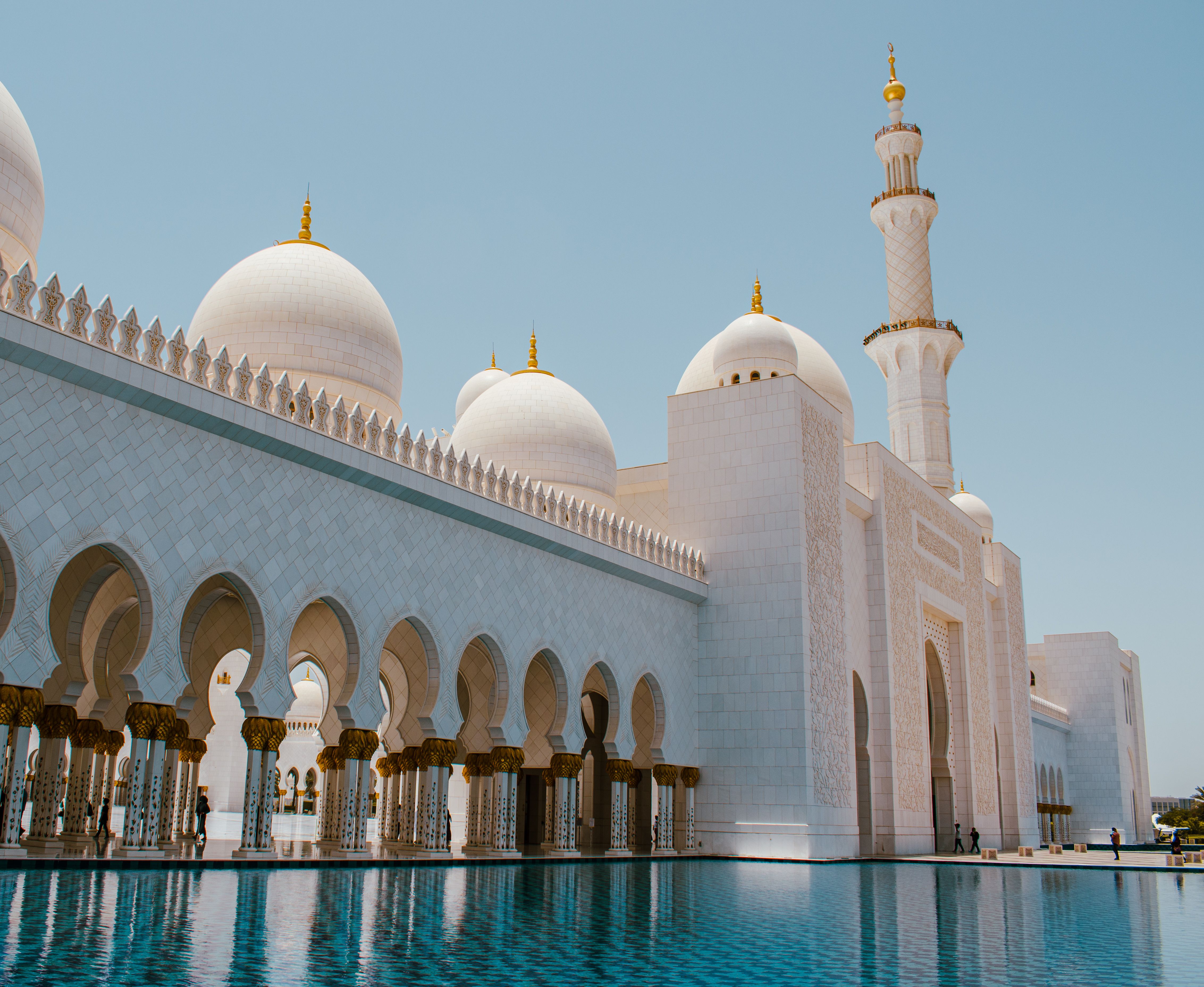
Visual harmony defines the experience. The architecture blends the ancestral wisdom of the desert with a contemporary sensibility for space and light. The use of natural materials creates a seamless transition between the indoors and outdoors, allowing the breeze from the sea to filter through open arches. This architectural honesty reflects a broader cultural value of hospitality and openness, wrapped in a layer of understated sophistication.
Within this setting, luxury is redefined as the luxury of time and space. It is the ability to walk without a map, to get lost in the rhythmic patterns of the souqs, and to discover a hidden art gallery tucked away in a restored heritage building. The experience is tailored for those who appreciate the nuance of a destination, seeking the emotional resonance that only a place with a true sense of history can provide.
Why This Destination Feels Different
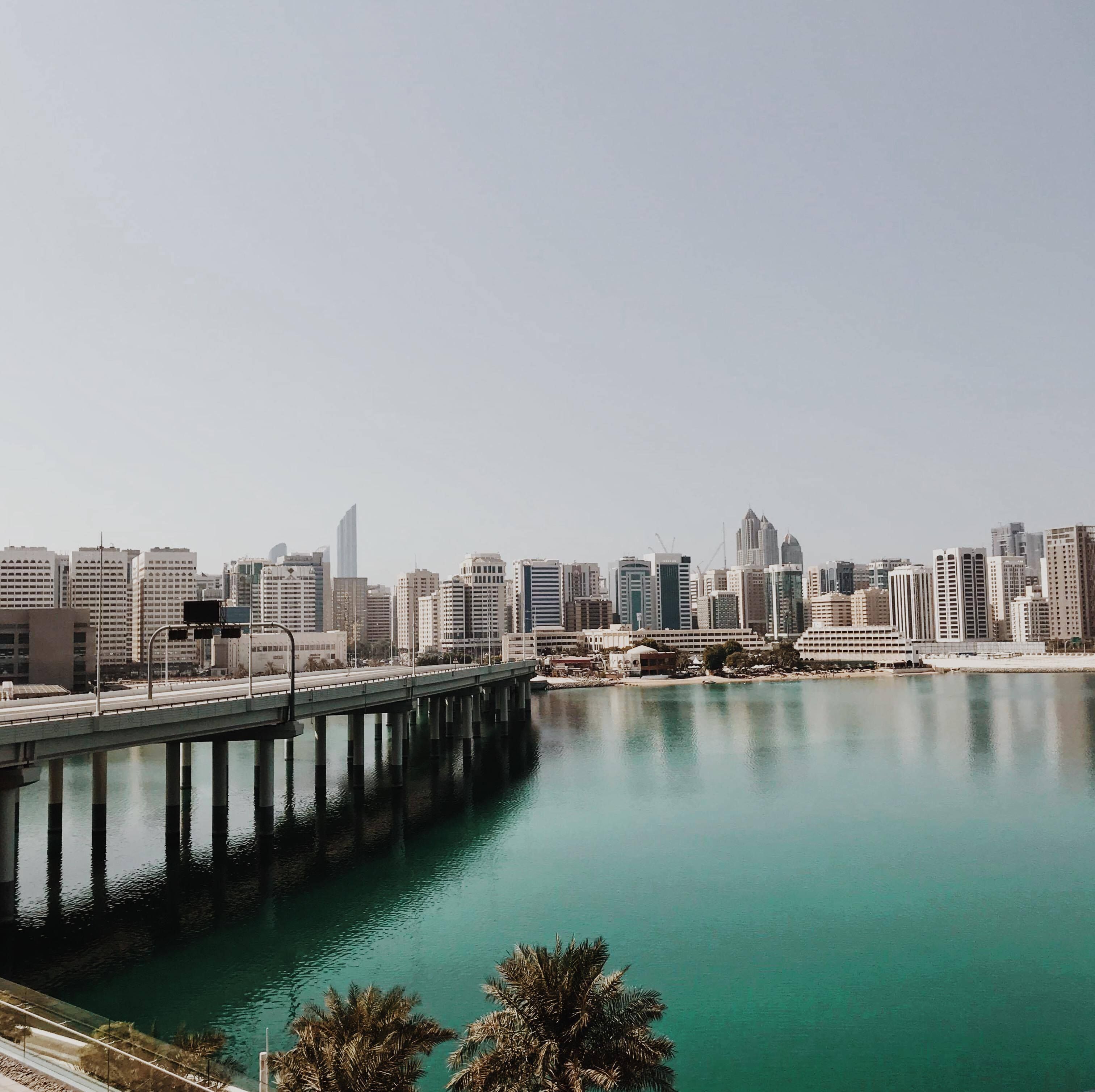
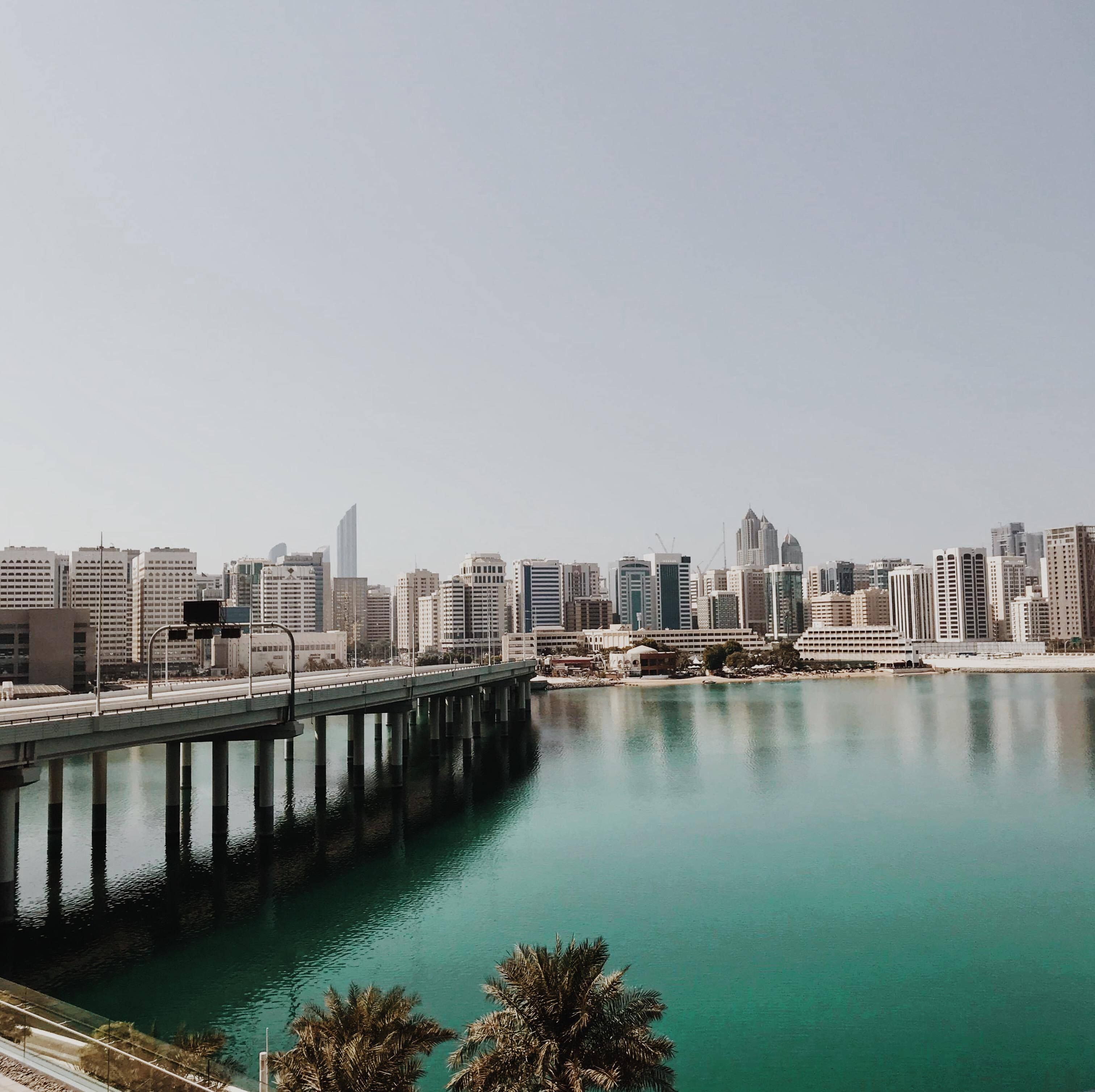
While many coastal cities rely on flash and spectacle, this destination draws its power from a quiet confidence. It does not strive to impress; instead, it allows its authentic identity to speak for itself. The contrast between the futuristic silhouette of the West Bay skyline and the grounded, earthy textures of the historic districts creates a tension that is both exciting and grounding.
This duality allows the visitor to experience two versions of luxury simultaneously. There is the luxury of innovation, found in the world-class museums and avant-garde architecture, and the luxury of legacy, found in the traditional dhow harbors and the scent of the spice markets. When these two worlds meet, they create a unique urban lifestyle inspiration that celebrates both where the city has been and where it is going.
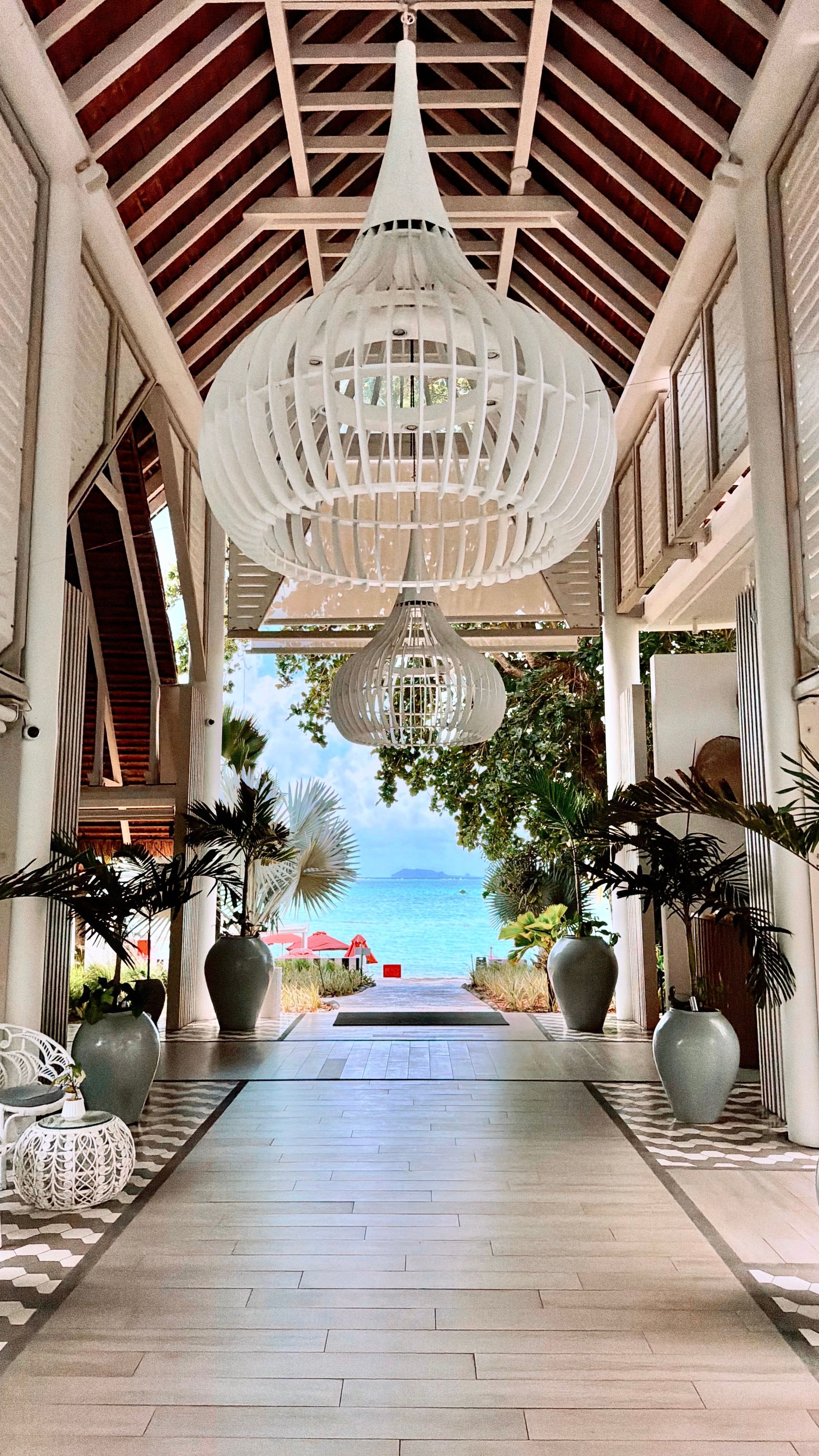
The emotional hook of the city lies in its ability to make the traveler feel like a guest rather than a tourist. There is a genuine warmth in the local interactions and a pride in the preservation of identity. This makes the journey feel personal and intimate, transforming a simple trip into a soulful exploration of culture and craft.
Signature Views, Textures, and Local Atmosphere
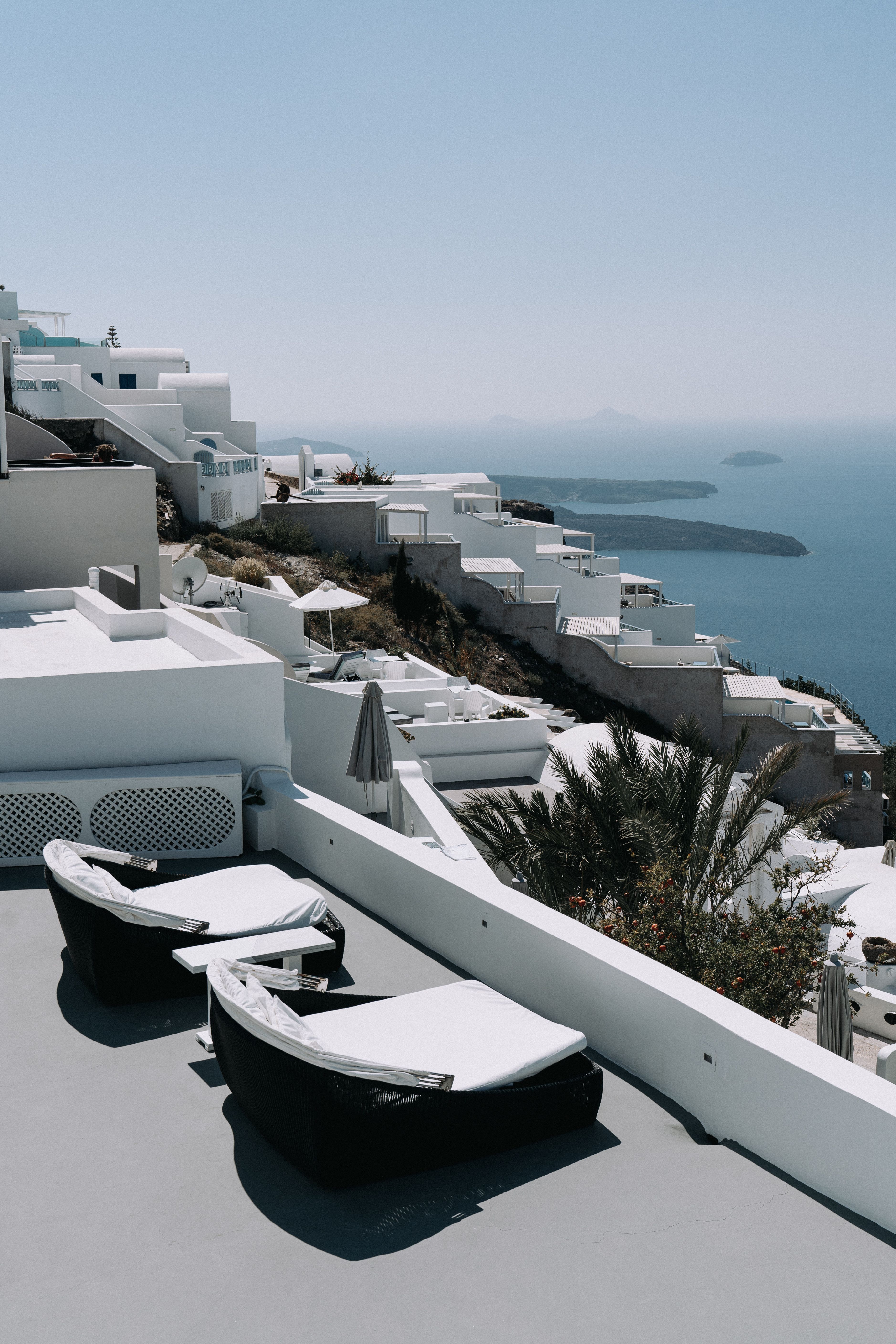
The visual identity of the historic districts is a study in neutral tones. The pale beige of the walls reflects the harsh midday sun, while in the evening, they absorb the soft glow of lanterns. This monochromatic palette is punctuated by the deep reds of hand-woven carpets and the shimmering turquoise of the nearby waters, creating a balanced and calming aesthetic.
Tactile experiences are central to the city’s charm. One might feel the rough grain of a traditional fishing boat at the harbor, followed by the smoothness of a contemporary art installation in a nearby gallery. The streets themselves are a sensory journey, where the sound of distant calls to prayer blends with the quiet chatter of merchants and the soft rustle of linen clothing in the wind.
Public spaces are designed for contemplation. The wide plazas and shaded walkways invite slow strolls, while the meticulously landscaped gardens provide pockets of greenery that contrast beautifully with the desert hues. Every corner seems designed to frame a view, whether it is a glimpse of the sea through a narrow alley or the sweeping curve of a modern museum against a sunset sky.
Refined Ways to Experience the Destination
To truly embrace the spirit of the city, one must engage with it through a lens of romantic slow travel. This might mean spending an entire morning at a local gallery, studying the intersection of calligraphy and modern abstraction, or taking a private dhow cruise as the stars begin to appear, letting the city lights flicker like diamonds on the horizon.
Dining here is an extension of the cultural experience. Rather than seeking out the most famous names, the refined traveler looks for spaces that honor local ingredients and traditional flavors through a modern presentation. A meal in a restored courtyard, under the shade of a lemon tree, becomes a ritual of taste and atmosphere, where the conversation flows as slowly as the tea.
Exploring the markets is not about shopping, but about observation. It is about noticing the way a spice merchant arranges his pyramids of saffron and sumac, or the way a weaver handles a loom. These moments of local texture provide a deeper understanding of the city’s soul, offering a connection to the artisans who have shaped the identity of the region for generations.
Who This Destination Speaks To
This destination is a magnet for the design-conscious traveler. It speaks to those who are moved by the proportions of a building, the curation of a hotel lobby, or the intentionality of a city’s urban planning. It is for the individual who views travel as a way to refine their own aesthetic sensibility and to find inspiration in the way different cultures interpret luxury.
It also appeals to the romantic who seeks a sanctuary away from the noise of the world. The soft evening atmosphere and the emphasis on quiet beauty make it an ideal setting for couples who wish to reconnect in a place that feels separate from the everyday. The city provides a backdrop of timeless elegance that enhances the intimacy of the experience.
Ultimately, it is for the curious soul who values authenticity over artifice. Those who are drawn to the stories told by old walls and the aspirations written in new steel will find a home here. It is a destination for those who understand that the most profound luxury is the ability to slow down and appreciate the beauty of the present moment.
The Staylora Perspective
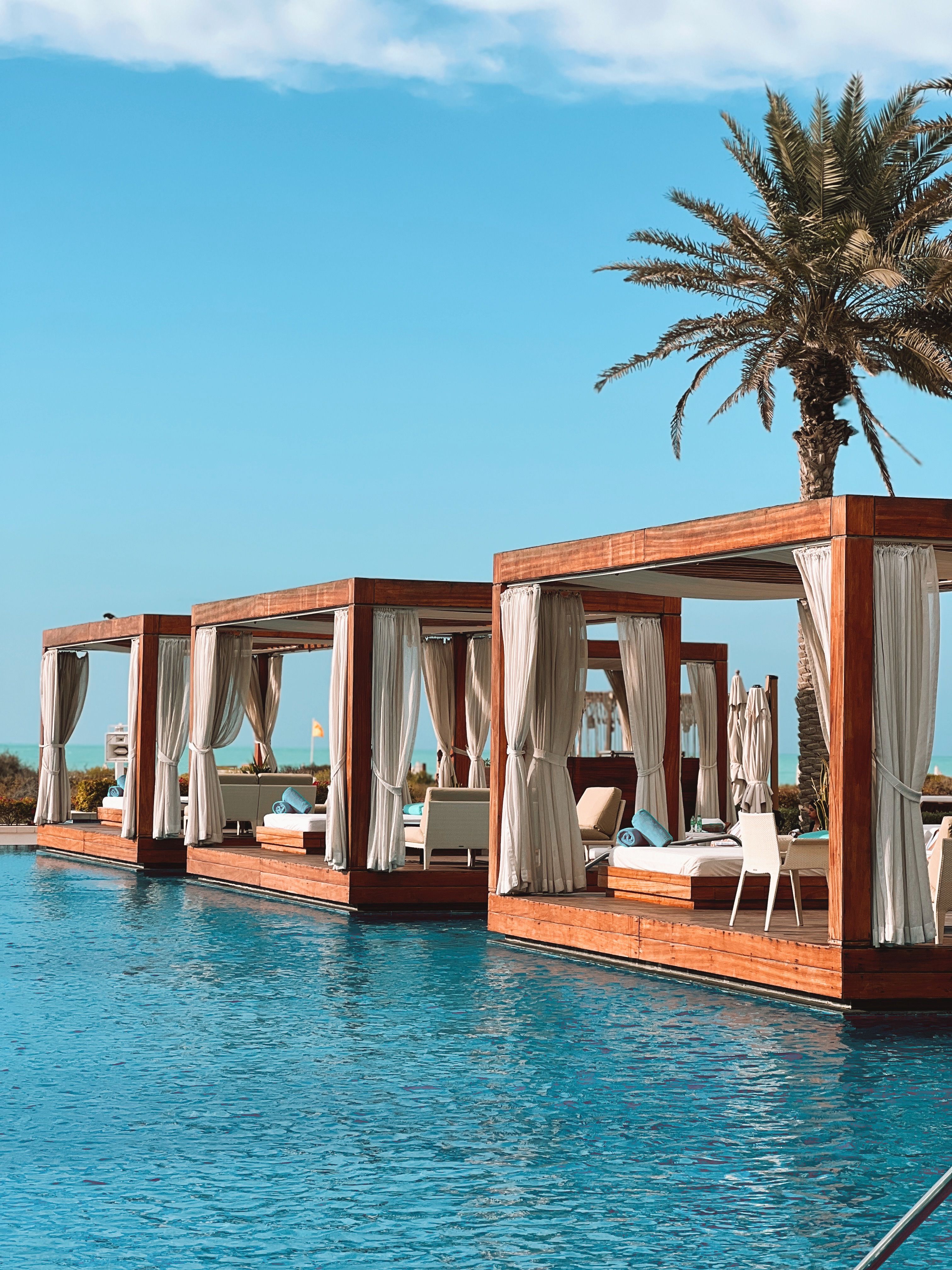
From the Staylora lens, the city represents the pinnacle of design-led luxury. It is a place where the concept of a stay is not just about the room, but about the entire atmospheric envelope. The ideal stay here is one that mirrors the city’s own balance of heritage and modernity, perhaps in a setting that uses local materials and traditional architectural cues to create a sense of belonging.
We see this destination as a blueprint for the future of refined travel. It proves that a city can grow rapidly while still honoring its roots, and that luxury can be found in the quietude of a courtyard just as easily as in the opulence of a penthouse. It is an inspiration for those who believe that travel should be an elevating experience, one that leaves the traveler feeling more mindful and inspired.
By focusing on the emotional and visual resonance of the place, the traveler transforms their visit into a collection of memories defined by light, texture, and feeling. This is the essence of the Staylora experience: discovering destinations that don’t just provide a place to stay, but a place to be.
FAQ
What makes historic Doha luxury travel unique?
The uniqueness lies in the seamless blend of ancestral Qatari heritage and cutting-edge contemporary design. Travelers experience a rare harmony where traditional limestone architecture and wind towers coexist with world-class art museums and sustainable urban planning, all delivered through a lens of understated, high-end sophistication and warmth.
When is the best time to visit Doha for a romantic escape?
The most enchanting time to visit is between November and March. During these months, the weather is mild and the light is softer, creating the perfect conditions for slow evening strolls through the historic districts and outdoor dining under the stars, allowing the city’s refined atmosphere to truly shine.
How can design-conscious travelers explore the city’s soul?
Focus on the juxtaposition of Msheireb Downtown’s sustainable modernism and the organic layout of Souq Waqif. Visiting the Museum of Islamic Art provides a masterclass in geometric beauty, while wandering the quiet residential alleys of the older quarters reveals the tactile, neutral palettes that define the city’s historic identity.
Related guide: timeless elegance
Staylora.com may contain affiliate links and third-party booking tools. We may earn a commission from qualifying bookings at no extra cost to you. Hotel prices, availability, policies, and travel information may change without notice. Please verify all important details directly with the booking provider before making any reservation.