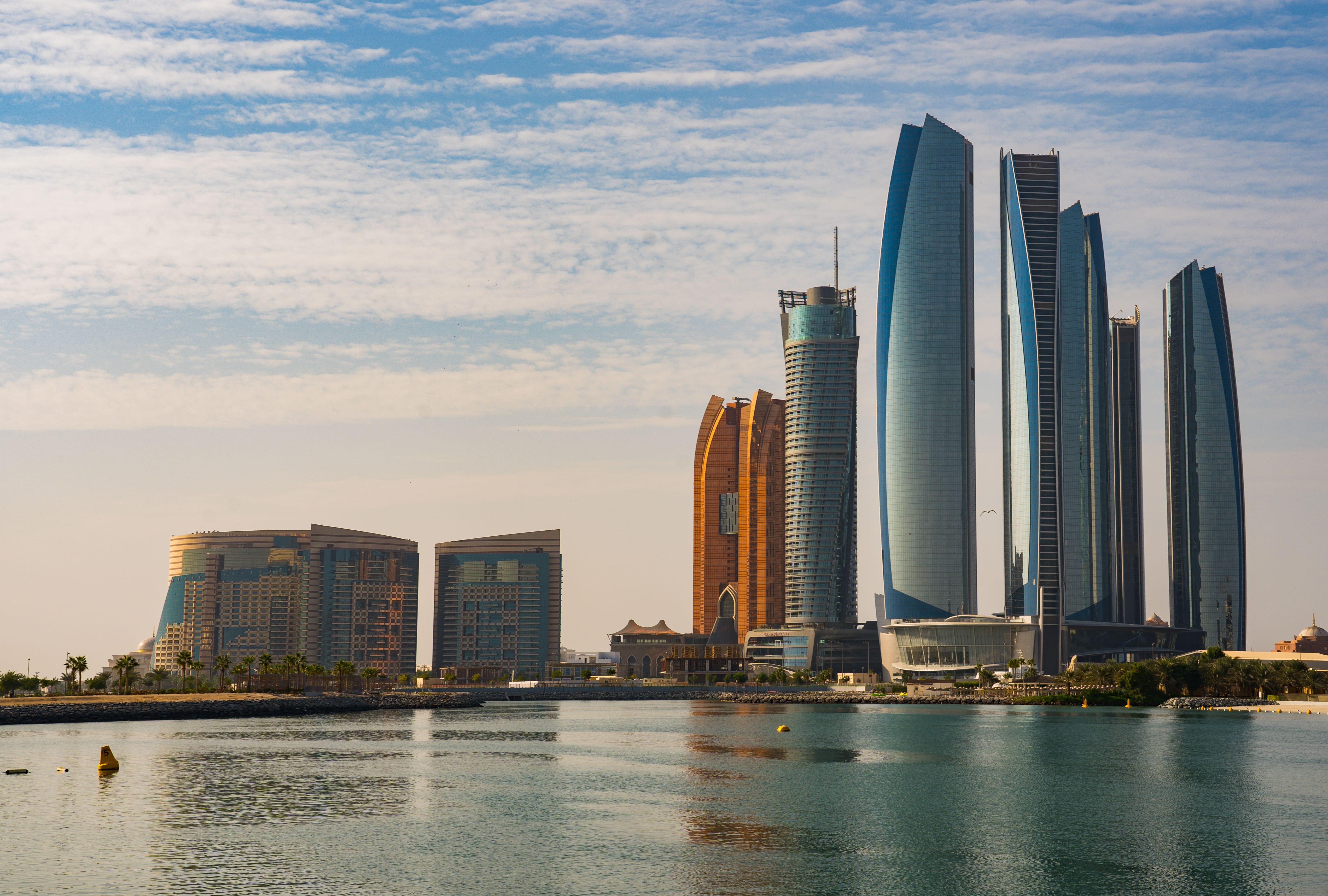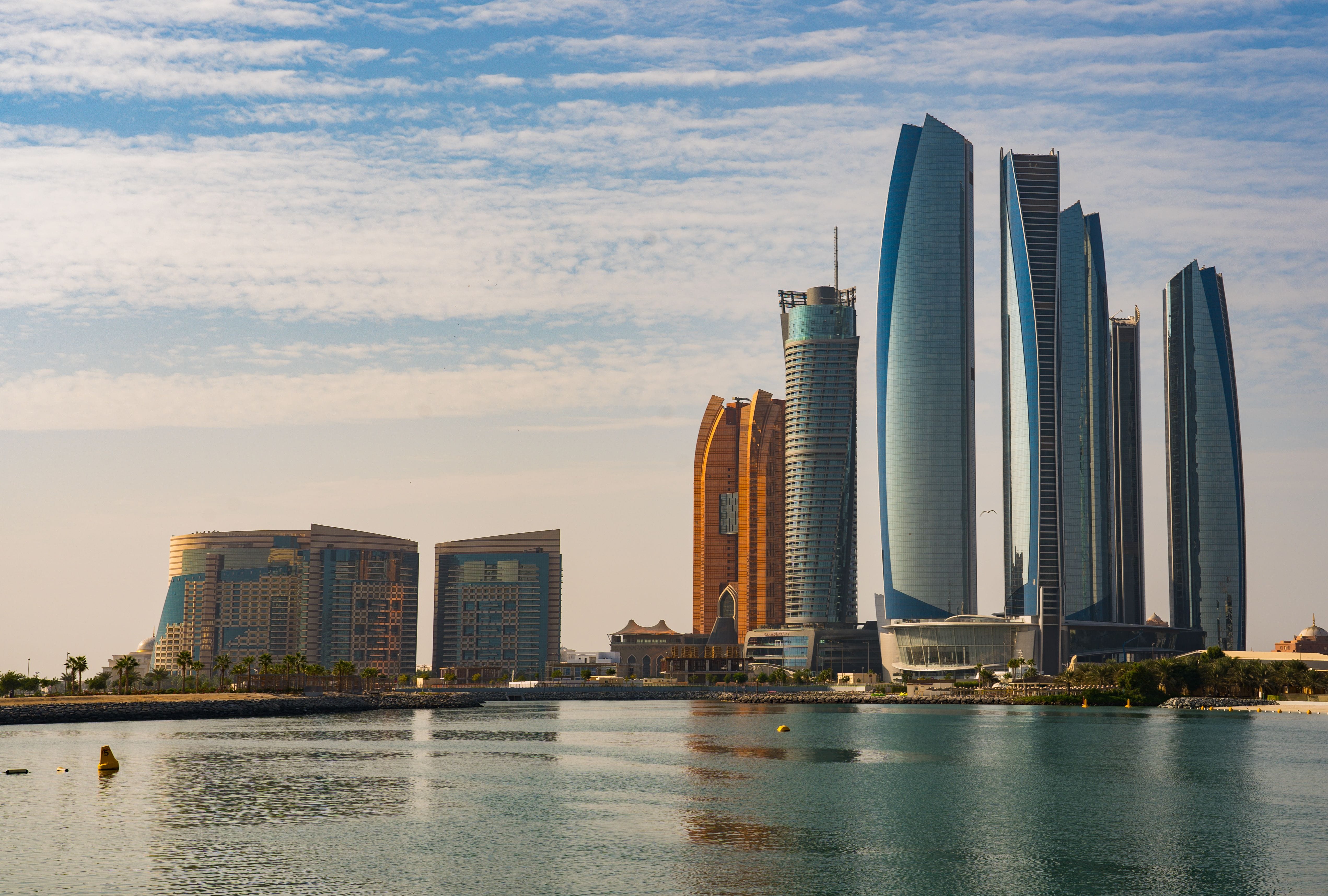
The early morning light in Catalonia possesses a particular clarity, a pale silver hue that softens the jagged edges of the coastline and turns the Mediterranean into a mirror of polished turquoise. There is a profound stillness in these hours, where the only sound is the rhythmic pulse of the tide against ancient limestone and the distant chime of a church bell in a sleepy village. It is in this suspended moment of calm that one truly feels the pull of the coast, a place where time seems to decelerate to match the slow drift of the current.
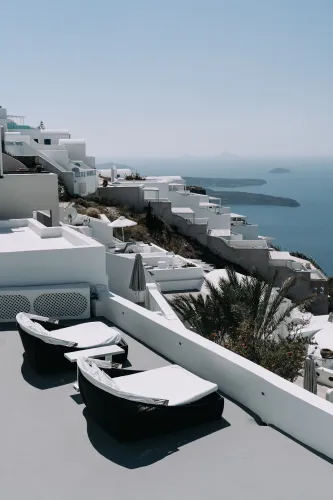
For those seeking a sanctuary of quiet sophistication, a romantic Costa Brava escape offers more than just a change of scenery; it provides a return to a more intentional way of being. This stretch of the Spanish shoreline is not defined by the loud vibrancy of the city, but by the subtle luxury of space, silence, and architectural grace. From the whitewashed facades of Cadaqués to the rugged cliffs of Cap de Creus, the region invites a slower pace of exploration, where the destination is not a list of sights, but a series of felt experiences.
The Mood and Allure of a Romantic Costa Brava Escape
The essence of this coastline lies in its ability to balance raw natural power with an understated, refined elegance. While other shores may lean into the ostentatious, the Costa Brava whispers. It is a landscape of contrast, where the wild, wind-swept pines meet the meticulously curated interiors of boutique retreats. This duality creates an atmosphere of intimacy, making it an ideal setting for those who find luxury in the details—the texture of a linen curtain fluttering in a sea breeze or the scent of wild rosemary clinging to a cliffside path.
To experience this region is to embrace the art of the pause. The mood is one of effortless refinement, where the day is measured not by appointments but by the shifting angle of the sun across a terracotta roof. There is a romanticism here that is grounded in authenticity, found in the quiet corners of a village plaza or the shared silence of a sunset viewed from a secluded cove. It is an environment that encourages couples to disconnect from the digital noise and reconnect with each other through the shared appreciation of beauty.
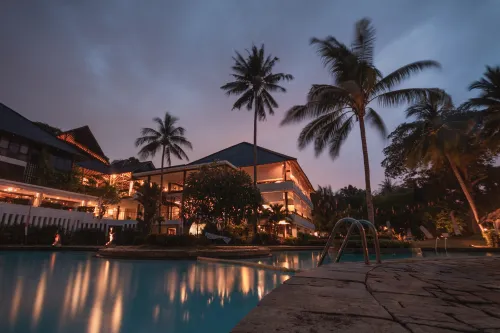
The visual identity of the region is defined by a palette of white, ochre, and deep azure. The architectural lines are clean yet organic, following the contours of the land rather than imposing upon it. This harmony between the built environment and the natural world creates a sense of peace that is rare in modern travel. When the crowds of the midday heat retreat, the streets become galleries of light and shadow, offering a serene backdrop for those who appreciate the quieter side of luxury.
A Landscape of Architectural Grace and Quiet Streets
Wandering through the coastal villages of the Costa Brava feels like stepping into a carefully composed painting. In places like Calella de Palafrugell, the houses seem to huddle together for warmth and companionship, their whitewashed walls reflecting the intense Mediterranean sun. The streets are narrow and winding, designed for slow exploration rather than efficiency. Every turn reveals a new detail: a wrought-iron balcony overflowing with geraniums, a weathered wooden door with a heavy brass knocker, or a hidden courtyard where the air is cool and fragrant.
The architecture here tells a story of resilience and refinement. The use of local stone and lime wash creates a tactile connection to the earth, while the open plazas serve as the communal heart of the villages. These public spaces are not merely transit points but areas for slow observation. Sitting in a quiet square, watching the local life unfold with a glass of chilled cava, allows a traveler to absorb the true rhythm of the region. It is a place where the luxury is found in the simplicity of a perfectly proportioned archway or the symmetry of a cobblestone path.
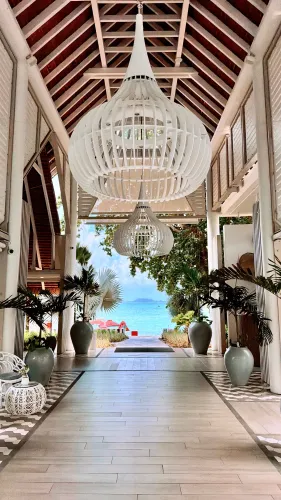
Beyond the villages, the region is dotted with estates and retreats that exemplify a boutique approach to hospitality. These spaces often blend traditional Catalan elements with contemporary minimalism, creating interiors that feel both timeless and fresh. High ceilings, polished concrete floors, and expansive windows that frame the sea like living art pieces define the modern luxury aesthetic here. This architectural dialogue between the old and the new mirrors the spirit of the region itself—respectful of its heritage but open to a refined, modern interpretation of comfort.
The Art of Slow Wandering along the Mediterranean
The true soul of the coast is discovered on the Camí de Ronda, the ancient fisherman’s path that winds precariously and beautifully along the cliffs. Walking this path is an exercise in mindfulness. With every step, the perspective shifts, revealing hidden calas—small, secluded coves with crystal-clear water and shimmering white pebbles. The journey is less about the distance covered and more about the moments of discovery: a sudden opening in the pine forest that reveals a panoramic view of the horizon, or the discovery of a small, family-run shack serving fresh grilled sardines.
Slow wandering is the only way to truly appreciate the geography of the Costa Brava. The coastline is a series of dramatic intrusions and gentle curves, creating a sense of mystery that draws the traveler forward. There is a particular joy in finding a viewpoint that feels entirely your own, where the only company is the sound of the wind through the cypress trees. These moments of solitude are the cornerstone of a refined travel experience, offering a mental clarity that only comes from being immersed in a landscape of such raw, unadorned beauty.
As the day progresses, the light changes the mood of the landscape. The midday brightness gives way to a golden hour that bathes the cliffs in a warm, honeyed glow. This is the time for the most intentional movements—a slow stroll toward the water’s edge or a quiet conversation on a terrace. The pace of travel here should be fluid and unplanned, allowing the natural magnetism of the coast to guide the way. By resisting the urge to see everything, the traveler gains the ability to truly feel the place.
Refined Moments and Boutique Pleasures
Gastronomy on the Costa Brava is an extension of its refined philosophy. It is not about complexity, but about the elevation of the ingredient. The local cuisine reflects the marriage of the mountains and the sea, where the freshness of the catch is paramount. A meal here is a slow affair, often starting with a light gazpacho or an array of local anchovies, followed by a dish of rice cooked with saffron and seafood. The luxury lies in the provenance—the olive oil pressed from nearby groves and the wine produced from the rugged vineyards of the Empordà region.
Beyond the plate, the boutique pleasures of the region are found in the small, curated experiences. It might be a visit to a local artisan’s studio where ceramics are still thrown by hand, or a morning spent browsing a small gallery in Cadaqués. These interactions provide a tactile connection to the culture, moving beyond the surface-level tourist experience. The focus is on quality over quantity, choosing one meaningful encounter over ten generic ones.
Evening in the Costa Brava is a study in atmospheric luxury. As the stars begin to appear over the Mediterranean, the villages take on a dreamlike quality. The soft glow of streetlamps on white walls and the scent of jasmine in the air create a romantic tension that is both subtle and powerful. A quiet dinner at a seaside table, where the sound of the waves provides the soundtrack, is the perfect conclusion to a day spent in pursuit of refinement.
Who Finds Solace in the Catalan Coast
This destination speaks to the traveler who views travel as a form of restoration. It is for the boutique hotel lover who values a curated aesthetic and a sense of place over standardized luxury. Those who are drawn to the Costa Brava are often seeking a reprieve from the acceleration of modern life, looking for a place where they can reclaim their time and their attention. They are the wanderers who prefer a quiet book on a shaded terrace to a crowded beach club.
The region attracts those with an eye for design and an appreciation for the intersection of nature and architecture. It is a haven for couples who find intimacy in shared silence and for solo travelers who seek the luxury of introspection. The emotional draw is the feeling of arriving somewhere that is visually and spiritually distinct—a place that demands a different version of yourself, one that is more present, more observant, and more relaxed.
Ultimately, the Costa Brava is for the refined traveler who understands that the greatest luxury is not what you possess, but how you feel in a space. It is for those who recognize that a slow walk through a coastal village can be as rewarding as any landmark, and that the most memorable moments are often the ones that were never planned. It is a destination for those who seek a romantic escape that is as intellectually stimulating as it is aesthetically pleasing.
The Staylora Perspective on Coastal Refinement
At Staylora, we believe that the most profound travel experiences are those that align with a specific emotional intent. The Costa Brava is not merely a geographic location; it is a mood. To visit this coast is to enter a dialogue with the Mediterranean, a conversation about light, time, and the beauty of simplicity. We see this region as a masterclass in slow luxury, where the environment itself does the heavy lifting, allowing the traveler to simply exist within it.
Our perspective on this destination centers on the idea of the calm retreat. We advocate for stays that act as extensions of the landscape—boutique properties that prioritize privacy, natural materials, and a seamless connection to the outdoors. When a stay is curated with this level of intentionality, the hotel becomes more than just a place to sleep; it becomes a sanctuary that enhances the overall experience of the journey.
The Costa Brava inspires us because it proves that refinement does not require excess. By focusing on a few high-quality highlights—a breathtaking viewpoint, a perfectly executed meal, a quiet morning on a terrace—the traveler can construct a narrative of luxury that is personal and sustainable. This is the essence of elevated travel: the ability to find the extraordinary within the ordinary, and the courage to slow down in a world that is always rushing.
FAQ
When is the best time for a romantic Costa Brava escape?
The ideal window for a refined visit is during the shoulder seasons of late spring and early autumn. During May and June, the landscape is lush and the wildflowers are in bloom, while September and October offer a mellow warmth and a significant reduction in crowds. These periods allow for the slow wandering and quiet exploration that define the region’s romantic allure.
What makes the Costa Brava different from other Spanish coasts?
Unlike the broader, more developed beaches of the south, the Costa Brava is characterized by its rugged, rocky shoreline and intimate, whitewashed villages. It offers a more boutique and atmospheric experience, focusing on the harmony between dramatic cliffs and refined architecture. The pace is notably slower, emphasizing cultural depth and natural beauty over high-volume tourism.
How should one approach exploring the coastal villages?
The most rewarding approach is to limit the number of locations visited to allow for deeper immersion. Rather than a daily itinerary, spend several days in a single village like Cadaqués or Begur. Use the early morning hours for walking the Camí de Ronda and reserve the afternoons for quiet relaxation, allowing the natural rhythm of the Mediterranean to dictate your movements.
Staylora.com may contain affiliate links and third-party booking tools. We may earn a commission from qualifying bookings at no extra cost to you. Hotel prices, availability, policies, and travel information may change without notice. Please verify all important details directly with the booking provider before making any reservation.