The Softness of Morning and the Art of the Stay
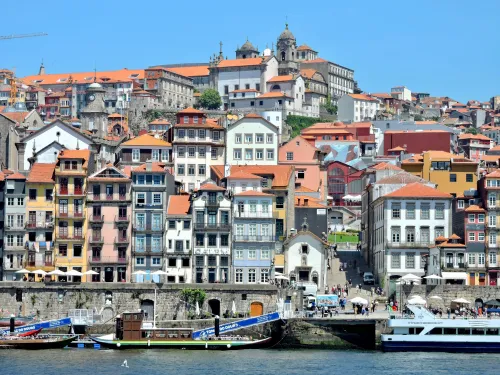
The pale grey of dawn settles over weathered cobblestones and limestone facades, where the city still breathes in a hushed, rhythmic slumber. In these early moments, before the rush of the day takes hold, the light possesses a translucent quality that reveals the hidden textures of a destination. It is in this stillness that the true essence of a place emerges, found not in the crowded landmarks, but in the quiet intersection of architecture and intention.
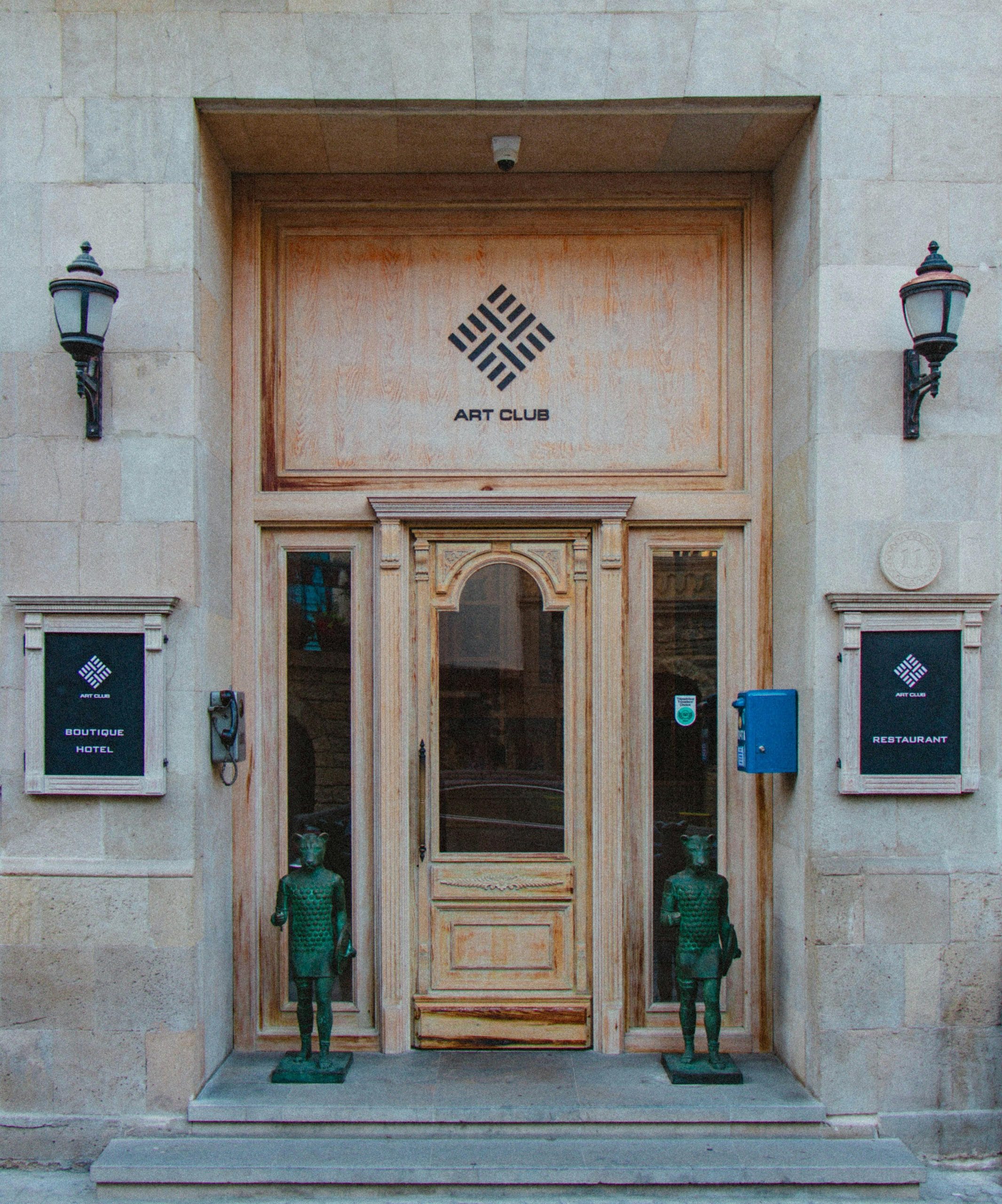
For the traveler who seeks more than a mere place to sleep, the choice of accommodation becomes an extension of the journey itself. There is a profound difference between a luxury room and a space curated as a living piece of art. The rise of art-centric boutique hotels has transformed the concept of the stay from a utility into a sensory experience, where every corridor feels like a gallery and every suite offers a study in proportion, light, and material.
These sanctuaries do not simply display art on their walls; they embody the philosophy of the artist. From the way a shadow falls across a minimalist concrete floor to the tactile pleasure of a hand-woven linen drape, the environment is designed to evoke a specific emotional response. It is a form of slow travel luxury that prioritizes the internal experience over the external checklist, inviting guests to linger, observe, and breathe.
Art-Centric Boutique Hotels and the Mood of the Place
When a hotel is conceived through the lens of art, the atmosphere shifts from the generic to the atmospheric. These spaces often act as cultural anchors, reflecting the spirit of their neighborhood while providing a restorative cocoon from the urban intensity outside. The mood is typically one of curated silence, where the acoustics are softened by heavy textiles and the visual noise is filtered through a disciplined design palette.
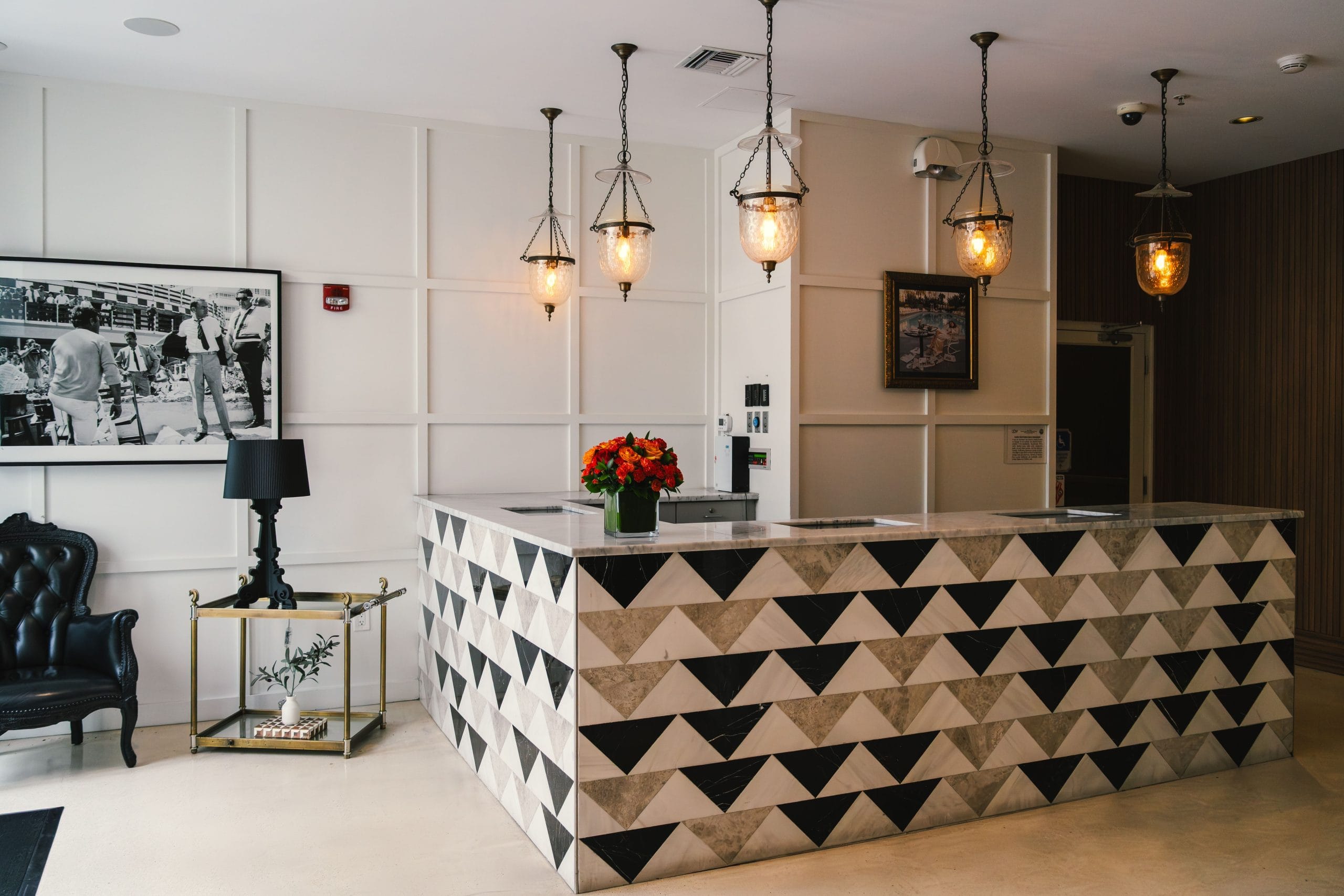
Entering such a space feels like stepping into a curated dream. There is a deliberate pacing to the layout, guiding the guest through a sequence of visual revelations. Perhaps it is a single, towering sculpture in a sun-drenched atrium or a series of intimate sketches tucked into a quiet library nook. These details create a dialogue between the traveler and the environment, encouraging a state of mindfulness that is rarely found in traditional luxury hospitality.
The integration of art-centric boutique hotels into the urban fabric allows for a deeper connection to the local identity. Instead of importing a globalized version of luxury, these establishments often collaborate with local artisans and contemporary painters, ensuring that the soul of the city is woven into the very fabric of the interior. This creates a sense of place that is authentic, grounded, and deeply evocative.
The Architecture of a Quiet Escape
Design-led travel is fundamentally about the appreciation of space and how it shapes our mood. In the world of sophisticated art stays, architecture is treated as the primary medium. Whether it is a converted 19th-century warehouse with soaring ceilings and raw brickwork or a sleek, modernist pavilion of glass and steel, the structure provides the canvas for the artistic narrative.
The magic lies in the contrast between the exterior shell and the interior curation. A facade that looks austere from the street might open into a courtyard of lush greenery and soft, ambient lighting. Inside, the rooms are often designed around the movement of light. Large windows are positioned to capture the golden hour, while recessed lighting is used to highlight the texture of a plaster wall or the curve of a mid-century chair.
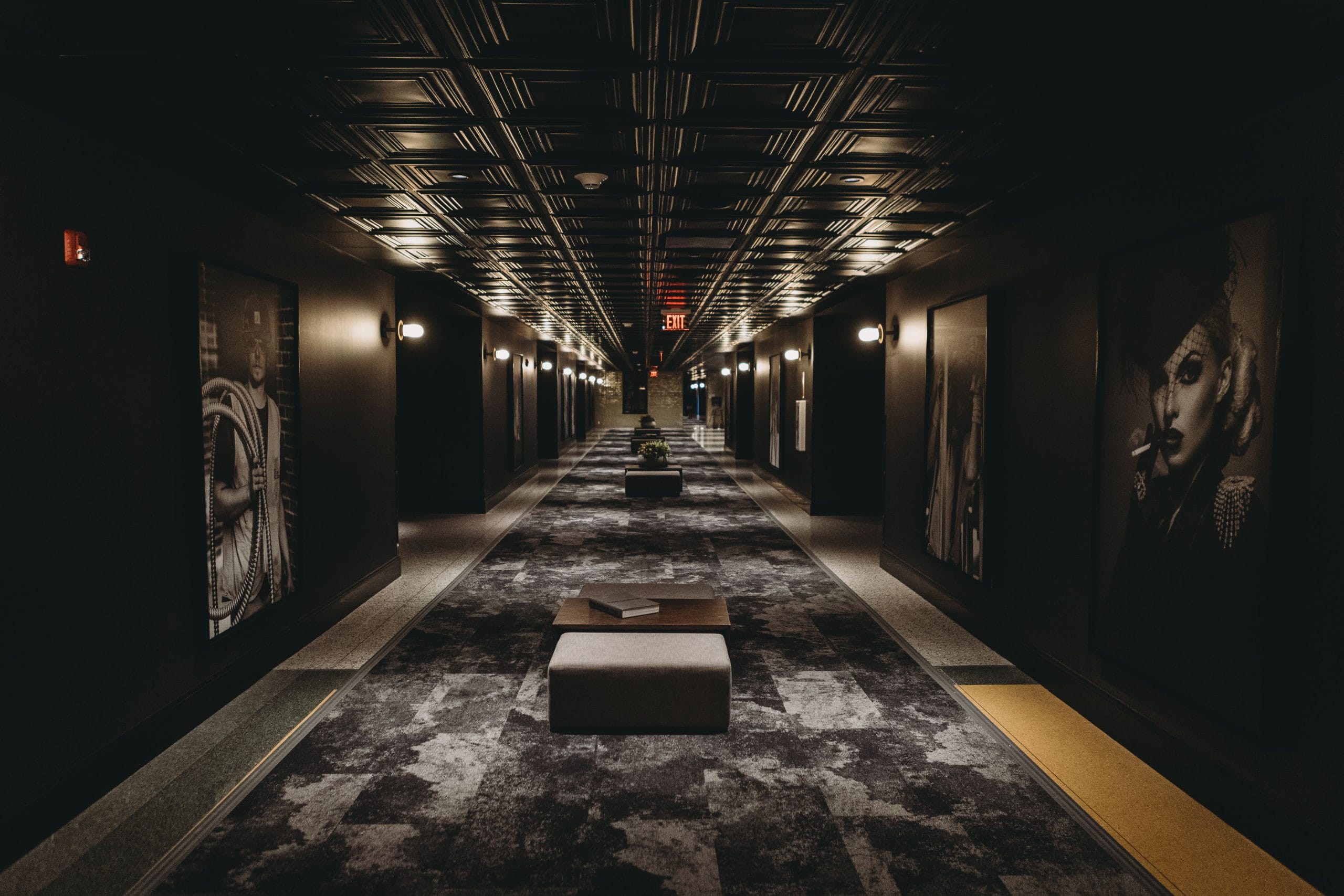
This architectural intentionality creates a restorative environment. The luxury here is not found in gold leaf or excessive ornamentation, but in the generosity of space and the precision of detail. It is the luxury of a perfectly placed reading chair, a bathroom that feels like a private spa, and a color palette that mimics the natural tones of the surrounding landscape, allowing the mind to settle and the body to relax.
Heritage Textures and Blue Hour Allure
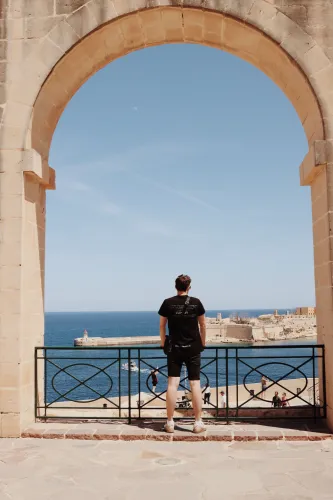
There is a specific magic that occurs during the blue hour, that fleeting moment after the sun dips below the horizon when the city is bathed in a deep, cool indigo. From the vantage point of a refined balcony or a floor-to-ceiling window, the world outside transforms into a silhouette of heritage spires and glowing streetlamps. This is the hour when the interior art of a boutique stay truly comes alive.
Inside, the lighting shifts to a warm, amber glow that complements the textures of the room. The touch of a velvet sofa, the cool smoothness of a marble tabletop, and the grainy feel of an original oil painting on canvas all become more pronounced. These tactile experiences ground the traveler in the present moment, creating a memory tied not to a sight seen, but to a feeling experienced.
The focus on heritage details ensures that the experience feels timeless. A reclaimed wooden beam or a hand-tiled floor tells a story of the past, while a piece of provocative contemporary art pulls the guest into the present. This tension between the old and the new is what gives art-centric stays their intellectual depth, making the act of staying an exercise in cultural exploration.
A Sanctuary for the Design-Led Traveler
The persona attracted to these spaces is the luxury weekend traveler who views travel as a form of curation. For them, a trip is not about how many museums they can visit, but about the quality of the atmosphere they inhabit. They are drawn to the concept of the premium base—a hotel that is so inspiring in its own right that the act of returning to the room is as rewarding as the act of leaving it.
This traveler appreciates the nuance of a well-chosen scent in the lobby or the weight of a heavy brass key. They seek out destinations that offer a quiet, restorative energy, preferring a slow stroll through a gallery district over a crowded tourist circuit. For them, the hotel is a sanctuary where they can process their impressions of the city in a space that mirrors their own aesthetic values.
The emotional hook of this experience is the memory of light and texture. Long after the trip has ended, they remember the way the morning sun hit a specific sculpture in the lobby, or the feeling of silence in a room designed for contemplation. It is a form of travel that nourishes the spirit and inspires the creative mind, providing a mental reset that only a truly beautiful environment can offer.
The Staylora Perspective on Curated Stays
At Staylora, we believe that the most elevated travel experiences are those that engage the senses and challenge the intellect. The shift toward design-led accommodation reflects a broader desire for meaning in our travels. We see the art-centric boutique hotel not merely as a place of lodging, but as a curator of experiences, bridging the gap between the traveler and the local creative spirit.
True luxury in the modern age is the ability to slow down. It is the choice to spend an afternoon reading in a sun-drenched courtyard rather than rushing through a list of attractions. By choosing stays that prioritize art and architecture, travelers can immerse themselves in a lifestyle of refined simplicity, where beauty is the primary objective and comfort is an effortless byproduct.
Ultimately, the art of the stay is about the harmony between the guest and the space. When the surroundings are thoughtfully curated, the guest is encouraged to be more present, more observant, and more open to the inspiration that only a sophisticated, art-filled environment can provide. This is the essence of the Staylora philosophy: travel that elevates, inspires, and restores.
FAQ
How do art-centric boutique hotels differ from standard luxury hotels?
Unlike standard luxury hotels that focus on generic opulence and predictable amenities, art-centric boutique hotels prioritize a specific design narrative. They function as living galleries, integrating curated artworks and architectural innovation into the guest experience. The focus is on atmosphere, local identity, and emotional resonance, offering a more intimate and intellectually stimulating environment for the discerning traveler.
What should I look for when choosing a design-led hotel for a weekend escape?
Look for properties that emphasize architectural heritage and have a clear creative vision. Research whether the hotel collaborates with local artists or features curated collections. Pay attention to visual descriptions of light, space, and materials. A hotel that describes its rooms as sanctuaries or galleries typically offers the restorative, slow-paced luxury that defines a truly design-led travel experience.
Can art-centric boutique hotels enhance the overall cultural experience of a city?
Absolutely. These hotels often serve as a gateway to the local art scene, reflecting the city’s creative pulse within their walls. By staying in a space that celebrates local heritage and contemporary art, travelers gain an immediate, tactile connection to the destination’s identity. It transforms the stay into a curated introduction to the city’s aesthetic and cultural landscape.
Staylora.com may contain affiliate links and third-party booking tools. We may earn a commission from qualifying bookings at no extra cost to you. Hotel prices, availability, policies, and travel information may change without notice. Please verify all important details directly with the booking provider before making any reservation.