The world softens at golden hour, when the light turns to honey and the air grows heavy with the scent of blooming jasmine and damp earth. In these fleeting moments, the frantic pulse of the modern city fades into a distant memory, replaced by the slow, deliberate rhythm of a sanctuary designed for stillness. There is a specific kind of magic found in the corners of the East where luxury is not announced by gold leaf or grandiosity, but by the quality of the silence and the intentionality of the space. This is the realm of hidden luxury destinations Asia, where the most exclusive experiences are those that allow the mind to decelerate and the heart to reconnect.
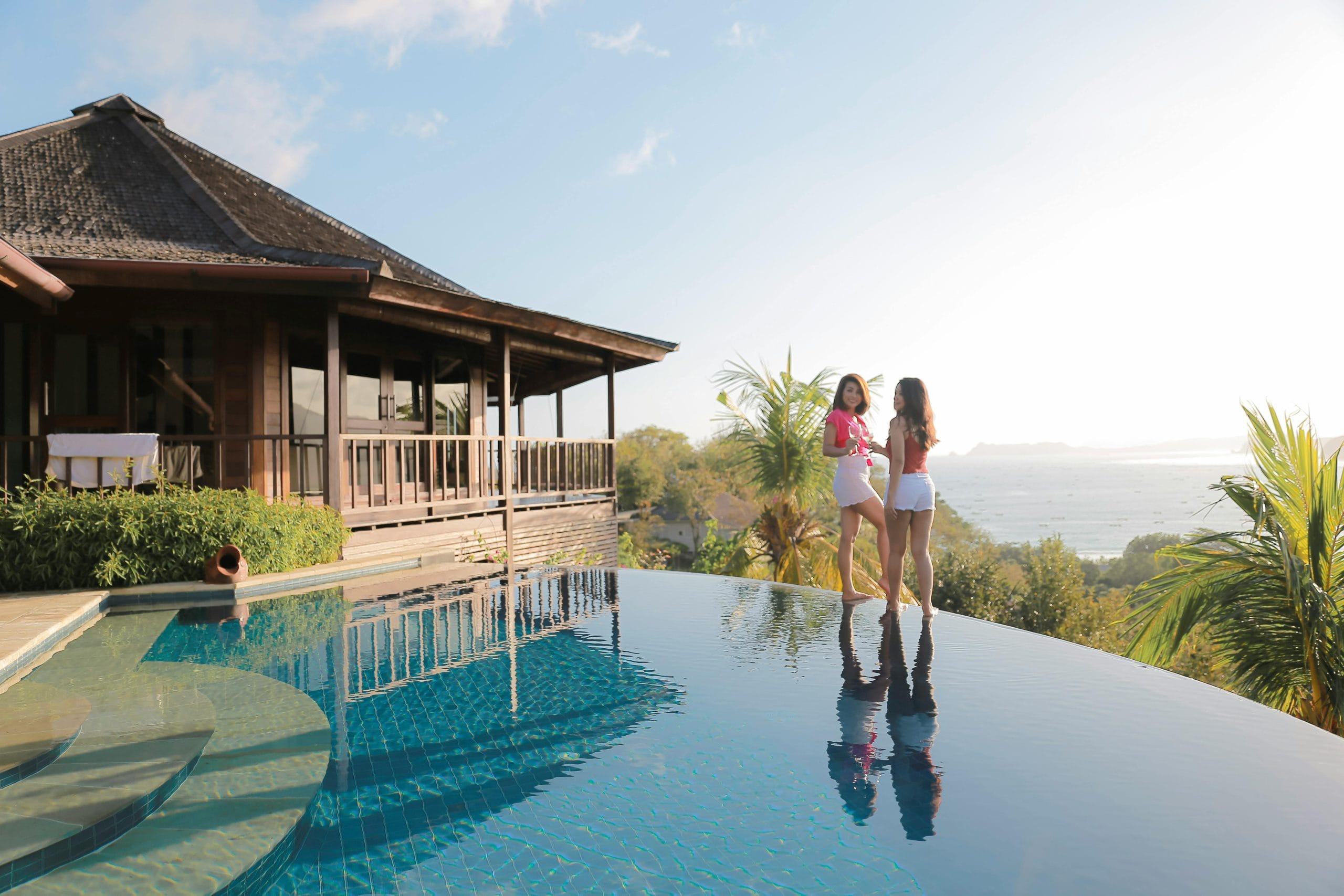
True elegance in travel has shifted away from the visible markers of wealth toward a more internal, atmospheric luxury. It is found in the texture of a hand-woven linen sheet, the cool touch of polished stone under bare feet, and the way a terrace overlooks a valley shrouded in morning mist. For couples seeking a romantic escape, the appeal lies in the exclusivity of privacy. These sanctuaries do not compete for attention; instead, they wait to be discovered by those who value the restorative power of a destination that asks nothing of them but their presence.
Hidden Luxury Destinations Asia and the Mood of Stillness
Finding a sense of sanctuary requires a departure from the curated maps of mainstream travel. The mood of these secluded escapes is one of profound equilibrium, where the architecture blends into the landscape rather than dominating it. Whether it is a restored colonial villa in the highlands of Vietnam or a minimalist ryokan tucked away in the cedar forests of Japan, the atmosphere is consistently anchored in a feeling of timelessness.
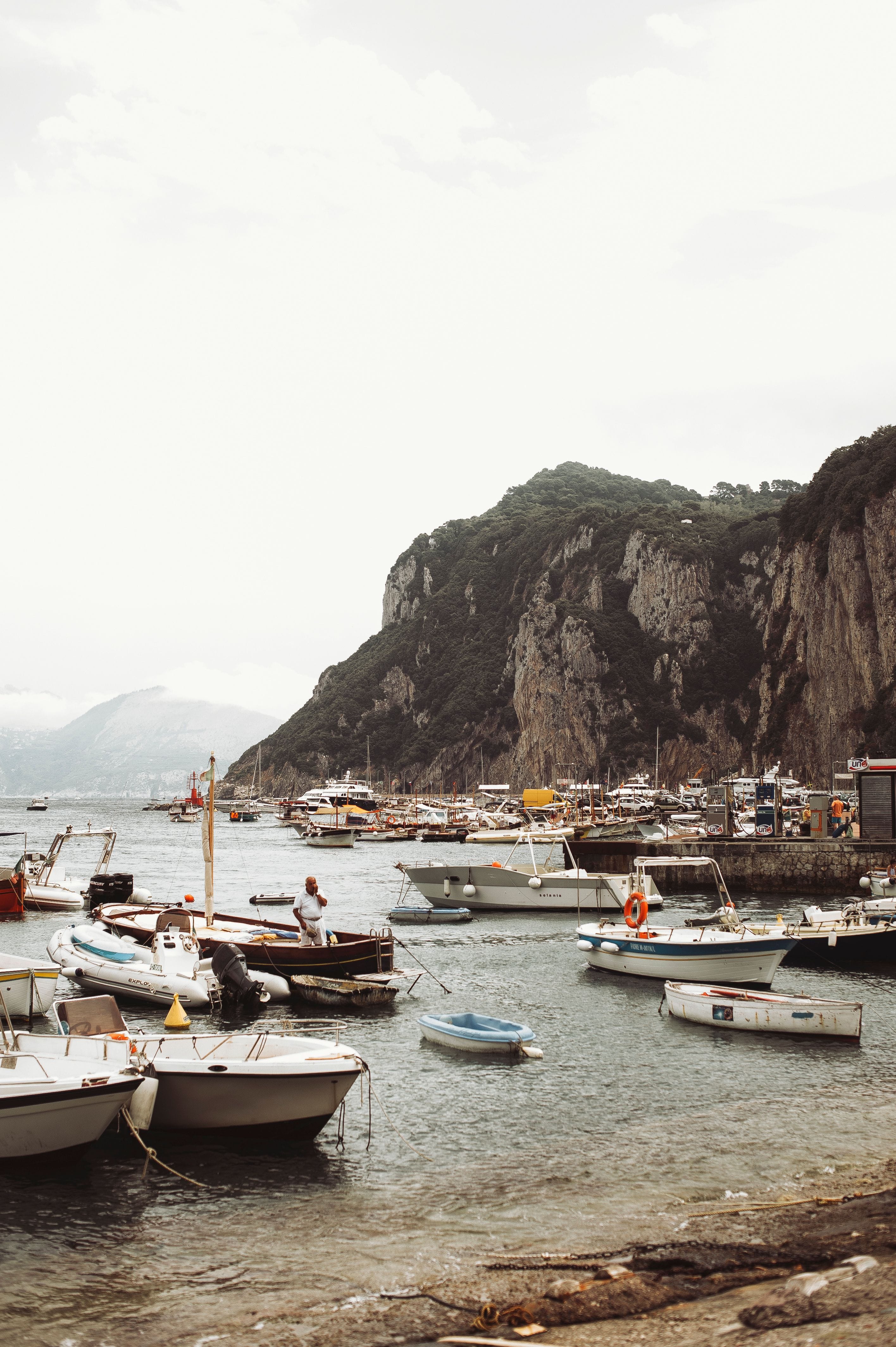
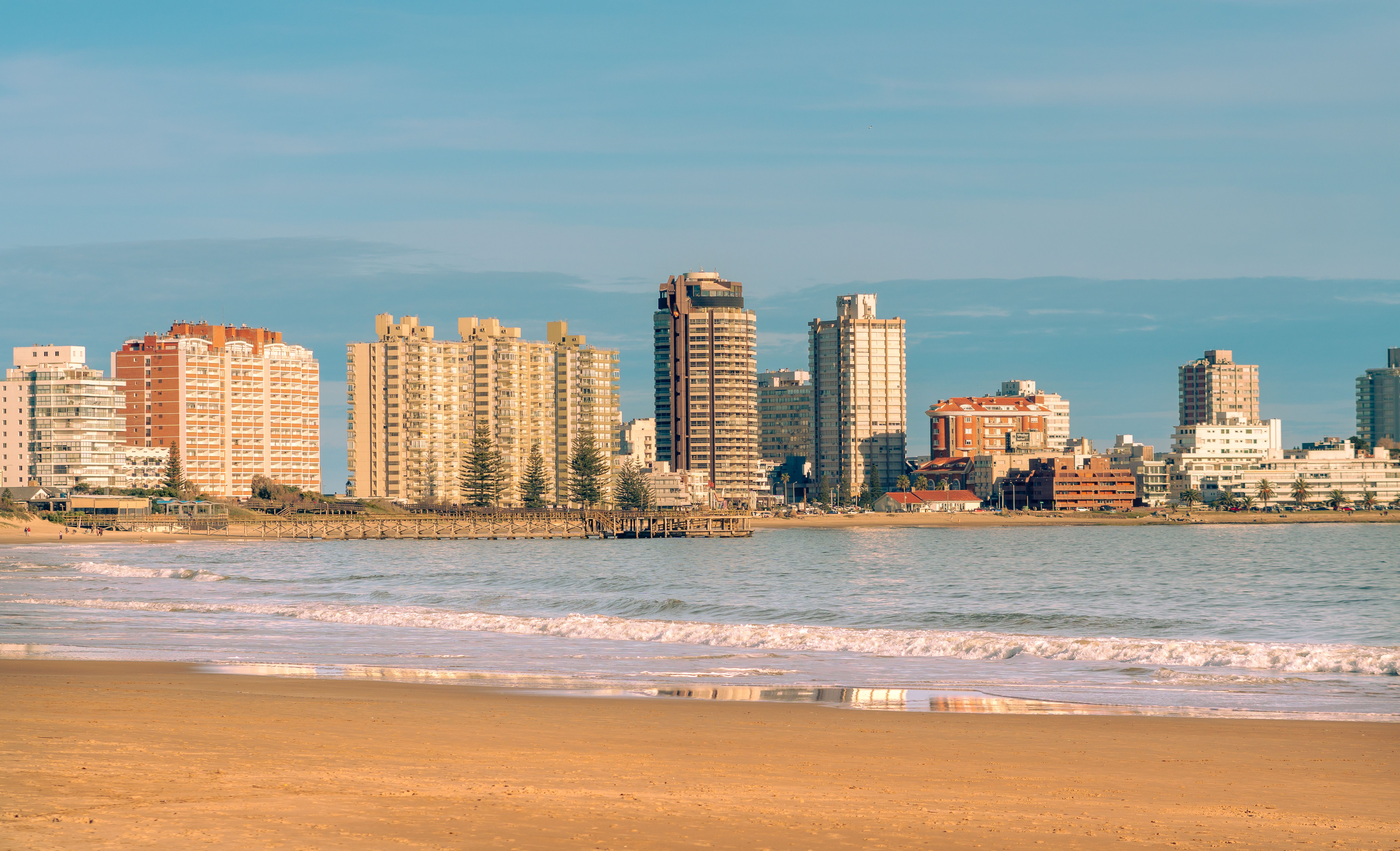
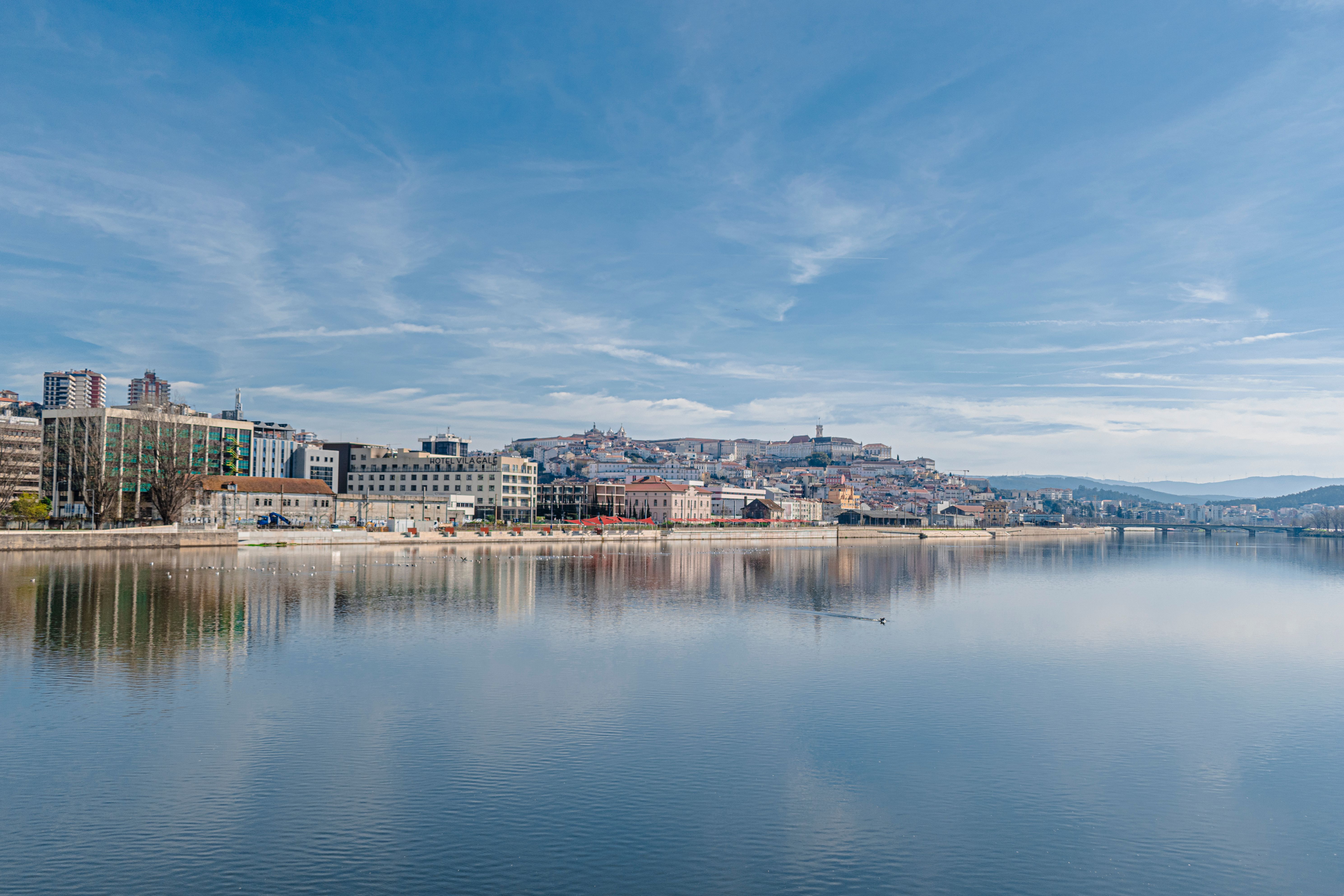
The visual palette of these places often mirrors the natural world. Coastal tones of sandy beige, muted sage, and deep indigo create a backdrop that calms the nervous system. Open skies are treated as the primary artwork, with expansive windows and open-air pavilions that invite the outdoors in. This architectural openness fosters a connection to the environment, making the traveler feel less like a visitor and more like a part of the scenery.
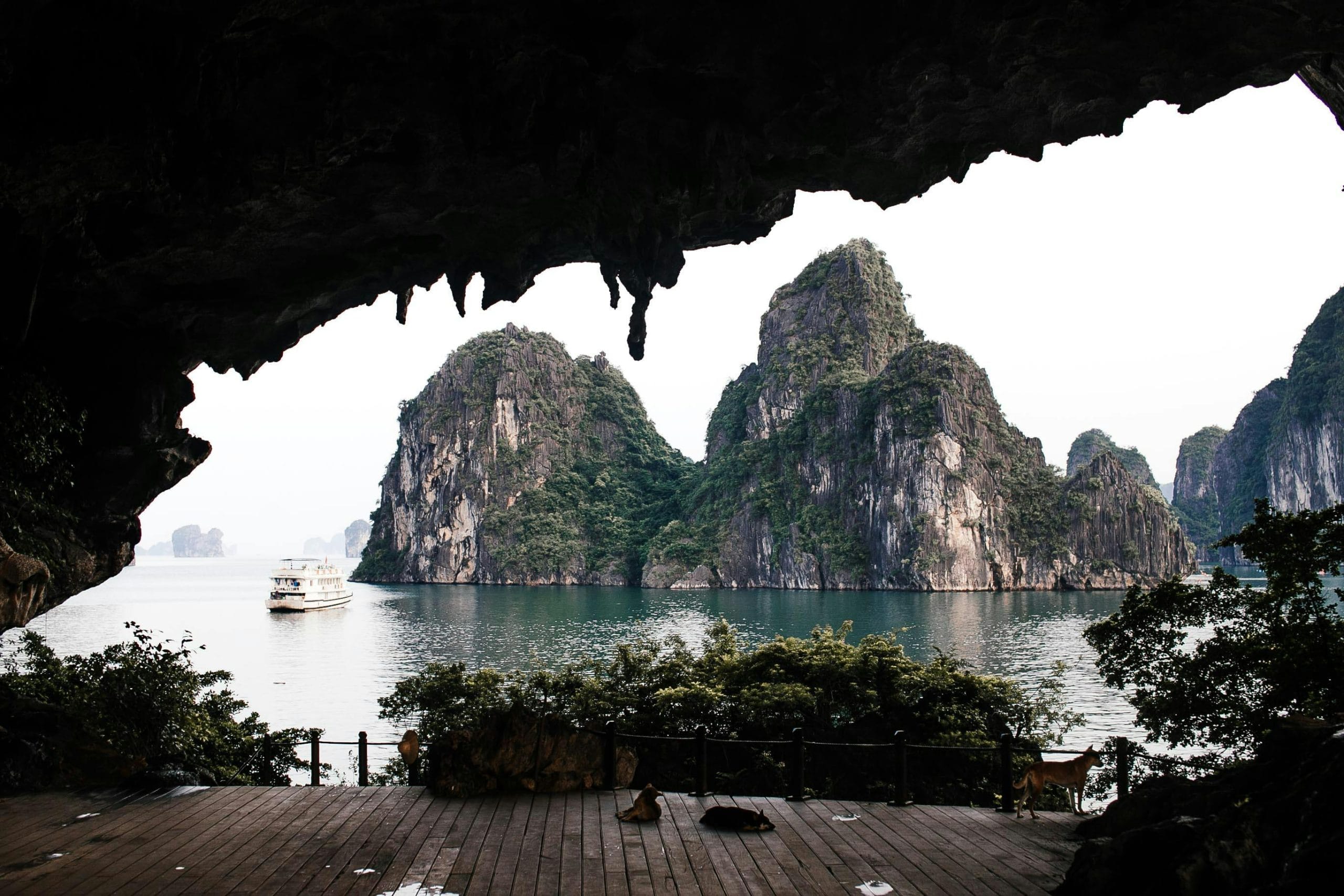
Within these spaces, the luxury is felt in the details that often go unnoticed. It is the precise temperature of a tea ceremony, the subtle fragrance of sandalwood drifting through a corridor, and the sound of wind chimes echoing across a private courtyard. By stripping away the noise of traditional luxury, these destinations create a vacuum of peace that allows for a deeper emotional intimacy between partners.
The Allure of Heritage Luxury in Quiet Corners
There is a groundedness to heritage luxury that modern resorts often struggle to replicate. It is the difference between a space that was built for a brand and a space that evolved over generations. In Asia, this often manifests as ancestral homes or royal estates that have been meticulously preserved, offering a glimpse into a sophisticated past while providing every contemporary comfort.
Walking through a heritage sanctuary feels like stepping into a living painting. The walls hold stories, and the gardens are designed with a philosophy of balance and harmony. These properties prioritize the soul of the location over the trend of the moment, ensuring that the experience remains authentic and evocative. The luxury here is found in the continuity of culture and the preservation of craftsmanship.
For the discerning traveler, the appeal of heritage luxury is its ability to provide a sense of place. It is not a generic five-star experience that could be anywhere in the world; it is a specific, rooted encounter with the local identity. This connection to history adds a layer of intellectual luxury to the romantic escape, turning a simple holiday into a journey of cultural discovery.
Visual Poetry: From Coastal Tones to Blue Hour Lights
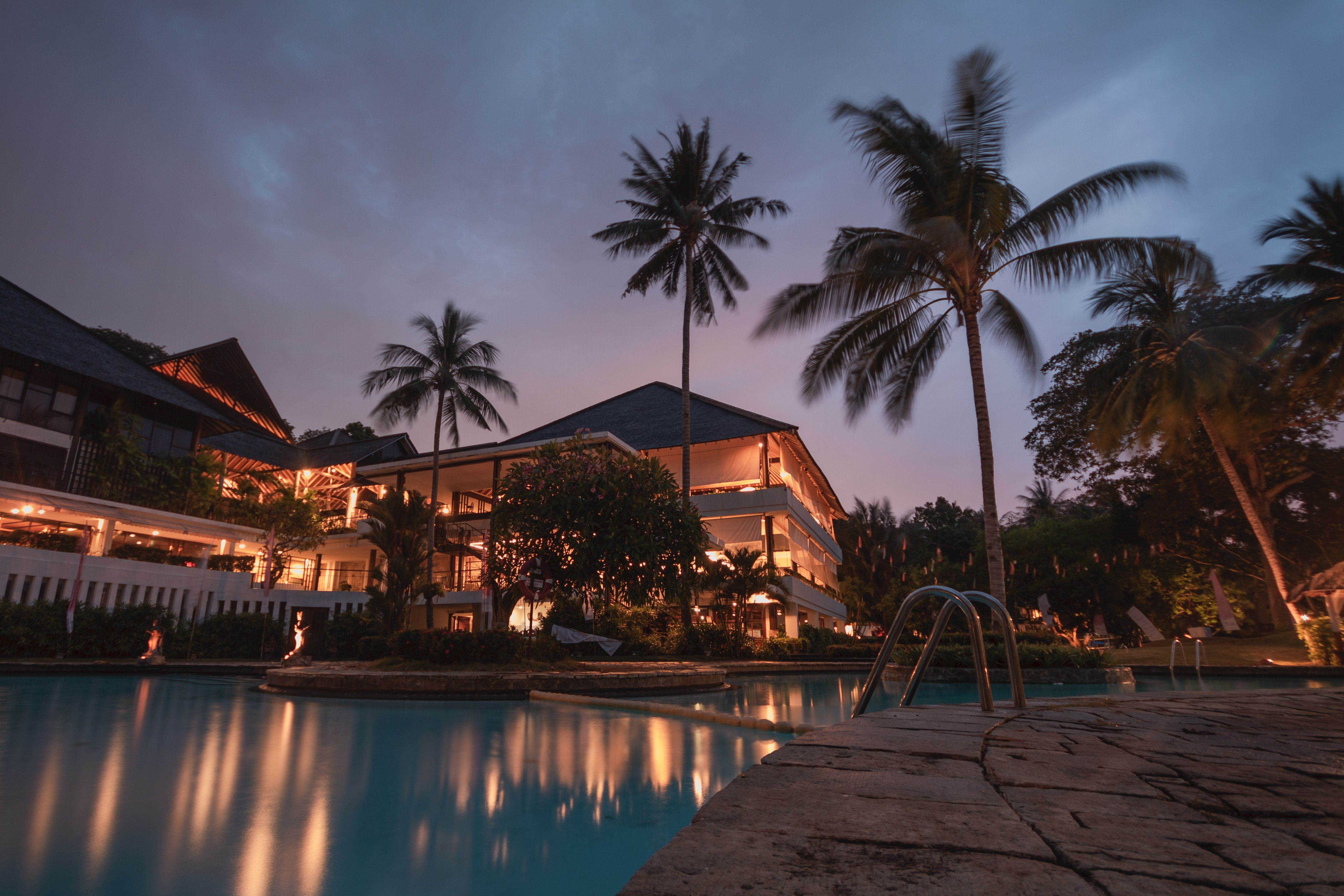
As the day transitions, the visual identity of these sanctuaries shifts in a way that enhances the romantic mood. The golden hour may bring warmth, but the blue hour brings a contemplative depth. When the city lights of a distant town begin to twinkle like fallen stars on the horizon, the sanctuary becomes a cocoon of soft light and deep shadows.
This time of day emphasizes the textures of the environment. The grain of dark teak wood, the shimmer of a still infinity pool, and the soft glow of paper lanterns create a sensory experience that is both intimate and expansive. It is the ideal moment for a slow walk through a private garden, where the fragrance of night-blooming flora fills the air and the world feels small, private, and entirely yours.
The contrast between the vividness of the day and the muted tones of the evening mirrors the emotional journey of a restorative trip. The brightness of exploration gives way to the softness of reflection. This rhythmic shift is essential for couples who use travel as a way to reset their internal clocks and find a shared pace of existence away from the demands of their professional lives.
Curating a Slow Pace of Travel
The modern urban lifestyle is defined by the pursuit of efficiency, but the art of the sanctuary is defined by the celebration of the unnecessary. A slow pace of travel is not about doing nothing, but about doing a few things with absolute presence. It is the luxury of spending an entire afternoon reading in a sun-drenched library or watching the rain fall over a tropical canopy from a sheltered veranda.
Instead of a rigid itinerary, the day is guided by intuition. A morning might begin with a mindful meditation session led by a local practitioner, followed by a stroll through a nearby village where the interactions are genuine and unhurried. The goal is to move through the destination as if time has expanded, allowing the subtle nuances of the location to reveal themselves naturally.
By selecting a premium base that encourages slow exploration, travelers can avoid the exhaustion typically associated with sightseeing. The sanctuary becomes more than just a place to sleep; it becomes the heart of the experience. The journey is no longer about how many landmarks were visited, but about how deeply the atmosphere of the place was absorbed.
For the Romantic and the Restorative Traveler
This style of travel speaks to those who are exhausted by the performative nature of luxury. It attracts the couple who finds more value in a private dinner under a canopy of stars than in a crowded celebrity restaurant. These travelers are seeking a restoration of attention—a way to clear the mental clutter of the digital age and return to a state of simplicity and connection.
The emotional hook of these destinations is the promise of being seen and cared for without the intrusion of formality. There is a gentle, intuitive service that anticipates needs without being overbearing, allowing the guest to feel entirely at ease. This psychological safety is the ultimate luxury, providing the space necessary for romantic reconnection and personal reflection.
Ultimately, the restorative traveler is looking for a destination that echoes their own desire for quietude. They are drawn to the gardens, the terraces, and the hidden corners where they can exist without expectation. The result is a feeling of being profoundly renewed, as if the destination has washed away the stresses of the urban world and replaced them with a lasting sense of calm.
The Staylora Perspective on Asian Sanctuaries
At Staylora, we believe that the most meaningful travel experiences occur when the environment aligns with the traveler’s emotional needs. The search for hidden luxury destinations Asia is not merely a search for a hotel, but a search for a feeling. We view these sanctuaries as catalysts for transformation, where the intersection of heritage, nature, and privacy creates a space for genuine renewal.
The true measure of a premium stay is its ability to inspire a different way of living even after the journey has ended. When a traveler experiences the calm of a well-designed sanctuary, they carry a piece of that stillness back into their daily life. This is the lasting legacy of quiet luxury: it teaches us the value of slow moments and the importance of carving out spaces of peace in a noisy world.
FAQ
How do I find truly hidden luxury destinations Asia?
Finding these secluded spots requires looking beyond the top-ten lists. Focus on heritage properties, boutique villas owned by local families, and destinations that emphasize privacy over publicity. Researching regions known for their nature preserves or cultural heritage, and seeking recommendations from specialized luxury travel consultants, often leads to the most authentic and quiet sanctuaries.
What is the best time of year for a restorative Asian escape?
The ideal timing depends on the specific region, but generally, the shoulder seasons are best. Visiting during the transition between the dry and wet seasons often reveals the landscape at its most lush and vibrant while avoiding the peak crowds. This ensures the atmosphere remains romantic and quiet, allowing for a more intimate experience of the destination.
What defines the quiet luxury style in Asian travel?
Quiet luxury is defined by a shift from ostentation to authenticity. It prioritizes high-quality natural materials, architectural harmony with the environment, and an emphasis on experiential value over material display. In Asia, this often involves incorporating local craftsmanship, mindfulness practices, and an unwavering commitment to privacy and personalized, intuitive service.
Staylora.com may contain affiliate links and third-party booking tools. We may earn a commission from qualifying bookings at no extra cost to you. Hotel prices, availability, policies, and travel information may change without notice. Please verify all important details directly with the booking provider before making any reservation.