
The Arrival and the Hushed North
The transition begins the moment the floatplane descends, the engine’s roar fading into a profound, heavy silence that only the true wilderness can provide. As the aircraft touches down on a glassy lake reflecting the jagged silhouettes of the Alaska Range, the air carries a crisp, resinous scent of ancient spruce and cold stone. There is a specific vibration to this place, a feeling of being at the very edge of the map where the scale of nature renders everything else insignificant.

Stepping onto the dock, the initial shock of the cool breeze is quickly replaced by the sight of a structure that belongs to the land yet elevates it. This is the essence of Alaska luxury wilderness retreats, where the architecture does not compete with the mountains but rather frames them. The arrival is not merely a transit from one point to another, but a psychological shift into a state of intentional presence and quietude.
The mood is one of immediate decompression. The vastness of the horizon encourages a slower pace, and the welcome is understated, focusing on the tactile comfort of a cashmere throw or a glass of something warming. Here, luxury is not defined by opulence, but by the privilege of silence and the meticulous curation of space that allows the spirit to expand alongside the landscape.
Alaska luxury wilderness retreats and the Mood of the Place
To enter a design-led retreat in the Alaskan interior is to witness a dialogue between raw nature and refined human intent. The visual language is characterized by clean architectural lines, often employing a palette of charred cedar, weathered steel, and expansive glass. These elements are chosen to mirror the obsidian tones of the volcanic rock and the silver hues of the glacial rivers that wind through the valley.
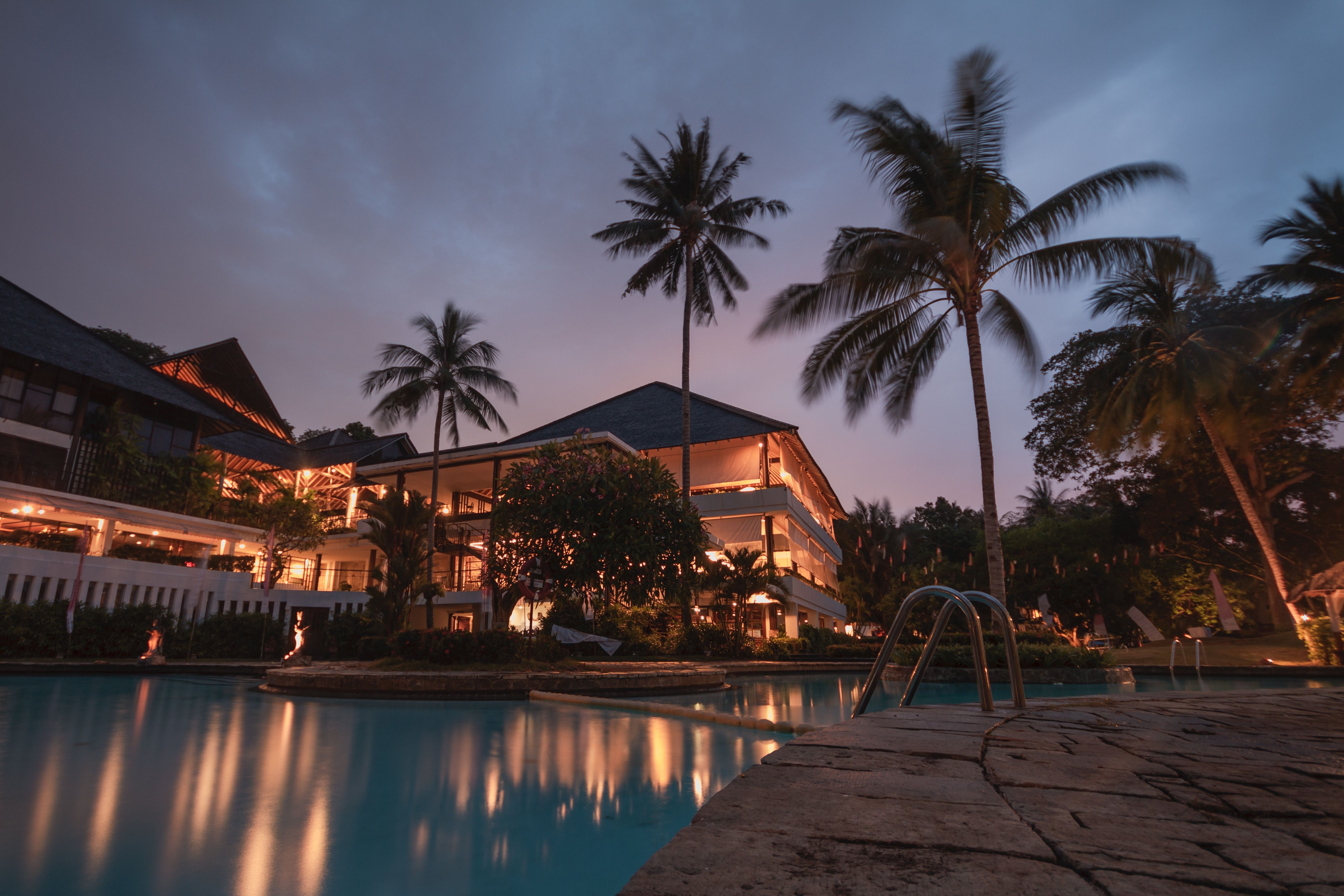
Inside, the atmosphere shifts toward a warmth that feels culturally layered. The interiors lean into the philosophy of understated elegance, utilizing textures that invite touch—heavy linens, hand-knotted wool rugs, and the smooth grain of locally sourced birch. The public spaces are designed as sanctuaries, with sunken lounges and oversized hearths that serve as the heart of the home, drawing guests together in a shared appreciation of the wildness just beyond the glass.
The lighting is carefully considered to complement the unique Alaskan circadian rhythm. During the height of summer, the retreats embrace the ethereal quality of the midnight sun, allowing the interiors to be bathed in a soft, golden luminescence that persists long into the evening. This creates a cinematic quality to the stay, where time seems to stretch and the boundaries between day and night blur into one continuous, serene moment.
The Architecture of Solitude
The allure of these retreats lies in their ability to provide a sense of safety without sacrificing the feeling of exposure to the elements. The design often utilizes cantilevered decks that extend over riverbanks or cliff edges, creating the sensation of floating within the canopy of the forest. This architectural bravery allows guests to experience the raw power of the wilderness from a position of absolute comfort.
Boutique details are found in the quietest corners. A perfectly placed reading nook by a window that frames a single, towering peak; the way a door handle feels heavy and solid in the hand; the subtle integration of Indigenous motifs in the textile choices. These details suggest a deep respect for the heritage of the land, acknowledging that true luxury is found in the intersection of craftsmanship and place.

The layout of these spaces encourages a calm flow. There are no hurried corridors or imposing lobbies. Instead, there are open-concept galleries and intimate alcoves that allow for both social connection and profound isolation. The architecture acts as a filter, stripping away the noise of the modern world and leaving only the essential rhythms of nature and the refined comforts of a curated home.
Capturing the Light of the Last Frontier
There is a particular magic to the long sunny afternoons of the Alaskan summer. The light does not simply fall; it glows, casting long, dramatic shadows across the tundra and illuminating the wildflowers in hues of neon violet and gold. In the context of a luxury retreat, this light is the primary ornament, integrated into the design through floor-to-ceiling windows that erase the barrier between the interior and the exterior.
The romance of shared quiet moments becomes the central theme of the experience. Whether it is watching the mist roll off a mountain peak from a private veranda or sharing a bottle of vintage wine as the sky turns a bruised purple, the focus is on the quality of the presence. The environment demands a slower speed of travel, where the highlight of the day might simply be the way the light hits a specific ridge of granite at four in the afternoon.
This seasonal mood fosters a deep emotional connection to the destination. It is a time for reflection and reconnection, where the absence of digital distraction is replaced by the visual feast of the wild. The luxury here is temporal—the luxury of having nowhere to be and nothing to do but observe the slow dance of light and shadow across a landscape that has remained unchanged for millennia.
A Cultural Dialogue with the Wild
True refinement in the North requires an understanding of the cultural identity of Alaska. The most successful luxury retreats do not simply import a global standard of luxury; they weave the local narrative into the fabric of the guest experience. This is evident in the culinary offerings, where wild-foraged greens, sustainably caught salmon, and hand-harvested berries are presented with a modern, minimalist aesthetic.
The experience focus is shifted toward heritage and local identity. Guests might spend an afternoon learning about the traditional knowledge of the land from local guides, or exploring the subtle influence of Tlingit or Athabascan art in the retreat’s curated gallery. This adds a layer of intellectual depth to the journey, transforming a simple holiday into a study of human resilience and adaptation in one of the world’s most challenging environments.
The pace of travel is intentionally deliberate. Rather than a checklist of sights, the itinerary is composed of selected highlights—a private hike to a hidden waterfall, a curated tasting of Alaskan spirits, or a morning of birdwatching from a silent electric boat. Each activity is designed to deepen the traveler’s relationship with the environment, ensuring that the beauty of the destination is felt rather than just seen.
Who Finds Solace in the North
These retreats speak to the culture seekers—individuals who travel not just for the view, but for the feeling of a place. They are drawn to the understated elegance of a space that doesn’t need to shout to be heard. For this traveler, the attraction is the contrast: the juxtaposition of a high-design interior against the backdrop of a rugged, untamed wilderness.
It is a destination for those seeking a mental reset, where the scale of the mountains provides a necessary perspective on the trivialities of urban life. The appeal lies in the ability to wake up slowly in an atmospheric room, hearing nothing but the distant call of a hawk or the ripple of a nearby stream. It is for the traveler who values a well-placed piece of art as much as a pristine glacial vista.
Ultimately, the draw is the promise of a curated sanctuary. In a world of constant connectivity, the ability to retreat into a space of architectural beauty and natural splendor is the ultimate luxury. It is a journey for those who find inspiration in the margins, the quiet corners, and the raw, unvarnished truth of the natural world.
The Staylora Perspective
From a perspective of elevated travel, the design-led retreats of Alaska represent a shift in how we define luxury in the wild. It is no longer about adding more, but about refining what remains. By stripping away the superfluous and focusing on the relationship between the structure and the site, these retreats create a more profound emotional resonance with the guest.
The value is found in the atmospheric quality of the stay—the way the lodge smells of cedar and rain, the way the linens feel against the skin after a day in the cold, and the way the space encourages a slower, more mindful way of being. These are the elements that linger in the memory long after the journey has ended.
For those planning a venture into the North, the recommendation is to lean into the stillness. Choose the retreats that prioritize architectural integrity and cultural authenticity. Allow the landscape to dictate the pace, and embrace the romance of the shared quiet. In the heart of the Alaskan wilderness, the greatest luxury is the space to simply be.
FAQ
When is the best time to visit Alaska luxury wilderness retreats?
The ideal window is from mid-June to late August, when the long sunny afternoons and the midnight sun provide maximum visibility and accessibility. During this time, the landscapes are in full bloom, and the weather is most conducive to exploring the surrounding wilderness while enjoying the refined comforts of a design-led lodge.
What defines a design-led retreat in Alaska?
A design-led retreat is defined by its architectural harmony with the environment. Instead of generic luxury, it utilizes a specific visual language—such as floor-to-ceiling glass, local timber, and minimalist interiors—to frame the natural beauty of the landscape and provide a sanctuary that feels both sophisticated and grounded in its location.
How do these retreats incorporate local Alaskan culture?
They integrate local identity through curated art, Indigenous-inspired textiles, and a culinary focus on regional, sustainable ingredients. By collaborating with local artisans and guides, these Alaska luxury wilderness retreats ensure that the guest experience is layered with authentic heritage and a deep respect for the land’s original stewards.
Staylora.com may contain affiliate links and third-party booking tools. We may earn a commission from qualifying bookings at no extra cost to you. Hotel prices, availability, policies, and travel information may change without notice. Please verify all important details directly with the booking provider before making any reservation.