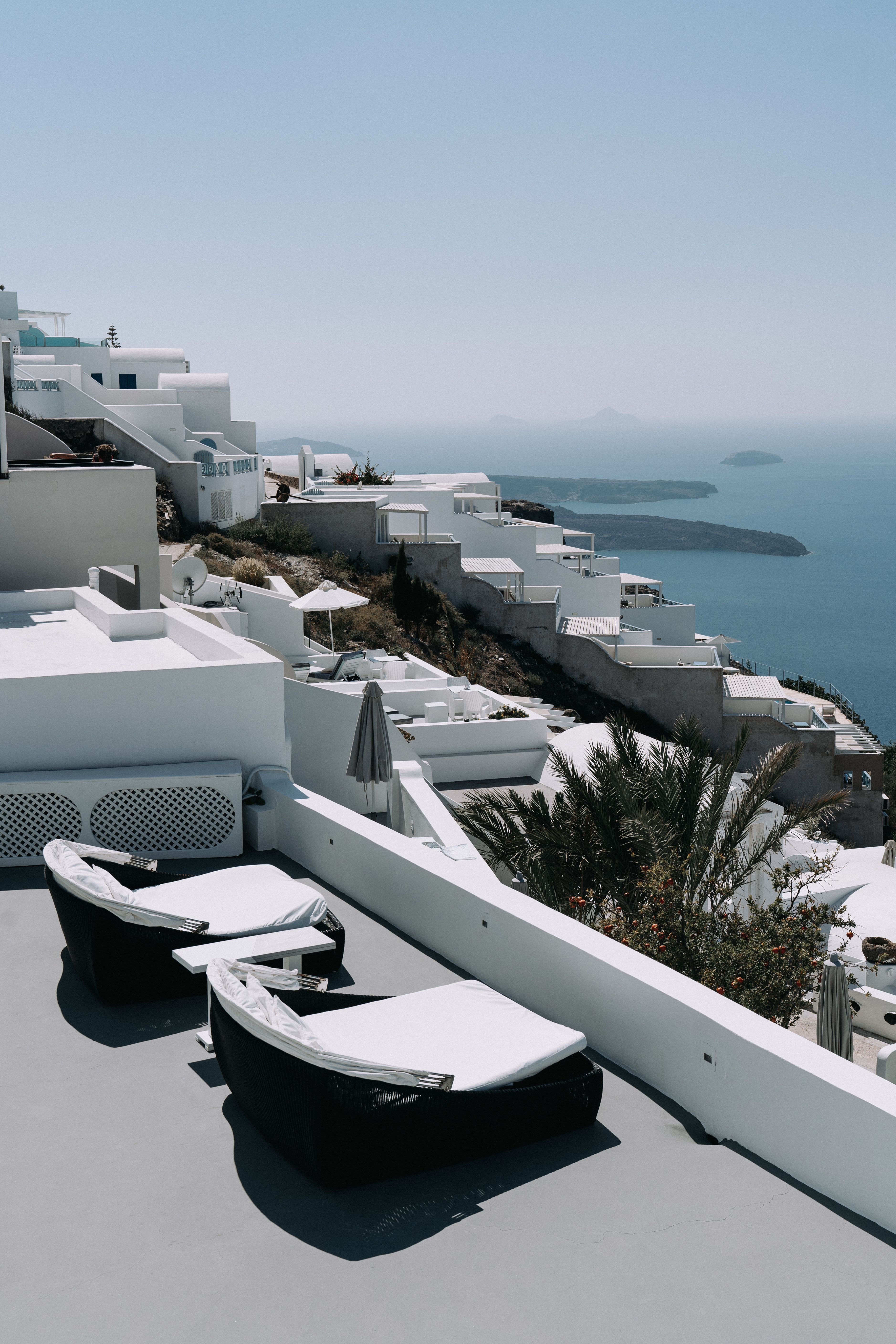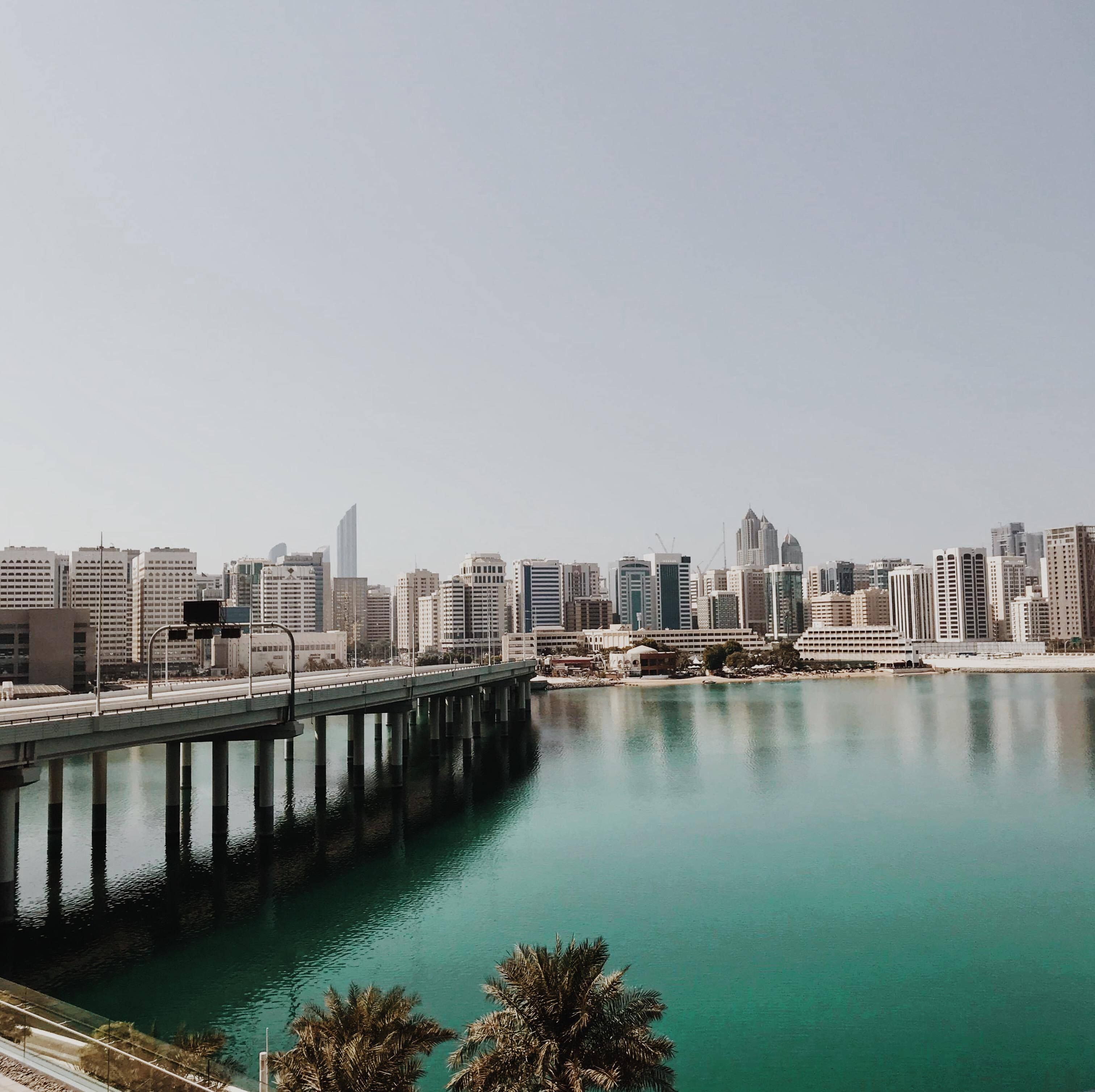
Luxury Shopping Destinations and the Mood of the Place
The pale gold light of a late October afternoon settles over the limestone facades of the Rue du Faubourg Saint-Honoré, casting long, cinematic shadows across the pavement. There is a specific stillness to the air during the shoulder season, a quietude that allows the architecture to speak and the spirit to wander. In these moments, the act of seeking out rare garments becomes less about the purchase and more about the atmosphere. The world’s most refined luxury shopping destinations are not merely clusters of boutiques, but living galleries where style is woven into the very fabric of the city.
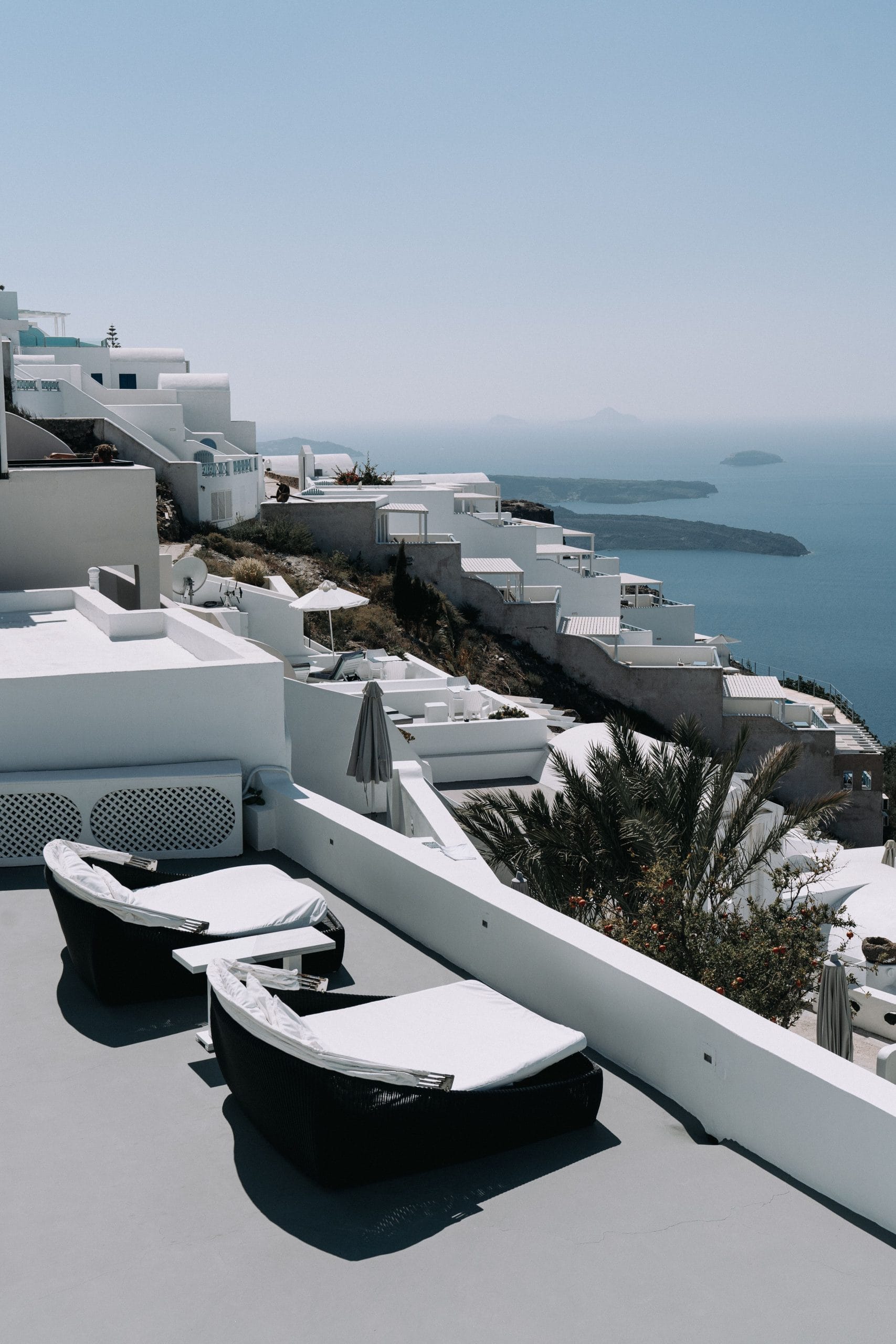
To travel with a sartorial eye is to appreciate the dialogue between a garment and the space it inhabits. It is the way a structured blazer feels in the crisp air of a Parisian autumn or how a flowing silk dress mirrors the fluidity of the Mediterranean coast. When we curate a map of these places, we are not looking for the loudest signs or the most crowded avenues. Instead, we seek the quiet corners where design-led luxury resides, where the entrance to a boutique is a discreet wooden door and the interior smells of cedar and ancient knowledge.
The mood of such places is defined by a sense of anticipation and grace. It is the feeling of a heavy velvet curtain parting to reveal a limited edition collection, or the silence of a private salon where the only sound is the soft snip of shears. This is travel as an art form, where the destination provides the canvas and the curated finds become the memories we carry home.
The Art of Slow Wandering in Fashion Capitals
There is a profound difference between shopping and wandering. The former is a task, while the latter is a romantic pursuit. In cities like Milan or Tokyo, the true essence of refined style is found when one abandons the map and allows curiosity to lead. Imagine a morning spent in the Quadrilatero della Moda, not rushing from one flagship store to another, but pausing to admire the way the morning light hits a marble column or the precise geometry of a storefront window.
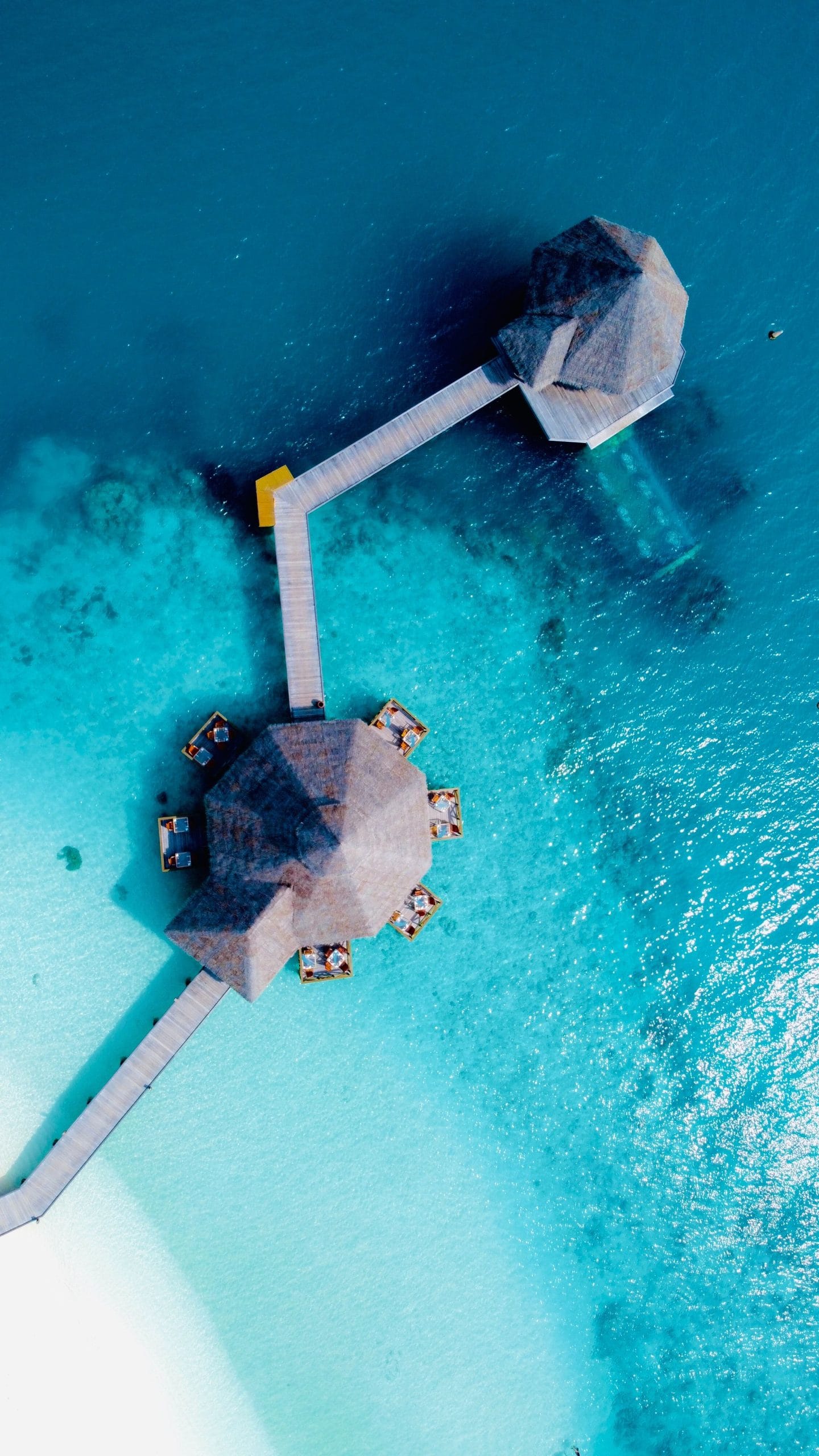
Slow wandering allows the traveler to notice the subtle textures of the city. It is the touch of a cool iron railing, the sight of a perfectly tailored coat disappearing around a cobblestone corner, and the rhythm of a city that understands the value of time. In these spaces, luxury is not defined by price tags, but by the space and silence granted to the observer. The act of drifting through narrow alleys leads to the discovery of independent ateliers where the craftsmanship is ancestral and the pace is deliberate.
This approach to exploration transforms the journey into a refined escape. By removing the urgency, the sensory details emerge. You notice the scent of roasting coffee mingling with the aroma of expensive leather. You feel the weight of the air and the softness of the light. This slow pace ensures that every piece acquired is not just an object, but a souvenir of a specific moment in time, a fragment of the city’s soul captured in fabric and form.
Architectural Lines and Boutique Details
The visual identity of a refined destination is often found in its architectural lines. In the heart of Ginza, the contrast between towering glass monoliths and tucked-away wooden tea houses creates a tension that is inherently stylish. The precision of Japanese design is mirrored in the curation of its boutiques, where negative space is used as effectively as the merchandise itself. A single piece of jewelry resting on a plinth of raw stone speaks louder than a thousand cluttered displays.
Across the globe, the architectural language changes, but the commitment to beauty remains. The Haussmann buildings of Paris, with their wrought-iron balconies and creamy stone, provide a timeless backdrop for the avant-garde. The juxtaposition of a centuries-old facade and a minimalist, white-walled interior creates a sensory bridge between the past and the present. These boutique details—the weight of a brass door handle, the texture of a hand-woven rug, the soft glow of recessed lighting—are what elevate a shopping trip into a cinematic experience.
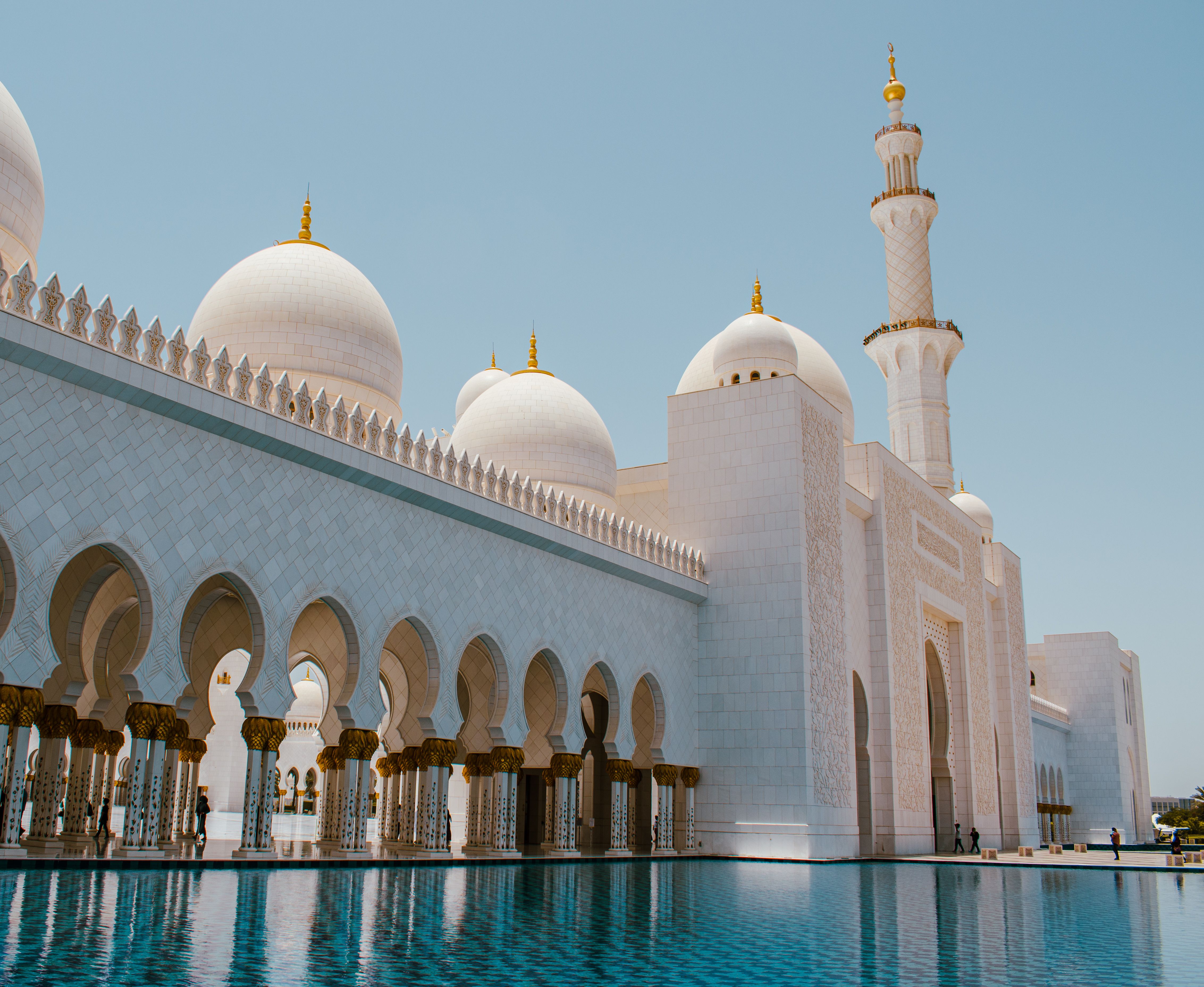
For the design-led traveler, the building is as important as the brand. The way a space is carved out of the city reflects the philosophy of the luxury it houses. When a boutique prioritizes architectural integrity and atmospheric lighting, it invites the visitor to linger. It turns the act of browsing into a meditative practice, where the visual harmony of the surroundings enhances the appreciation of the craftsmanship on display.
Culinary Interludes and Elegant Dining
A journey through style is incomplete without the accompanying flavors of the locale. The relationship between fashion and food is an intimate one, both relying on a balance of texture, presentation, and a deep respect for ingredients. In a refined escape, dining is not a break from the exploration but a continuation of it. A mid-afternoon pause at a historic café, where the chairs are woven rattan and the coffee is served in porcelain of impossible thinness, is a quintessential part of the sartorialist’s ritual.
Imagine a dinner in a quiet courtyard, where the lighting is dim and the conversation is low. The menu is a study in restraint, mirroring the minimalism of the boutiques visited earlier in the day. The taste of a perfectly balanced wine or the crunch of a fresh baguette becomes a sensory anchor, grounding the ethereal experience of luxury in the tangible pleasure of the palate. This is where the local texture is most felt, in the rhythmic clinking of silverware and the soft murmur of a language that sounds like music.
Elegant dining in these destinations is about mood rather than spectacle. It is the choice of a linen tablecloth over a flashy centerpiece, and the preference for a curated, seasonal menu over an exhaustive list of options. These culinary moments provide the necessary breath between discoveries, allowing the traveler to reflect on the day’s finds while immersed in the atmospheric charm of the city’s gastronomic culture.
A Retreat for the Design-Led Traveler
The persona attracted to these destinations is not merely a consumer of luxury, but a curator of life. They are the coastal escape lovers who find beauty in the intersection of nature and artifice, the individuals who prefer a well-chosen book and a perfectly tailored coat to a mountain of trends. For them, travel is about seeking resonance—finding places that reflect their own internal sense of order and beauty.
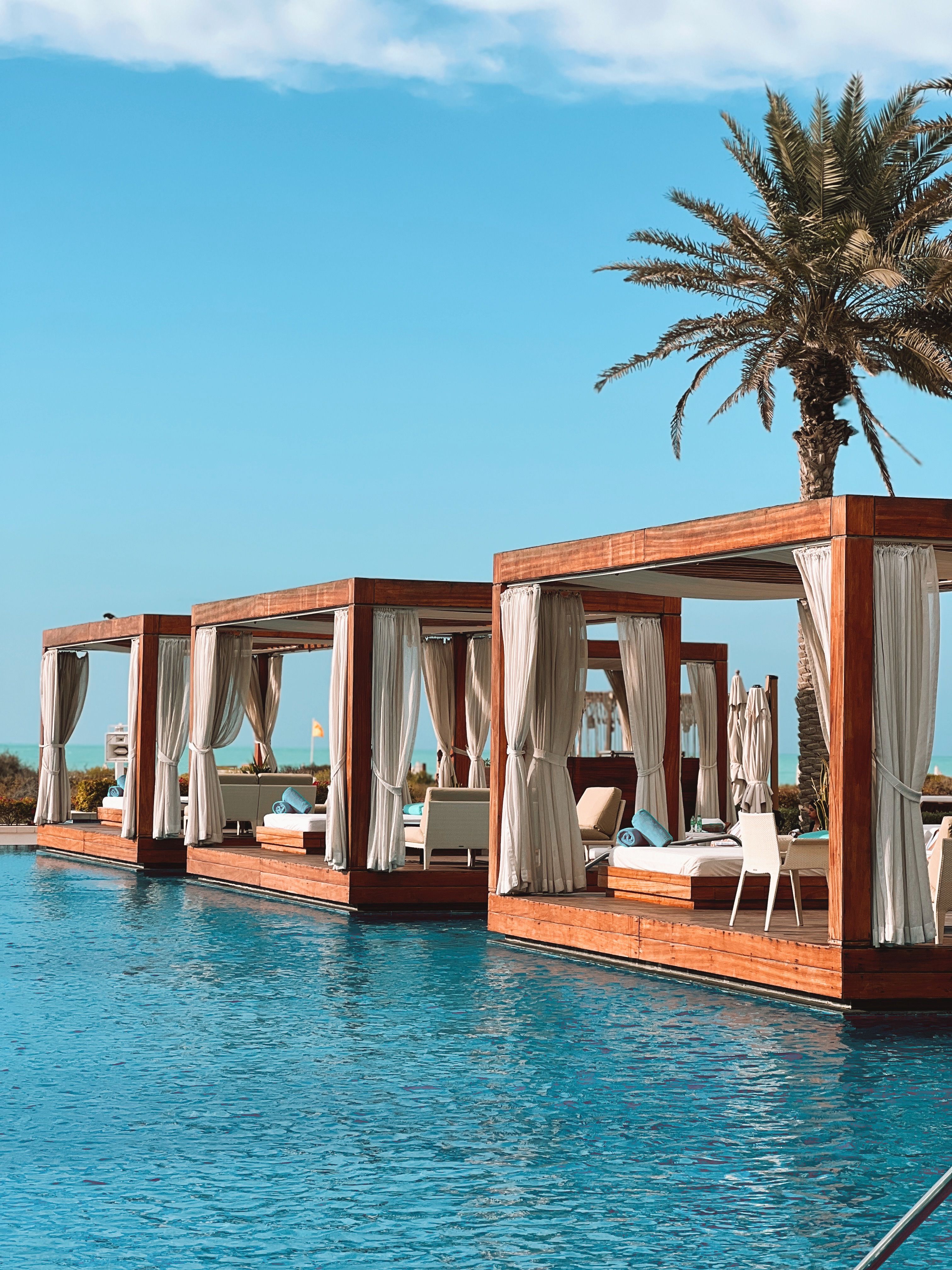
This traveler seeks a calm, retreat-style existence even while in the heart of a metropolis. They value the privacy of a boutique hotel that feels like a residence, where the linens are crisp and the art on the walls is carefully selected. They prefer the shoulder season, when the crowds have thinned and the city returns to its inhabitants. In this quietude, the connection between the traveler and the destination becomes more intimate, and the experience of discovery feels personal rather than performative.
The emotional hook of such a journey is the memory of light and texture. Long after the trip has ended, it is not the specific item purchased that lingers, but the memory of how the light fell across the atelier floor, or the feeling of a cool breeze on a terrace overlooking the city. It is the realization that luxury, at its highest level, is the luxury of time, space, and a refined perspective.
The Staylora Perspective
At Staylora, we believe that the most meaningful travel experiences are those that engage the senses and inspire the soul. A journey to the world’s most evocative luxury shopping destinations is not about the acquisition of goods, but the acquisition of inspiration. We view the city as a curated gallery and the stay as a sanctuary. By choosing retreats that emphasize design and serenity, the traveler can fully immerse themselves in the atmospheric beauty of their surroundings.
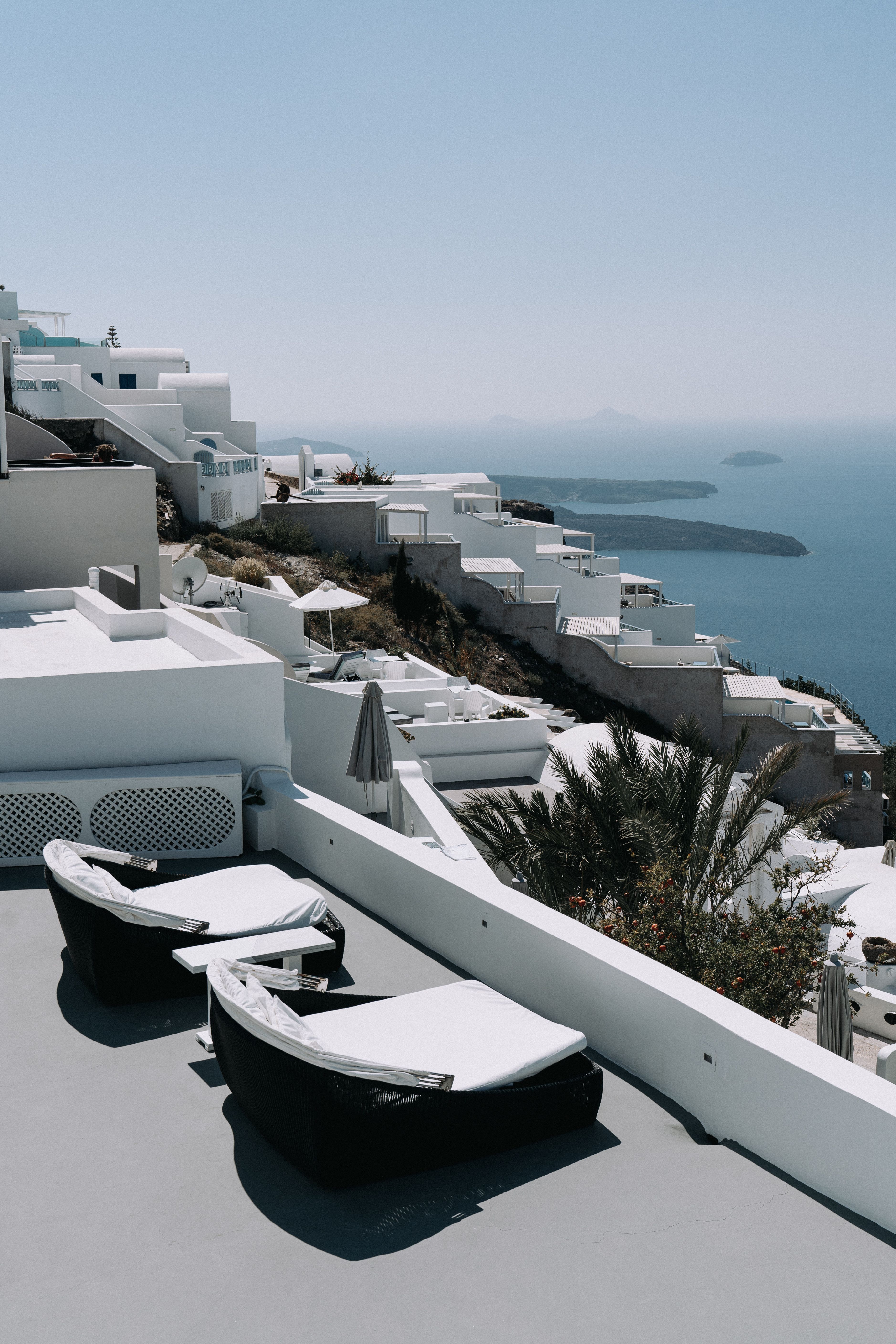
Our perspective is rooted in the belief that luxury should be felt, not shouted. It is found in the quiet corners, the slow walks, and the deliberate choices. Whether it is a hidden suite in a converted palazzo or a minimalist loft overlooking a bustling fashion district, the environment should serve as a calm counterpoint to the stimulation of the city. When the place of rest is as refined as the destination’s style, the travel experience becomes a seamless narrative of elegance.
We encourage the modern traveler to embrace the art of the slow find. To look deeper, to walk further, and to appreciate the silent stories told by the architecture and the artisans. In doing so, the map of the world becomes a map of personal discovery, where every destination is an invitation to refine one’s own sense of beauty and grace.
FAQ
When is the best time to visit luxury shopping destinations?
The shoulder seasons, particularly late spring and early autumn, are ideal. During these periods, the weather is mild, and the crowds are significantly thinner, allowing for a more intimate and slow-paced exploration of the city. The light is often more cinematic, enhancing the architectural beauty of the boutiques and creating a more romantic atmosphere for wandering.
How can one experience a city’s fashion scene slowly?
Avoid strict itineraries and instead designate a specific neighborhood for a whole day. Start with a slow breakfast at a local café, then wander through the side streets away from the main thoroughfares. Prioritize quality over quantity by visiting a few curated ateliers rather than dozen of stores, allowing yourself time to appreciate the craftsmanship and the interior design.
What defines a truly refined shopping experience in these luxury shopping destinations?
A refined experience is defined by the absence of pressure and the presence of atmosphere. It is characterized by personalized attention, a serene environment, and a focus on the story behind the object. When the architectural surroundings, the sensory details, and the quality of the service align, the act of shopping transcends commerce and becomes a form of cultural appreciation.
Staylora.com may contain affiliate links and third-party booking tools. We may earn a commission from qualifying bookings at no extra cost to you. Hotel prices, availability, policies, and travel information may change without notice. Please verify all important details directly with the booking provider before making any reservation.