The Arrival Mood and the Ancient Green
The air in the Daintree carries a weight that is not burdensome, but enveloping, a humid embrace that smells of crushed ferns and salt air. As the road winds deeper into the canopy, the outside world dissolves into a spectrum of emerald, moss, and deep jade. There is a specific moment of arrival here, where the sound of the engine fades and is replaced by the rhythmic pulse of cicadas and the distant call of the cassowary. It is a transition not just of geography, but of tempo.
Finding sanctuary among Daintree rainforest luxury retreats feels like stepping into a living museum of the earth. The architecture here does not seek to dominate the landscape but rather to frame it, acting as a silent observer to the slowest biological clock on the planet. The light filters through the canopy in slanted, golden shafts, creating a cinematic play of shadow and glow that transforms every corridor and terrace into a curated gallery of nature.
For the traveler coming from the frantic rhythm of a metropolis, the silence is the first thing that registers. It is a heavy, meaningful silence that allows the mind to decelerate. The focus shifts from the digital to the tactile, from the urgent to the eternal, as the boundaries between the refined interior and the wild exterior begin to blur.
Daintree Rainforest Luxury Retreats and the Mood of the Place
The mood here is one of intentional stillness. Unlike the high-energy luxury of coastal resorts, the experience within the forest is rooted in quietude and reflection. The design philosophy prevalent in these sanctuaries favors natural materials that age gracefully alongside the jungle, such as reclaimed hardwoods, local stone, and expansive glass that invites the outdoors in.
Every structure is a study in balance. The elevations are often raised on stilts to minimize the footprint on the forest floor, creating a feeling of floating amidst the ferns. This verticality allows guests to experience the rainforest from a new perspective, shifting the gaze from the damp earth to the towering crowns of the ancient trees.
Quiet luxury is not about opulence in the traditional sense, but about the luxury of space, time, and sensory alignment. It is found in the quality of a linen sheet that feels cool against the skin during a tropical afternoon, or the way a private deck captures the precise warmth of the golden hour. The mood is consistently slow, encouraging a wandering spirit and a detachment from the clock.
Where Architecture Meets the Ancient Canopy
The architectural language of these sanctuaries is a dialogue between the organic and the geometric. There is a profound beauty in seeing a sharp, clean line of a modern roof silhouette contrasted against the chaotic, sprawling vines of a thousand-year-old ecosystem. This tension creates a visual energy that is both stimulating and calming.
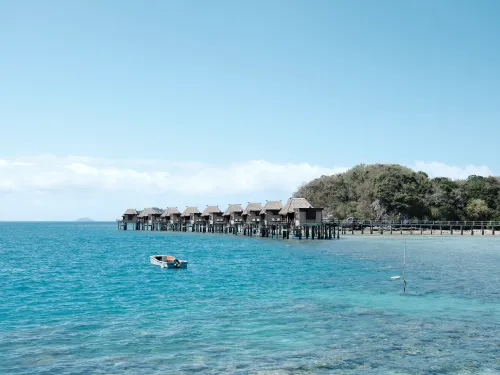
Many of the retreats utilize open-air concepts, removing the barriers between the living room and the jungle. These spaces are designed to catch the cross-breezes that drift in from the Coral Sea, carrying with them a hint of salt that cuts through the richness of the rainforest scent. The use of transparency is key, with floor-to-ceiling glass walls that turn the surrounding greenery into a living wallpaper.
Details are where the refined nature of these stays truly manifests. The integration of local textures, the subtle use of muted earth tones, and the strategic placement of lighting ensure that the architecture never competes with the environment. Instead, the buildings act as lenses, focusing the guest’s attention on the intricate patterns of a leaf or the movement of a bird in the canopy.
The Visual Language of the Tropical North
To wander through this region is to move through a series of layered horizons. In the early morning, a soft mist clings to the valley floors, creating a ghostly, ethereal atmosphere that feels timeless. As the sun climbs, the greens become more vivid, shifting from deep forest hues to a bright, translucent lime where the light hits the new growth.
The visual experience is inherently cinematic. There are moments of sudden clarity, such as a viewpoint that reveals the juxtaposition of the dark green jungle meeting the turquoise expanse of the ocean. These points of contrast are where the emotional impact of the destination is strongest, reminding the traveler of the rare convergence of two World Heritage sites.
Atmospheric light plays a critical role in the experience. The golden hour here is not merely a time of day but a sensory event. The warmth of the light softens the edges of the architecture and ignites the colors of the flora, casting a glow that makes the entire landscape feel like a painted masterpiece. It is during these hours that the slow pace of travel feels most rewarding.
Refined Ways to Experience the Destination
Experiencing the Daintree requires a commitment to slowness. Rather than a checklist of sights, the refined traveler engages in the art of wandering. A slow walk through the forest, guided by the scent of damp earth and the sound of hidden streams, allows for a deeper connection to the land. It is in these unhurried moments that the true character of the rainforest reveals itself.
Selecting a few high-impact highlights ensures the trip remains an escape rather than an itinerary. A private river cruise at dawn, where the water is a perfect mirror for the overhanging branches, provides a perspective of the forest that is entirely different from the land. The movement is fluid and silent, mirroring the calm internal state that the destination fosters.
Culture seekers find value in the intersection of indigenous knowledge and modern conservation. Engaging with the local rhythm means understanding the ancestral connection to the land, recognizing that the forest is not just a backdrop for luxury but a living entity with its own stories and laws. This intellectual layer adds a profound depth to the visual beauty of the region.
Who This Destination Speaks To
This destination is designed for the culture seeker and the design enthusiast who finds luxury in minimalism and meaning. It appeals to those who are exhausted by the noise of urban existence and seek a sanctuary that offers more than just comfort. It is for the traveler who values the texture of a hand-woven rug as much as the view from a balcony.
The appeal lies in the ability to disappear into the green while remaining cocooned in sophistication. It speaks to individuals who appreciate the nuance of architectural integration and who find inspiration in the raw, unfiltered power of nature. These are guests who do not seek entertainment, but rather a space for introspection and sensory realignment.
Ultimately, it is a destination for those who understand that the greatest luxury is the ability to slow down. The attraction is the feeling of being small in the face of an ancient world, yet feeling entirely held and cared for by the refined surroundings of a world-class retreat.
The Staylora Perspective on Refined Escapes
From a design-conscious perspective, the Daintree represents the pinnacle of sustainable luxury. The true achievement of these sanctuaries is their ability to provide an elevated experience without compromising the integrity of the ecosystem. This is the essence of the Staylora philosophy: travel that enriches the soul without depleting the destination.
When we look at these escapes, we see more than just beautiful buildings; we see a commitment to an atmospheric lifestyle. The integration of slow travel principles—where the journey is as significant as the destination—turns a simple holiday into a transformative experience. The focus is on the emotional resonance of the stay, the way a specific light or a specific scent can linger in the memory long after the return to the city.
Choosing a stay in the Daintree is an act of choosing presence over productivity. It is an invitation to trade the screen for the canopy and the schedule for the rhythm of the rainforest. In doing so, the traveler finds a version of luxury that is quiet, grounded, and deeply restorative.
FAQ
When is the best time to visit Daintree rainforest luxury retreats?
The most refined experience is typically found during the dry season from May to October. During these months, the humidity is more manageable, and the golden hour light is particularly crisp, making it ideal for slow wandering and exploring the scenic viewpoints. The weather remains warm and inviting, allowing for a seamless flow between indoor and outdoor living spaces.
What should I pack for a design-focused stay in the rainforest?
Embrace a wardrobe of quiet luxury with breathable, natural fabrics like linen and organic cotton in neutral tones. These materials complement the architectural aesthetic of the retreats and keep you comfortable in the tropical climate. Remember to bring high-quality walking shoes for forest exploration and a light layer for the cooler, mist-filled mornings in the canopy.
How do I balance luxury with sustainable travel in the Daintree?
The best way to achieve this balance is by choosing retreats that prioritize low-impact architecture and support local conservation efforts. Focus on slow travel by visiting fewer locations and spending more time absorbing the atmosphere of each. By engaging with indigenous guides and respecting the forest’s natural rhythms, you ensure your presence supports the preservation of this ancient landscape.
Staylora.com may contain affiliate links and third-party booking tools. We may earn a commission from qualifying bookings at no extra cost to you. Hotel prices, availability, policies, and travel information may change without notice. Please verify all important details directly with the booking provider before making any reservation.