Zanzibar Luxury Coastal Escape and the Mood of the Place
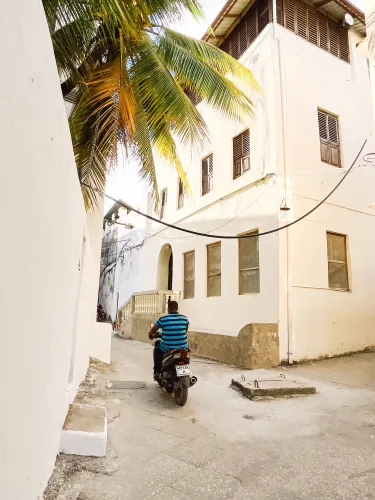
The first encounter with the island is often tactile. It is the rough, porous surface of coral stone walls that have held the heat of the equatorial sun for centuries. It is the intricate, heavy carving of a teak door in Stone Town, smelling faintly of salt and ancient oils. There is a specific rhythm here, a deliberate deceleration that invites the traveler to stop observing and start feeling. The air is thick with the scent of cloves and vanilla, drifting through narrow alleys where the light filters down in soft, cinematic shafts.

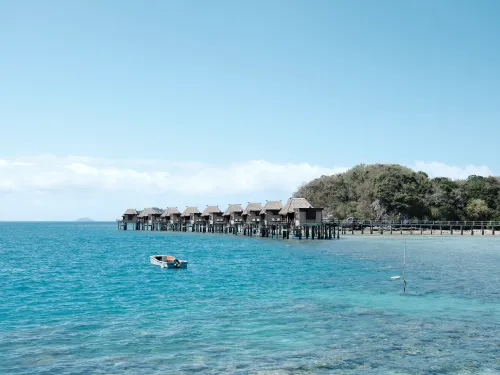
To seek a Zanzibar luxury coastal escape is to embrace a form of travel that values silence over noise and presence over itinerary. It is a destination that does not demand your attention but rather restores it, allowing the mind to settle into the cadence of the tide. The visual palette is one of understated refinement: the bleached white of lime-wash, the muted gold of long sunny afternoons, and the deep, shifting turquoise of the Indian Ocean that frames the horizon.
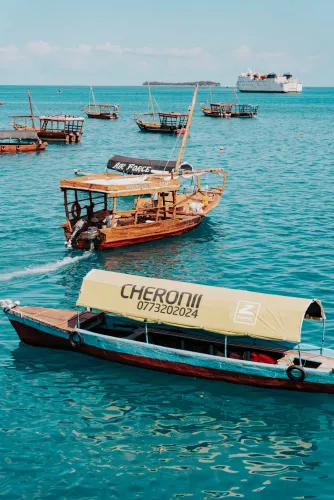
In this environment, luxury is not found in ostentation but in the space between moments. It is the luxury of a morning spent watching the dhows glide across the water, their triangular sails cutting a silent silhouette against a pale blue sky. It is the ability to wander without a map, guided only by the curiosity of a relaxed spirit and the warmth of a local greeting.
The Quiet Allure of Heritage Luxury
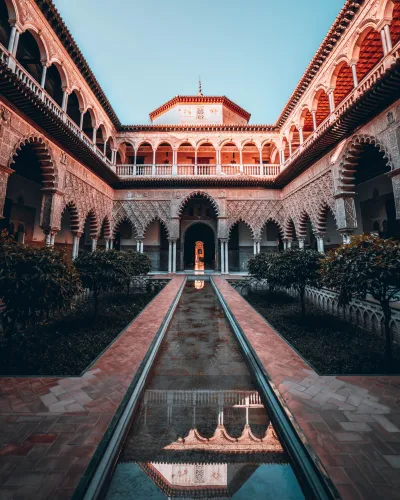
Zanzibar differs from other coastal destinations through its profound sense of history, which is woven into the very fabric of its architecture. Heritage luxury here is not about gold leaf or marble; it is about the authenticity of materials. The use of local limestone and mangrove poles creates a cooling atmosphere that feels organic and grounded. Walking through the storied corridors of the island, one feels a connection to a maritime past that was once the center of the spice trade.
This connection to the past fosters a specific kind of emotional resonance. There is something deeply grounding about staying in a space that honors its origins. The elegance of a high-ceilinged room with linen drapery fluttering in the breeze evokes a timelessness that modern resorts often struggle to replicate. It is a beauty that feels earned, shaped by the elements and the passing of generations.
For the traveler, this means an experience that is more about soul than status. The allure lies in the simplicity of a well-placed armchair in a shaded courtyard or the feel of cool stone tiles under bare feet. It is an invitation to shed the complexities of a fast-paced life and return to a state of elemental luxury, where the most valuable commodity is time.
Tactile Textures and Cinematic Sunsets
The visual identity of the coast is defined by a soft, neutral palette. Imagine a scene composed of cream-colored sands, pale driftwood, and the softest shades of oatmeal and ivory in the textiles. These colors reflect the light in a way that feels calming and expansive. The materials are tactile—heavy linens, woven seagrass, and polished coconut shells—all contributing to a sensory experience that is both rich and understated.
As the day progresses, the mood shifts into something truly cinematic. The long sunny afternoons are a ritual in themselves, where the light turns a deep, honeyed gold, casting long shadows across the white-washed walls. This is the hour of stillness, when the island seems to hold its breath. The transition from the brilliance of the midday sun to the soft hues of twilight creates a natural emotional arc for the day.
The sunsets are not merely sights to be photographed but experiences to be felt. The sky blends from a bruised purple into a burning orange, reflecting off the still waters of the lagoon. In these moments, the scale of the ocean and the vastness of the sky remind the traveler of their own smallness in the most comforting way possible, providing a sense of perspective that is often lost in the noise of urban existence.
Rituals of a Slower Pace
Engaging with Zanzibar requires a shift in perspective. The most refined experiences are often the most mundane. A visit to a local café in the early morning, sipping a strong coffee while observing the rhythmic awakening of the town, offers a glimpse into the heartbeat of the island. These everyday rituals—the haggling over cinnamon sticks in a quiet market or the slow preparation of spiced tea—are where the true essence of the destination resides.
One might spend an entire afternoon in a hidden courtyard, reading a book while the scent of frangipani lingers in the air. There is a profound joy in the lack of urgency. The local pace of travel is relaxed but curious, encouraging the visitor to linger longer at a conversation or take the longer route back to the coast. This is where the art of slow living becomes a practice rather than a concept.
Exploring the spice plantations is another exercise in mindfulness. Rather than a hurried tour, a refined approach involves smelling the raw cloves, touching the rough bark of the cinnamon tree, and understanding the patience required for these plants to thrive. It is a sensory education that connects the traveler to the earth and the heritage of the land, turning a simple activity into a meditative journey.
The Solitary Journey of the Elegant Traveler
While Zanzibar is often framed as a romantic destination, it possesses a unique magnetism for the solo traveler. For those who prefer elegant, solitary journeys, the island offers a sanctuary for introspection. The combination of soft luxury and atmospheric quietude provides the perfect backdrop for a retreat of the mind. There is a particular freedom in navigating these coastal paths alone, allowing one’s own intuition to dictate the flow of the day.
The solo journey here is not about loneliness but about a refined form of solitude. It is the ability to enjoy a candlelit dinner on a private terrace, the sound of the waves as the only soundtrack, or the peace of a sunrise walk along the shore. This independence allows the traveler to absorb the destination’s mood more deeply, without the distraction of companionship.
This persona of the traveler—the curious, the refined, the seeker of calm—finds a mirror in the island’s own disposition. Zanzibar does not demand a performance; it simply asks for presence. The result is a journey that feels less like a vacation and more like a restoration of the self, a process of shedding layers until only the essential remains.
The Staylora Perspective on Coastal Quietude
From the Staylora lens, a Zanzibar luxury coastal escape is defined by the harmony between the built environment and the natural world. We believe that the most elevated stays are those that do not compete with their surroundings but rather enhance them. The ideal mood is one of effortless elegance, where the architecture serves as a frame for the beauty of the Indian Ocean.
The inspiration for such a stay lies in the details: the way a room is positioned to catch the evening breeze, the choice of a neutral color scheme that mimics the shoreline, and the integration of local craftsmanship into the interior design. It is about creating a space that feels like a sanctuary—a place where the boundaries between indoors and outdoors blur, and where the luxury is found in the silence.
By choosing retreats that prioritize atmosphere over artifice, the traveler can fully immerse themselves in the spirit of the island. This approach to travel is not about checking off sights but about cultivating a feeling. It is an invitation to inhabit a space and a mood, allowing the destination to leave a lasting impression on the soul long after the journey has ended.
FAQ
When is the best time for a Zanzibar luxury coastal escape?
The most refined experience is typically found during the dry seasons, from June to October or December to February. During these windows, the weather is consistently warm with clear skies and calm seas, making it the ideal time for long, leisurely afternoons on the beach and effortless exploration of the heritage sites in Stone Town.
What makes Zanzibar different from other coastal destinations?
Unlike generic beach resorts, Zanzibar offers a profound blend of Swahili, Arabic, and Indian influences. This heritage luxury is reflected in the unique coral stone architecture and the aromatic atmosphere of the spice trade, creating a cinematic sense of place that is culturally rich and emotionally evocative, rather than just visually stunning.
How can one experience the local culture in a refined way?
The best way to engage with the local culture is through a slow, curious approach. Instead of crowded tours, spend time in quiet cafés, visit artisanal workshops, and engage in mindful walks through the narrow streets of Stone Town. Prioritizing these small, authentic rituals allows for a deeper, more respectful connection with the island’s people and traditions.
Staylora.com may contain affiliate links and third-party booking tools. We may earn a commission from qualifying bookings at no extra cost to you. Hotel prices, availability, policies, and travel information may change without notice. Please verify all important details directly with the booking provider before making any reservation.