Luxury Literary Hotels and the Art of Slowing Down
The light falls in slanted, golden bars across a herringbone floor, illuminating the fine dust that dances in the stillness of a private library. Outside, the street texture is a composition of weathered cobblestones and ivy-clad limestone, where the distant chime of a cathedral bell marks a time that feels disconnected from the modern rush. There is a specific, grounding silence found in these spaces, a quietude that encourages the mind to wander and the breath to deepen.
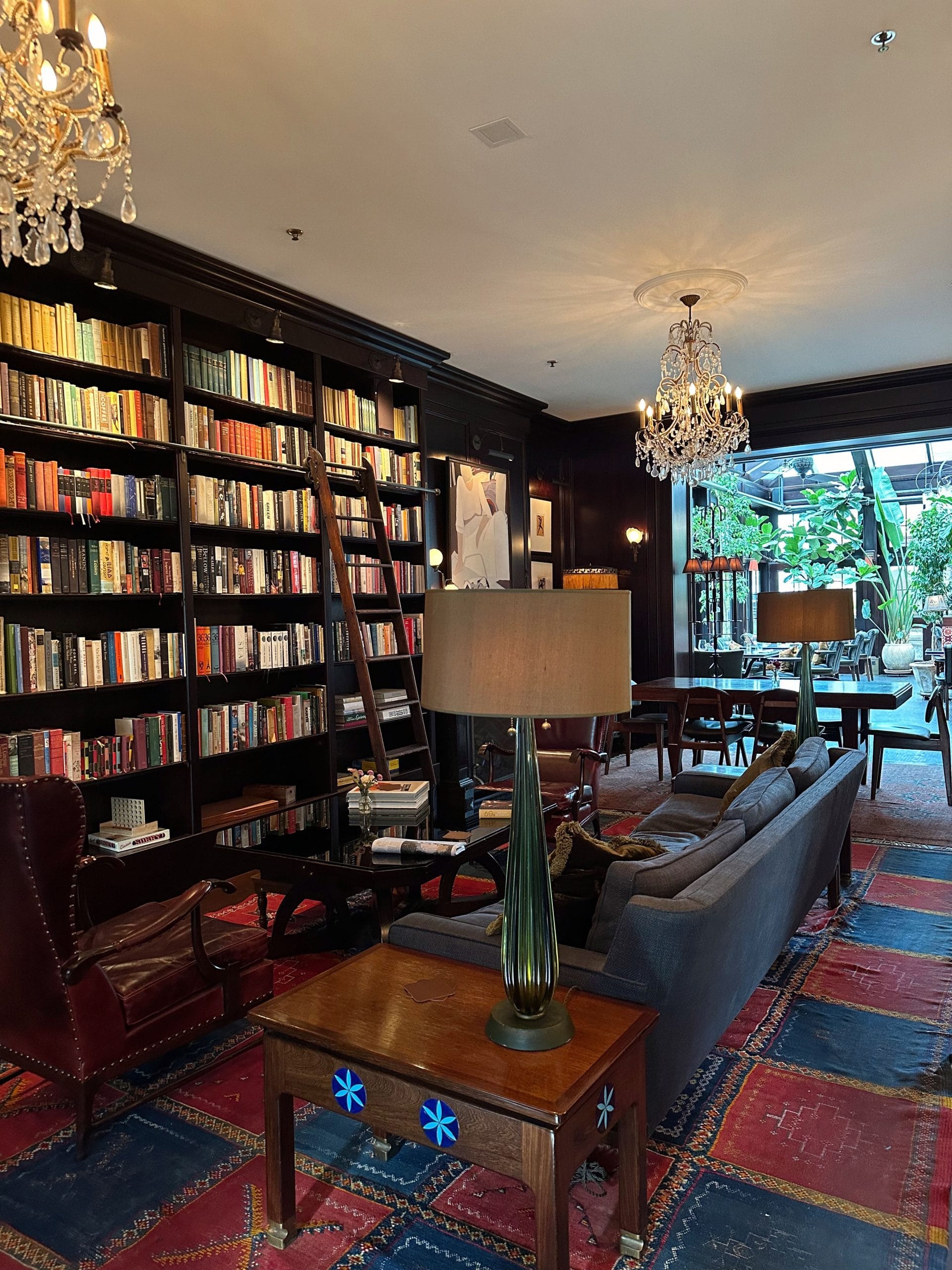
In this sanctuary of ink and opulence, luxury literary hotels provide more than just a place to sleep. They offer a curated environment where the act of reading becomes a ritual and the architecture itself serves as a prologue to a deeper experience. These retreats are designed for those who understand that true luxury is not found in excess, but in the permission to disappear into a narrative for an entire afternoon, undisturbed and utterly at peace.
The emotional pull of such a destination lies in the desire to reclaim one’s attention. In a world of digital fragmentation, the tactile reality of a heavy hardcover book and the scent of aged paper provide a necessary anchor. This is the essence of slow luxury travel, where the itinerary is defined not by landmarks to check off, but by the rhythm of a turning page and the slow cooling of a porcelain cup of tea.
The Architectural Poetry of Narrative Spaces
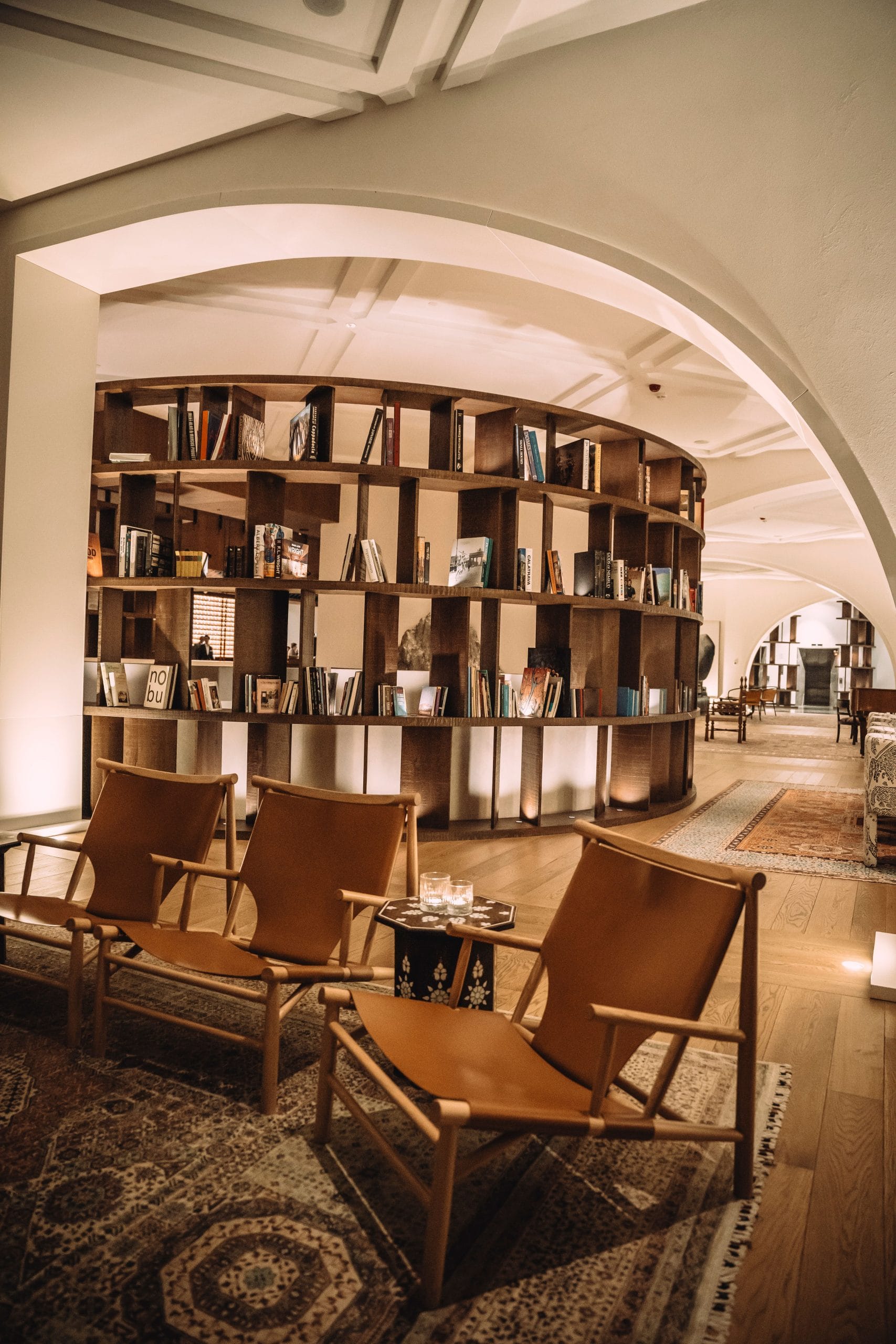
Architecture in these refined escapes often mirrors the structure of a great novel, with layers of history and hidden corners that invite exploration. High ceilings with intricate cornices and sweeping staircases create a sense of verticality and breath, while tucked-away reading nooks provide the intimacy required for deep focus. The design language is one of understated elegance, favoring organic materials like polished walnut, brushed brass, and heavy linens that feel cool to the touch.
The public spaces are choreographed to encourage a certain kind of social grace. Wide corridors lead to salons where the lighting is always soft, mimicking the perpetual glow of a late autumn evening. Every detail, from the weight of the velvet curtains to the placement of a single, perfect vase of lilies, is intended to evoke a sense of timelessness. It is an environment that honors the intellectual pursuit, treating the library not as an amenity, but as the beating heart of the property.
Within these walls, the boundary between the hotel and the surrounding city often blurs. Large, arched windows frame the streetscape like a living painting, allowing the observer to feel connected to the urban pulse while remaining cocooned in a layer of sophisticated silence. This architectural dialogue creates a feeling of secure seclusion, a romantic luxury that allows the guest to be both a witness to the world and a ghost within it.
Savoring the Long Sunny Afternoon
The true magic of a literary escape reveals itself during the long, sun-washed afternoons when the pace of the day slows to a crawl. This is the hour of the refined local moment, where the transition from reading to dining is a seamless, leisurely glide. The food culture here is an extension of the literary mood, focusing on quality, provenance, and a certain poetic simplicity that mirrors the elegance of the surroundings.
Imagine a terrace overlooking a quiet courtyard, where the scent of blooming jasmine mixes with the aroma of freshly roasted coffee. Dining is an atmospheric event, characterized by crisp white tablecloths and the soft clink of silver on bone china. The menu often reflects the region’s heritage, offering dishes that feel grounded and honest, designed to be enjoyed slowly over the course of several hours of conversation and reflection.
The dining mood is one of effortless sophistication. There is no rush to clear the table, no pressure to move on to the next activity. Instead, the experience is about the texture of a perfectly baked tart, the clarity of a chilled glass of local wine, and the way the sunlight shifts across the table as the afternoon fades. It is a culinary experience that feeds the soul as much as the body, grounding the ethereal nature of reading in the sensory reality of taste.
Immersive Wandering through Cultural Textures
Leaving the sanctuary of the hotel, the journey continues through immersive cultural wandering. The goal is not to sightsee, but to absorb the atmospheric essence of the destination. Walking through narrow lanes, discovering a forgotten bookstore with books stacked to the ceiling, or pausing at a small gallery showing local sketches becomes the primary activity. The city is treated as a living library, each street a chapter and each plaza a punctuation mark.
This approach to travel prioritizes the feeling of a place over its fame. It is about noticing the way the light hits a particular facade at four o’clock or the sound of a distant accordion echoing through a stone alleyway. For the lifestyle traveler, these refined moments are the true currency of the trip. The beauty is found in the margins, in the quiet observations and the unplanned detours that lead to a hidden café or a silent church.
The pace is intentionally slow, allowing for a deeper connection with the local environment. This immersive quality transforms a simple trip into a transformative experience. By stepping away from the traditional tourist path, the traveler discovers a version of the destination that is more intimate and authentic, mirroring the deep dive one takes when losing themselves in a complex, beautifully written piece of literature.
Who Finds Solace in the Written Word
These destinations speak to a specific persona: the curator of experiences. This traveler is not seeking the loudest luxury, but the most resonant. They are often food and lifestyle enthusiasts who appreciate the intersection of art, design, and gastronomy. For them, a hotel is not just a base of operations, but a critical component of the aesthetic and emotional journey.
The romantic luxury sought here is not about grand gestures, but about the precision of detail. It is the traveler who finds joy in the weight of a fountain pen, the texture of a handmade journal, and the quiet companionship of a well-curated library. They seek a space where their intellectual curiosity is mirrored in their surroundings, and where the environment encourages a state of contemplative repose.
This persona is drawn to the idea of the slow escape. They are the individuals who would rather spend an entire day in a single neighborhood than visit ten museums in a week. They value the quality of a moment over the quantity of experiences, finding profound satisfaction in the simple act of existing beautifully in a place that honors the slow, the quiet, and the refined.
The Staylora Perspective on Curated Quietude
From the Staylora perspective, the appeal of luxury literary hotels lies in their ability to facilitate a mental reset. In an era of constant connectivity, the most profound luxury is the ability to be unreachable, if only for a few days. These properties act as curated sanctuaries that protect the guest’s peace, providing a physical manifestation of the stillness found between the lines of a poem.
Design-conscious stays are not merely about visual appeal, but about how a space makes one feel. A room that prioritizes natural light, acoustic privacy, and tactile comfort is a room that allows the mind to expand. When a hotel integrates literary heritage into its identity, it elevates the stay from a transaction to a narrative. It invites the guest to become part of a continuing story of elegance and intellectual pursuit.
Ultimately, these refined escapes remind us that travel is most rewarding when it allows us to return to ourselves. By stripping away the noise and focusing on the essential elements of beauty, taste, and thought, these destinations provide a blueprint for a more intentional way of living. They inspire us to carry that sense of slow luxury back into our daily lives, remembering that there is always room for a long sunny afternoon and a good book.
FAQ
What makes a hotel a luxury literary retreat?
A true luxury literary retreat transcends basic amenities by integrating a deep passion for books and narrative into its design. This typically includes an expansive, curated library, reading nooks designed for prolonged focus, and an overall atmosphere of quietude and intellectual elegance. The focus is on creating a sanctuary that encourages slow living and contemplative reading.
How to integrate slow luxury travel into a literary trip?
Integrate slow luxury travel by removing strict schedules and allowing the destination to dictate your pace. Instead of a list of sights, focus on sensory experiences: spend a morning in a local bookshop, enjoy a three-hour lunch at a quiet bistro, and dedicate entire afternoons to reading in your hotel’s library. Prioritize quality over quantity in every interaction.
Where are the best luxury literary hotels located?
The most refined luxury literary hotels are often found in cities with rich intellectual histories, such as Paris, London, Florence, or Kyoto. These locations offer a synergy between the hotel’s internal quietude and the external cultural texture of the city, allowing guests to wander through historic districts and bookstores before retreating to their private, opulent sanctuary.
Staylora.com may contain affiliate links and third-party booking tools. We may earn a commission from qualifying bookings at no extra cost to you. Hotel prices, availability, policies, and travel information may change without notice. Please verify all important details directly with the booking provider before making any reservation.