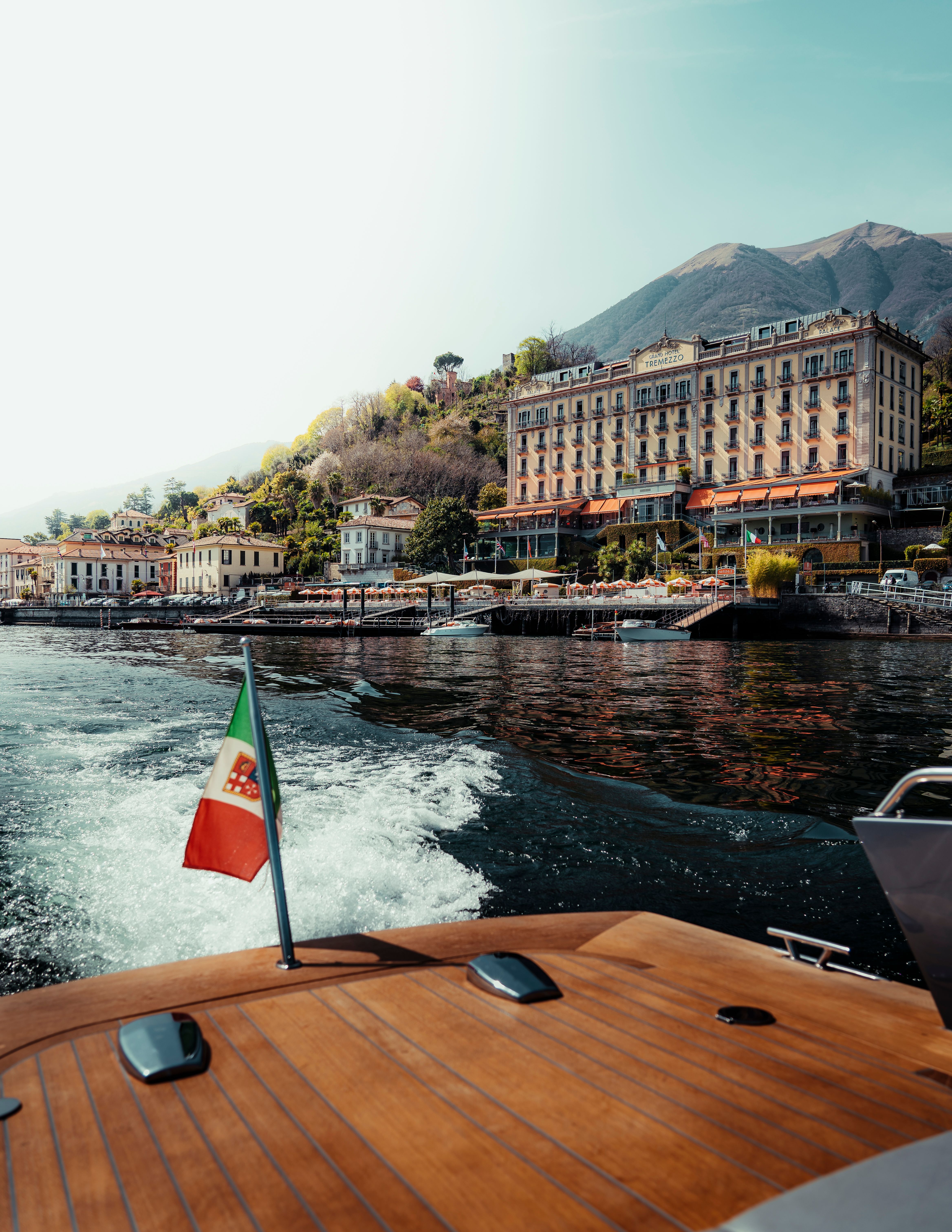
The Arrival of Golden Hour
The air in Mexico City at five o’clock carries a particular weight, a gilded shimmer that softens the edges of the concrete jungle. Arriving in the emerging art districts feels less like entering a metropolis and more like stepping into a living canvas. There is a palpable sense of decompression as the noise of the city fades, replaced by the rustle of jacaranda leaves and the distant hum of a neighborhood waking up to its evening rhythm.
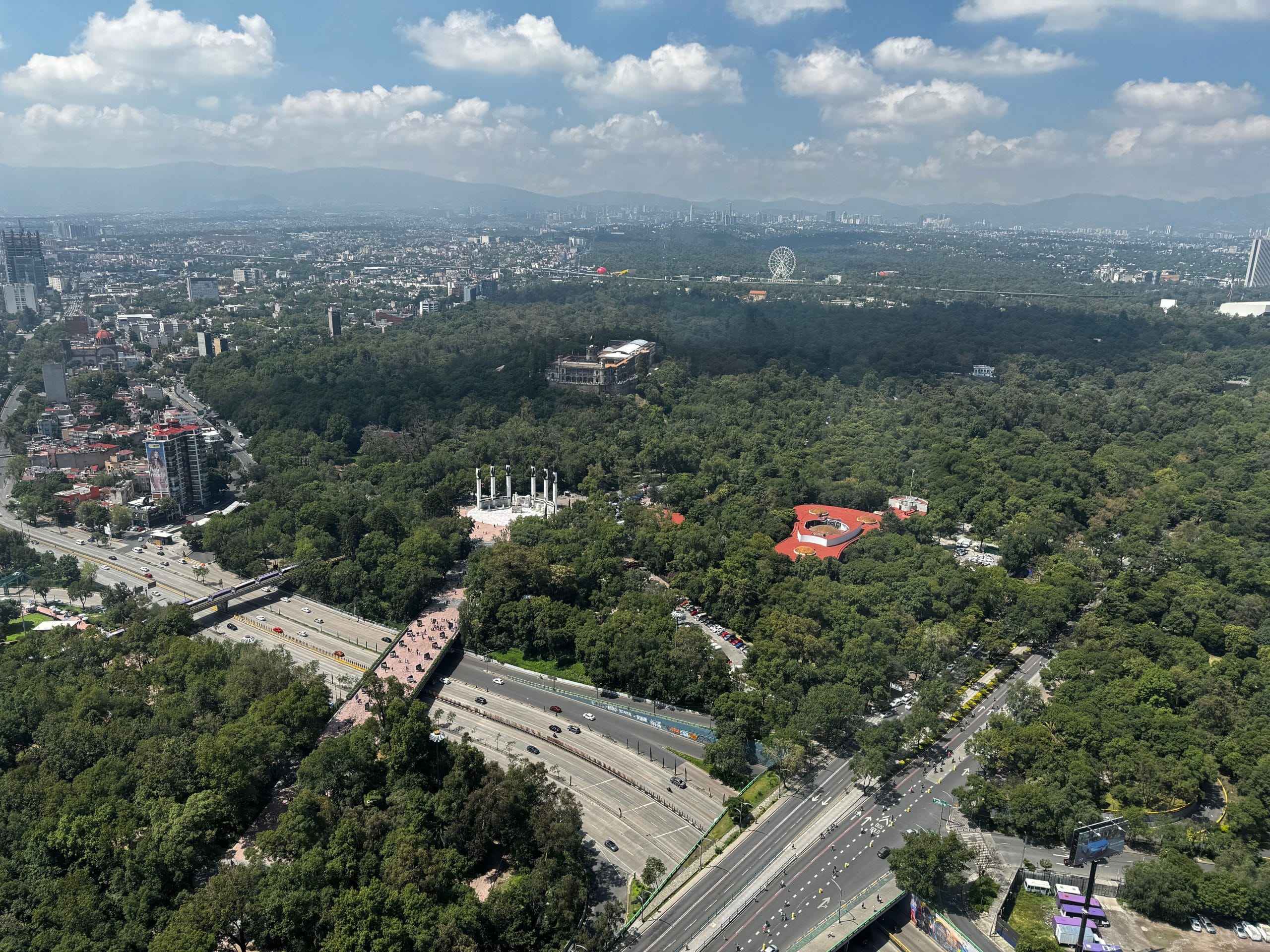
Amidst the sprawling energy of the capital, there exists a quietude found only in the most curated corners. For the traveler who seeks a sanctuary, the selection of Mexico City art hotels offers more than just a place to sleep. These properties provide a lens through which to view the city’s creative pulse, blending the boundaries between residential intimacy and gallery-grade sophistication.
The experience is one of deliberate slowing. It is the pleasure of stepping off a cobblestone street and into a courtyard where the light filters through overhead vines, creating a dappled pattern on limestone floors. Here, luxury is not defined by gold leaf or grandiosity, but by the quality of the silence and the intention behind every design choice.
Mexico City Art Hotels and the Mood of the Place
There is an ethereal quality to the way art is integrated into the hospitality landscape here. Rather than treating art as a mere decoration, these refined stays treat the architecture itself as a medium. The mood is unexpectedly breezy, evoking a sense of open-air freedom that mirrors a coastal retreat, despite being thousands of feet above sea level. High ceilings, oversized windows, and flowing layouts allow the city’s atmospheric light to become a permanent resident of the room.
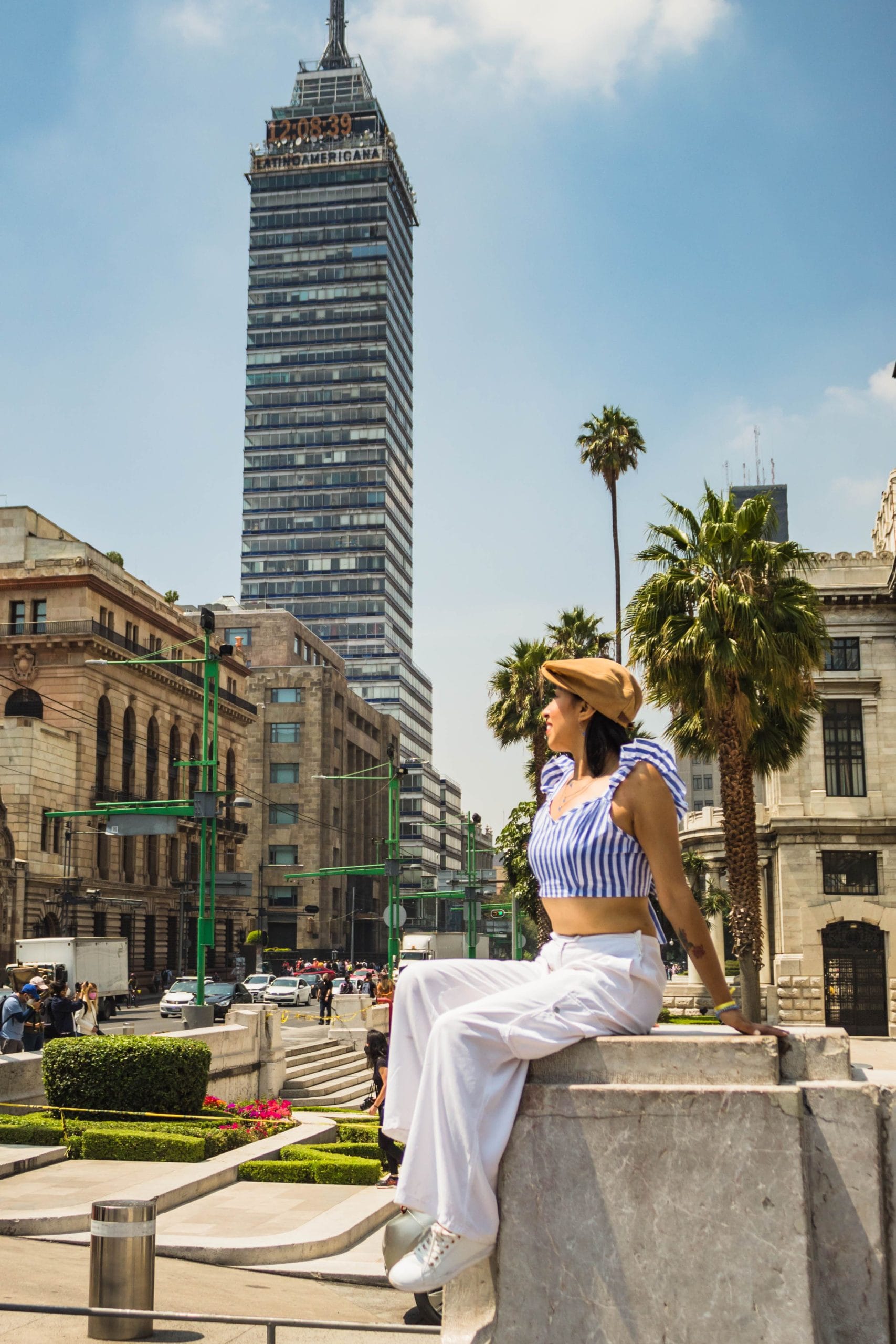
Walking through these spaces, one notices a commitment to tactile luxury. Rough-hewn stone meets polished concrete, and heavy linen drapes frame views of distant volcanoes or hidden gardens. This contrast creates a grounding energy, encouraging guests to linger over a morning coffee or spend an afternoon lost in a book while the world rushes by outside the heavy wooden doors.
The integration of local artistry ensures that the stay feels rooted in the present moment. From hand-woven textiles that tell ancestral stories to contemporary sculptures that challenge the eye, the environment stimulates the mind while calming the spirit. It is a balanced existence where the intellectual excitement of the art world meets the physical need for deep rest.
The Quiet Allure of Emerging Neighborhoods
While the famous districts maintain their charm, the emerging art neighborhoods offer a different kind of luxury—the luxury of discovery. These areas feel like a well-kept secret, where the pace of life is dictated by the opening hours of a small studio or the slow pour of a craft cocktail at a corner bar. The streets are wider, the greenery is more abundant, and the atmosphere is one of relaxed curiosity.
Wandering through these quarters is an exercise in mindfulness. One might stumble upon a hidden gallery tucked inside a colonial manor or a sculpture garden that exists only for those who know which gate to push open. The beauty lies in the lack of a rigid itinerary, allowing the destination to reveal itself in fragments of color and sound.
This neighborhood energy transforms the stay from a simple visit into a lifestyle immersion. Guests find themselves adopting the rhythm of the locals, spending hours in quiet corners of a cafe or strolling through parks where the light turns a deep honey hue as the sun dips. The focus shifts from seeing everything to feeling everything, turning a trip into a series of atmospheric vignettes.
Layered Horizons and Golden Hour Light
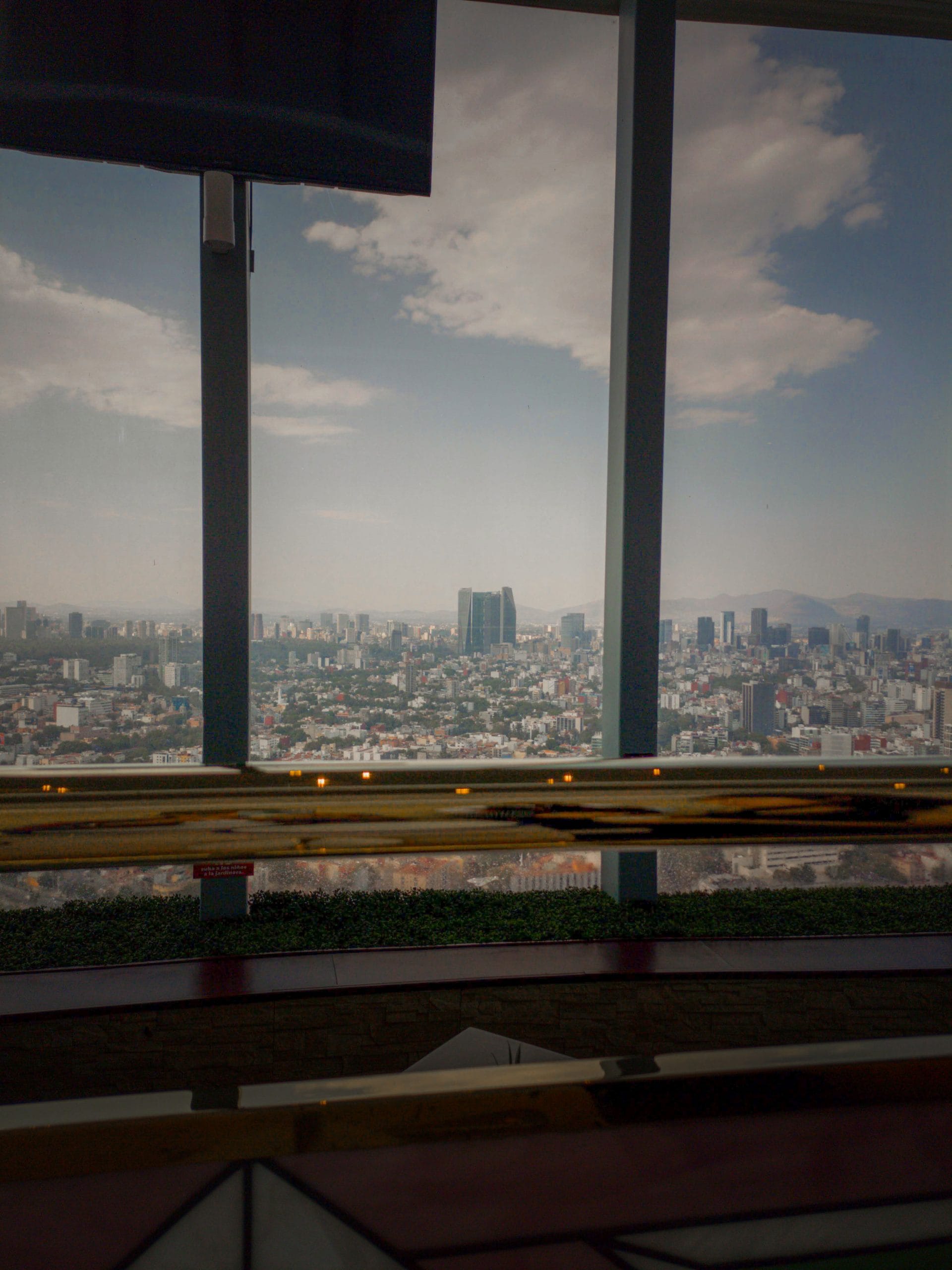
Visual identity in these creative enclaves is defined by layered horizons. From the rooftop terraces, the city reveals itself as a sea of low-rise buildings punctuated by the occasional spire or modern tower, all bathed in a perpetual, soft haze. The cinematic quality of the light during the golden hour is perhaps the most intoxicating element of the experience, turning simple walls into glowing surfaces of ochre and rose.
Inside the retreats, this light is carefully managed to enhance the mood. Sheer curtains flutter in the breeze, casting moving shadows across minimalist furniture. The color palettes are often inspired by the natural landscape—terracotta, sage, and deep indigo—creating a visual harmony that mirrors the gardens outside. It is a cinematic approach to living, where every room feels like a carefully composed shot from a film about slow living.
Textures play a vital role in this sensory experience. The cool touch of a marble countertop, the warmth of a wool rug, and the scent of fresh eucalyptus in the lobby all contribute to a feeling of holistic wellbeing. This attention to detail ensures that the visual beauty is matched by a physical comfort that allows the mind to fully detach from the stresses of the outside world.
Rituals of a Slow Urban Retreat
Embracing the slow travel philosophy in Mexico City means prioritizing the ritual over the destination. A typical morning might begin not with a checklist of museums, but with a slow breakfast on a terrace overlooking a quiet courtyard. The act of watching the city wake up from a position of stillness is a luxury in itself, providing a moment of mental clarity before the day unfolds.
Afternoons are best spent in a state of drift. A walk to a nearby studio, a conversation with a local curator, or a nap in a sun-drenched reading nook becomes the highlight of the day. By removing the pressure of traditional sightseeing, the traveler opens themselves up to the genuine spirit of the neighborhood, discovering the quiet corners that no guidebook mentions.
Evening rituals are equally deliberate. As the light fades, the transition to evening is marked by a shift in atmosphere—low lamplight, a glass of mezcal, and the sound of distant music. The goal is to create a sanctuary that feels entirely separate from the urban chaos, a place where the only requirement is to exist in the present moment and appreciate the beauty of the surroundings.
A Sanctuary for the Discerning Wanderer
This destination speaks to a specific type of traveler—the one who values atmosphere over opulence and authenticity over artifice. It attracts those who find beauty in the patina of an old wall and the silence of a hidden garden. These are guests who view travel as a means of creative replenishment, seeking out environments that inspire them to think, feel, and breathe more deeply.
For the boutique hotel lover, these stays are a masterclass in curated hospitality. The focus is on the personal touch, where the staff understands the nuance of a guest’s needs and the architecture encourages a sense of belonging. It is for the traveler who prefers a small, thoughtfully designed room with a view of a courtyard over a sprawling suite in a corporate tower.
Ultimately, the emotional hook of this experience is the permission to slow down. In a world characterized by constant connectivity and urgency, the ability to wander without rushing is the ultimate luxury. It is the joy of finding a quiet bench under a canopy of trees and realizing that there is nowhere else you need to be.
The Staylora Perspective
From a refined travel perspective, the magic of Mexico City’s art scene lies in its ability to marry the avant-garde with the ancestral. The most successful retreats in the city are those that do not try to erase the urban environment, but rather curate it, filtering the energy of the street through a lens of luxury and calm.
We believe that the true value of a stay is measured by how it changes the guest’s internal state. A well-chosen hotel in an art district does more than provide a bed; it sets the tone for the entire journey. By prioritizing light, space, and artistic integrity, these properties transform a city break into a soulful retreat.
For those planning their next escape, we suggest looking beyond the traditional luxury markers. Look for the properties that mention their gardens, their light, and their connection to the local creative community. These are the places where the spirit of Mexico City truly breathes, and where the art of travel is practiced in its purest form.
FAQ
When is the best time to visit Mexico City for art lovers?
The ideal time to visit is during the spring, particularly March and April, when the jacaranda trees bloom in vibrant purple across the city. The weather is mild and the light is exceptionally soft, making it the perfect season for wandering through art neighborhoods and enjoying the open-air terraces of the most refined stays.
What makes Mexico City art hotels different from standard luxury hotels?
Unlike standard luxury hotels that focus on standardized opulence, Mexico City art hotels emphasize a curated, atmospheric experience. They often integrate local contemporary art, prioritize architectural uniqueness, and focus on creating a residential, boutique feel that connects the guest to the creative energy and cultural identity of the surrounding neighborhood.
How can I experience the art scene in Mexico City without feeling rushed?
The key is to embrace the concept of the flâneur—the art of aimless strolling. Instead of visiting every major museum, choose one neighborhood per day and explore its small galleries, independent bookstores, and quiet plazas. This slow approach allows you to absorb the destination’s mood and discover hidden gems naturally.
Staylora.com may contain affiliate links and third-party booking tools. We may earn a commission from qualifying bookings at no extra cost to you. Hotel prices, availability, policies, and travel information may change without notice. Please verify all important details directly with the booking provider before making any reservation.