Luxury Slow Travel and the Mood of Stillness
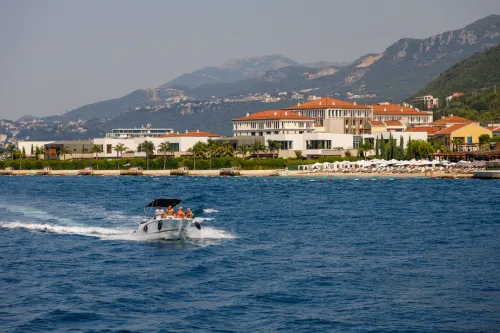
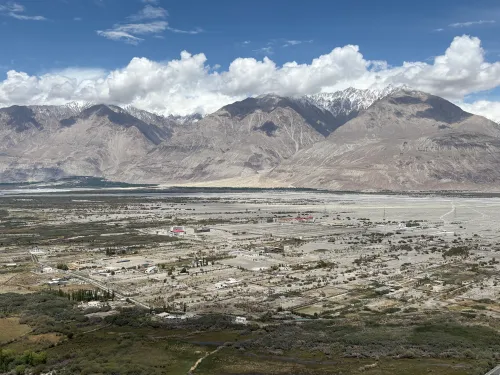
The light arrives first, a pale amber wash that clings to the edges of weathered limestone walls and softens the horizon where the sea meets the sky. In these quiet corners of the world, time does not march forward with the usual urgency of modern life. Instead, it lingers, stretching out like a long shadow across a terracotta courtyard. This is the atmosphere where the philosophy of luxury slow travel finds its true expression, moving away from the checklist of sights and toward a deeper immersion in the present moment.
For the discerning voyager, the appeal lies not in the accumulation of experiences but in the quality of a single, prolonged observation. It is the act of watching the tide retreat from a private cove or spending an entire afternoon tracing the patterns of light on a plastered ceiling. This approach to journeying is a conscious choice to prioritize the rhythm of the heart over the ticking of a clock, allowing the destination to reveal its secrets only to those who are willing to wait.
The emotional core of this experience is the restoration of attention. In a world of constant digital noise, these sanctuaries offer a rare silence that is not empty, but full of texture. The air carries the scent of salt and wild rosemary, and the only schedule is the movement of the sun. By slowing the pace, the traveler moves from being a spectator to becoming a part of the landscape, finding a sense of belonging in the stillness.
The Allure of Sun-Washed Sanctuaries
There is a specific psychological calm that accompanies destinations characterized by warm stone and calm water. Whether it is the bleached whites of the Cyclades, the honey-hued cliffs of the Amalfi Coast, or the pale gold of the Provençal countryside, these palettes evoke a sense of timelessness. The visual harmony of the environment encourages a mirroring effect within the traveler, easing the tension of the mind and opening the senses to subtle nuances.
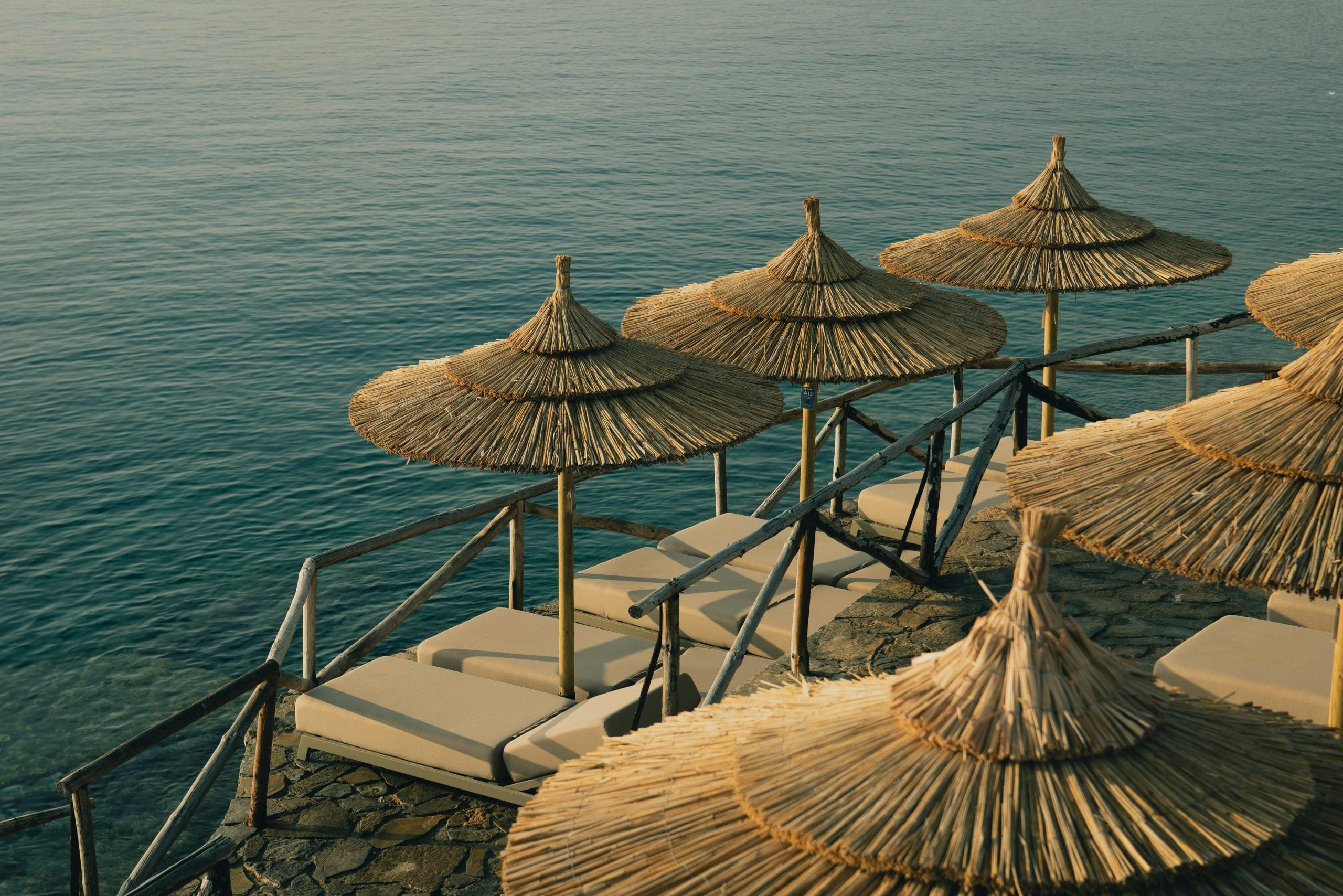
These sanctuaries are often defined by their architecture, which serves as a bridge between the natural world and human comfort. High ceilings, open archways, and cool stone floors are not merely design choices but functional elements that invite the outdoors inside. The breeze moves freely through the rooms, carrying the distant sound of bells or the rhythmic lap of waves against a pier, creating a sensory loop that grounds the visitor in the physical reality of the place.
Unlike the frenetic energy of major capitals, these escapes operate on a different frequency. The luxury here is not found in gold leaf or grandiosity, but in the availability of space and silence. It is the luxury of an empty beach at dawn or a private garden where the only company is the hum of a honeybee. This understated elegance creates a sanctuary for the spirit, providing a safe harbor for reflection and creative renewal.
Textures of Golden Hour and Warm Stone
The tactile experience of a refined escape is what lingers longest in the memory. It is the feeling of cool linen against the skin on a humid afternoon, the grain of ancient oak beneath the fingertips, and the warmth of sun-baked stone under bare feet. These textures provide a physical anchor, reminding the traveler that they are present in a place with a deep, layered history.
Golden hour in these destinations is not just a time of day, but a transformative event. As the sun dips toward the horizon, the world is bathed in a liquid light that turns ordinary walls into canvases of gold and ochre. This is the moment when the destination feels most intimate, and the boundaries between the self and the surroundings seem to blur. It is the ideal time for a slow walk through a cobblestone village, where the shadows lengthen and the air turns crisp.
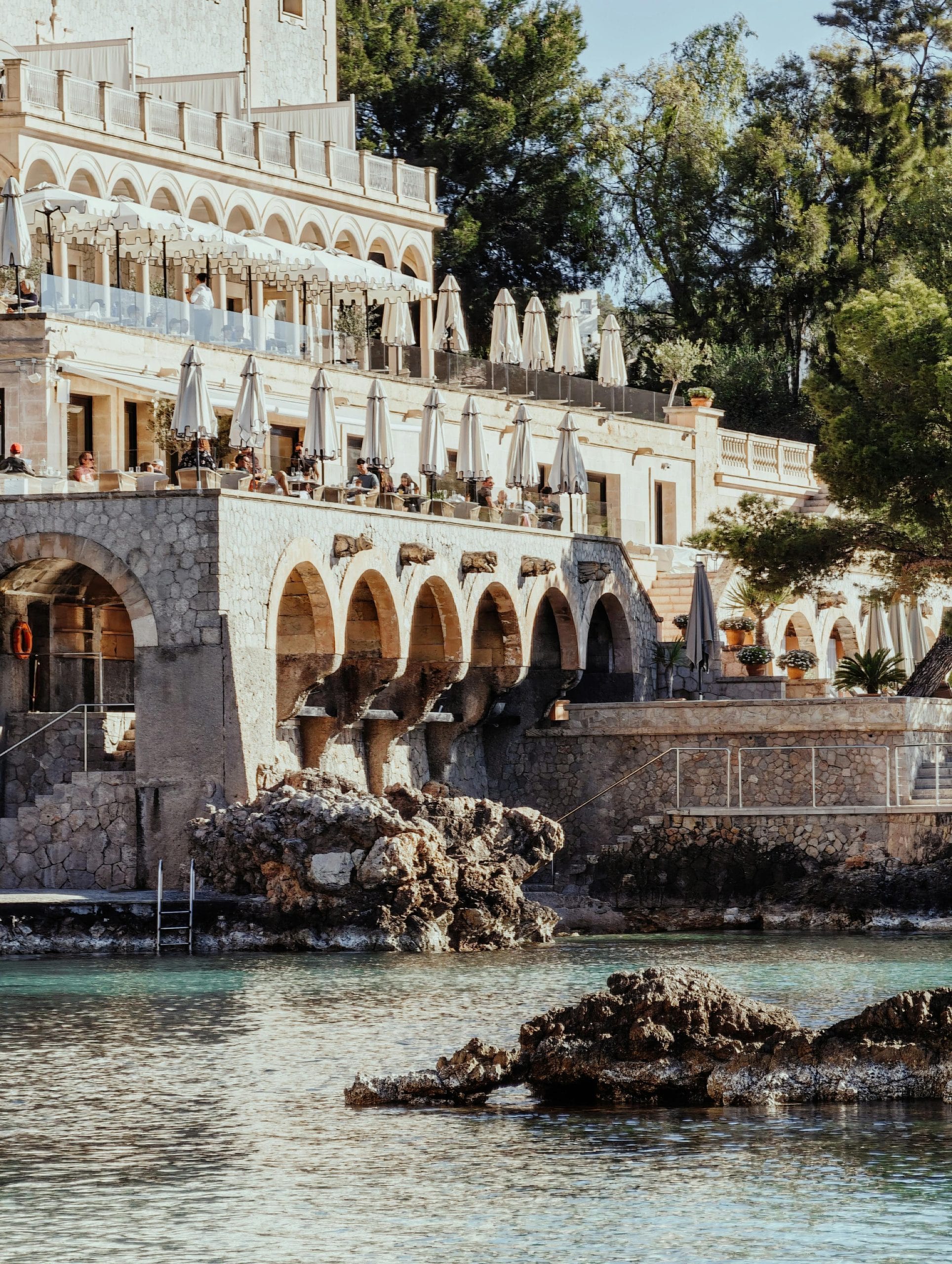
Visual language in these spaces is curated by nature and time. The weathered patina of a copper door handle or the soft erosion of a stone staircase tells a story of endurance and grace. By focusing on these small, quiet details, the traveler discovers a form of beauty that cannot be manufactured. It is a beauty born of patience, mirroring the very essence of the slow travel movement.
Refined Rhythms of Local Gastronomy
Dining in a slow travel sanctuary is an act of devotion rather than a necessity. The focus shifts from the menu to the mood, where the act of eating becomes a centerpiece of the day. Elegant dining in these regions is characterized by a profound respect for the ingredient and a refusal to rush the process. A lunch that begins at one and ends at four is not an indulgence, but a way of honoring the local culture.
The food culture is often a reflection of the landscape. Freshly pressed olive oil, sun-ripened tomatoes, and seafood caught only hours prior are served on simple ceramic plates, emphasizing the purity of the flavors. The mood is one of effortless sophistication, where a glass of chilled local wine and a piece of artisanal bread are enough to create a moment of absolute contentment.
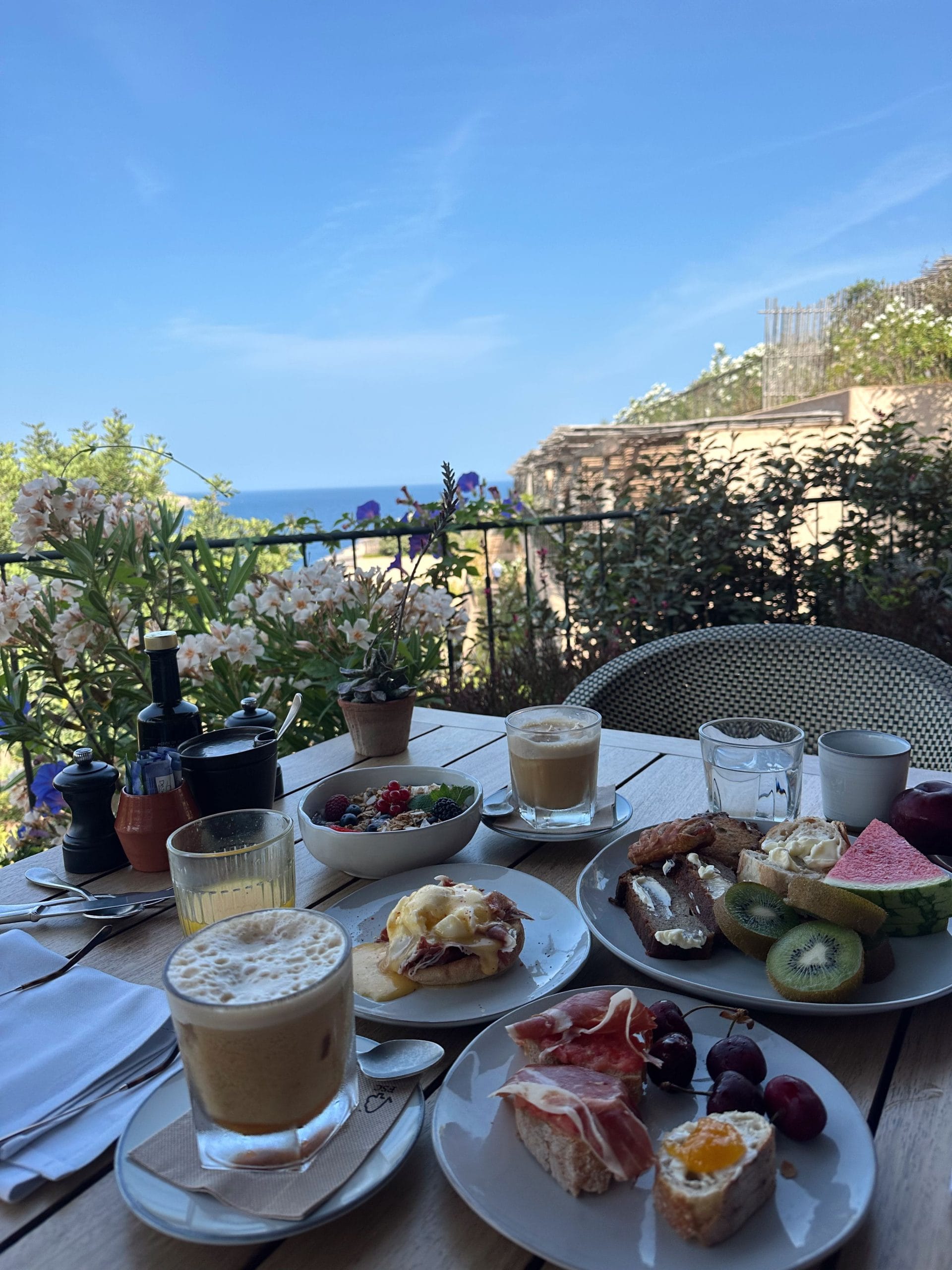
There is a specific joy in the ritual of the meal, from the slow pour of a vintage red to the lingering conversation over a small plate of almond cakes. The setting—perhaps a terrace overlooking a sleeping valley or a shaded pergola draped in bougainvillea—enhances the sensory experience. Here, gastronomy is not about the novelty of the dish, but about the connection between the earth, the producer, and the guest.
The Solo Voyager and the Art of Solitude
For the solo traveler, these elegant journeys offer a rare opportunity for a romantic encounter with the self. The absence of a companion allows for a heightened sensitivity to the surroundings and a freedom to follow one’s own curiosity without compromise. Solitude in a refined setting is not about loneliness, but about the luxury of autonomy and the peace of one’s own thoughts.
The solo voyager finds pleasure in the small rituals of the day, such as reading a book in a sun-drenched nook or sketching the silhouette of a distant hill. These moments of solitude are where the most profound realizations occur, as the quiet of the destination clears the mental clutter of everyday life. The elegance of the journey is found in the ability to be entirely present with oneself in a place of immense beauty.
This traveler is drawn to destinations that offer soft luxury—places that provide comfort and grace without demanding attention. They seek stays that feel like a private home rather than a hotel, where the service is intuitive and discreet. In these spaces, the solo voyager is not a guest in a commercial establishment, but a resident of a dream, allowed to move at their own pace through a landscape of peace.
The Staylora Perspective on Soft Luxury
True elegance is found in the absence of the unnecessary. At Staylora, we believe that the most elevated travel experiences are those that strip away the superficial to reveal the essential. Soft luxury is not about the number of stars a property holds, but about the feeling it evokes. It is the difference between a gilded lobby and a courtyard that smells of jasmine and ancient rain.
The sanctuaries we envision are those that integrate seamlessly into their environment, respecting the local architecture and the natural flow of the land. A boutique stay should be a whisper, not a shout, providing a backdrop of comfort that allows the destination to remain the protagonist. When the accommodation reflects the mood of the destination, the transition from the room to the street becomes an extension of the same peaceful journey.
Choosing such a place is an investment in one’s own well-being. It is a recognition that the most valuable commodity in the modern age is not wealth or status, but the ability to be still. By aligning our stays with the cadence of luxury slow travel, we create a space where the voyager can truly exhale and rediscover a sense of internal balance.
FAQ
What defines the essence of luxury slow travel?
It is a mindful approach to journeying that prioritizes quality over quantity. Instead of visiting multiple cities or attractions, the traveler stays in one place longer, focusing on the sensory details, local rhythms, and emotional resonance of the destination. It emphasizes understated elegance, restorative silence, and a deep connection to the local environment and culture.
When is the best time to visit sun-washed sanctuaries?
While these destinations offer a refined escape year-round, the shoulder seasons of spring and autumn are often most magical. During these times, the light is softer, the crowds are thinner, and the temperature is ideal for slow explorations. This allows the traveler to experience the destination’s natural mood without the intensity of the peak summer heat.
How do I find boutique stays that offer understated elegance?
Look for properties that emphasize architectural harmony, local materials, and a philosophy of discretion. The best sanctuaries often avoid generic luxury branding and instead focus on unique, atmospheric details. Prioritize stays that offer a sense of place, such as converted villas or small heritage estates, where the service is intuitive and the environment promotes a feeling of calm.
Staylora.com may contain affiliate links and third-party booking tools. We may earn a commission from qualifying bookings at no extra cost to you. Hotel prices, availability, policies, and travel information may change without notice. Please verify all important details directly with the booking provider before making any reservation.