Singapore Heritage Luxury Hotels at a Glance
Singapore is a city where the future arrives early, yet its soul remains anchored in the layered histories of the colonial era and the vibrant Peranakan culture. For those who value architectural narrative and intentional design, the act of choosing a place to stay is the first step in curating the entire experience. Finding the right balance among Singapore heritage luxury hotels allows a traveler to step out of the modern rush and into a slower, more considered rhythm.
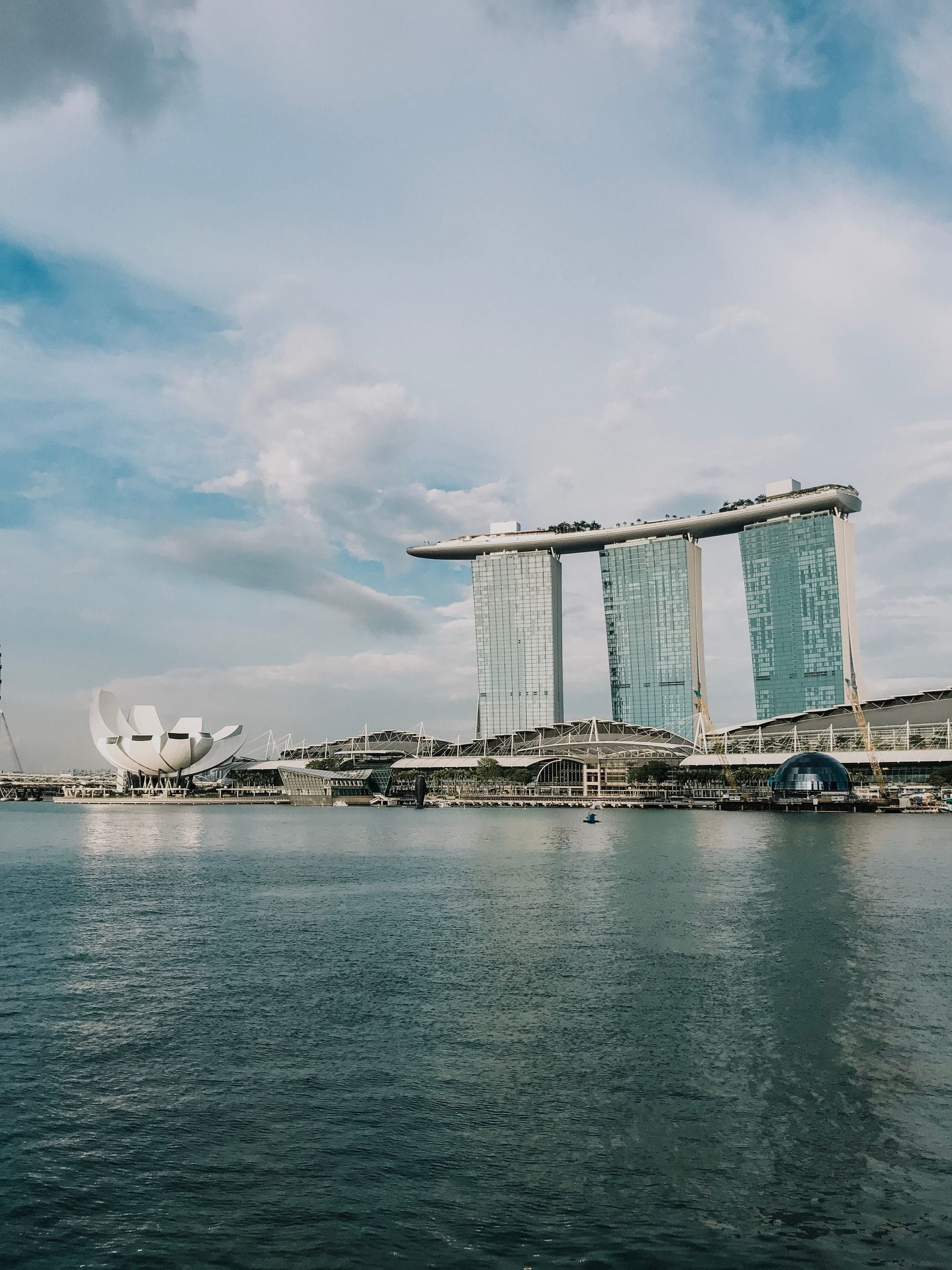
These properties are more than just places to sleep; they are living museums that bridge the gap between the island’s trading port origins and its status as a global metropolis. From the sweeping verandas of colonial estates to the intricate tile-work of restored shophouses, the heritage luxury scene offers a tactile connection to the past. The appeal lies in the contrast between the sleek skyline and the shaded, quiet courtyards of the city’s historic quarters.
For the design-conscious visitor, the luxury here is found in the details. It is the weight of a brass key, the height of a tropical ceiling, and the way natural light filters through traditional shutters. By prioritizing heritage stays, travelers can experience Singapore as a collection of neighborhoods rather than a single urban center, allowing for a more intimate and atmospheric exploration of the city.
Where to Stay and How to Choose the Right Area
Selecting a neighborhood is the most critical decision for a refined trip. The Civic District is the epicenter of colonial grandeur, characterized by wide boulevards, neoclassical architecture, and a sense of formal elegance. Staying in this area puts you within walking distance of the National Gallery and the historic waterfront, making it ideal for those who appreciate a sense of occasion and a polished, traditional atmosphere.
In contrast, the districts of Katong and Joo Chiat offer a different kind of luxury known as Peranakan chic. Here, the architecture is more intimate, with colorful shophouses and ornate facades that reflect the blending of Chinese and Malay influences. These areas are better suited for travelers who prefer a residential feel, where luxury is found in boutique intimacy and the discovery of local artisans and quiet cafes.
For those who want a blend of both, the area around the Singapore River provides a transition between the commercial heart and the historic quarters. This region allows for a flow that balances high-end shopping with the rustic charm of renovated warehouses. When choosing between these areas, consider whether you prefer the sweeping scale of a grand hotel or the curated, personalized feel of a heritage boutique property.
How to Plan Your Travel Flow
The secret to enjoying Singapore without feeling overwhelmed is to plan your days around the local rhythm and the tropical climate. The most refined way to experience the city is to embrace a slower pace, focusing on one district per day to avoid the exhaustion of constant transit. Start your mornings early, when the air is cooler and the city feels most serene, focusing on open-air spaces and natural light.
A well-paced itinerary begins with a morning stroll through the Botanical Gardens or a visit to a quiet gallery before the midday heat peaks. The mid-afternoon is the ideal time to retreat into the sanctuary of your hotel. Heritage properties often feature shaded courtyards or high-ceilinged lounges that provide a natural respite, allowing you to recharge with a slow tea service or a book.
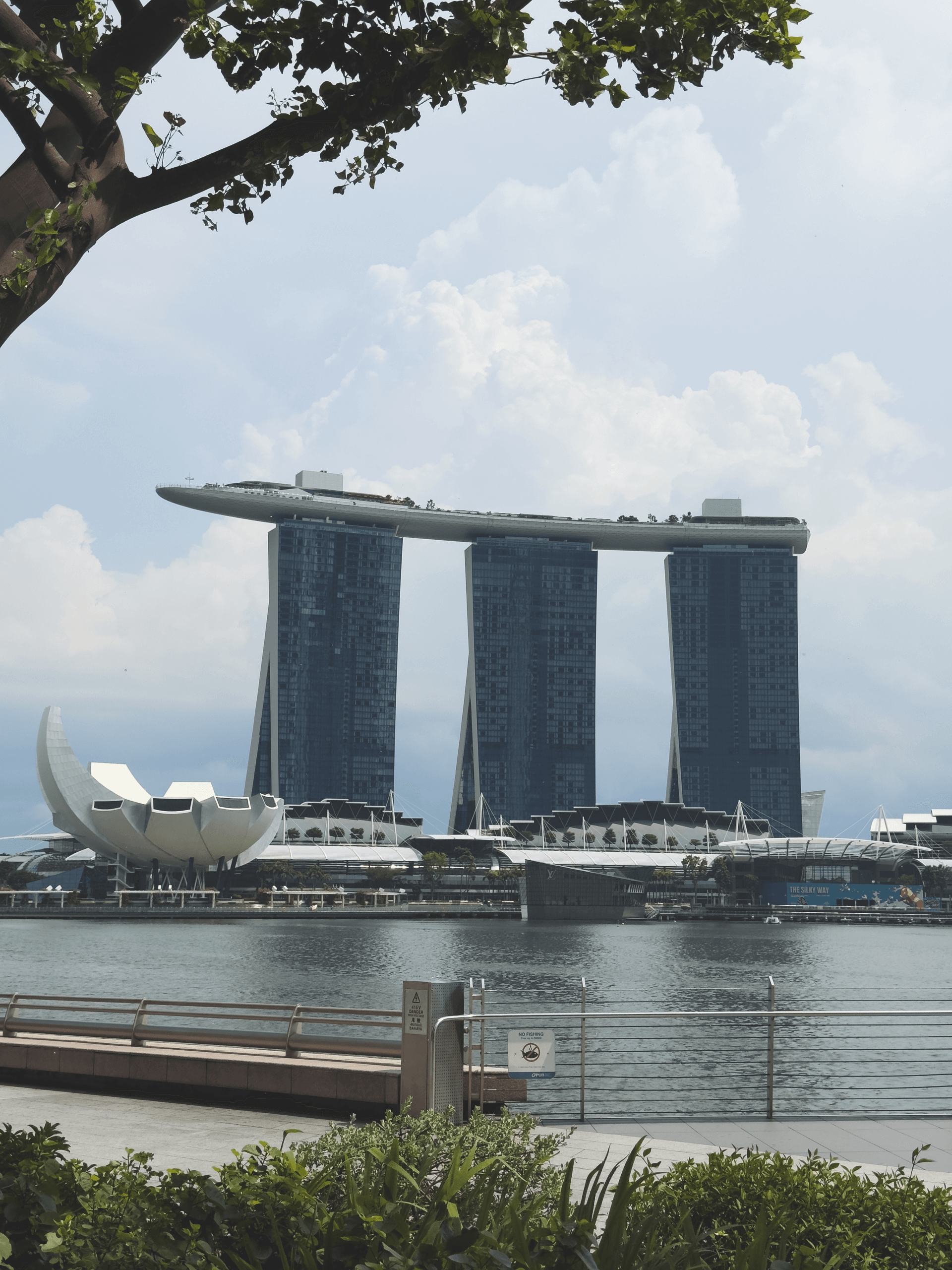
As the sun begins to set, the city transforms. This is the time to explore the coastline or walk through the historic districts as the lanterns begin to glow. By scheduling your most active explorations for the early morning and late evening, you maintain a level of comfort that aligns with a luxury travel experience. Movement between districts is best handled via private transport to ensure a seamless transition from one refined environment to another.
Refined Experiences Worth Prioritizing
Beyond the obvious landmarks, a sophisticated trip focuses on the sensory details of the city. Prioritize visits to the smaller, independent galleries and archival museums where the curation is intimate and the crowds are few. Exploring the intersection of nature and architecture, such as the hidden gardens tucked behind colonial facades, provides a sense of discovery that larger attractions cannot offer.
Spend time observing the light in the Peranakan quarters during the golden hour. The way the sunlight hits the pastel walls and intricate ceramic tiles creates a visual harmony that is a photographer’s dream and a design lover’s delight. These moments of stillness are where the true character of the city reveals itself, far from the neon lights of the shopping malls.
Dining should be treated as an extension of the heritage experience. Seek out establishments that occupy historic buildings and offer a curated take on Straits cuisine. The goal is to find places where the culinary tradition is respected but the presentation is elevated. A meal in a restored shophouse, where the architecture complements the flavors, turns a simple dinner into a cultural immersion.
Who This Destination Suits Best
Singapore is a destination for the traveler who appreciates order, cleanliness, and a high standard of service, but who also craves a deeper narrative. It is particularly suited for design-conscious travelers who are interested in how urban planning can preserve history while pushing the boundaries of modernity. Those who enjoy the intersection of different cultures will find the Peranakan influence particularly fascinating.
It is also an ideal choice for return visitors who have already seen the primary attractions and now wish to explore the city with a more discerning eye. The shift from sightseeing to experience-led travel allows for a deeper appreciation of the city’s rhythm. This approach appeals to those who prefer a boutique experience over a mass-market one, valuing exclusivity and architectural integrity over sheer scale.
Finally, the city suits those who travel for inspiration. Whether you are an architect, a historian, or someone who simply loves beautiful spaces, the contrast between the lush tropical greenery and the structured elegance of the heritage hotels provides a constant source of visual and intellectual stimulation.
Practical Tips Before You Go
Timing your visit is key to maintaining a polished experience. While Singapore is a year-round destination, visiting during the shoulder seasons can offer a slightly more temperate climate for walking tours. Regardless of the month, always carry a light wrap or blazer, as the contrast between the outdoor humidity and the powerful air conditioning of luxury hotels and museums can be sharp.
When it comes to movement, while the public transport is world-class, private hire services are the standard for a refined experience. They provide a door-to-door service that preserves the mood of your trip and allows you to travel in comfort. When planning your stay, remember that heritage properties often have unique layouts; requesting a room with a view of a courtyard or a balcony can significantly enhance the atmosphere of your stay.
Dress codes in Singapore’s luxury heritage spaces tend to be smart-casual. While the tropical heat suggests lightness, the most refined establishments appreciate an elevated approach to dressing. Linen is the ideal fabric for this environment, offering a timeless aesthetic that remains practical in the heat. Planning your wardrobe around breathable, high-quality fabrics ensures you feel at home in both a colonial lounge and a contemporary art space.
FAQ
When is the best time to visit Singapore for a heritage tour?
While Singapore is accessible throughout the year, the months between February and April often provide a slightly more stable climate for outdoor exploration. This allows you to enjoy the architectural details of the city’s historic districts without the peak intensity of the monsoon season, making your walks between heritage sites more comfortable and pleasant.
What defines the style of Singapore heritage luxury hotels?
These properties are characterized by a blend of colonial-era architecture, such as high ceilings and sweeping verandas, and local cultural elements like Peranakan tiles and carved woodwork. The focus is on preserving original structural details while integrating modern luxury amenities, creating an environment that feels both timeless and sophisticated for the modern traveler.
How do I balance sightseeing with a slower pace of travel?
The most effective way to balance your trip is to limit your itinerary to one primary neighborhood per day. By pairing a morning visit to a cultural site with a long, leisurely afternoon at your hotel, you avoid burnout. This approach allows you to absorb the atmosphere of the destination rather than simply checking off a list of attractions.
Staylora.com may contain affiliate links and third-party booking tools. We may earn a commission from qualifying bookings at no extra cost to you. Hotel prices, availability, policies, and travel information may change without notice. Please verify all important details directly with the booking provider before making any reservation.