The Swiss Allure Across the Seasons
The Swiss Alps possess a timeless quality, where the silence of a snowfall is as profound as the clarity of a glacial lake in June. For those seeking a retreat that balances discretion with grandeur, the calendar is the most important tool in the planning process. Determining the best time to visit Switzerland luxury properties allows a traveler to align their expectations with the rhythm of the mountains, ensuring that every moment feels curated and effortless.
Switzerland is not a destination that offers a single peak experience, but rather a series of atmospheric shifts that redefine the landscape. From the high-altitude glamour of St. Moritz in January to the vine-covered slopes of Lavaux in October, the experience is entirely dependent on the month of arrival. Understanding these nuances is the difference between a standard vacation and a truly elevated escape.
Planning a trip here requires a consideration of both climate and culture. While the infrastructure is world-class throughout the year, the mood of the destinations changes. Some villages transform into quiet sanctuaries in the shoulder seasons, while others become epicenters of global high society during the winter months. A refined itinerary acknowledges these cycles to avoid the crowds while securing the most exclusive amenities.
The Best Time to Visit Switzerland Luxury at a Glance
The traditional divide in Swiss travel is between the winter ski season and the summer lake and hiking season. Winter, spanning from December to March, is the epoch of alpine luxury. This is when the legendary chalets of Gstaad and Zermatt are in their full glory, offering a blend of cozy fireside intimacy and high-energy après-ski culture. For the traveler who values exclusivity, the peak of winter provides an unparalleled atmosphere of sophistication.
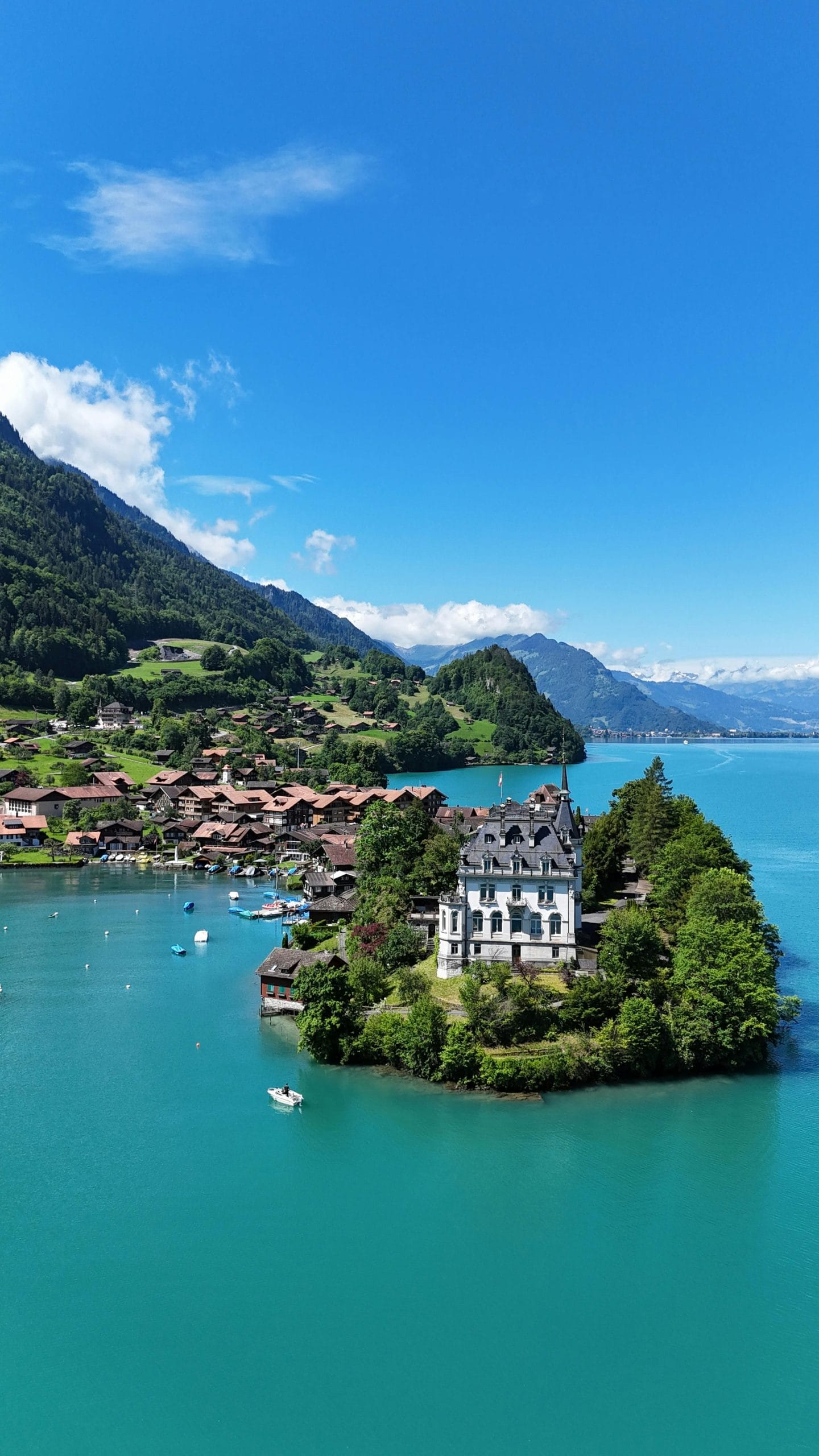
Summer, from June to August, shifts the focus to the lakes and the lush green valleys. This period is ideal for those who prefer the elegance of lakefront villas in Montreux or the serenity of the Bernese Oberland. The air is crisp, the meadows are vibrant, and the accessibility to high-altitude vistas is at its maximum. It is a season of leisure, characterized by private boat charters on Lake Geneva and guided walks through alpine wildflower fields.
The shoulder seasons of spring and autumn offer a different kind of luxury: the luxury of solitude. April and May see the landscapes awakening, though weather can be unpredictable. September and October are perhaps the most refined months, as the autumn colors paint the vineyards and the crowds dissipate. This is the ideal window for those seeking a contemplative experience, focusing on gastronomy and art without the bustle of the primary tourist waves.
Where to Stay and How to Choose the Right Area
Selecting a base in Switzerland depends heavily on the intended atmosphere of the trip. For a winter experience rooted in heritage and prestige, the Engadine Valley, particularly St. Moritz, is the definitive choice. Here, the luxury is architectural and social, with hotels that have hosted royalty for generations. The focus is on curated events, high-fashion winter wear, and precision skiing.
If the goal is a more intimate, rustic elegance, the village of Gstaad offers a softer side of luxury. Known for its strict building codes that preserve a traditional village feel, it is the preferred sanctuary for those who wish to disappear into the mountains. The stays here are characterized by sprawling estates and a slower pace of life, emphasizing wellness and privacy over visibility.
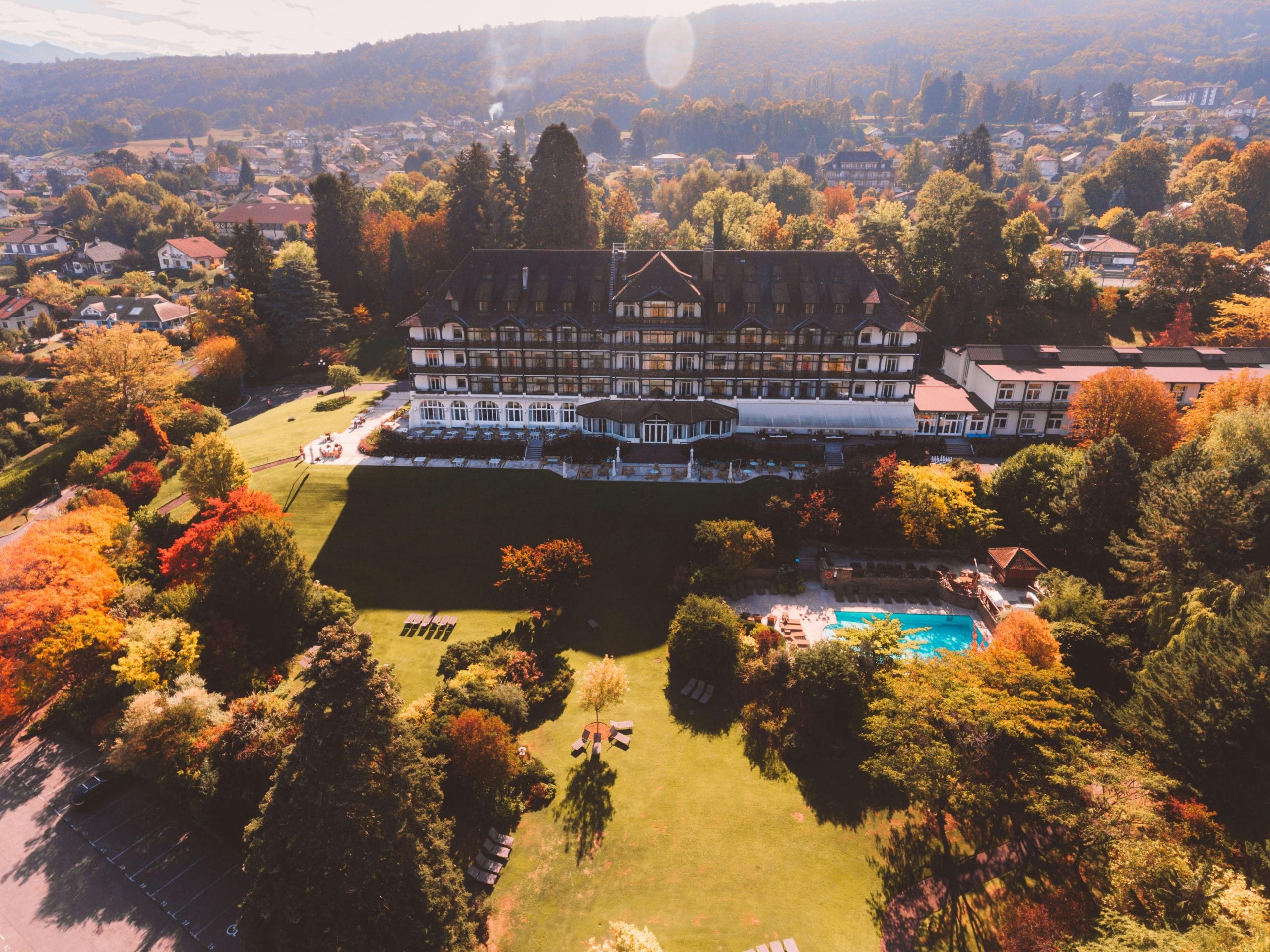
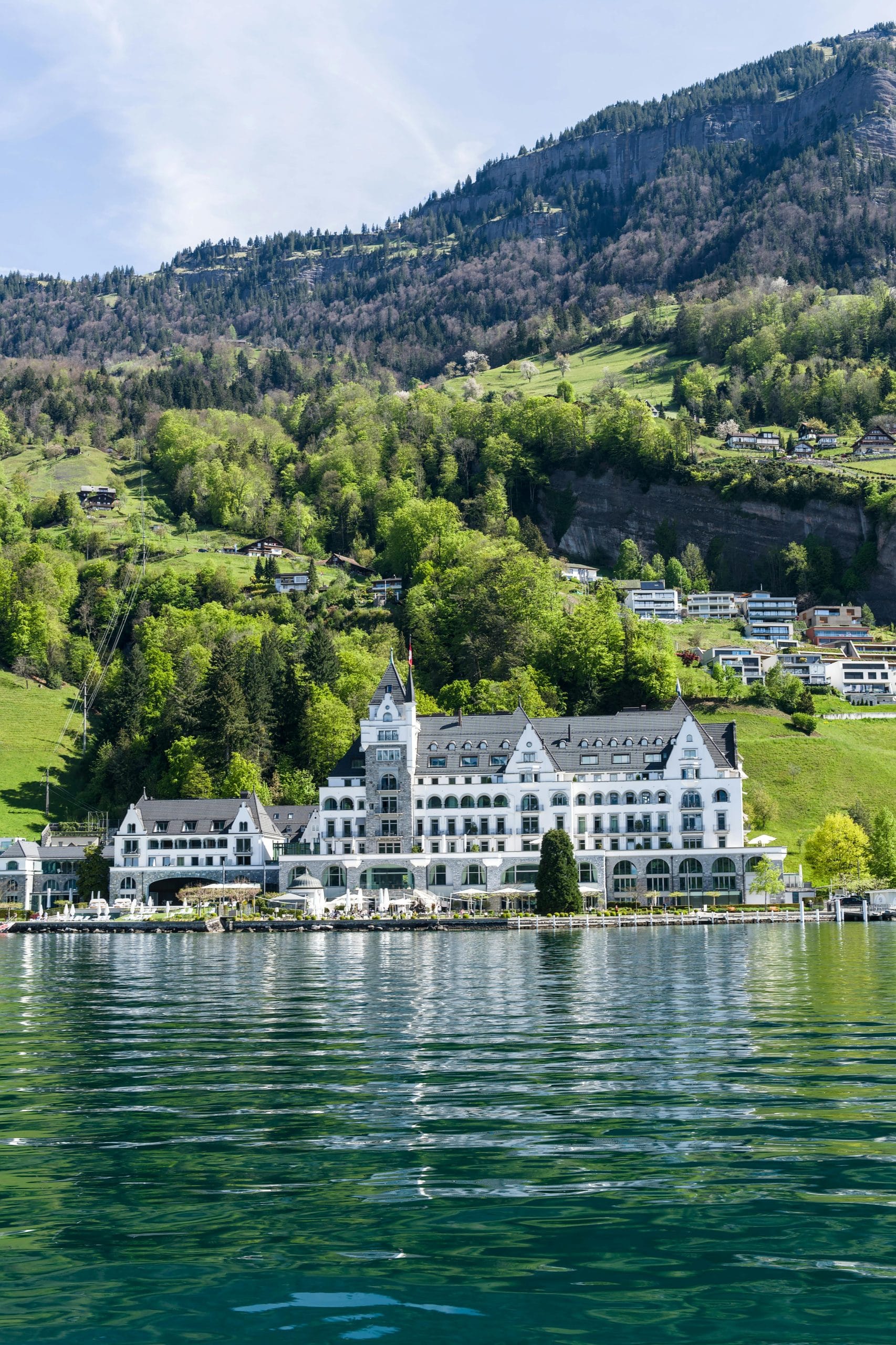
For summer excursions, the shores of Lake Lucerne and Lake Geneva provide a sophisticated alternative to the mountains. Staying in a historic grand hotel in Montreux allows travelers to experience the Belle Époque charm of the Swiss Riviera. These areas are perfect for those who enjoy a blend of urban refinement and natural beauty, offering easy access to vineyards and cultural landmarks while maintaining a serene atmosphere.
How to Plan Your Travel Flow
The movement between Swiss destinations should be as refined as the stays themselves. The Swiss travel system is legendary for its precision, but for a luxury experience, the focus should be on scenic slow travel. The Glacier Express and the Bernina Express are not merely trains but moving panoramic lounges that turn transit into a highlight of the journey.
To maintain a seamless flow, it is advisable to limit the number of hotel changes. Rather than hopping between cities every two days, choosing two or three primary hubs allows for a deeper immersion in the local atmosphere. For example, a week spent between a lakeside retreat in Lucerne and a mountain sanctuary in Zermatt provides a balanced perspective of the country without the fatigue of constant packing.
Private transfers are recommended for the final leg of any journey, especially when heading into the car-free villages of the Alps. Arriving via a private chauffeur to a hotel’s doorstep ensures that the transition from the city to the sanctuary is effortless. This attention to detail in the logistics prevents the friction that can often detract from a high-end travel experience.
Refined Experiences Worth Prioritizing
Beyond the accommodations, the essence of a Swiss escape lies in the exclusive experiences. In the winter, this might mean a private guided tour of a glacier or a curated tasting of rare Swiss wines by a roaring fire. The focus should be on activities that connect the traveler to the land, such as a private visit to a watchmaking atelier in the Jura mountains, where the art of precision is displayed in its purest form.
Summer offers the opportunity for water-based refinement. A private charter on Lake Brienz or Lake Thun allows for a perspective of the surrounding peaks that cannot be achieved from the shore. Combining this with a gourmet picnic curated by a local chef in a secluded alpine meadow creates a memory rooted in both luxury and nature.
For the culturally inclined, the autumn months are the best time to engage with the region’s viticulture. The terraced vineyards of Lavaux, a UNESCO World Heritage site, are breathtaking in October. A private tasting session with a local vintner, paired with a view of the lake and the Alps, embodies the sophisticated slow-living philosophy that defines the modern Swiss luxury experience.
Who This Destination Suits Best
Switzerland is a destination for the traveler who values quality over quantity. It suits the discerning individual who appreciates the silence of a remote mountain peak as much as the service of a five-star concierge. It is an ideal location for couples seeking a romantic, secluded sanctuary, as well as for multi-generational families who appreciate the safety and predictability of a well-organized environment.
The destination also appeals to the wellness seeker. With a deep tradition of thermal baths and mountain air therapy, Switzerland is a global hub for rejuvenation. Those who prioritize health, longevity, and mental clarity will find the alpine environment and the world-renowned clinics of the region perfectly aligned with their needs.
Finally, it is a haven for the connoisseur of craft. Whether it is the precision of a Swiss timepiece, the richness of a mountain cheese, or the architectural feat of a railway bridge, Switzerland appeals to those who find beauty in the details and luxury in the execution of a task performed perfectly.
Practical Tips Before You Go
When planning a luxury visit, clothing is a critical consideration. The weather in the Alps can shift in minutes, regardless of the season. A layered approach using high-performance fabrics that maintain an elegant silhouette is essential. Even in the height of summer, evenings in the mountains can be surprisingly chilly, making a refined cashmere wrap or a tailored light jacket indispensable.
Booking timing is equally important. The most coveted suites in the top-tier hotels, especially in Zermatt and St. Moritz, are often reserved six to twelve months in advance for the winter season. To ensure the best possible placement and a curated experience, early coordination with a luxury travel planner or the hotel concierge is highly recommended.
Lastly, embracing the local pace of life enhances the trip. While the trains run on time, the experience of the Alps is best enjoyed when one allows for unplanned moments of wonder. Leaving gaps in the itinerary for a spontaneous walk or an extended lunch overlooking a valley ensures that the trip feels like a true escape rather than a scheduled tour.
FAQ
When is the best time to visit Switzerland luxury resorts for skiing?
The prime window for skiing and alpine glamour is from late December to March. January and February typically offer the most reliable snow conditions and the most vibrant social scenes in resorts like St. Moritz and Zermatt. For those seeking a quieter experience with still-excellent slopes, March is an excellent choice as the days grow longer and the crowds begin to thin.
Which Swiss region is best for a summer retreat?
The Bernese Oberland and the shores of Lake Geneva are the premier choices for summer. The Bernese Oberland offers breathtaking emerald landscapes and world-class hiking, while the Lake Geneva region provides a sophisticated mix of vineyard tours, luxury shopping, and serene lakeside lounging. Both regions offer an elevated atmosphere that balances outdoor adventure with refined hospitality.
Are there quieter months for an exclusive Swiss experience?
September and October are widely considered the best months for those seeking solitude and serenity. The autumn foliage is stunning, and the primary tourist crowds have departed, leaving the luxury hotels and boutiques more intimate. This period is particularly wonderful for exploring the wine regions and enjoying the crisp mountain air without the bustle of the peak seasons.
Staylora.com may contain affiliate links and third-party booking tools. We may earn a commission from qualifying bookings at no extra cost to you. Hotel prices, availability, policies, and travel information may change without notice. Please verify all important details directly with the booking provider before making any reservation.