Milan Luxury Design Hotels and the Mood of the Place
The morning light in Milan possesses a particular quality, a soft silver hue that catches the limestone facades and the polished surfaces of the city’s most discreet entrances. There is a quiet confidence here, a sense that true elegance does not need to shout to be noticed. In the heart of this metropolis, the concept of a stay has evolved beyond mere accommodation, transforming into a curated gallery experience. The rise of Milan luxury design hotels has mirrored the city’s own transition from a powerhouse of industrial production to a global epicenter of aesthetic curation.
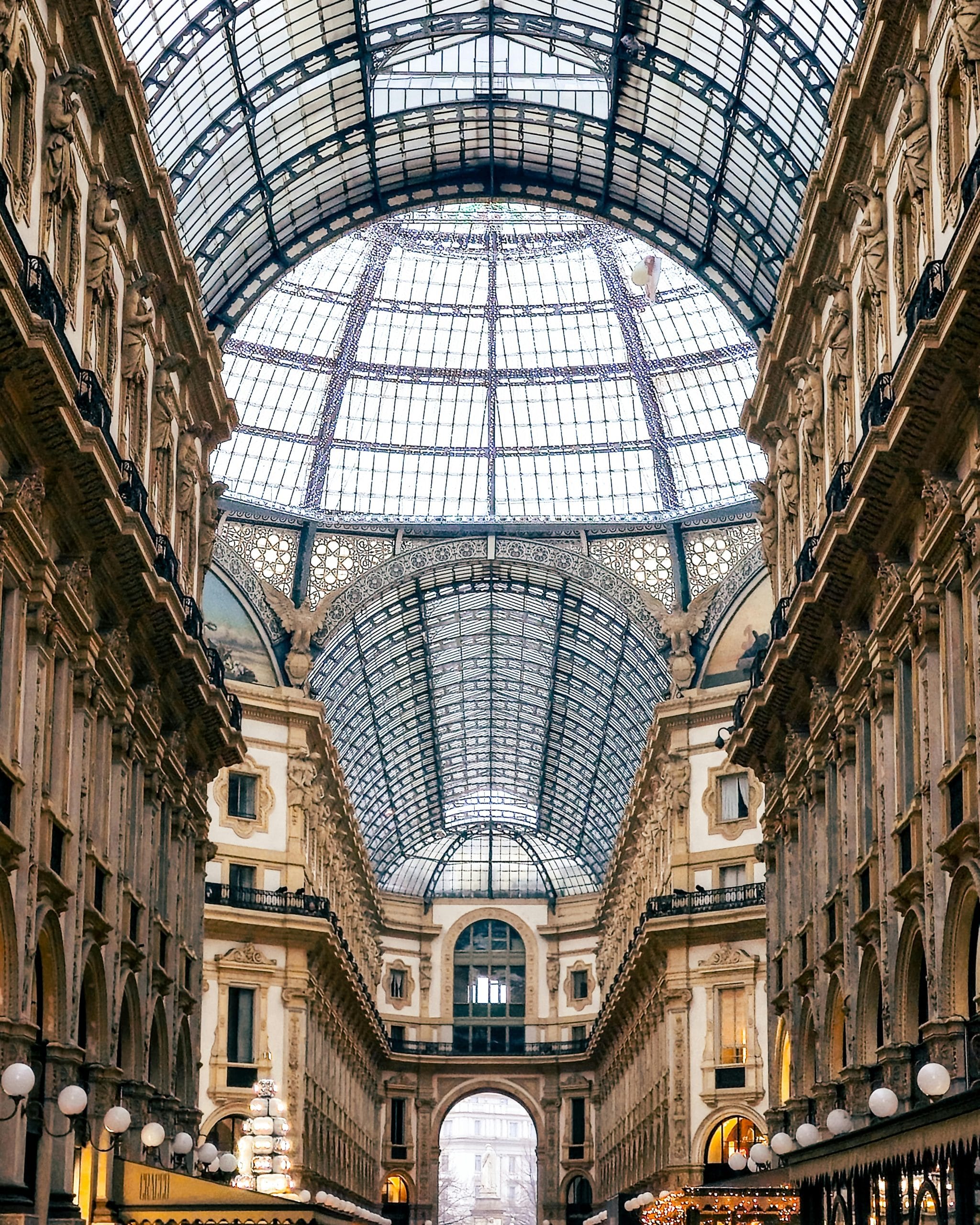
To step into these spaces is to enter a dialogue between the past and the future. These hotels do not simply provide a room; they offer a point of view. Whether it is the stark minimalism of a concrete-walled sanctuary or the opulent revival of a neoclassical palazzo, the atmosphere is always one of intentionality. Every piece of furniture, every lighting fixture, and every textile is chosen to evoke a specific emotion, creating a sanctuary where the guest becomes part of the installation.
The mood is one of understated intellectualism. In Milan, luxury is not measured by the amount of gold leaf on a ceiling, but by the precision of a joinery detail or the provenance of a vintage velvet sofa. It is an environment that rewards the observant traveler, those who appreciate the way a shadow falls across a travertine floor or the way a scent is designed to complement the architecture of a lobby.
The Dialogue Between Heritage and Avant-Garde
Milan is a city of layers, where ancient Roman foundations support the weight of futuristic skyscrapers. This tension is most evident in the city’s most sophisticated design hotels, where architects are tasked with the delicate art of adaptive reuse. The most compelling spaces are those that manage to honor the historical soul of a building while introducing a bold, contemporary vocabulary.
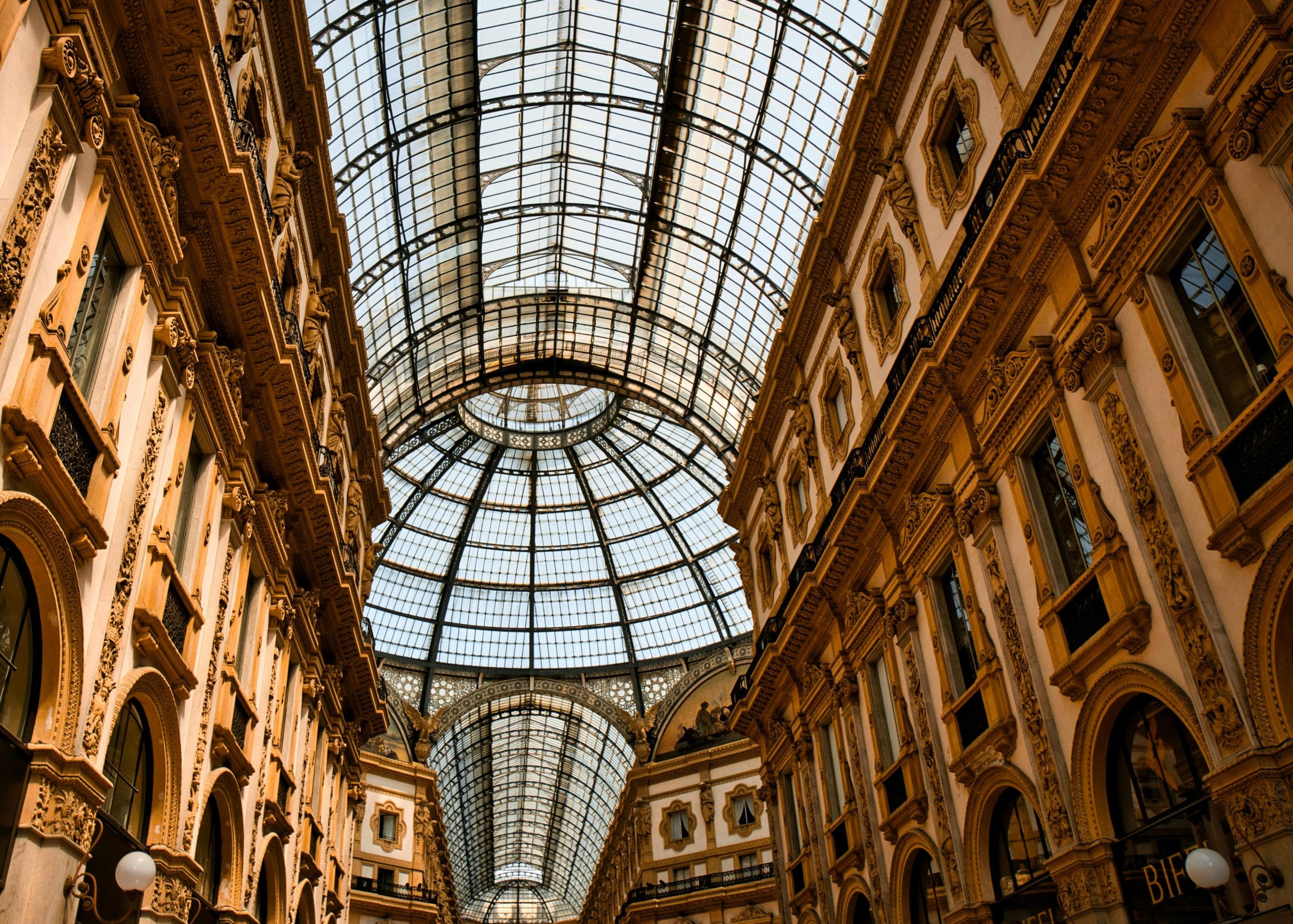
Imagine a courtyard that has seen centuries of trade, now reimagined as a glass-walled atrium that floods a lobby with natural light. In these spaces, the contrast is the point. A rough-hewn stone wall might stand adjacent to a sleek, mirrored installation, creating a visual friction that feels energizing and modern. This interplay suggests that luxury is not about consistency, but about the harmony of opposites.
The new guard of luxury in the city avoids the trap of nostalgia. Instead of recreating a period piece, these hotels treat history as a canvas. They integrate modern art and bespoke furniture pieces that challenge the eye, ensuring that the guest feels they are residing in a living, breathing expression of current culture rather than a museum of the past.
Sensory Textures of a Design Capital
To experience the visual identity of these stays is to engage in a tactile exploration. The palette is often rooted in the earthy tones of Northern Italy—terracotta, deep ochre, and the cool gray of the city’s pavements—but accented with shocks of daring color. A room might be a study in monochrome until you encounter a single, sculptural chair in a vivid shade of cobalt or saffron.
Textural contrast defines the experience. There is the coolness of polished marble underfoot, balanced by the warmth of heavy linens and hand-woven wool rugs. The touch of brushed brass, the grain of walnut wood, and the smoothness of Italian leather all contribute to a sensory narrative that feels grounded yet elevated. These materials are not chosen for their status, but for their ability to age gracefully and tell a story of craftsmanship.
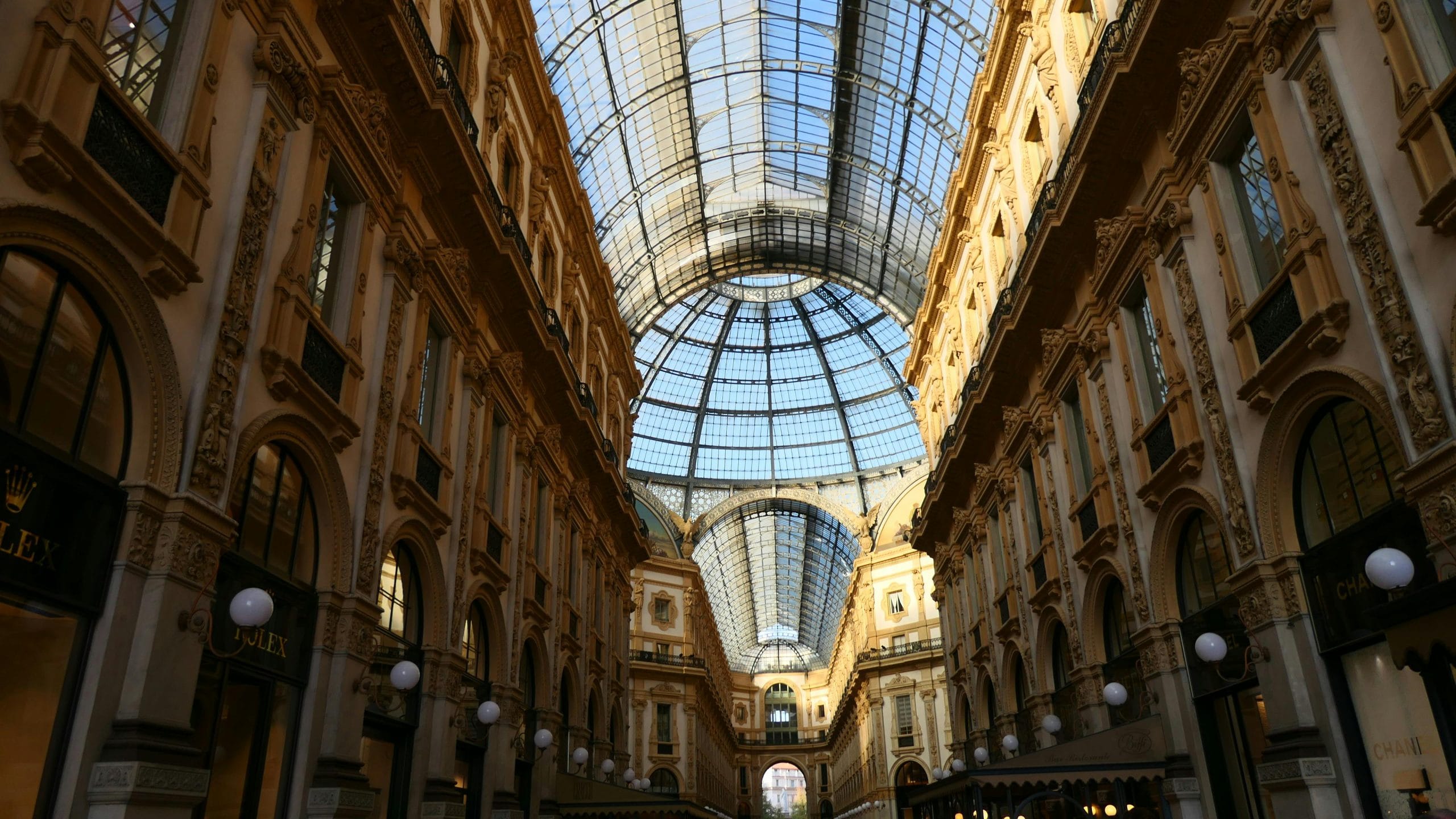
Lighting plays a pivotal role in shaping the atmosphere. Away from the harshness of standard hospitality lighting, design-forward stays utilize soft, indirect illumination and iconic lamps that serve as functional sculptures. As the sun sets, the spaces transform, shifting from bright, airy studios into intimate, moody salons that invite long conversations and slow reflections.
Curating a Slow Afternoon in the Quadrilatero della Moda
The experience of staying in such an environment naturally extends into the city. A refined journey through Milan begins not with a checklist of monuments, but with a slow immersion into the neighborhoods that define its style. The Quadrilatero della Moda is more than a shopping district; it is an open-air museum of facade design and window dressing that rivals the interiors of the finest hotels.
One might spend an afternoon drifting between private galleries and hidden showrooms, where the boundaries between retail and art are intentionally blurred. There is a specific pleasure in discovering a quiet courtyard tucked behind a heavy wooden door, leading to a boutique that sells only a handful of meticulously crafted objects. This is the essence of the Milanese approach: the luxury of discovery and the appreciation of the rare.
As the day wanes, the ritual of the aperitivo becomes a study in social choreography. In the refined bars of Brera, the clinking of crystal and the low hum of intellectual debate create a soundtrack to the evening. It is a time for decompression, where the elegance of the environment mirrors the sophistication of the company, grounding the traveler in the present moment.
The Discerning Traveler’s Milanese Dream
The individuals drawn to this side of Milan are not typical tourists. They are the creative directors, the architects, the collectors, and the dreamers who seek inspiration in the details. For them, the hotel is not a place to sleep, but a place to think. They are attracted to the emotional resonance of a space—the way a specific layout can induce a feeling of calm or how a bold color choice can spark a creative epiphany.
This traveler values privacy and discretion over public displays of wealth. They seek out the ‘secret’ entrances and the members-only lounges where the service is intuitive and invisible. They appreciate a concierge who can secure a private viewing of a textile archive or a reservation at a table that doesn’t officially exist. For this guest, the ultimate luxury is access to the authentic, unvarnished pulse of the city’s creative class.
The emotional reason to visit Milan is to rediscover one’s own sense of style. By immersing themselves in an environment where design is treated as a primary language, the traveler is encouraged to curate their own life with more intention. The city becomes a mirror, reflecting back a version of luxury that is intellectual, artistic, and deeply personal.
The Staylora Perspective
At Staylora, we view Milan as the definitive blueprint for the modern luxury escape. While other cities rely on grandeur or tradition, Milan relies on intelligence. The city’s ability to constantly reinvent itself while remaining anchored in its craft is what makes it an enduring source of inspiration for the elevated traveler.
We believe that the true value of a design-led stay lies in its ability to shift one’s perspective. When the environment you inhabit is a masterpiece of thought and execution, it elevates every other aspect of the journey. From the first glance at a sculpted lobby to the final morning espresso enjoyed in a perfectly proportioned room, the experience is a reminder that the things we surround ourselves with profoundly impact how we feel and how we see the world.
Milan teaches us that luxury is not a product, but a practice. It is the practice of choosing quality over quantity, meaning over ornament, and soul over surface. It is this philosophy that we celebrate, guiding our travelers toward experiences that are as intellectually stimulating as they are visually stunning.
FAQ
When is the best time to visit Milan for design lovers?
While Milan is a year-round destination for style, the peak of inspiration occurs during the Salone del Mobile and Fuorisalone in April. During this period, the entire city transforms into a living exhibition, with installations appearing in every courtyard and palace. However, for a more intimate experience of Milan luxury design hotels, the autumn months offer a serene atmosphere and a softer light.
What distinguishes Milan luxury design hotels from standard luxury hotels?
The primary difference lies in the philosophy of curation. While standard luxury often focuses on opulent materials and traditional formality, design hotels prioritize a specific aesthetic vision and artistic narrative. They function more like boutique galleries, where the architecture and furniture are chosen to challenge and inspire the guest, rather than simply providing a predictable level of comfort.
Which neighborhood offers the most inspirational atmosphere?
The Brera district remains the heart of Milan’s artistic soul, with its cobblestone streets and proximity to the Pinacoteca di Brera. It offers an evocative blend of old-world charm and contemporary creativity. For those seeking high-fashion inspiration and architectural precision, the Quadrilatero della Moda provides a more polished and structured environment that defines the city’s global image.
Staylora.com may contain affiliate links and third-party booking tools. We may earn a commission from qualifying bookings at no extra cost to you. Hotel prices, availability, policies, and travel information may change without notice. Please verify all important details directly with the booking provider before making any reservation.