Namibia Luxury Desert Retreats and the Art of Stillness
The air carries a weightless quality as the sun begins its slow descent, casting long, amber shadows across the undulating crests of the Namib. There is a particular frequency to the silence here, a humming stillness that seems to vibrate through the warm stone and cool sands. In this vast expanse, the concept of time softens, allowing the traveler to drift into a state of restorative contemplation.
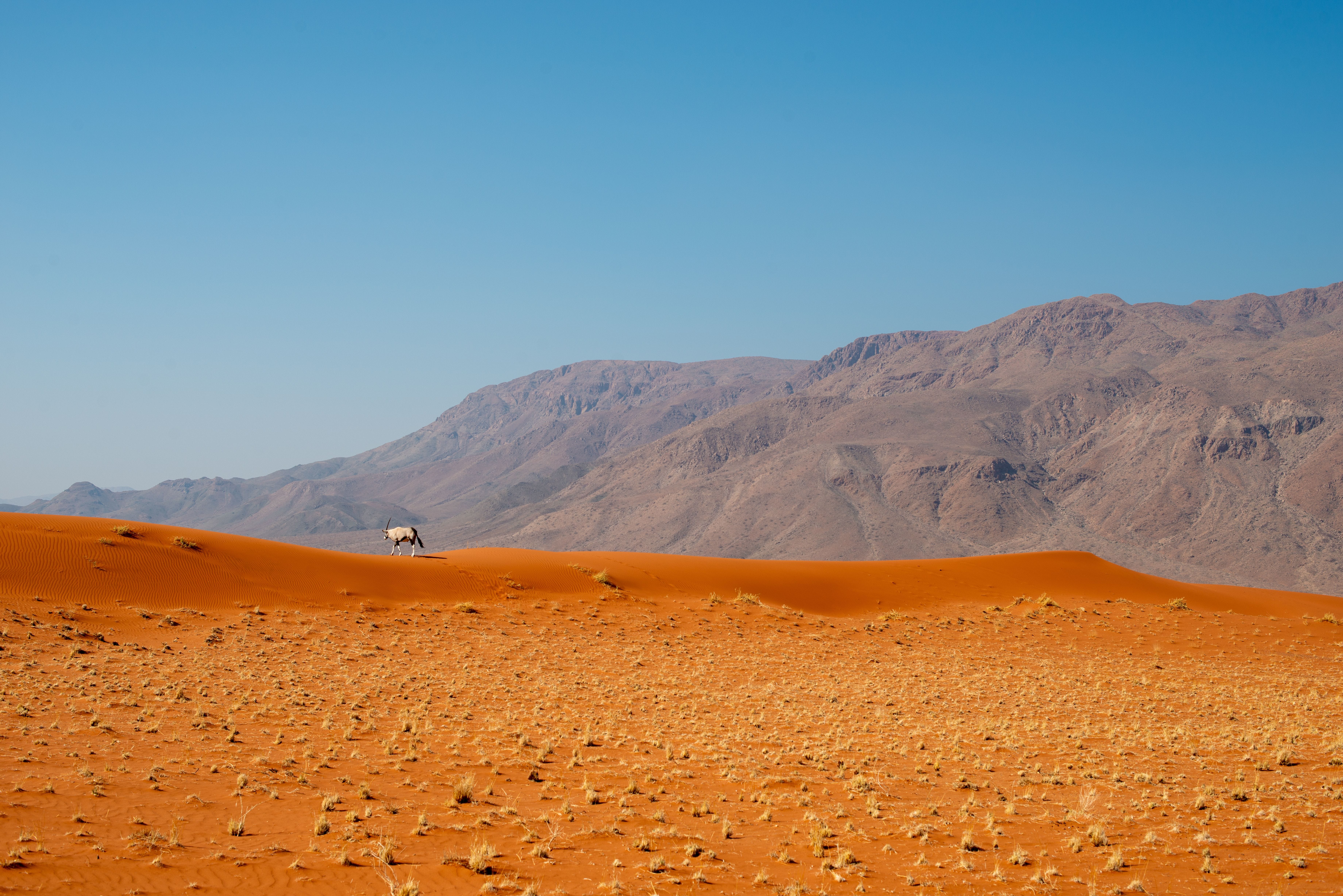
Finding sanctuary within Namibia luxury desert retreats is less about the amenities and more about the intentionality of space. These retreats are designed not to compete with the horizon, but to frame it. The architecture often mirrors the geology of the surroundings, utilizing muted palettes of ochre, cream, and slate to ensure that the built environment feels like a natural extension of the earth.
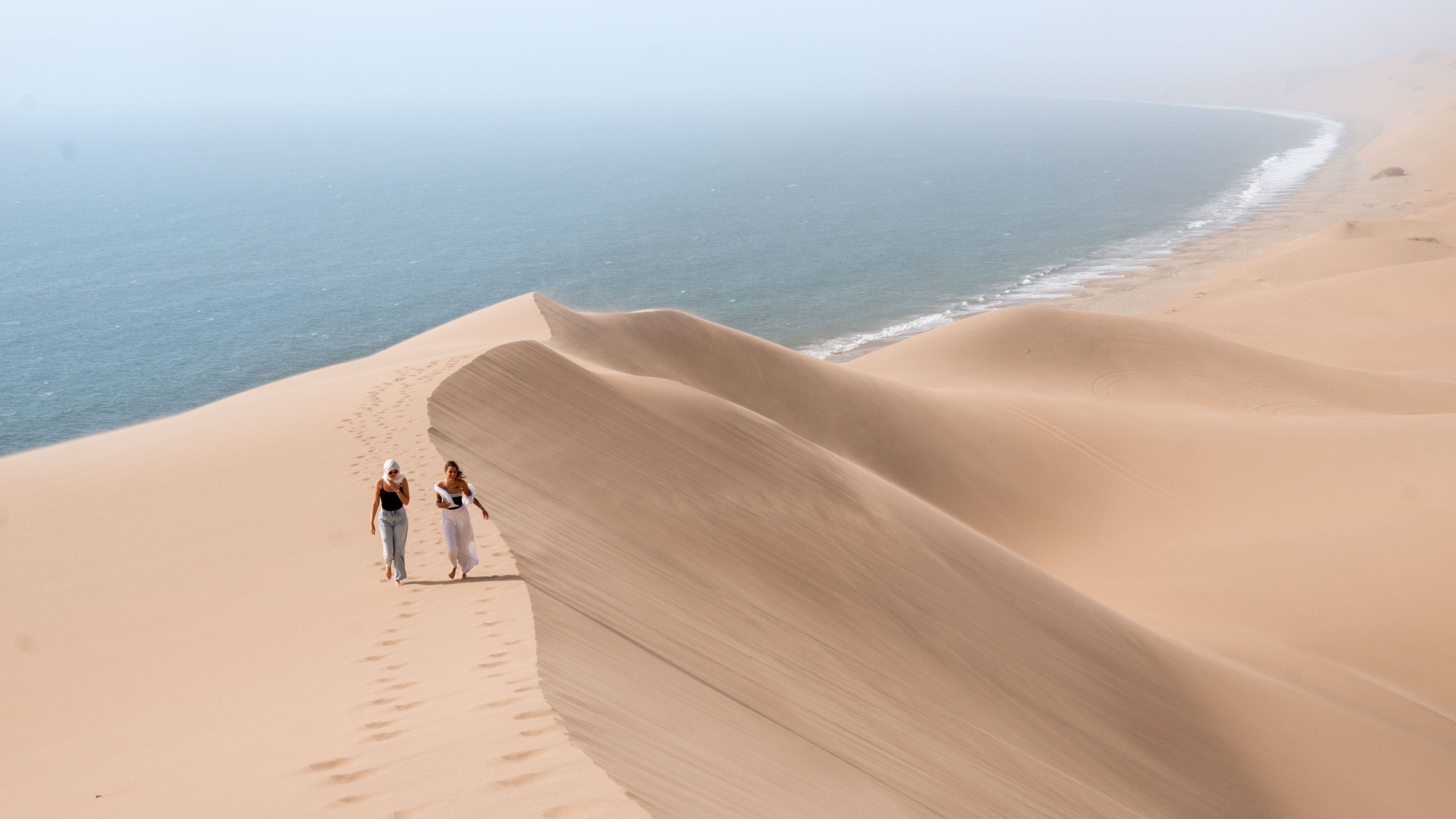
For those who seek a departure from the noise of modern existence, these design-led escapes offer a rare opportunity to reconnect with a slower pace. The pleasure of wandering without rushing becomes the primary activity, where a simple walk along a ridge at dawn feels like a profound event. It is a place where luxury is measured by the depth of the quiet and the clarity of the starlit sky.
The Architecture of Silence and Space
Modern design in the Namibian desert focuses on the dialogue between the interior and the wild. Many of the most refined stays employ a minimalist aesthetic that prioritizes raw materials and open volumes. Floor-to-ceiling glass walls erase the boundary between the curated comfort of the lounge and the raw majesty of the dunes, creating a visceral connection to the elements.
The use of local stone and sustainably sourced timber grounds these structures, ensuring they feel rooted in the soil. There is a deliberate avoidance of clutter, allowing the eye to wander from the clean lines of a hand-crafted table to the distant silhouette of a dead valley. This spatial clarity encourages a mental decluttering, mirroring the physical openness of the landscape.
Inside these retreats, the lighting is often soft and indirect, designed to complement the golden hour glow that permeates every room. The transition from the harsh brightness of the midday sun to the velvet intimacy of the evening is handled with architectural grace, using deep eaves and shaded courtyards to manage the desert heat while inviting the breeze.
Textures of the Namib and Golden Hour Light
Visual identity in this part of the world is defined by contrast. The sharpness of a dune ridge meets the softness of a pale blue sky, while the ruggedness of ancient granite outcrops contrasts with the smooth finish of a polished concrete floor. These textures create a sensory map for the visitor, grounding the ethereal experience in tangible reality.
As the clock nears the golden hour, the landscape undergoes a dramatic transformation. The sands shift from a pale yellow to a deep, burning orange, and the stone walls of the retreats absorb this warmth, radiating it back into the evening air. This is the moment when the destination feels most restorative, as the light flattens and the world seems to hold its breath.

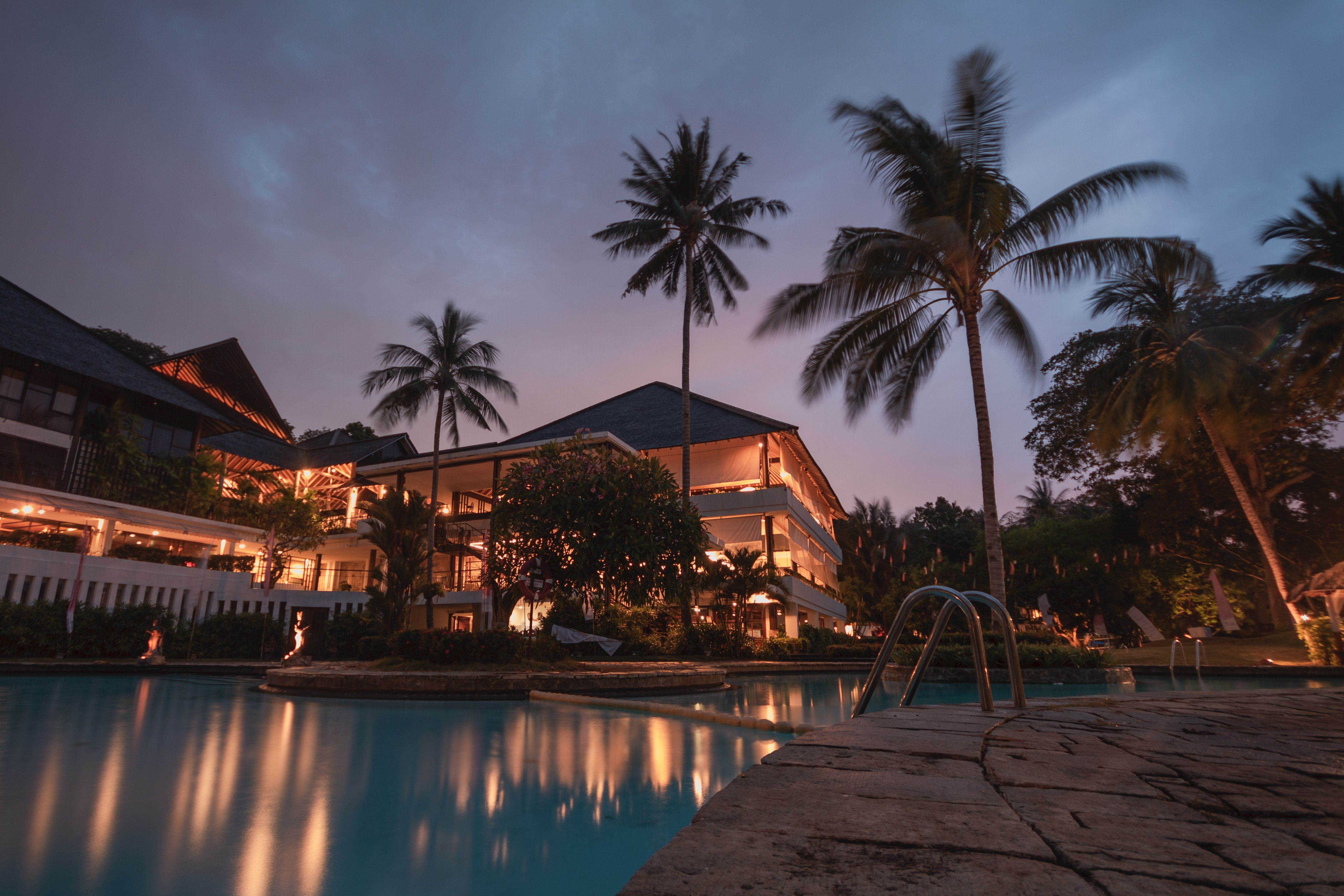
Water, though scarce in the desert, is used as a design element to create a sense of calm. A mirrored plunge pool or a minimalist water feature provides a focal point of stillness, reflecting the changing colors of the sky. The sound of trickling water against the backdrop of absolute silence creates a meditative atmosphere that defines the boutique luxury experience.
Immersive Rhythms of the Desert
True luxury in Namibia is found in the rituals of the day. It is the slow sipping of a morning coffee while watching the mist lift from the valley, or the ritual of an evening sundowner on a private deck. These moments are not scheduled but discovered, allowing the traveler to sink into the natural rhythm of the desert.
Cultural wandering takes a different form here, focusing on the quiet interactions with the land and the people who steward it. Whether it is visiting a local artisan market or sharing a conversation with a guide about the ancestral history of the dunes, the experience is one of immersive learning. The pace is intentionally languid, encouraging a deeper engagement with the environment.
The everyday rituals of a design-led retreat—the scent of wild sage in the air, the touch of high-thread-count linen against sun-warmed skin—enhance the feeling of being entirely present. There is a profound joy in the simplicity of these experiences, proving that the most elevated travel is often that which strips away the unnecessary.
A Sanctuary for the Design Conscious Traveler
This destination speaks to a specific kind of wanderer: the individual who views travel as a form of curation. For the luxury weekend traveler, the appeal lies in the intersection of aesthetic rigor and raw nature. It is for those who appreciate the way a piece of furniture is positioned to catch the light or how a pathway is curved to reveal a view at exactly the right moment.
The emotional hook is the promise of solitude without isolation. While the landscapes are vast and often intimidating, the design of the retreats provides a psychological safety net. The warmth of the interiors and the attentiveness of the service create a cocoon of comfort, allowing the guest to venture into the wild with a sense of total peace.
It is a destination for those who find inspiration in the void. The lack of urban distraction allows for a creative rekindling, making it an ideal escape for architects, artists, and thinkers who need a space where the only requirement is to exist and observe. The landscape does not demand attention; it simply exists, and in that existence, it offers a mirror to the soul.
The Staylora Perspective on Refined Solitude
At Staylora, we believe that a stay is not merely a place to sleep, but a lens through which to experience a destination. In Namibia, the choice of accommodation is the defining factor of the journey. A design-conscious stay transforms the desert from a challenging environment into a sophisticated gallery of natural art.
The most successful retreats in this region are those that practice a philosophy of subtraction. By removing the distractions of conventional luxury, they highlight the essential beauty of the Namib. This approach aligns with a modern definition of elevation, where the ultimate luxury is the ability to be alone with one’s thoughts in a setting of absolute beauty.
When planning a journey to these sands, we suggest embracing the slow. Resist the urge to tick boxes or follow a rigid itinerary. Instead, allow the architecture of the retreat and the mood of the golden hour to dictate the day. The true essence of the experience is found in the gaps between the activities, in the quiet moments of observation and the pleasure of unplanned discovery.
FAQ
What makes Namibia luxury desert retreats unique?
These retreats are unique because they blend high-end architectural minimalism with one of the world’s most extreme landscapes. Unlike traditional luxury hotels, they focus on spatial harmony and sensory integration, using the surrounding dunes and stone as part of the design. This creates an atmosphere of restorative solitude that is rare in conventional travel.
When is the best time to visit Namibia for a design-led escape?
While the desert is captivating year-round, the winter months from May to October offer the most comfortable temperatures for outdoor wandering and architectural appreciation. During this time, the air is crisp and clear, and the golden hour light is particularly sharp, enhancing the visual textures of the landscape and the design of the retreats.
How does boutique luxury integrate with the Namibian landscape?
Boutique luxury in Namibia integrates by using a philosophy of invisibility and respect. Architects utilize earth-toned materials and low-profile structures that blend into the horizon. By prioritizing sustainable materials and open-air layouts, these stays ensure that the guest feels immersed in the wild while enjoying a refined, curated environment that complements the natural beauty.
Staylora.com may contain affiliate links and third-party booking tools. We may earn a commission from qualifying bookings at no extra cost to you. Hotel prices, availability, policies, and travel information may change without notice. Please verify all important details directly with the booking provider before making any reservation.