Stylish Hotels Lisbon at a Glance
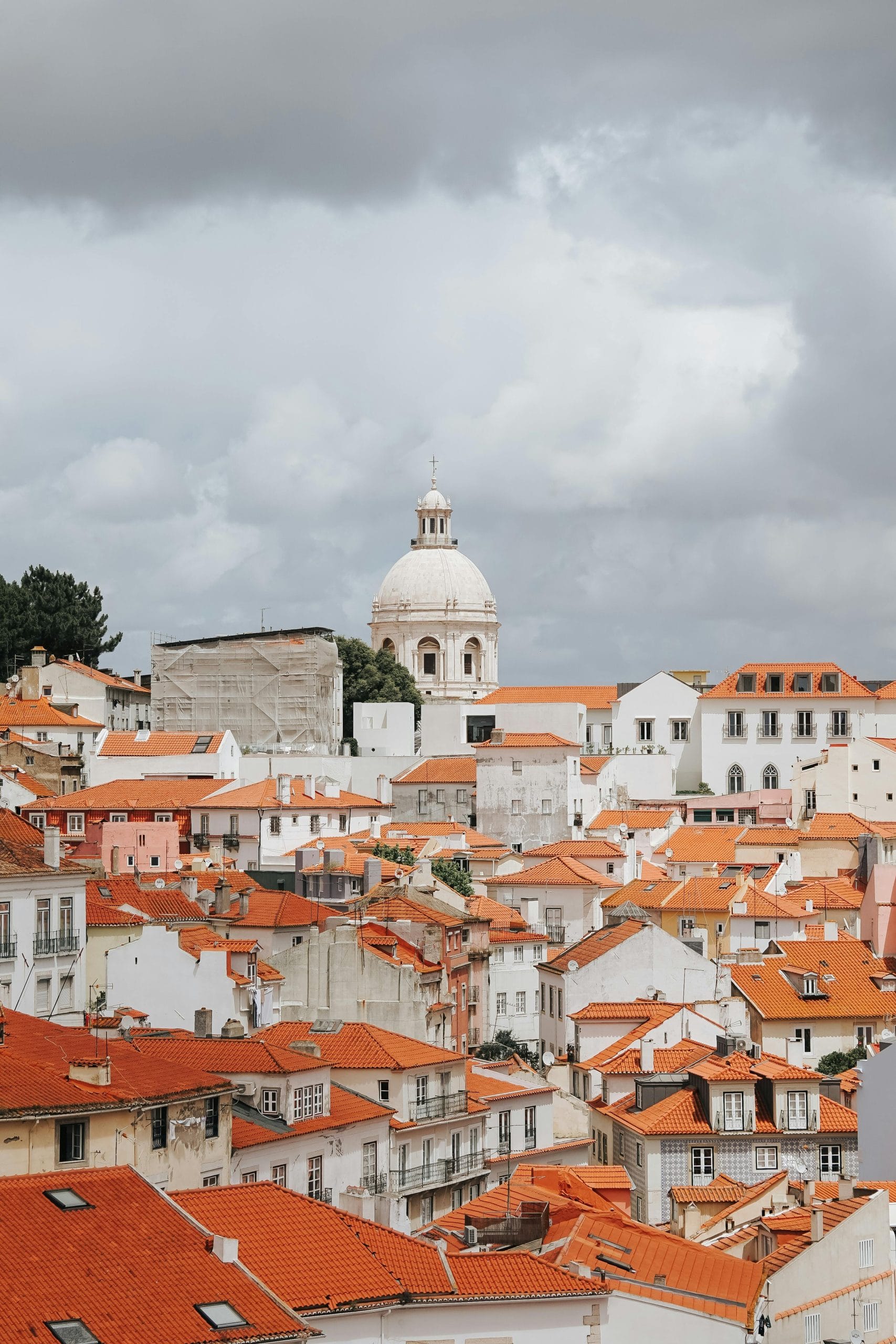
Lisbon is a city where the Atlantic light interacts with pale limestone and intricate azulejos tiles to create an atmosphere of effortless elegance. For the discerning traveler, the city offers a sophisticated intersection of heritage and modernity, making it a sanctuary for those who appreciate intentional design. The challenge of visiting Lisbon often lies in balancing the desire for authentic exploration with the need for a serene, high-quality retreat.
Choosing among the many stylish hotels Lisbon provides allows visitors to anchor their experience in a specific mood. Whether it is the neoclassical grandeur of the center or the bohemian chic of the hilltop districts, the accommodation serves as more than just a place to sleep. It becomes a lens through which the city is experienced, reflecting the local commitment to artistry and refined living.
A well-planned stay in Lisbon prioritizes a slower pace. Rather than rushing through a checklist of landmarks, the refined approach involves selecting a home base that aligns with your personal aesthetic and allows for organic discovery of the surrounding streets. This shift from tourist-led movement to design-led exploration transforms a standard trip into a curated journey.
Where to Stay and How to Choose the Right Area
Selecting the right neighborhood is the most critical decision for maintaining a refined travel flow. Avenida da Liberdade is the city’s answer to the Champs-Élysées, characterized by wide, tree-lined boulevards and a concentration of luxury boutiques. This area is ideal for those who value accessibility and a polished, urban environment. The stays here often blend mid-century modernism with contemporary luxury, offering a quiet sanctuary away from the steeper hills of the old town.

For those seeking a more intimate and artistic atmosphere, Príncipe Real is a sophisticated alternative. This neighborhood is known for its independent design shops, lush gardens, and a culinary scene that favors quality over volume. Staying in this area places you among the city’s creative elite, where the boutique properties often feature eclectic interiors and private terraces overlooking the terracotta rooftops.
Chiado is the historic heart of Lisbon’s intellectual and cultural life. It is a walkable district where bookstores and cafes mingle with high-end galleries. The accommodation options here tend to be integrated into historic buildings, preserving original architectural details while introducing sleek, modern amenities. It is the perfect choice for travelers who want to be in the center of the action without sacrificing a sense of exclusivity.
Alfama, while more traditional, offers a different kind of luxury through its quietude and authenticity. While there are fewer large-scale design hotels here, the refined boutique guesthouses in this district focus on the luxury of silence and the beauty of traditional Portuguese craftsmanship. It is a place for those who prefer a slower, more meditative experience of the city.
How to Plan Your Travel Flow
The geography of Lisbon is defined by its seven hills, which means that planning your movement is essential to avoid fatigue. A refined itinerary avoids the temptation to see everything in one day. Instead, it focuses on one or two neighborhoods per day, allowing for spontaneous detours into hidden courtyards or quiet galleries.
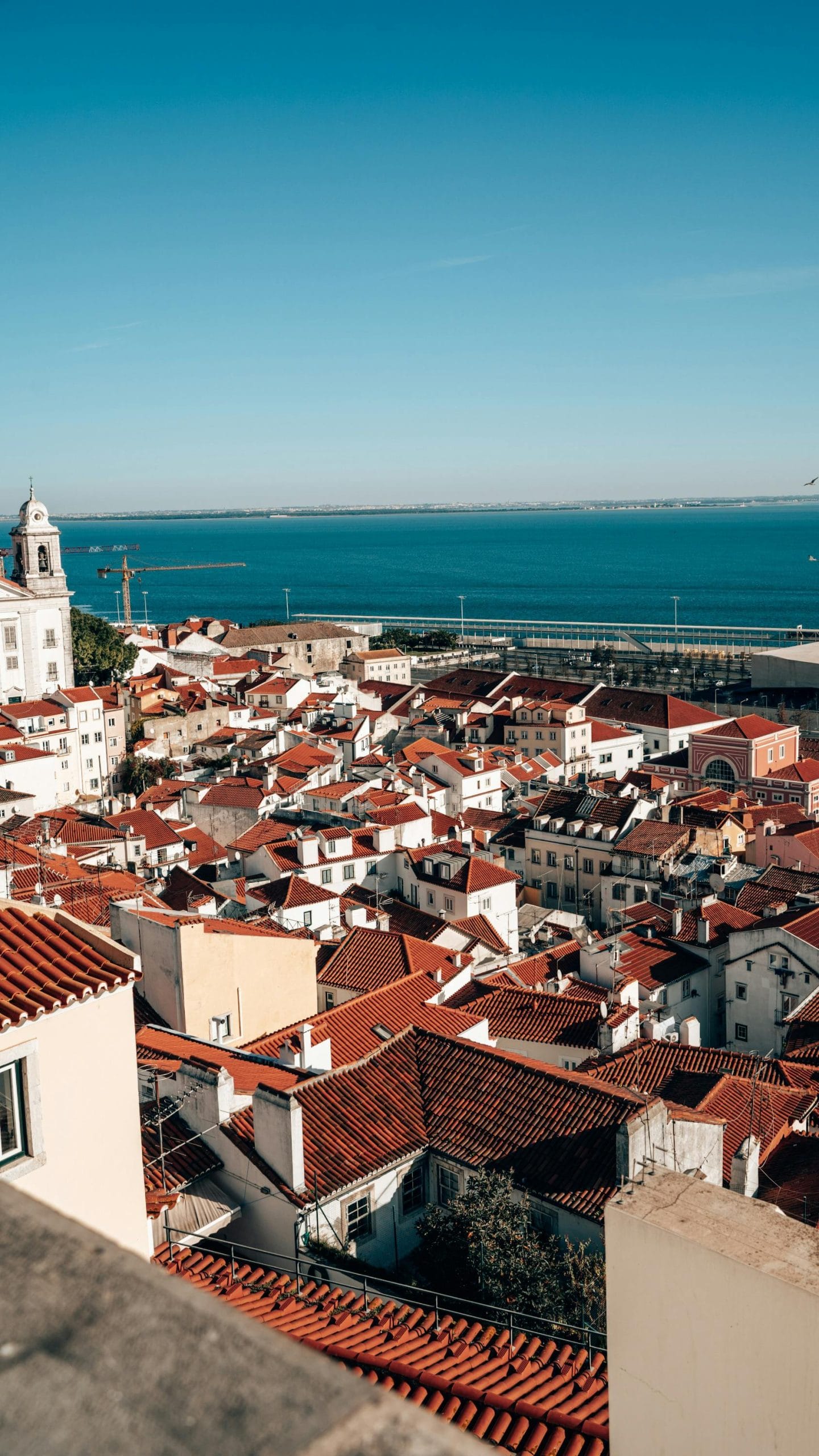
Morning hours are best spent exploring the narrower streets of the old town before the crowds arrive. This is the time to appreciate the architectural rhythm of the city and the way the light hits the facades. Transitioning to the wider boulevards in the afternoon provides a natural shift in energy, moving from the intimacy of the alleyways to the openness of the modern city center.
Transportation should be viewed as part of the experience rather than a chore. While the iconic yellow trams are a must-see, a more refined approach involves utilizing private transfers for longer distances and relying on walking for neighborhood exploration. The key is to embrace the incline of the city as a way to discover unexpected vistas and quiet residential squares that are often missed by those relying solely on transit.
Refined Experiences Worth Prioritizing
To truly connect with the design spirit of Lisbon, one must look beyond the primary landmarks. The Calouste Gulbenkian Museum is an essential stop for any culture seeker. Its collection is world-class, but the surrounding gardens and the modernist architecture of the building itself offer a masterclass in serene, intentional design.
Dining in Lisbon should be treated as a sensory exploration. Move away from the tourist-heavy squares and seek out the small, chef-driven bistros in Príncipe Real or the refined seafood houses that prioritize local provenance. The mood of a meal in Lisbon is often defined by the lighting and the intimacy of the space, reflecting the city’s preference for understated luxury over ostentation.
Architecture is the city’s most permanent gallery. Spending time observing the transition from the Manueline style of the Jerónimos Monastery to the sleek lines of the Parque das Nações district provides a comprehensive understanding of Portugal’s evolution. The beauty lies in the details, from the intricate stonework to the bold colors of the city’s exterior walls.
Who This Destination Suits Best
Lisbon is a destination for the traveler who finds beauty in the intersection of decay and renewal. It appeals to those who appreciate the patina of an old city but require the comforts of modern design. It is specifically suited for culture seekers who value comfort and are looking for a destination that encourages a slower, more mindful way of traveling.
The city resonates with those who enjoy the process of curation, whether that is in the hotels they choose, the galleries they visit, or the meals they share. It is less about the prestige of the destination and more about the quality of the experience. Those who find joy in the quiet corners of a city and the subtle details of a well-designed room will find Lisbon deeply rewarding.
Moreover, it is an ideal spot for couples or solo travelers who wish to escape the frantic pace of larger European capitals. The warmth of the people and the relaxed atmosphere make it a place where one can feel both stimulated by art and restored by the surrounding environment.
Practical Tips Before You Go
The first practical consideration is footwear. Lisbon’s famous cobblestones, while beautiful, can be challenging. A refined travel wardrobe should prioritize high-quality, comfortable shoes that can handle the slopes and uneven surfaces without compromising style.
Timing your visit is also key to a luxurious experience. The shoulder seasons of spring and autumn offer the most pleasant weather and a more tranquil atmosphere. During these periods, the light is softer, and the city’s pace slows down, making it easier to secure reservations at the most sought-after design hotels and dining spots.
When booking your stay, look for properties that emphasize a connection to the local neighborhood. The best boutique experiences in Lisbon are those that act as a bridge between the guest and the city, providing curated local insights and interior designs that reflect the Portuguese soul.
FAQ
What is the best neighborhood for stylish hotels Lisbon?
For those seeking a blend of luxury and accessibility, Avenida da Liberdade is the premier choice. However, for travelers who prefer a more artistic and intimate vibe, Príncipe Real offers some of the most design-forward boutique options. Each area provides a different perspective on the city’s refined aesthetic, depending on whether you prefer urban polish or bohemian elegance.
When is the best time to visit Lisbon for a slow travel experience?
The ideal times to visit are during the spring, from March to May, and the autumn, from September to November. These seasons avoid the intense heat and peak crowds of the summer, allowing you to explore the museums and neighborhoods at a more relaxed pace while enjoying the city’s most temperate and beautiful weather.
How should I get around Lisbon while maintaining a refined pace?
The most refined way to experience Lisbon is through a combination of mindful walking and strategic use of ride-sharing services or private cars. While the trams are culturally significant, walking allows you to discover the hidden design details of the city, while private transport ensures you can navigate the steep hills without unnecessary stress.
Staylora.com may contain affiliate links and third-party booking tools. We may earn a commission from qualifying bookings at no extra cost to you. Hotel prices, availability, policies, and travel information may change without notice. Please verify all important details directly with the booking provider before making any reservation.