The Allure of Seoul Design Hotels
Seoul is a city that breathes in contradictions. One moment you are standing beneath the neon canopy of a futuristic skyscraper, and the next, you are walking through the silent, wooden corridors of a Joseon-era palace. For the discerning traveler, the choice of accommodation is not merely about a place to sleep, but about extending this architectural dialogue into their private sanctuary.
Selecting from the finest Seoul design hotels allows one to immerse themselves in the city’s unique ability to synthesize ancient heritage with an aggressive, avant-garde future. These properties are often more than just hotels; they are galleries of living art where the boundaries between interior design, urban planning, and hospitality blur into a seamless experience.
The philosophy behind the most acclaimed Seoul design hotels often centers on a concept called ‘balance.’ This is seen in the use of raw concrete paired with warm cedar wood, or floor-to-ceiling glass walls that frame the chaotic city outside while maintaining a monastic stillness within. For those who appreciate the nuance of spatial design, these hotels provide a lens through which to understand the broader cultural evolution of South Korea.
Selecting the Right Neighborhood for Your Stay
Choosing where to anchor your stay in Seoul depends heavily on the specific energy you wish to encounter. The city is divided by the Han River, and each district offers a distinct architectural narrative. For those seeking the pinnacle of modern glamour and high-fashion aesthetics, Gangnam is the instinctive choice. This area is characterized by bold, geometric structures and a fast-paced atmosphere where luxury is displayed with confidence.
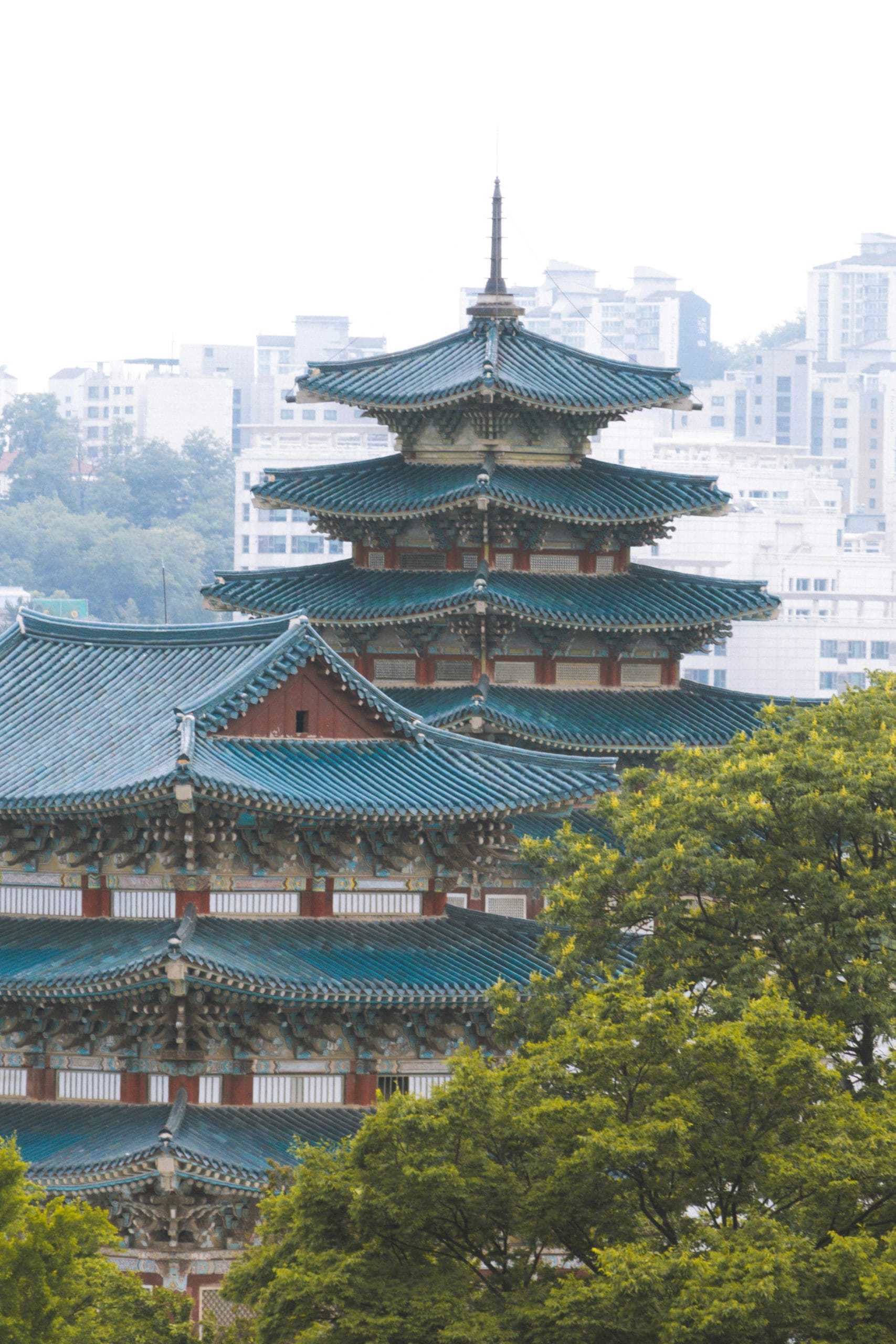
In contrast, the Jongno and Jung-gu districts offer a more meditative experience. Here, luxury design often pays homage to the past. You will find boutique properties that integrate traditional hanok elements—such as tiled roofs and open courtyards—into a contemporary framework. These areas are ideal for travelers who wish to be within walking distance of the royal palaces and the hidden tea houses of Insadong.
For a more curated, intellectual atmosphere, Hannam-dong has emerged as the epicenter of refined taste. This neighborhood is home to a concentration of art galleries, concept stores, and discreet luxury residences. Staying in this area provides a quieter, more residential feel while keeping you close to the city’s most innovative creative hubs. When comparing various Seoul design hotels, the neighborhood often dictates the rhythm of your entire trip.
Designing Your Daily Travel Flow
Navigating a metropolis as vast as Seoul requires a strategy that prioritizes comfort over haste. To truly appreciate the city’s design landscape, it is best to group your explorations by district to minimize transit time. A typical refined itinerary might dedicate a full morning to the serene galleries of the Leeum Museum of Art in Hannam-dong, followed by a slow afternoon of wandering through the boutiques of Apgujeong.
While the public transportation system is world-class and remarkably efficient, the luxury traveler should consider the convenience of private hire cars or premium taxis for movements between major hubs. This ensures that the transition from a serene hotel suite to a bustling market remains a seamless experience, shielding you from the sensory overload of the rush hour commute.
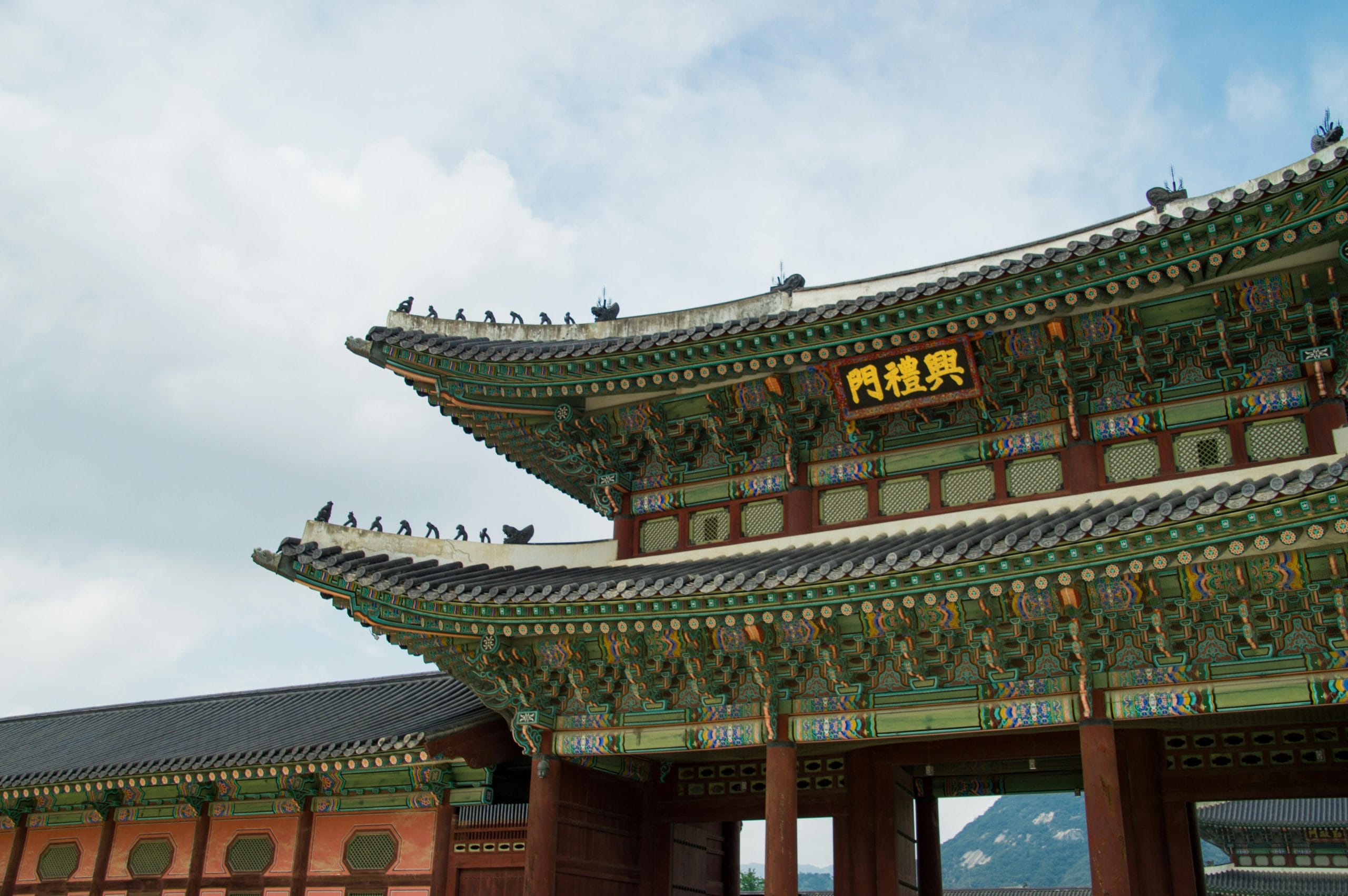
Timing is equally critical. To experience the city’s architecture without the crowds, plan your visits to iconic landmarks during the early morning hours. Mid-day is best reserved for long, leisurely lunches in architecturally significant cafes, where the focus is as much on the vessel and the space as it is on the coffee. Ending the day with a rooftop view of the N Seoul Tower allows the city’s layout to reveal itself in a way that is impossible from the street level.
Elevated Experiences Beyond the Hotel Lobby
A stay in a design-focused hotel is most rewarding when paired with external experiences that echo the same commitment to aesthetic excellence. Seoul is currently experiencing a renaissance in ‘space branding,’ where cafes and retail stores are designed as immersive art installations. Visiting these spaces allows you to see how the principles of the city’s top hotels are applied to smaller, more intimate public environments.
Engaging with the local arts scene is essential. Beyond the major museums, seeking out smaller, independent galleries in the Seongsu-dong area—often referred to as the Brooklyn of Seoul—offers a glimpse into the raw, industrial design that is currently influencing the city’s luxury sector. The juxtaposition of rusted warehouses and polished concrete interiors provides a compelling contrast to the polished luxury of Gangnam.
For a moment of genuine tranquility, prioritize a visit to a traditional tea house that has been modernized for the contemporary era. These spaces often utilize negative space and natural lighting to create a sense of calm, echoing the minimalist luxury found in high-end suites. This balance of high-energy urban exploration and intentional stillness is the key to a refined Seoul experience.
Who Should Choose a Design-Focused Stay
This approach to travel is best suited for the aesthetic seeker—the traveler who views their environment as a critical part of their mental well-being. If you find inspiration in the curve of a staircase, the texture of a limestone wall, or the way light hits a room at four in the afternoon, a design hotel is the only logical choice.
It also appeals to the creative professional or the luxury enthusiast who seeks something beyond the standardized gold-and-marble opulence of traditional five-star chains. These travelers value authenticity and narrative over generic luxury. They want a hotel that tells a story about the city it inhabits and reflects the current cultural zeitgeist of South Korea.
Finally, this style of stay is perfect for those who treat their hotel as a destination in itself. When the architecture is this compelling, the room becomes a place for reflection rather than just a place to sleep. It transforms the act of staying in a city into an act of observing it from a curated perspective.
Practical Tips Before You Go
Planning a trip to Seoul requires an understanding of seasonality. To experience the city’s architectural beauty at its peak, visit during the autumn months when the foliage turns vibrant shades of red and gold, perfectly complementing the grey tones of the city’s modern concrete. Spring is equally breathtaking, though the cherry blossom crowds can make movement more challenging.
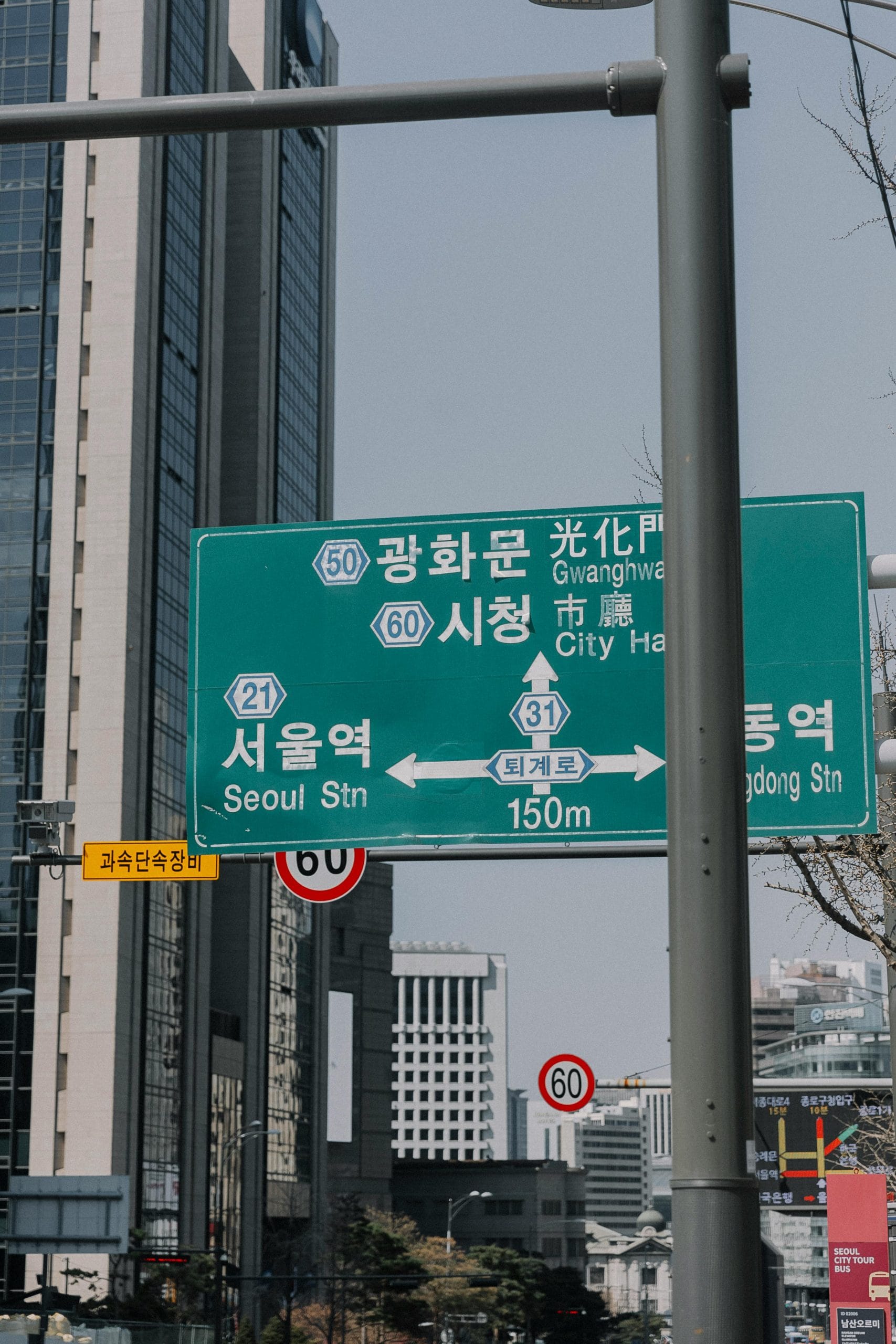
Regarding connectivity, ensure you have a reliable digital map and a translation app, as some of the most refined design spots are tucked away in narrow alleys where English signage may be minimal. While luxury hotels provide concierge services, having the independence to explore hidden corners of the city is part of the charm.
Lastly, be mindful of reservation timelines. The most sought-after design properties in Seoul often have limited room inventories compared to massive luxury towers. To secure a room in a boutique architectural gem, it is advisable to book several months in advance, particularly if your visit coincides with a major cultural festival or a peak seasonal window.
FAQ
When is the best time to visit Seoul for design lovers?
The most visually rewarding time to visit is during autumn, typically from October to November. The crisp air and changing colors of the surrounding mountains create a stunning natural contrast with the city’s sleek, modern architecture. This season also typically sees the launch of new gallery exhibitions and design pop-ups across the city’s creative districts.
How do I choose between Seoul design hotels and traditional hanoks?
The choice depends on your priority for the stay. Design hotels offer modern amenities, cutting-edge aesthetics, and high-tech comfort. Traditional hanoks provide a deep immersion into Korean heritage and a slower pace of life. For the ultimate experience, many refined travelers split their time, spending a few nights in a modern architectural marvel and a few in a luxury hanok.
What is the best way to navigate Seoul’s luxury districts?
For those prioritizing comfort and efficiency, utilizing premium taxis or private chauffeur services is the most seamless option. This allows you to move between refined neighborhoods like Gangnam and Hannam-dong without the stress of navigating the complex subway system. Private transport ensures you arrive at your destination refreshed and ready to enjoy the city’s aesthetic offerings.
Staylora.com may contain affiliate links and third-party booking tools. We may earn a commission from qualifying bookings at no extra cost to you. Hotel prices, availability, policies, and travel information may change without notice. Please verify all important details directly with the booking provider before making any reservation.