The Quiet Allure of Sustainable Sophistication
The scent of pine needles and salted sea air often lingers in the quiet corridors of the city’s most sophisticated retreats. Oslo is a place where the boundary between urbanity and wilderness is intentionally blurred, creating a unique environment for those who seek stillness without sacrificing style. For the seasoned traveler, the search for eco-luxury hotels Oslo provides is not merely about certifications, but about a holistic approach to refined living that honors the Norwegian landscape.
This city does not shout its luxury. Instead, it whispers through the use of light oak, recycled stone, and an unwavering commitment to minimalism. The elegance found here is rooted in a philosophy of less but better, where the quality of a linen sheet or the precision of a geothermal heating system is valued over ostentatious displays of wealth. It is a destination that rewards those who move slowly and observe the meticulous details of Nordic design.
Choosing a sustainable stay in the Norwegian capital allows a visitor to align their travel habits with the local ethos. Norway has long been a pioneer in green energy and urban planning, and this is reflected in the hospitality sector. The most refined hotels now integrate living walls, zero-waste dining concepts, and carbon-neutral operations into a seamless guest experience that feels indulgent rather than restrictive.
The Appeal of eco-luxury hotels Oslo
The intersection of ecology and luxury in Oslo is defined by a commitment to authenticity. Unlike traditional luxury, which often relies on imported excess, the eco-luxury scene here focuses on hyper-local sourcing and architectural harmony. Guests will find that the most prestigious properties are those that manage to disappear into their surroundings or enhance them through conscious design.
Many of these establishments utilize advanced BREEAM certifications, ensuring that every aspect of the building, from the insulation to the water filtration, minimizes environmental impact. However, the guest experiences this not as a series of restrictions, but as an elevated form of comfort. Air quality is pristine, acoustic dampening is handled by natural materials, and the lighting is designed to mimic the natural circadian rhythms of the North.
The interiors typically favor a palette of muted earth tones, echoing the fjords and forests that encircle the city. By prioritizing natural light and open spaces, these hotels create a sense of sanctuary. This approach to design fosters a mental clarity that is essential for a truly restorative escape, making the hotel an extension of the destination’s natural beauty rather than a barrier to it.
Selecting the Ideal Neighborhood for a Slow Escape
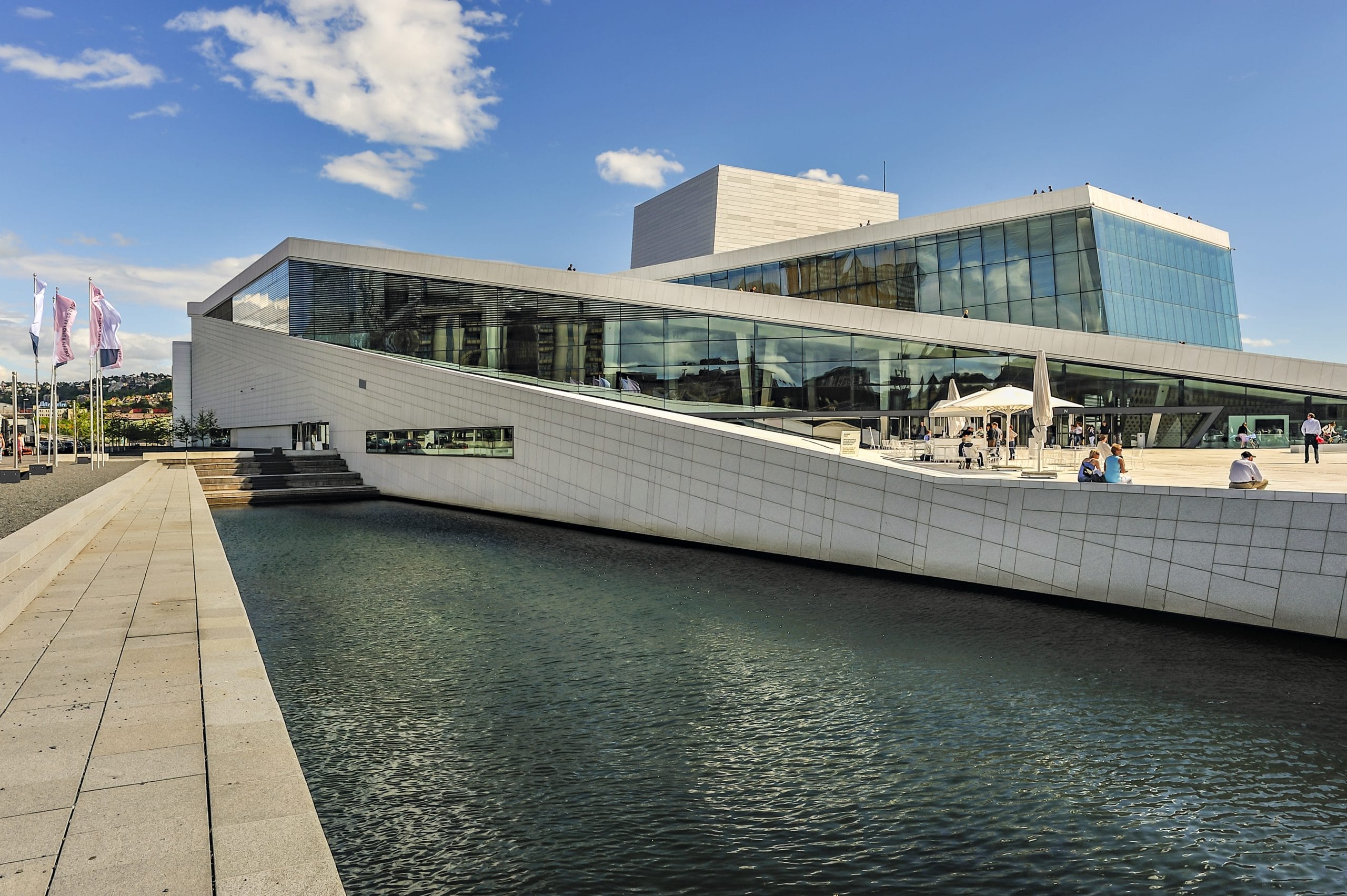
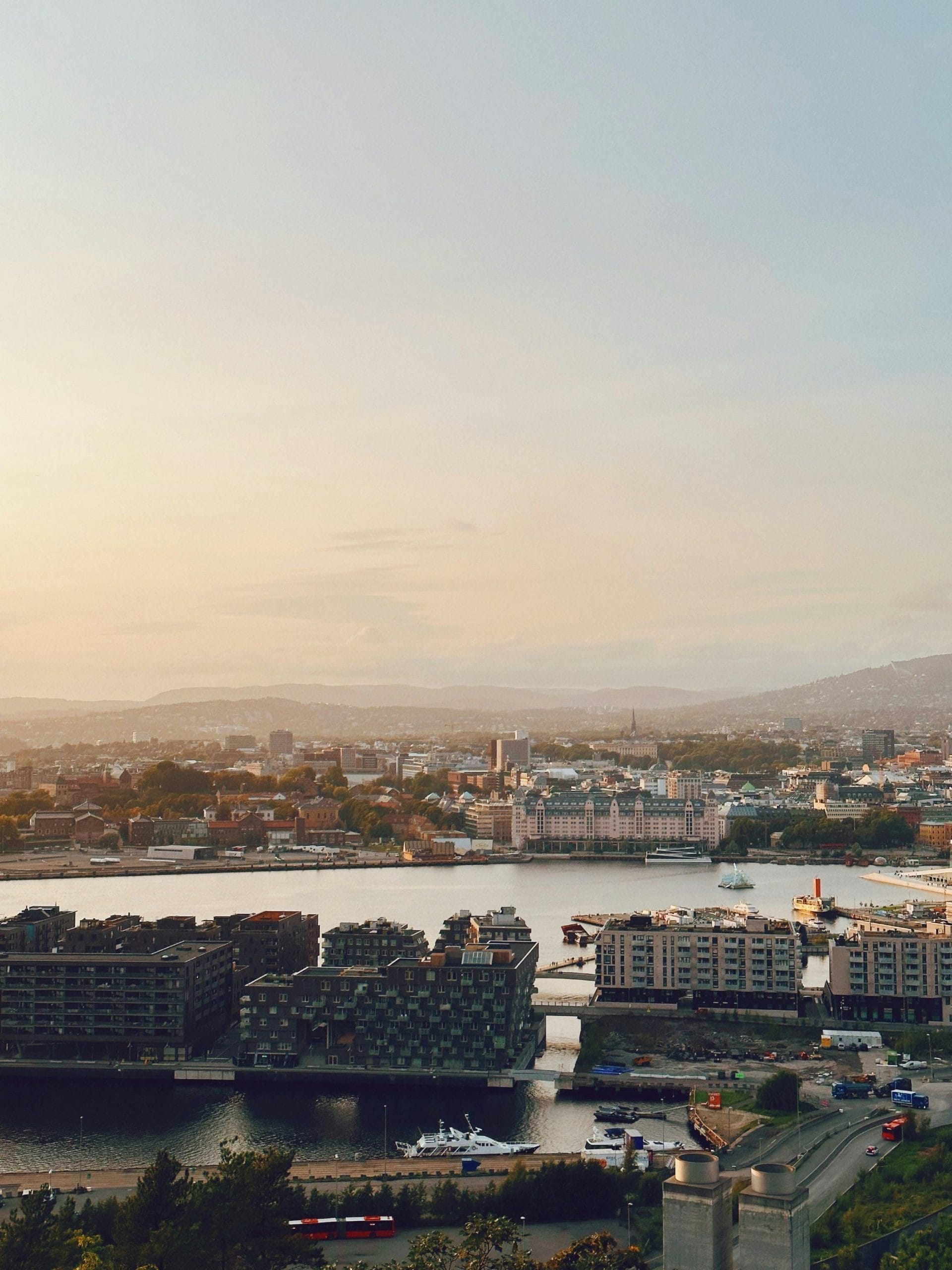
For the traveler seeking a polished route through the city, the choice of neighborhood dictates the rhythm of the trip. Bjørvika is the heart of modern Oslo, characterized by a stunning waterfront and a concentration of contemporary art. This area is ideal for those who appreciate architectural innovation and wish to be within walking distance of the Opera House and the Munch Museum.
In contrast, the Frogner district offers a more classical interpretation of luxury. Here, wide boulevards are lined with embassies and stately villas, providing a quiet, residential atmosphere that feels worlds away from the tourist center. It is the perfect location for a romantic stay, where mornings are spent wandering through the Vigeland Sculpture Park and afternoons are reserved for quiet reading in a boutique hotel library.
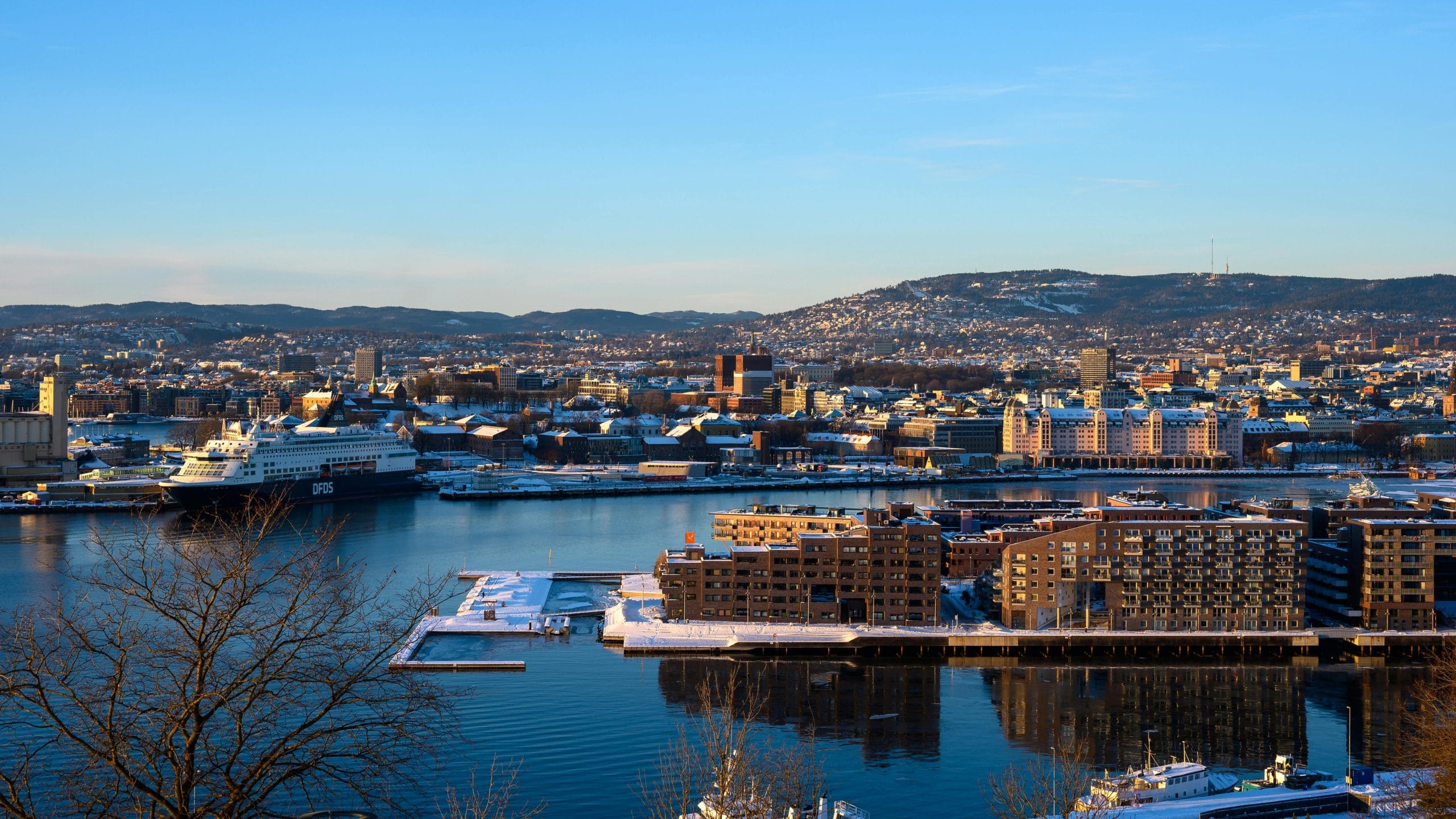
The city center remains a viable option for those who prefer immediate access to high-end shopping and dining, provided they choose a hotel that acts as a quiet enclave. The key is to look for properties that prioritize interior courtyards or rooftop gardens, allowing the guest to retreat from the urban bustle into a private, green sanctuary without leaving the heart of the city.
Crafting a Mindful Long Weekend Flow
The secret to enjoying Oslo without rushing is to embrace the concept of slow travel. Rather than attempting to check every landmark off a list, the polished traveler selects one primary experience per day. This allows for the spontaneous discoveries that make a trip memorable, such as stumbling upon a hidden craft gallery or spending an extra hour enjoying a perfectly brewed coffee by the harbor.
A refined itinerary might begin with a slow morning of wellness, utilizing the hotel’s sustainable spa facilities before a gentle walk toward the waterfront. Mid-day can be dedicated to a single cultural immersion, perhaps a curated tour of a museum, followed by a long, leisurely lunch featuring seasonal Norwegian ingredients. This pace prevents the fatigue often associated with city breaks and ensures that each experience is fully absorbed.
Evenings should be viewed as a ritual of winding down. Instead of hopping between multiple venues, choose one exceptional restaurant that emphasizes the farm-to-table movement. Allow the meal to be the main event of the evening, savoring the local seafood and the minimalist ambiance. Returning to a sustainable hotel room that smells of cedar and fresh air completes the cycle of a day lived with intention.
Curated Local Rituals and Refined Experiences
To truly understand the texture of Oslo, one must engage with its everyday rituals. A visit to Mathallen, the city’s gourmet food hall, offers a sensory exploration of Nordic flavors. Rather than a quick snack, treat this as a tasting journey, sampling artisanal cheeses and cured meats while observing the local culinary craft.
One of the most authentic luxury experiences in Oslo is the traditional sauna, followed by a plunge into the cold waters of the fjord. Many of the city’s eco-conscious hotels provide access to floating saunas, where the heat of the wood-fire meets the crispness of the North Sea. This ritual is not just about wellness; it is a profound way to connect with the elemental nature of Norway.
For those drawn to design, exploring the smaller boutiques in the city center reveals the depth of Norwegian craftsmanship. From hand-woven textiles to minimalist jewelry, these pieces embody the same sustainable elegance found in the city’s top hotels. Investing in a piece of local craft serves as a tactile reminder of a trip defined by quality over quantity.
Practical Planning for the Polished Traveler
Timing is essential when planning a visit to the North. The period from late May to September offers the legendary midnight sun, providing endless hours of daylight that naturally extend the day’s possibilities. This is the ideal time for outdoor exploration and enjoying the city’s waterfront promenades in light linens.
Conversely, a winter visit in December provides a cozy, atmospheric experience. The city transforms into a wonderland of soft lights and warm interiors, making the comfort of a luxury hotel even more poignant. During this season, packing high-quality knitwear and cashmere is a necessity, ensuring that one remains warm while maintaining a sophisticated silhouette.
Movement within the city is effortlessly refined. Electric taxis are the standard, and the public transport system is among the most efficient in the world. However, the best way to experience the transition between neighborhoods is on foot. The city is remarkably walkable, and the act of walking allows the traveler to notice the subtle shifts in architecture and atmosphere that define Oslo’s unique character.
FAQ
When is the best time to visit eco-luxury hotels Oslo?
The ideal window is between late May and early September, when the weather is mild and the daylight is nearly constant. This allows for maximum enjoyment of the outdoor architecture and waterfront vistas. Alternatively, December is wonderful for those seeking a festive, cozy atmosphere where the hotel’s interior warmth becomes a primary part of the luxury experience.
How do I choose between the different neighborhoods?
Select Bjørvika if you are drawn to cutting-edge design, contemporary art, and a vibrant waterfront energy. Choose Frogner for a more serene, traditional experience characterized by quiet streets and classical elegance. The city center is best for those who prioritize convenience and high-end retail, provided they secure a hotel that offers a quiet, secluded atmosphere.
Is sustainable luxury common in Norway?
Sustainability is not just common; it is a core cultural value in Norway. Most high-end accommodations integrate eco-friendly practices as a standard rather than an optional add-on. From carbon-neutral building materials to zero-waste dining, the luxury sector in Oslo leads the way in showing that environmental responsibility and refined opulence can coexist perfectly.
Staylora.com may contain affiliate links and third-party booking tools. We may earn a commission from qualifying bookings at no extra cost to you. Hotel prices, availability, policies, and travel information may change without notice. Please verify all important details directly with the booking provider before making any reservation.