Luxury retreats in Patagonia and the Mood of the Place
The morning begins with the soft touch of heavy linen and the distant, rhythmic call of a Chucao bird. Light filters through floor-to-ceiling glass in muted, silvery tones, illuminating a room where the scent of cedar and fresh mountain air lingers. There is a specific kind of stillness here, a quietude that feels earned by the sheer distance from the noise of the urban world.
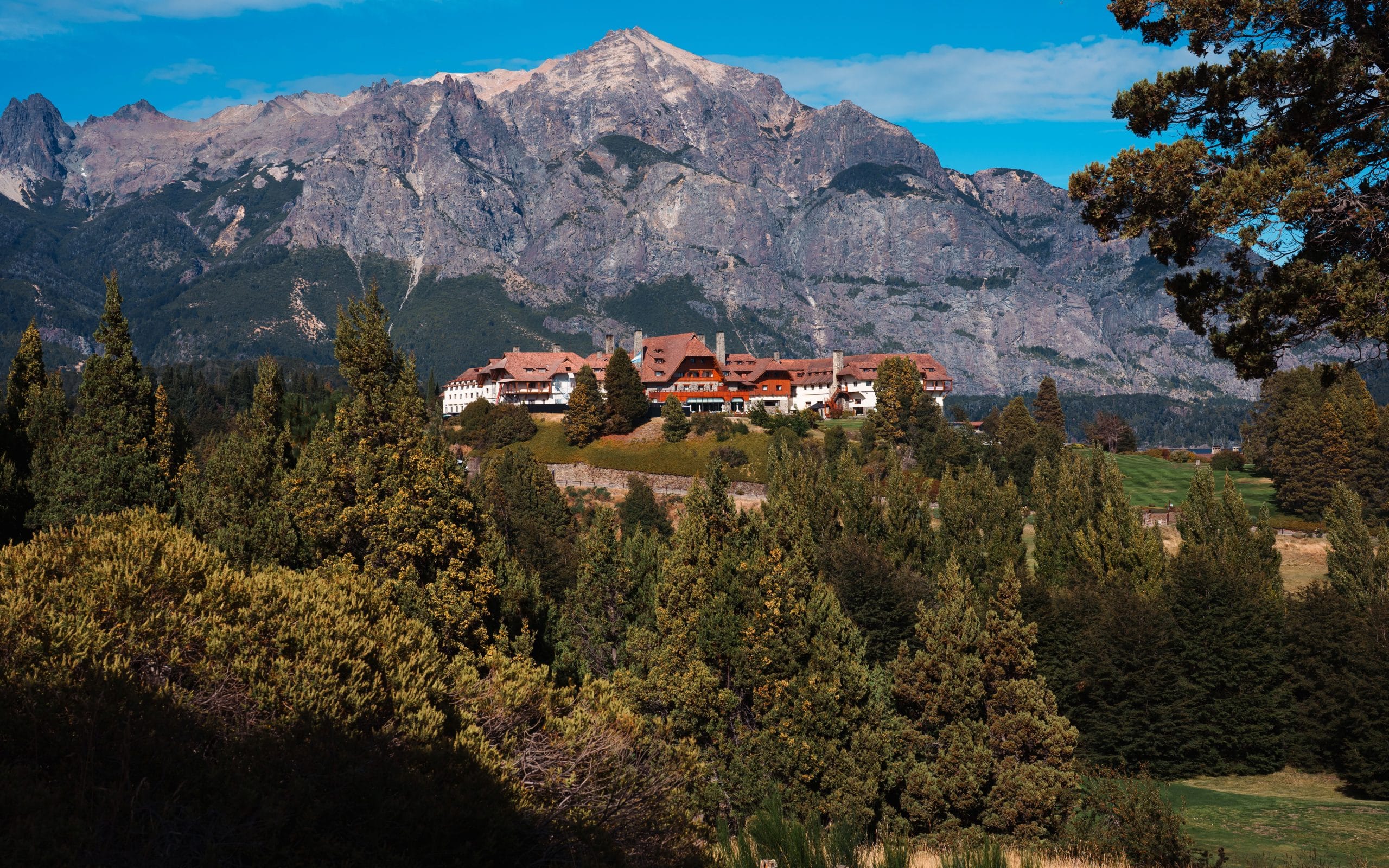
In this remote corner of the globe, luxury retreats in Patagonia are not merely places to stay but are carefully curated sanctuaries. They act as a lens through which the raw, untamed beauty of the Andes and the Atlantic coast is observed without sacrificing the comforts of a refined lifestyle. The mood is one of understated elegance, where the luxury is found in the space, the silence, and the deliberate pace of the day.
For couples seeking a romantic escape, the appeal lies in the contradiction of the environment. Outside, the wind may howl across the pampas and glaciers may groan under their own weight, but inside, there is a cocoon of warmth. It is a feeling of being safely sheltered within a design that respects the power of nature while elevating the human experience through thoughtful, minimal aesthetics.
This is a destination that demands a slower rhythm. It is not about checking off a list of landmarks but about the pleasure of watching the light shift across a granite spire from the comfort of a cashmere throw. The luxury here is measured in moments of presence, the warmth of a crackling fire, and the deep, restorative sleep that only comes from being truly immersed in the wild.
A Design Philosophy Sculpted by the Elements
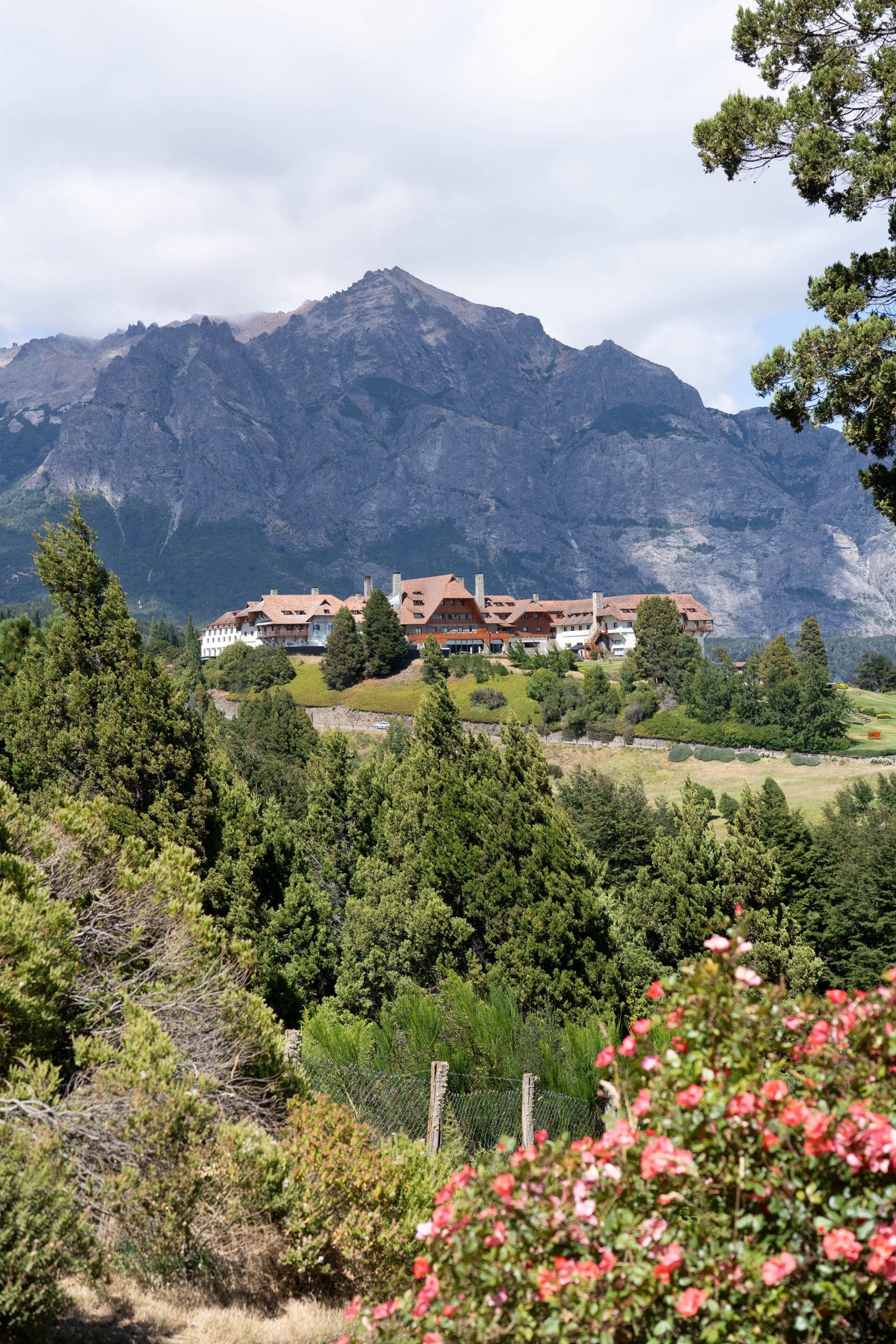
The architecture of the region’s most sophisticated stays is a masterclass in tactile luxury. There is a move away from the opulent and toward the organic, utilizing a neutral palette that mirrors the landscape. Greys of the rain-slicked stone, deep browns of the Lenga forests, and the pale ochre of the autumn grasslands find their way into the interior design.
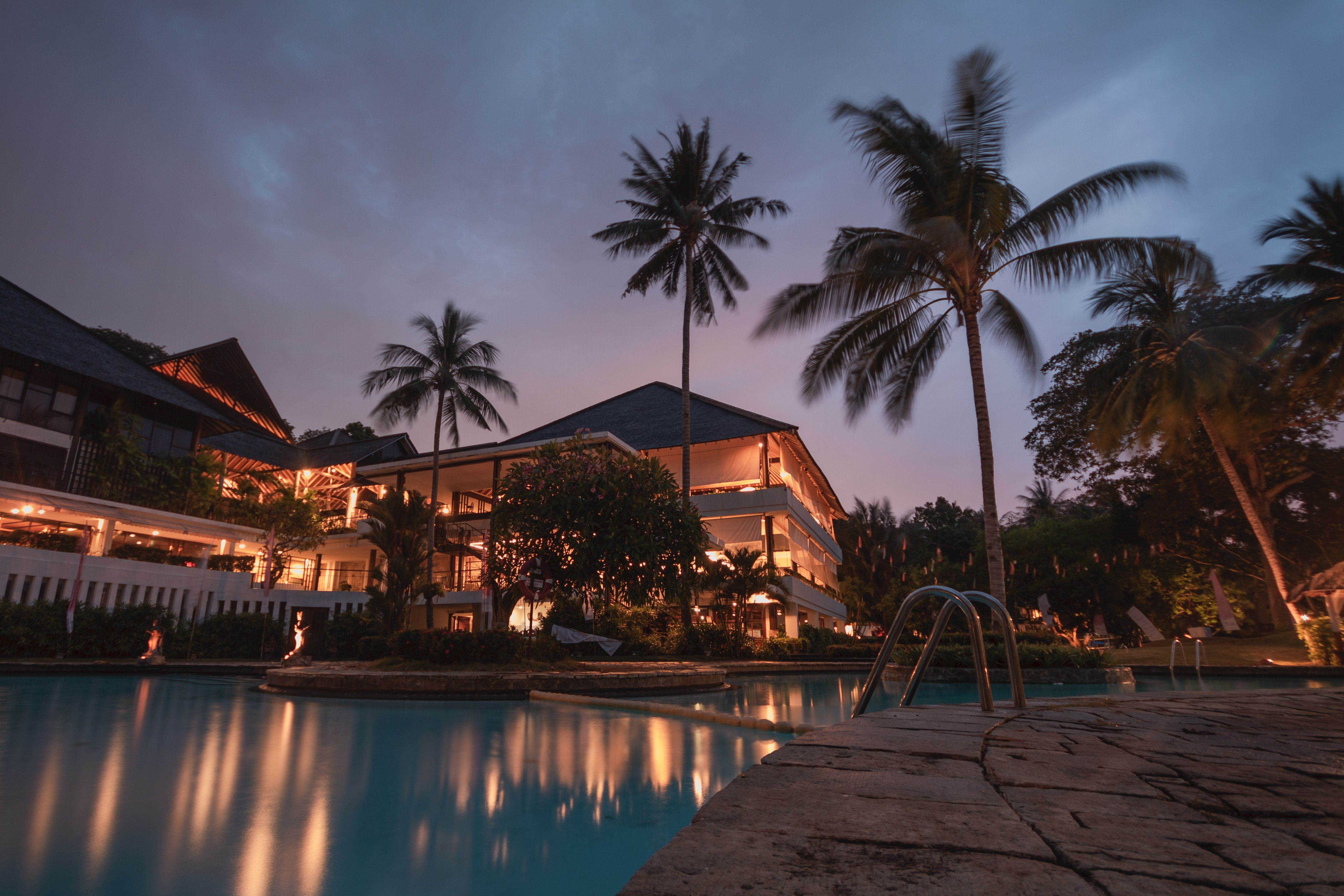
Materials are chosen for their honesty and their ability to age gracefully. Unpolished stone floors provide a grounded feeling, while reclaimed woods bring a sense of heritage and warmth to the expansive spaces. The use of glass is strategic, designed to blur the boundary between the interior sanctuary and the dramatic exterior, making the landscape the primary piece of art in every room.
These design-led spaces avoid the clutter of traditional luxury. Instead, they embrace a boutique editorial perspective where every object has a purpose and a story. A hand-woven wool rug from a local artisan, a minimalist reading chair positioned perfectly for the sunset, and lighting that mimics the soft glow of dusk create an atmosphere of refined relaxation.
This architectural approach ensures that the stay does not compete with the destination. Instead, it frames the wilderness. The buildings often hug the contours of the earth, sliding into the hillsides or floating above the scrubland on discreet stilts, ensuring that the footprint is light but the emotional impact is profound.
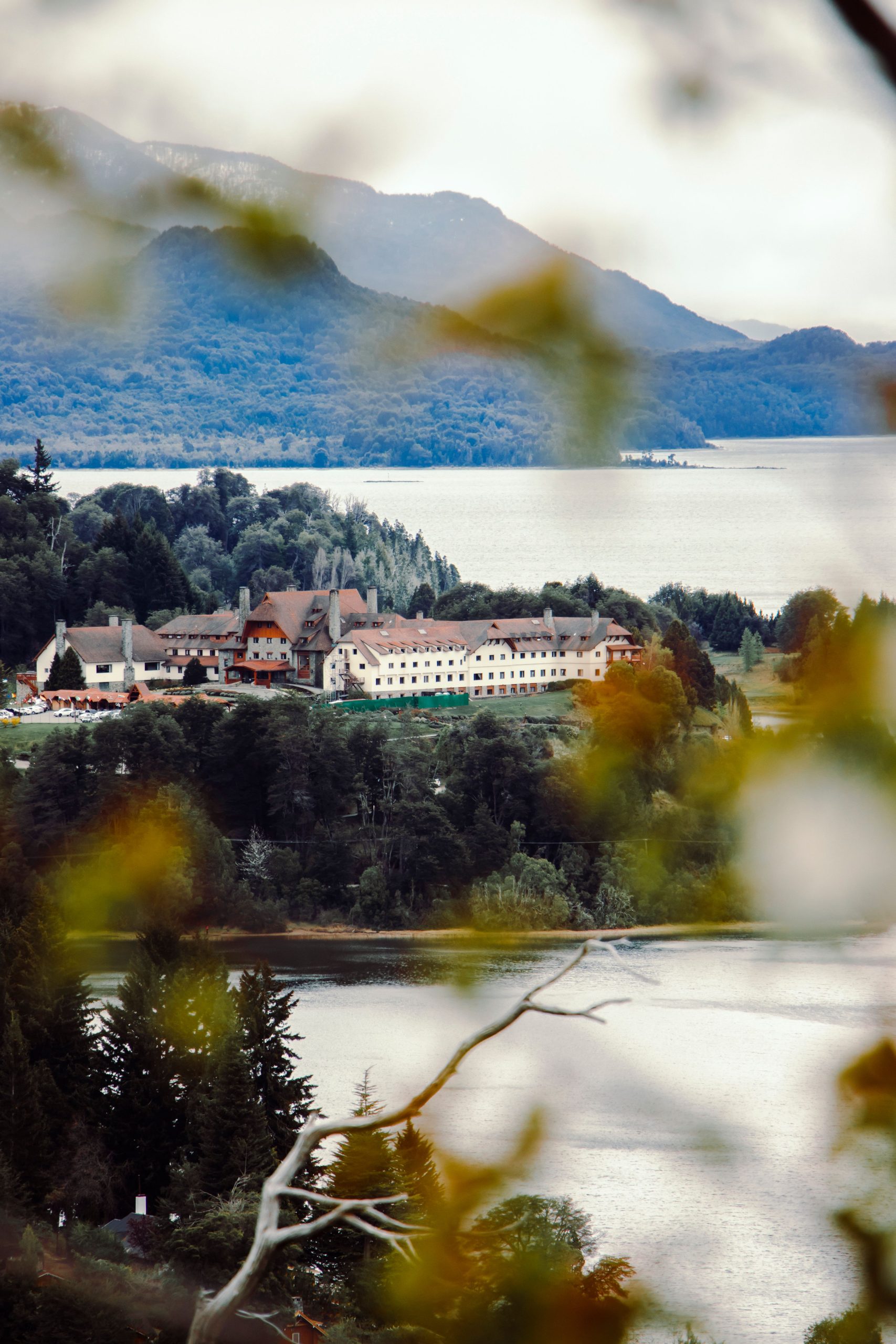
The Art of Slow Wandering in the Shoulder Season
Visiting during the shoulder season transforms the experience into something far more intimate. When the summer crowds have dissipated, a profound quiet settles over the fjords and valleys. This is the time for the pleasure of wandering without rushing, where the itinerary is dictated by the mood of the weather and the whims of the heart.
A gentle morning-to-evening rhythm defines the ideal stay. It might begin with a slow breakfast of local berries and artisanal breads, followed by a walk through a forest where the air is crisp and tastes of ancient ice. There is no pressure to reach a summit or complete a trek; the goal is simply to be present in the landscape.
For couples, this slow pace fosters a deeper connection. The absence of distractions allows for long conversations over glasses of deep red Malbec, accompanied by the sound of wind rattling the eaves of a design-led lodge. The romanticism of Patagonia is not found in grand gestures, but in the shared silence of watching a condor circle a distant peak.
The shoulder season also brings a visual feast of color. The landscapes shift into deep reds and burnt oranges, complementing the neutral tones of the architecture. It is a period of reflection and transition, mirroring the internal state of the traveler who has come here to disconnect from the digital hum and reconnect with a slower, more visceral version of existence.
Culinary Heritage and the Elegant Dining Mood
The gastronomic experience in these refined retreats is an extension of the design philosophy. It is grounded in local identity, focusing on the purity of ingredients and the heritage of the region. The dining mood is elegant yet relaxed, often centered around a communal hearth or a table overlooking a mirrored lake.
Local food culture is celebrated through the lens of modern refinement. The traditional Patagonian lamb, slow-roasted over an open fire, is reimagined with sophisticated accompaniments that highlight the terroir. Fresh seafood from the chilled waters of the south is served with a minimalist precision that allows the natural flavors to lead.
Dinner is not just a meal but a ritual. The transition from the cool evening air into a warm, candlelit dining room creates a sensory shift that is deeply comforting. The use of heavy stoneware and linen napkins adds to the tactile quality of the experience, making the act of dining feel like a grounded, celebratory event.
Wine plays a central role, with regional varietals that mirror the boldness and the acidity of the landscape. The pairing of a crisp white wine with the view of a turquoise glacial lake creates a memory that lingers long after the trip has ended. It is a culinary approach that values quality over quantity and authenticity over artifice.
Who Finds Solace in the Southern Wilds
These sophisticated retreats speak to a specific type of traveler—the urbanite who appreciates the rigor of modern design but craves the chaos of the natural world. They are individuals who find beauty in a monochrome palette and luxury in the absence of noise.
Couples who have shared a lifetime of city rhythms often find that Patagonia offers a necessary recalibration. The destination attracts those who are not looking for a typical vacation but for a romantic escape that feels like a sanctuary. It is for the traveler who prefers a well-curated library and a view of the mountains over a crowded tourist hub.
There is also a strong appeal for those interested in the intersection of sustainability and style. The modern luxury traveler is increasingly drawn to retreats that honor their environment, where the elegance is derived from a harmonious relationship with the earth rather than a dominance over it.
Ultimately, this destination attracts the soulful wanderer. Those who understand that the greatest luxury of the twenty-first century is the ability to be unreachable for a few days, wrapped in the comfort of a beautifully designed space, while the wild world unfolds just beyond the glass.
The Staylora Perspective on Patagonian Elegance
From our perspective, the true allure of the region lies in its ability to strip away the unnecessary. In the city, luxury is often additive—more services, more gold, more noise. In Patagonia, luxury is subtractive. It is the removal of the trivial to make room for the essential.
The most successful retreats in the region are those that recognize the landscape is the protagonist. The architecture serves as the supporting cast, providing the necessary comfort and aesthetic framing to allow the nature of the south to shine. This is the essence of refined travel: knowing when to step back and let the destination speak.
We believe that the most memorable escapes are those that leave a mark on the spirit rather than just the photo album. The combination of design-led shelter, local culinary heritage, and the vast, open scale of the wilderness creates a transformative experience that lingers in the memory as a feeling of profound peace.
Whether it is the tactile warmth of a wool blanket or the sight of the first star appearing over a jagged peak, the elegance of Patagonia is found in these small, grounded details. It is a reminder that the most sophisticated way to travel is to move gently, breathe deeply, and allow the landscape to sculpt the experience.
FAQ
When is the best time to visit luxury retreats in Patagonia?
The shoulder seasons of October to November and March to April are ideal. These periods offer a quieter atmosphere and breathtaking colors, avoiding the peak summer crowds. The weather is temperate enough for gentle exploration, and the mood of the region is more reflective and romantic, making it perfect for those seeking a refined escape.
What defines the architectural style of high-end Patagonian stays?
The style is characterized by organic minimalism and a focus on tactile materials. Expect to see a neutral palette of stone, reclaimed wood, and expansive glass. The design aims to blur the line between indoors and outdoors, ensuring the rugged landscape remains the focal point while providing a high level of interior warmth and sophistication.
How do these luxury retreats in Patagonia incorporate local culture?
Culture is woven in through the use of local artisanal crafts, such as hand-woven textiles and pottery, and a deep commitment to regional gastronomy. By focusing on heritage ingredients like Patagonian lamb and local wines, these retreats create a grounded experience that honors the identity of the region through a refined, modern lens.
Staylora.com may contain affiliate links and third-party booking tools. We may earn a commission from qualifying bookings at no extra cost to you. Hotel prices, availability, policies, and travel information may change without notice. Please verify all important details directly with the booking provider before making any reservation.