The Essence of Modern Design Hotels Taipei
Taipei is a city defined by a compelling duality, where the frantic energy of neon-lit night markets exists in a delicate balance with the hushed stillness of mountain temples. For the traveler who views the world through the lens of aesthetics, the city reveals itself not through its landmarks, but through its intentional spaces. The evolution of the city’s hospitality landscape has mirrored this growth, moving toward a philosophy of mindful minimalism and bold structural expression.
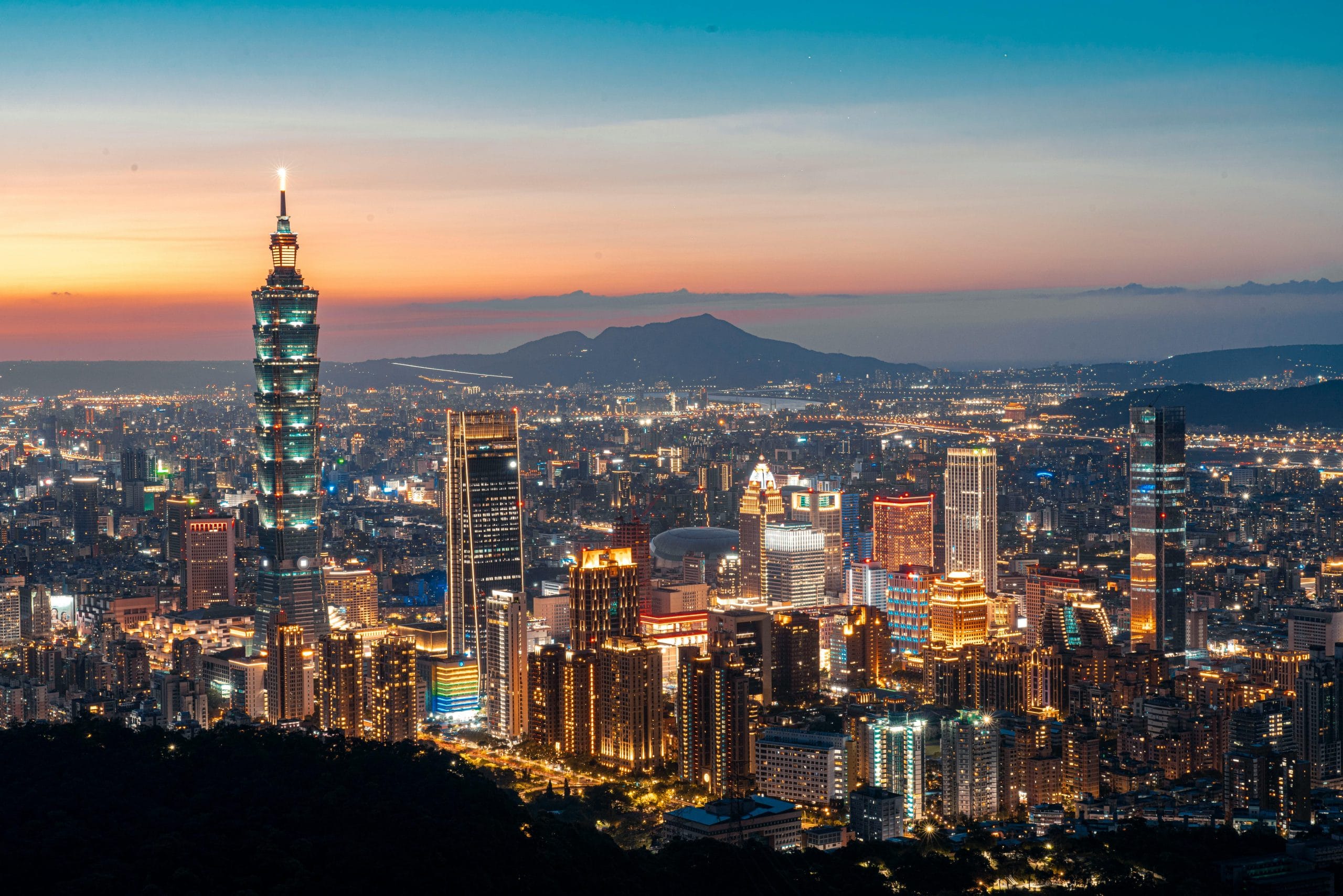
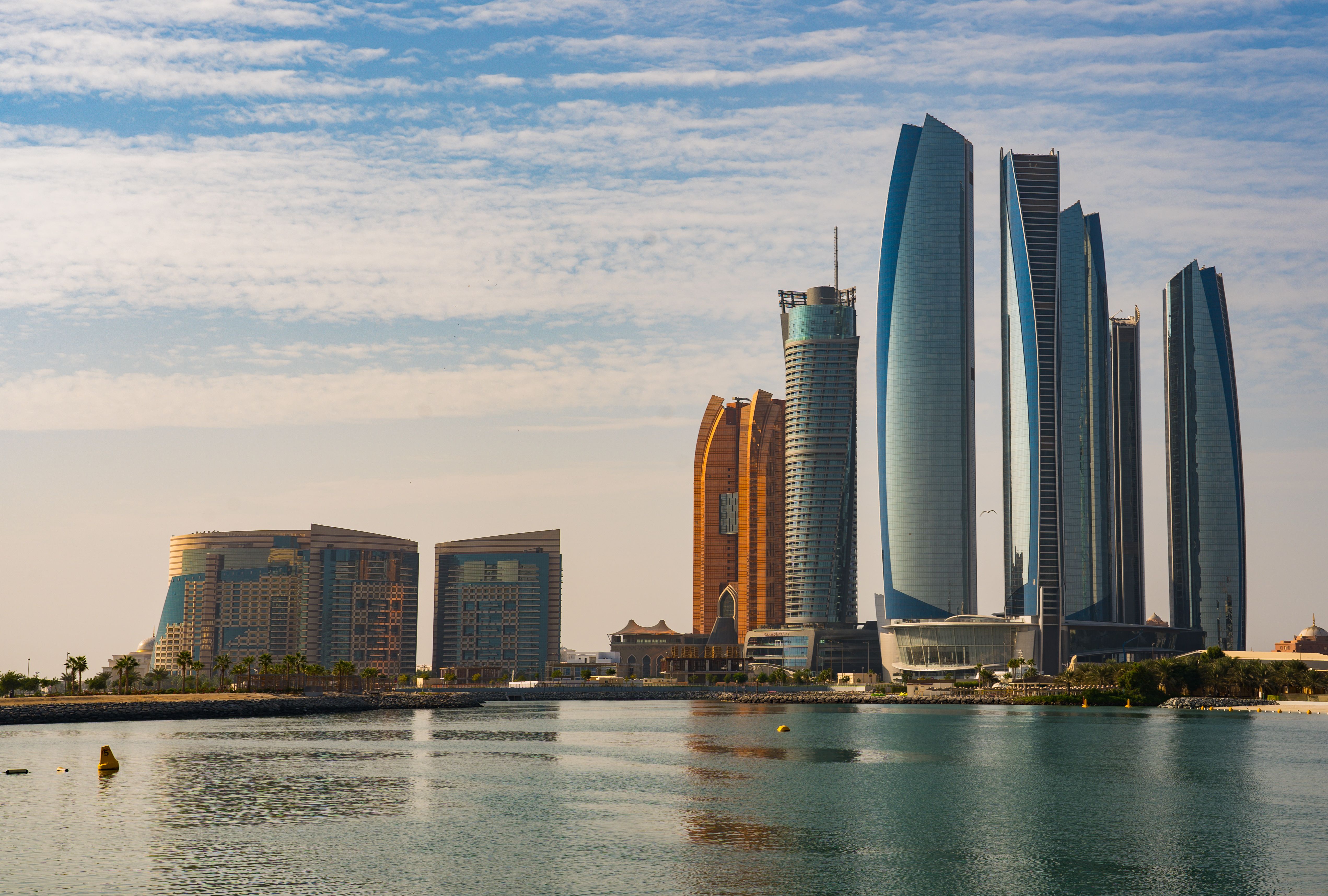
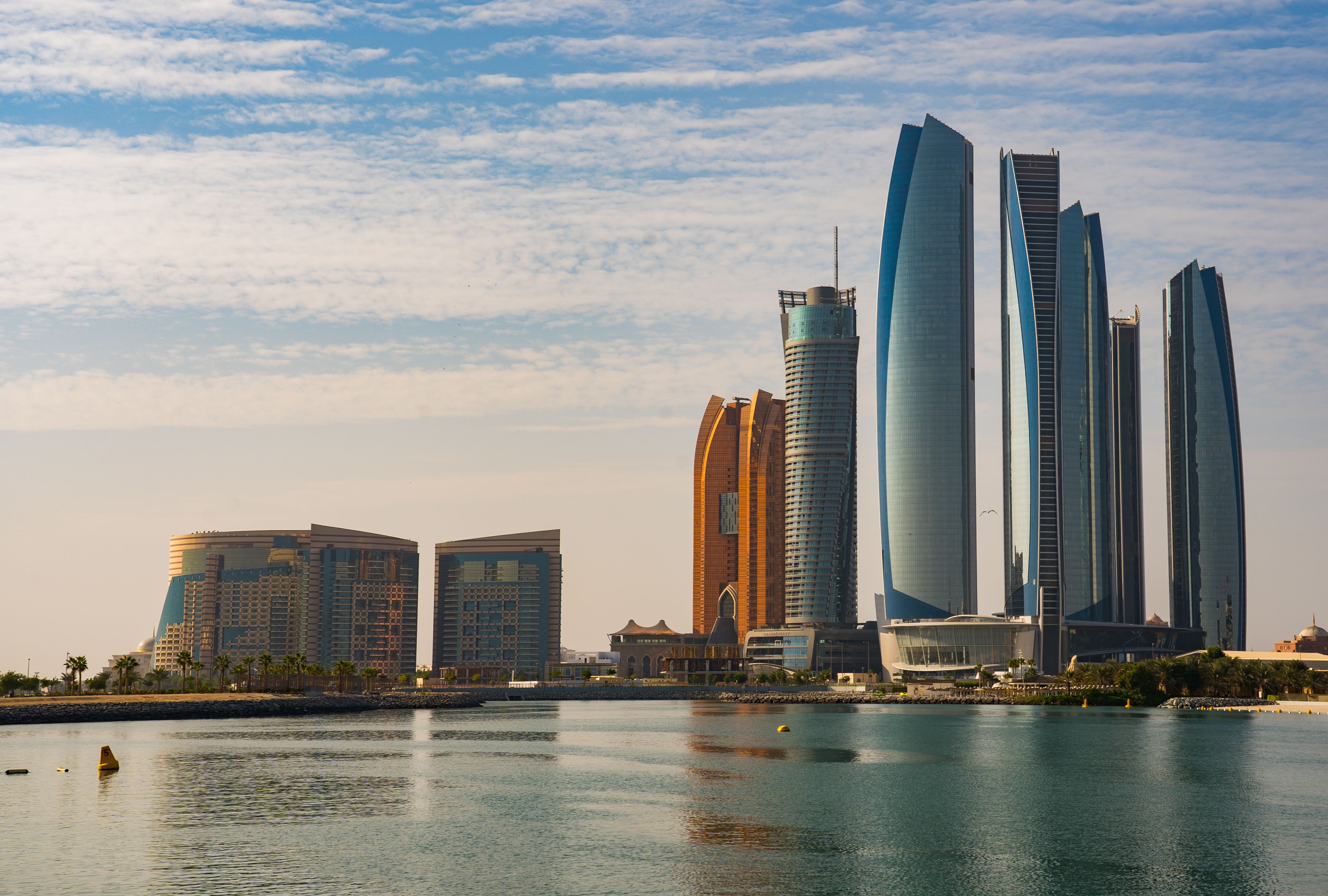
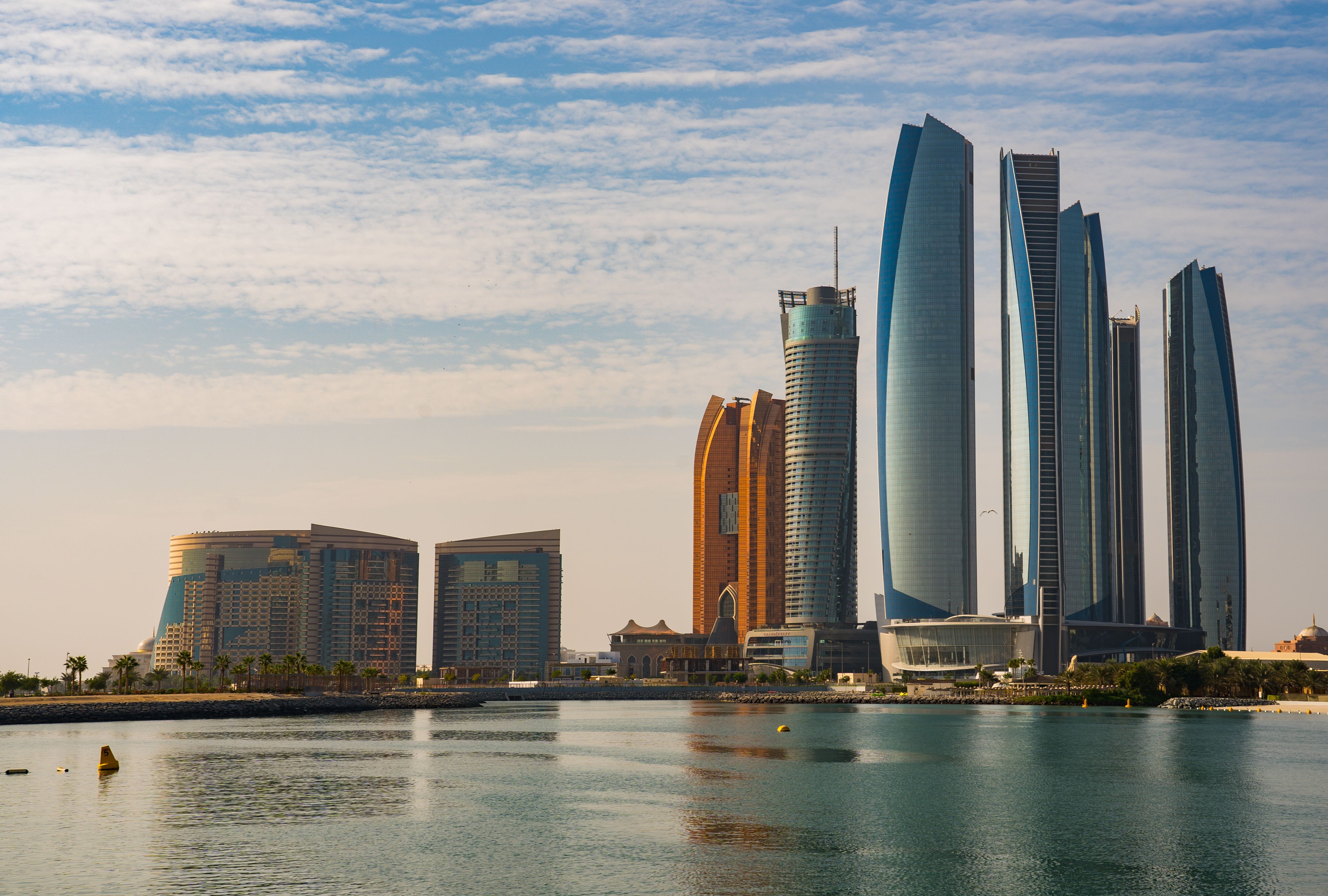
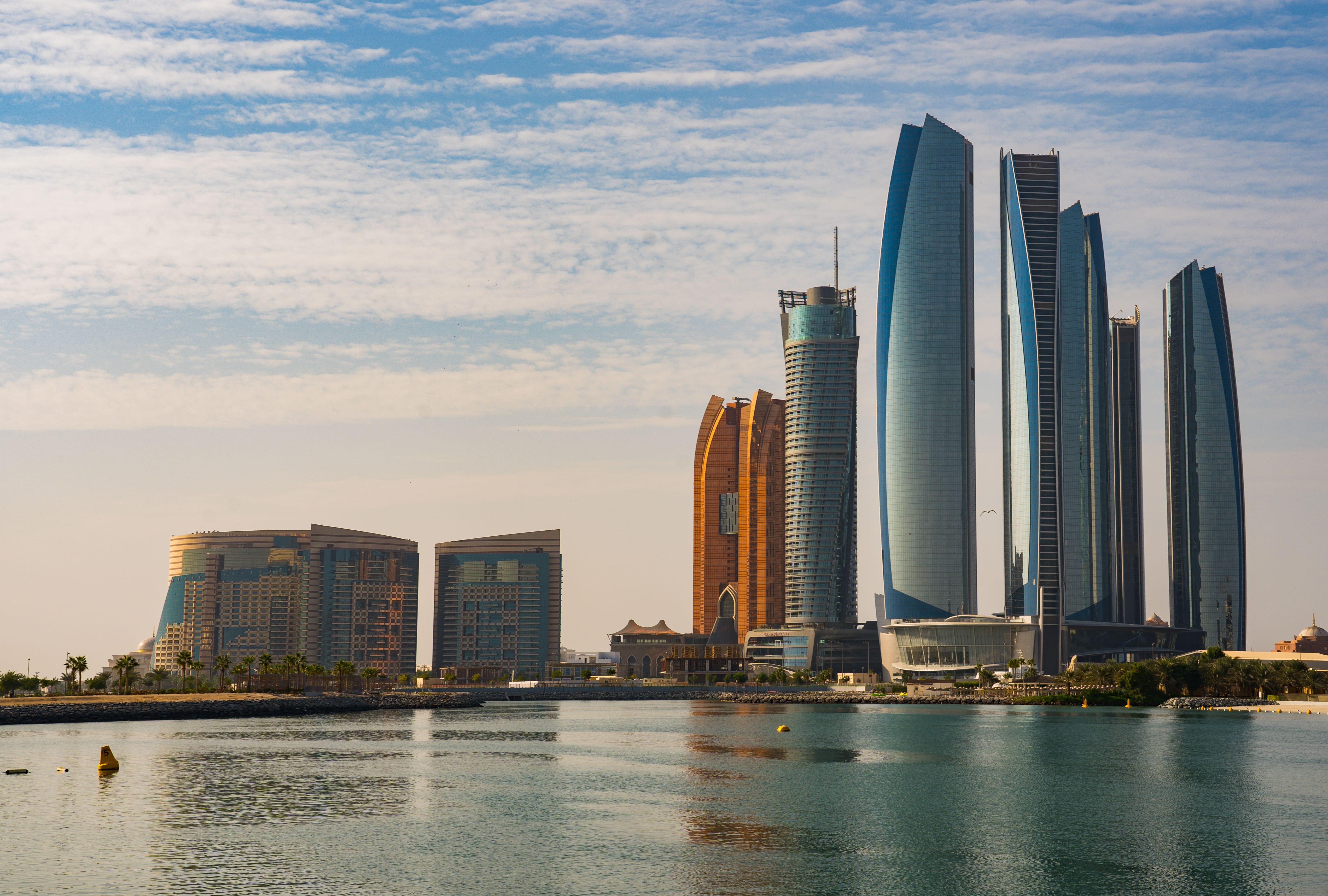
When selecting from the modern design hotels Taipei provides, the experience transcends simple lodging. These spaces serve as architectural sanctuaries that distill the chaotic beauty of the metropolis into curated interiors. Whether it is the use of raw concrete paired with warm cedar or the integration of floor-to-ceiling glass that frames the jagged skyline, the city’s premier design hotels offer a visual dialogue between the urban environment and the interior sanctuary.
Staying in a design-focused property allows a traveler to transition from the sensory overload of the streets to a place of curated calm. This architectural approach emphasizes the quality of light, the tactility of natural materials, and a spatial flow that encourages slow movement. It is this commitment to atmospheric luxury that transforms a short trip into a meaningful study of contemporary Taiwanese living.
Selecting Your District for Architectural Sophistication
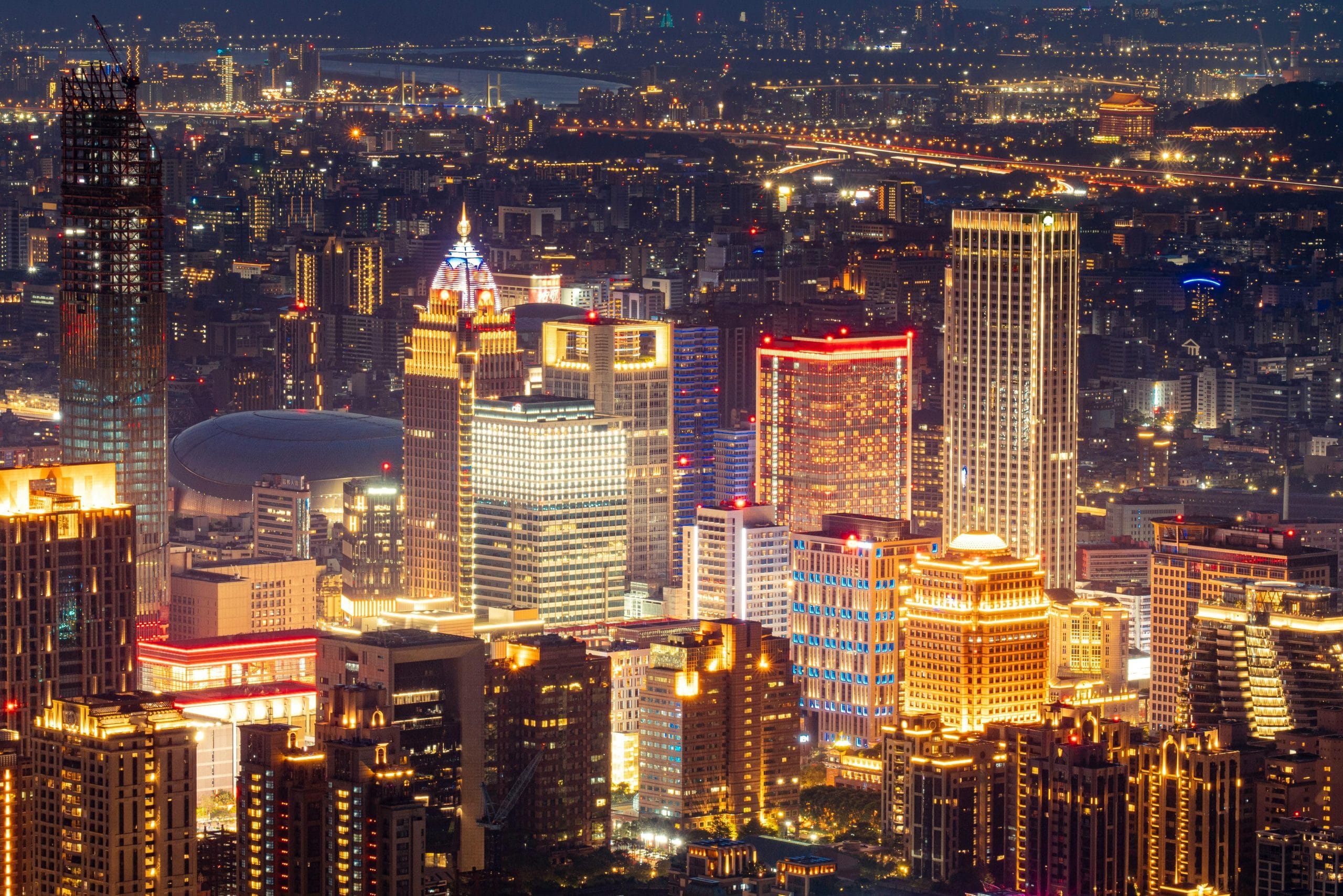
The choice of neighborhood dictates the entire rhythm of a Taipei visit. For those who gravitate toward the height of modernism, the Xinyi District is the natural center of gravity. As the city’s financial heart, it is home to towering glass monoliths and an concentration of high-end galleries. The hotels here often emphasize verticality and panoramic views, offering a perspective of the city that feels futuristic and expansive.
In contrast, the Da’an District offers a more intimate, residential elegance. This area is characterized by tree-lined avenues and hidden boutiques, making it the ideal base for those who prefer boutique luxury over grand scale. The design hotels in Da’an tend to be smaller and more experimental, often repurposing older structures with a contemporary twist. Here, luxury is found in the details, such as a perfectly placed piece of local ceramics or the subtle play of shadows in a courtyard.
For a more eclectic and artistic atmosphere, the Zhongshan District provides a fascinating intersection of old and new. This area is celebrated for its linear alleys filled with independent design shops and specialty coffee houses. The accommodations here often mirror this spirit, blending industrial elements with refined finishes. Choosing a stay in Zhongshan allows a traveler to immerse themselves in the local creative pulse while enjoying a sophisticated retreat at the end of the day.
A Curated Rhythm for the Design Traveler
To truly experience Taipei, one must avoid the temptation to rush. A refined itinerary should follow the city’s natural breath, starting with a slow morning and peaking with an evening of culinary exploration. The ideal day begins not with a checklist, but with a sensory awakening, perhaps at a minimalist tea house where the architecture directs the gaze toward a small, manicured garden.
Midday is best spent exploring the city’s cultural hubs through a design lens. The Songshan Cultural and Creative Park is an essential stop, where a former tobacco factory has been transformed into a sprawling complex of design studios and exhibition spaces. The way the industrial heritage blends with modern glass additions provides a masterclass in adaptive reuse. Walking through these spaces allows the traveler to see how Taipei honors its past while aggressively pursuing a modern identity.
As the afternoon wanes, a visit to a quiet gallery in the outskirts of the city center provides a necessary pause. The transition from the scale of the city to the intimacy of a gallery creates a rhythmic tension that keeps the journey engaging. The goal is to balance the high-impact visual experiences of the city with moments of absolute stillness, ensuring the traveler remains refreshed and observant.
Balancing Iconic Landmarks with Quiet Refinements
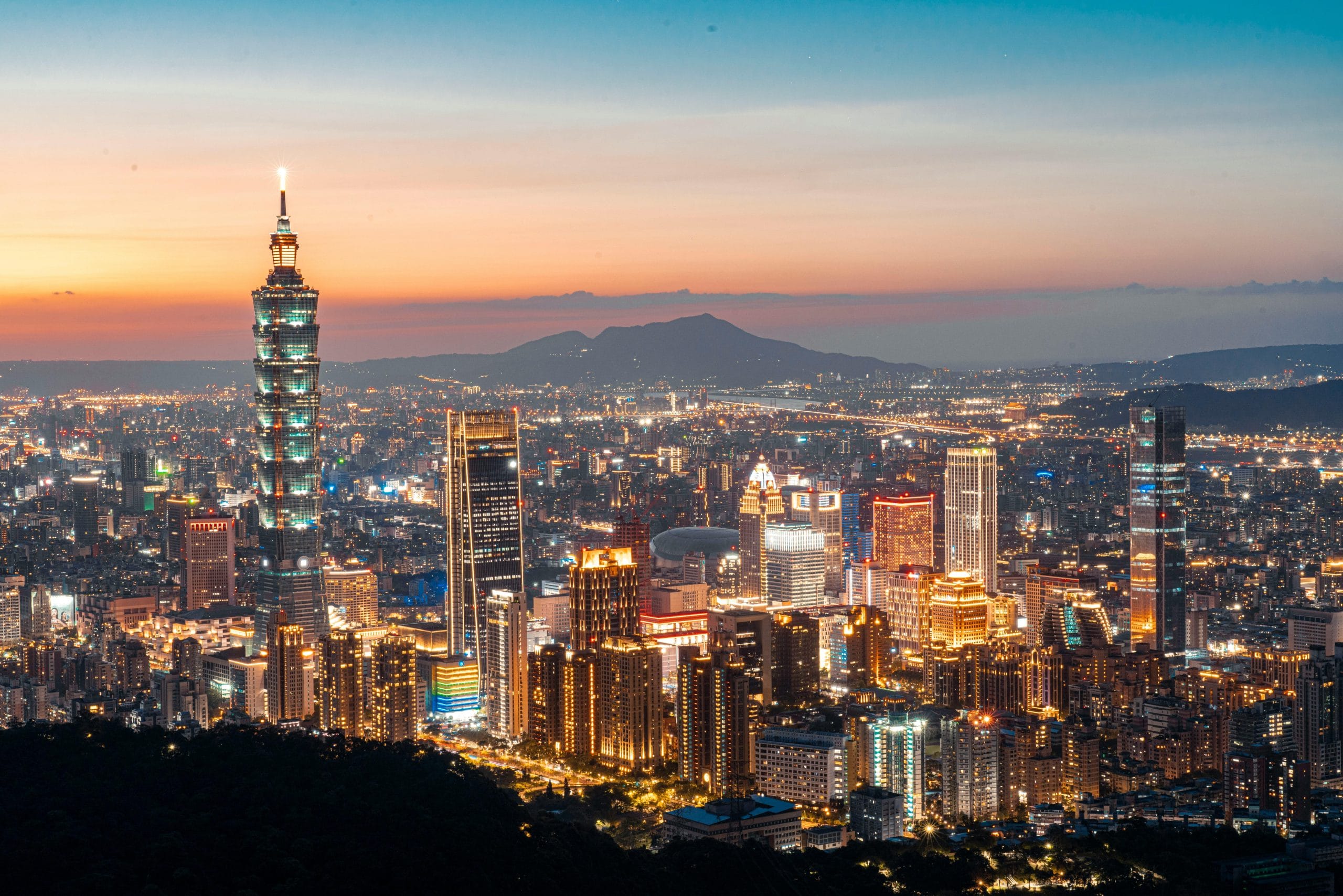
While the Taipei 101 tower remains an undeniable symbol of the city’s ambition, the true luxury of Taipei is found in its margins. The most rewarding experiences often occur when the traveler steps away from the primary tourist arteries and enters the narrow lanes of the city. It is in these quiet pockets that one finds the most authentic expressions of modern Taiwanese design, from hidden bookstores to architectural studios.
A sophisticated approach involves pairing a visit to a major landmark with a visit to a contrasting, quieter alternative. After experiencing the scale of the National Palace Museum, one might seek out a small, independent craft workshop in the city center. This juxtaposition prevents the trip from feeling like a curated tour and instead makes it feel like a personal discovery. It is the contrast between the monumental and the minute that defines the Taipei experience.
Dining should be approached with the same philosophy. While the city’s Michelin-starred establishments offer world-class precision, there is a refined pleasure in discovering a small, design-forward bistro that prioritizes local ingredients and a minimalist interior. The intersection of high gastronomy and intentional design creates a dining experience that appeals to both the palate and the eye.
Who Finds Their Home in Taipei’s Boutique Luxury
The modern design hotels of the city are specifically tailored for the traveler who views their hotel as an extension of their personal aesthetic. This is a destination for the creative professional, the architect, and the design enthusiast who values the story behind a building as much as the comfort of the room. For these guests, a hotel is not merely a place to sleep, but a curated environment that inspires thought and creativity.
This type of travel suits those who prefer substance over flash. While the luxury is evident, it is rarely loud. Instead, it manifests as the perfect temperature of the lighting, the seamless integration of technology, or the choice of a specific fabric for the upholstery. It is a form of luxury that is felt rather than seen, appealing to those who appreciate the nuance of a well-executed design concept.
Moreover, Taipei appeals to the traveler who seeks a seamless blend of efficiency and elegance. The city’s infrastructure is world-class, allowing the design-conscious guest to move between experiences with ease and grace. The result is a trip that feels effortless, where the logistics vanish into the background, leaving only the sensory experience of the city and its architecture.
Practical Planning for a Seamless Stay
Navigating Taipei is an exercise in efficiency. The MRT system is widely regarded as one of the best in the world, providing a clean, punctual, and intuitive way to traverse the city’s design districts. For the luxury traveler, an EasyCard is an essential tool, allowing for seamless transitions between trains and buses without the need for constant ticketing.
Timing is equally important. To avoid the heaviest crowds, it is advisable to visit the most popular design hubs during the weekday mornings. This allows for a more intimate interaction with the spaces and a slower pace of exploration. Mid-week visits to galleries and museums often provide a quieter atmosphere, which is essential for appreciating the architectural details of the venues.
When packing for a trip to Taiwan, versatility is key. The city’s weather can be unpredictable, with sudden rains and varying temperatures between the urban center and the surrounding hills. A refined wardrobe of breathable, layering pieces ensures that the traveler remains comfortable whether they are exploring a humid night market or lounging in the climate-controlled interior of a luxury hotel.
FAQ
When is the best time to visit Taipei for design lovers?
The most favorable times are during the autumn and spring months, specifically from October to December or March to May. During these periods, the weather is mild and pleasant, making it ideal for walking between design districts and exploring outdoor architectural sites without the intensity of the summer heat or the winter dampness.
How do I choose between modern design hotels Taipei and traditional stays?
The choice depends on the desired energy of the trip. Modern design hotels offer a sense of curated luxury, minimalism, and urban connectivity, making them ideal for those who want a sophisticated, high-energy city experience. Traditional stays provide a slower, more nostalgic atmosphere, which is better suited for those seeking deep cultural immersion and historical charm.
What is the best way to navigate the city’s design districts?
The combination of the MRT and walking is the most efficient method. Use the MRT to reach the heart of districts like Xinyi or Zhongshan, then explore the secondary alleys on foot. This allows you to discover the hidden boutiques and architectural gems that are often missed when using taxis or private cars.
Staylora.com may contain affiliate links and third-party booking tools. We may earn a commission from qualifying bookings at no extra cost to you. Hotel prices, availability, policies, and travel information may change without notice. Please verify all important details directly with the booking provider before making any reservation.