Mexico City Art and Design and the Mood of the Place
The light in Mexico City shifts into a deep, honeyed gold just before the sun dips behind the horizon, casting long, elegant silhouettes across the concrete curves of the city. There is a specific stillness that settles over the rooftops of Polanco and Roma Norte, a moment where the urban rush softens into a polished rhythm. In this light, the dialogue between Mexico City art and design becomes palpable, manifesting in the stark lines of a brutalist masterpiece or the soft glow of a contemporary gallery window.
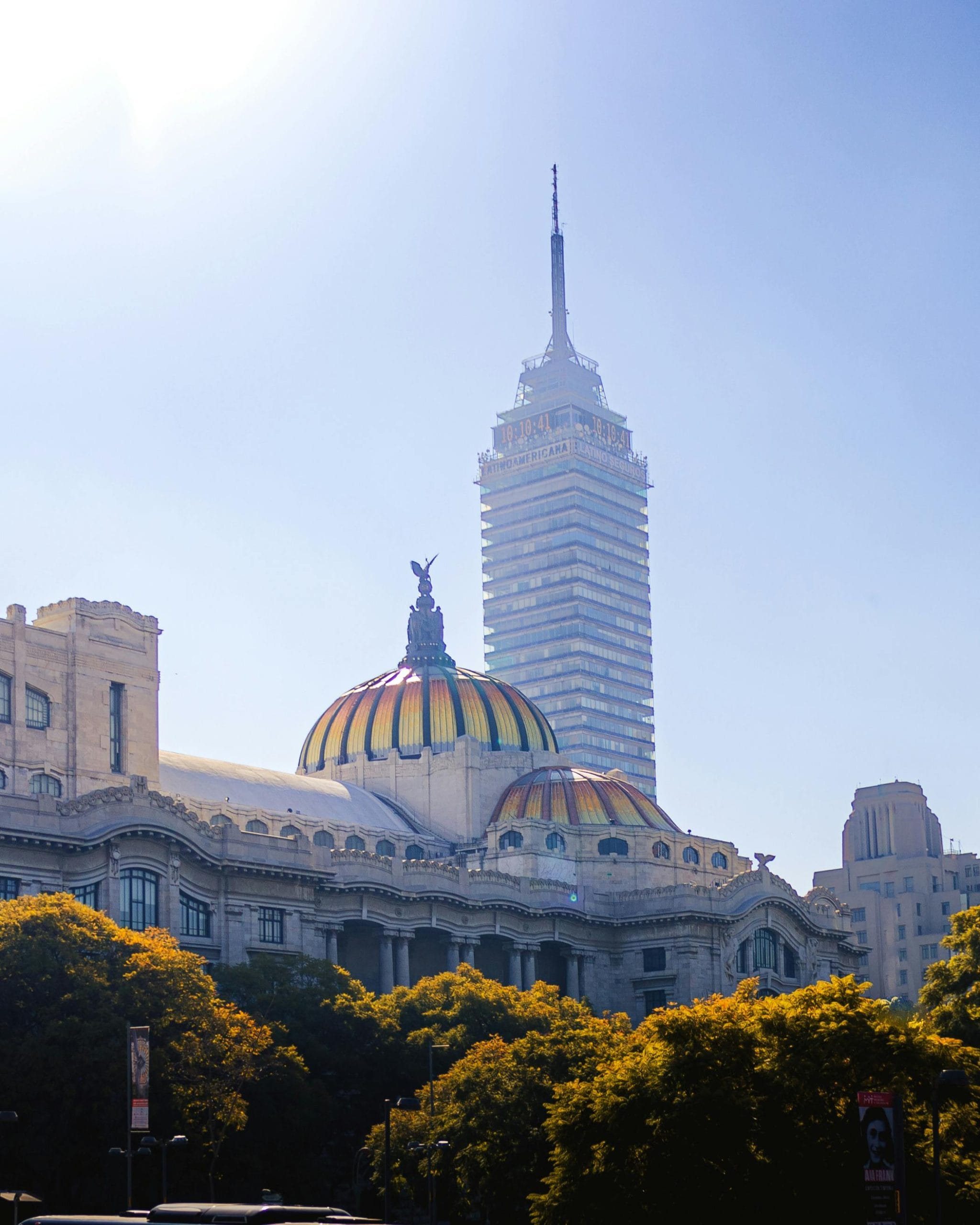
For the traveler who seeks beauty in the details, the city reveals itself not as a chaotic sprawl, but as a curated collection of moments. It is found in the way a shadow falls across a minimalist courtyard or the precise geometry of a mid-century facade. This is a place where the air feels thick with creativity, and the urban landscape serves as a living gallery for those willing to slow their pace and observe.
The emotional pull of the city lies in its ability to balance the monumental with the intimate. One moment you are standing beneath the soaring height of a modern museum, and the next you are tucked into a velvet booth of a hidden bistro, surrounded by local ceramics and dimmed lights. This duality creates a sense of refined comfort, inviting a romantic approach to exploration where the destination is not a checklist, but a feeling of atmospheric discovery.
The Quiet Sophistication of Modern Architecture
Architecture in the capital is more than just shelter; it is a philosophical statement. The influence of masters like Luis Barragán continues to echo through the city, where the use of vibrant color and strategic void creates spaces of profound meditation. The intersection of light and wall becomes a form of art itself, guiding the visitor through a sequence of emotional transitions that feel both private and expansive.
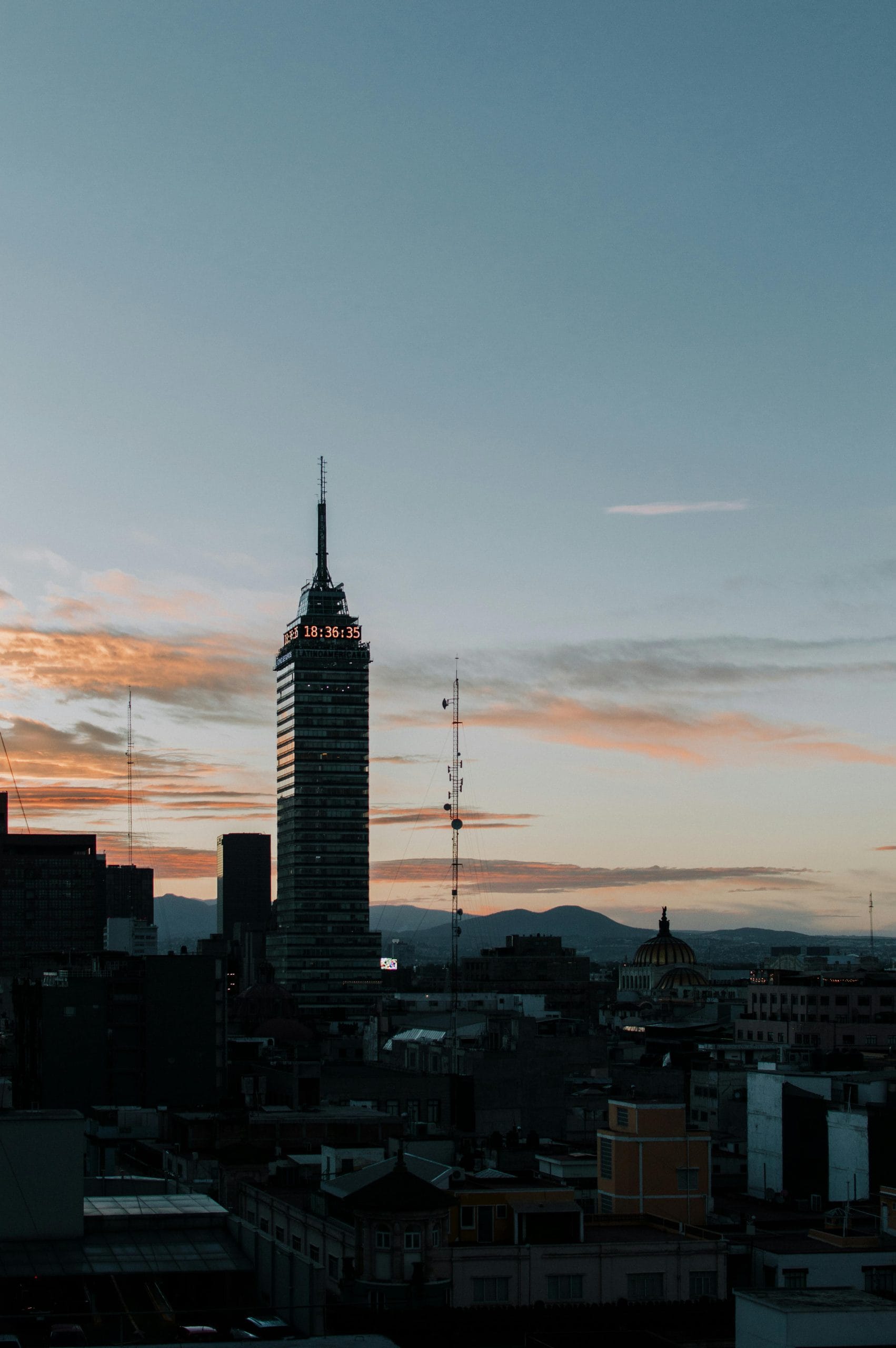
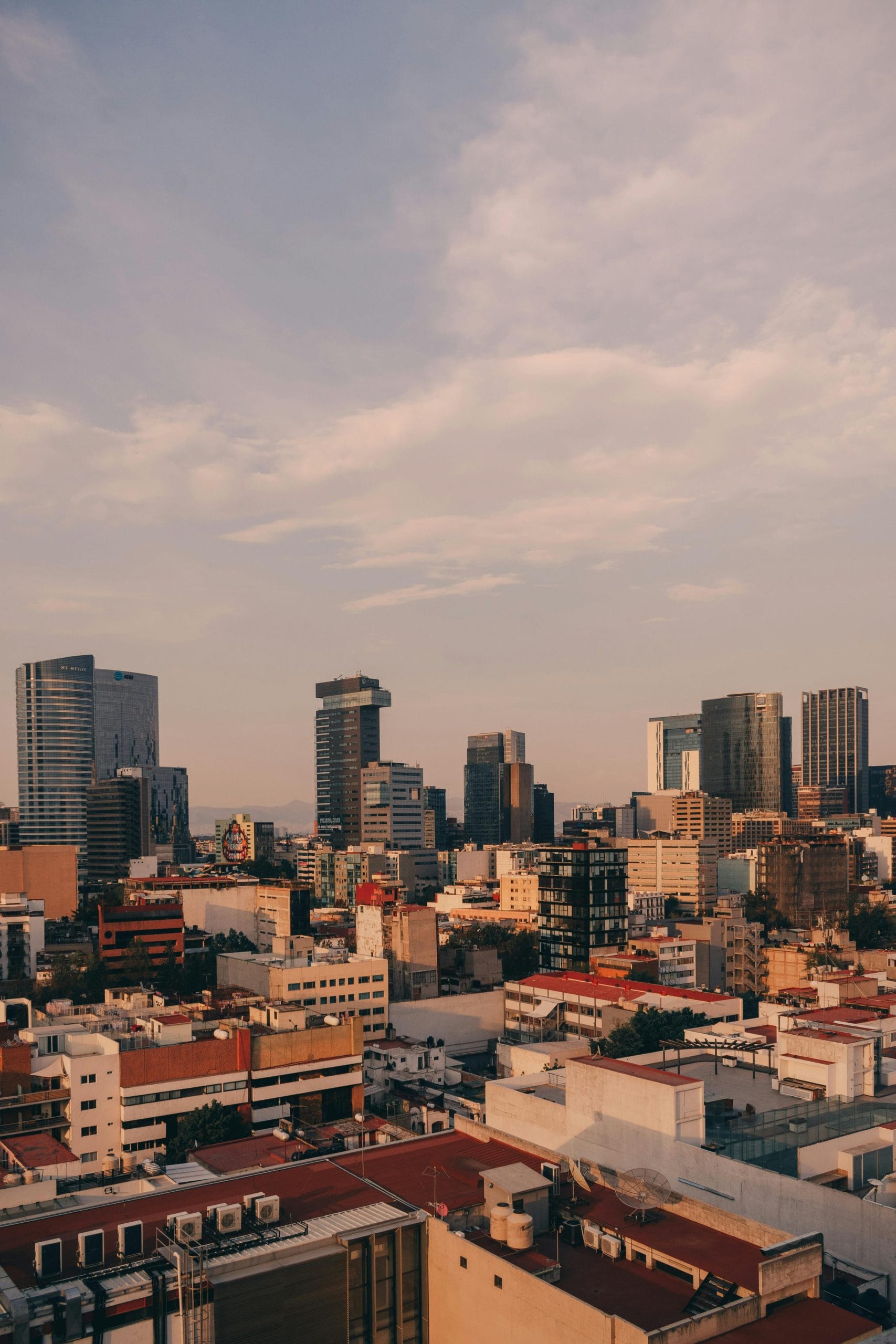
Walking through the neighborhoods of the west end, the architecture reflects a polished cosmopolitanism. The sleek lines of glass and steel in the financial districts contrast beautifully with the organic curves of residential villas. There is a deliberate intentionality in the way luxury residences integrate nature, with internal gardens that breathe life into the structured urban environment.
The experience of visiting these spaces is best enjoyed in the early morning calm, when the city is just waking up and the architectural details are sharp and clear. The coolness of the morning air complements the austerity of the concrete, making the exploration feel like a private viewing. It is in these quiet hours that the true essence of the city’s design language is most audible, speaking of a heritage that values both boldness and restraint.
Textures of the City: From Concrete to Canvas
The visual identity of the city is a rich tapestry of textures. From the rough-hewn stone of historic plazas to the mirrored surfaces of contemporary skyscrapers, the sensory experience is constant. Art is not confined to the walls of a museum; it bleeds into the sidewalks, the wrought-iron gates, and the meticulously manicured parks that offer a respite from the polished urban rhythm.
Visiting a gallery in the heart of the city is an exercise in soft luxury. The spaces are often converted homes, where high ceilings and original flooring provide a historic backdrop for avant-garde installations. The contrast between the old world and the new creates a tension that is deeply inspiring, reminding the observer that design is a continuous conversation across generations.
Even the local food culture is an extension of this design sensibility. Fine dining in the city has evolved into a multisensory experience where the plating is as considered as the architecture of the room. The use of artisanal pottery and linen textiles reflects a commitment to craftsmanship, ensuring that every meal feels like a curated event rather than a mere necessity.
Savoring the City through Slow, Refined Travel
To truly appreciate the city, one must embrace the art of slow travel. Rather than rushing between landmarks, the refined traveler lingers. It is the act of spending an entire afternoon in a single courtyard, watching the light shift, or spending an hour in a bookstore that smells of old paper and espresso. This pace allows the destination to unfold naturally, revealing secrets that are missed by the hurried tourist.
Romantic moments are found in the unplanned pauses. A walk through a quiet leafy street in Condesa, where the Art Deco architecture whispers stories of a bygone era, or a sunset cocktail on a rooftop overlooking the skyline silhouettes. These experiences are the hallmarks of a luxury journey that prioritizes emotional resonance over sightseeing.
The luxury here is not loud or ostentatious; it is subtle and intellectual. It is found in the quality of a hand-stitched leather bag from a local atelier or the silence of a private viewing at a design studio. By focusing on these small, high-quality interactions, the travel experience becomes a series of vignettes that celebrate the finer things in life.
The Appeal for the Design-Conscious Traveler
This destination speaks to those who view travel as an extension of their own aesthetic values. It attracts the curator, the architect, and the dreamer who finds inspiration in the way a city organizes its beauty. For these travelers, the city is not just a place to visit, but a source of creative fuel that informs their own perspective on space and style.
The allure lies in the ability to find solitude within the crowd. There is a particular pleasure in discovering a secluded gallery or a boutique design shop that feels like a well-kept secret. This sense of discovery provides a feeling of exclusivity that is more valuable than any gold-plated service.
Furthermore, the city offers a masterclass in how to live with elegance in a modern metropolis. It teaches the traveler how to blend the heritage of the past with the ambitions of the future, creating a lifestyle that is both grounded and visionary. It is this intellectual stimulation that makes the destination a perennial favorite for the design-conscious elite.
The Staylora Perspective on Urban Elegance
From our perspective, the true luxury of the city is found in the subtle boutique stays that mirror the city’s own architectural spirit. Imagine a sanctuary where the walls are adorned with local contemporary art and the furniture is a mix of vintage finds and custom modern pieces. Such spaces do not just provide a bed for the night; they provide a curated extension of the city’s design narrative.
A refined stay is characterized by an atmosphere of understated grace. It is the feeling of thick Egyptian cotton linens, the scent of fresh eucalyptus in the lobby, and a concierge who can suggest a hidden gallery based on your personal taste. This level of personalization transforms a trip into a tailored experience of soft luxury.
Ultimately, the journey through the city is a reminder that beauty is a necessity, not a luxury. When we surround ourselves with thoughtful design and meaningful art, our perception of the world expands. The city, with its polished urban rhythm and timeless elegance, serves as the perfect backdrop for this expansion, leaving the traveler inspired long after they have returned home.
FAQ
What is the best time to experience the architecture of Mexico City?
The most evocative time to explore is during the early morning or the golden hour before sunset. The low angle of the light emphasizes the geometric forms and textures of the buildings, particularly in the minimalist works of the modernist movement. This timing also allows for a quieter, more contemplative experience of the city’s refined urban landscape.
How can a traveler experience Mexico City art and design on a slow pace?
Focus on choosing one neighborhood per day and exploring it on foot. Instead of visiting multiple museums, spend a few hours in a single gallery or architectural site. Complement these visits with long, leisurely lunches at design-forward restaurants, allowing the atmosphere of the city to permeate your experience without the stress of a tight schedule.
Which neighborhoods are most suited for design-conscious travelers?
Polanco is ideal for those seeking high-end luxury, world-class museums, and polished streets. Roma Norte and Condesa offer a more bohemian yet refined atmosphere, characterized by Art Deco architecture, boutique galleries, and lush parks. Each neighborhood provides a different facet of the city’s creative identity, making them essential for any design-focused itinerary.
Staylora.com may contain affiliate links and third-party booking tools. We may earn a commission from qualifying bookings at no extra cost to you. Hotel prices, availability, policies, and travel information may change without notice. Please verify all important details directly with the booking provider before making any reservation.