The Allure of Historic Boutique Hotels Vienna
Arriving in Vienna is often an exercise in sensory elegance. The first impression is usually one of scale and symmetry, where the rhythmic clip-clop of horse-drawn carriages echoes against limestone facades and the air carries a faint scent of roasted coffee and old-world prestige. For the traveler who seeks more than just a room, the selection of historic boutique hotels Vienna provides offers a gateway into the city’s imperial soul. These establishments are not merely places to sleep but are curated extensions of the city’s architectural heritage, blending the opulence of the Habsburg era with the discreet, personalized service of modern luxury.
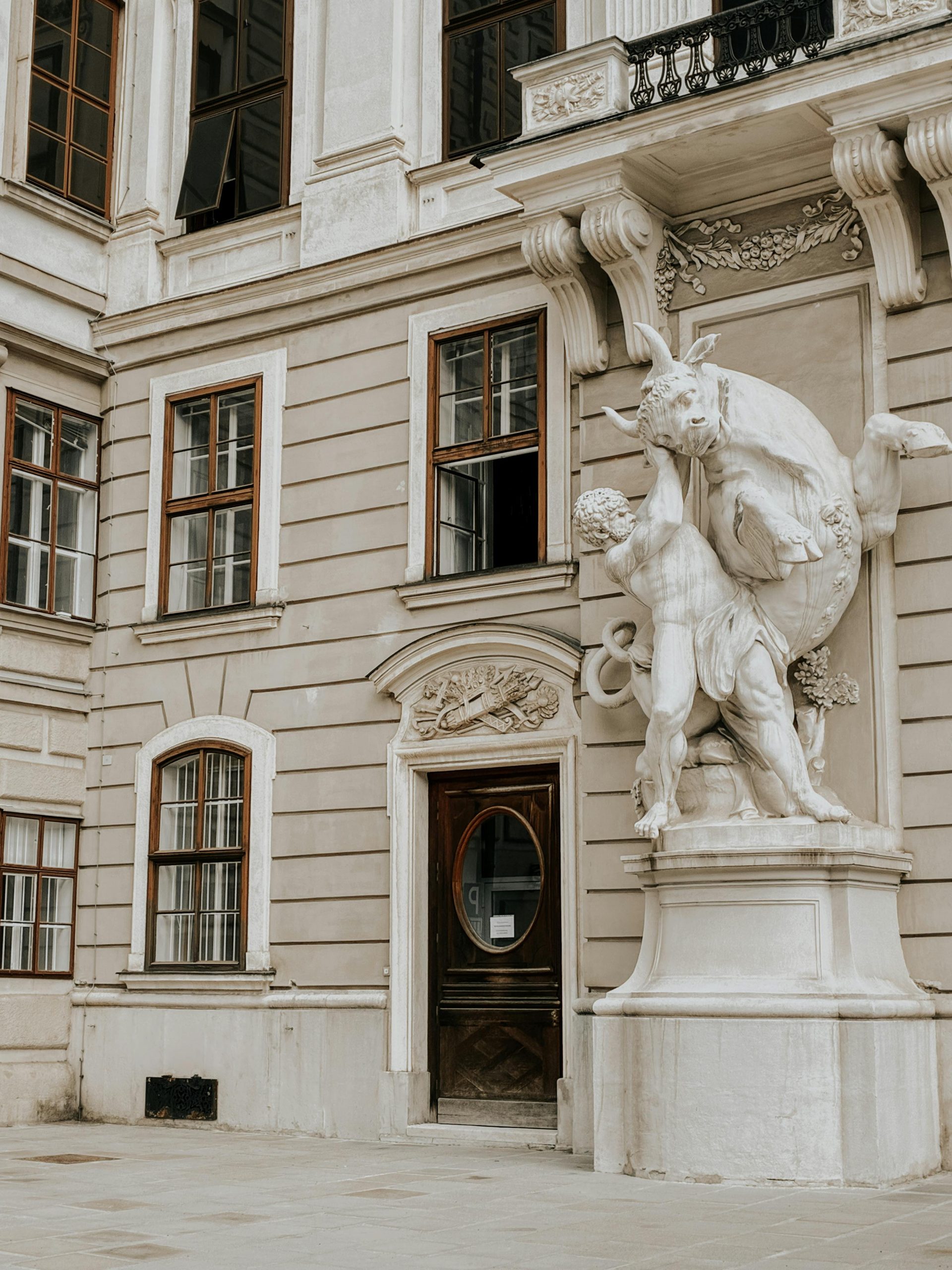
Choosing a boutique stay over a sprawling grand hotel allows for a more intimate connection with the destination. In these smaller, historic properties, the luxury is found in the details: the weight of a velvet curtain, the curve of a hand-carved mahogany wardrobe, and the silence of a courtyard that shuts out the hum of the city. For the solo traveler, this environment provides a sanctuary of comfort and culture, allowing for a slow, reflective pace of exploration that larger hotels often overlook.
The essence of these stays lies in their ability to balance prestige with privacy. While the grand hotels are designed for spectacle, the boutique experience is designed for the individual. It is here that one finds the perfect intersection of Viennese tradition and contemporary refinement, ensuring that every moment spent indoors is as inspiring as the galleries and palaces found just beyond the threshold.
Selecting Your Sanctuary by District
The geography of Vienna is designed for ease, but the atmosphere varies significantly from one district to another. For those prioritizing accessibility and prestige, the Innere Stadt, or First District, is the natural choice. This is the heart of the empire, where the most prestigious historic boutique hotels Vienna houses are located. Staying here means you are within walking distance of the Hofburg and the Stephansdom, allowing you to emerge from your hotel directly into the city’s most iconic vistas.
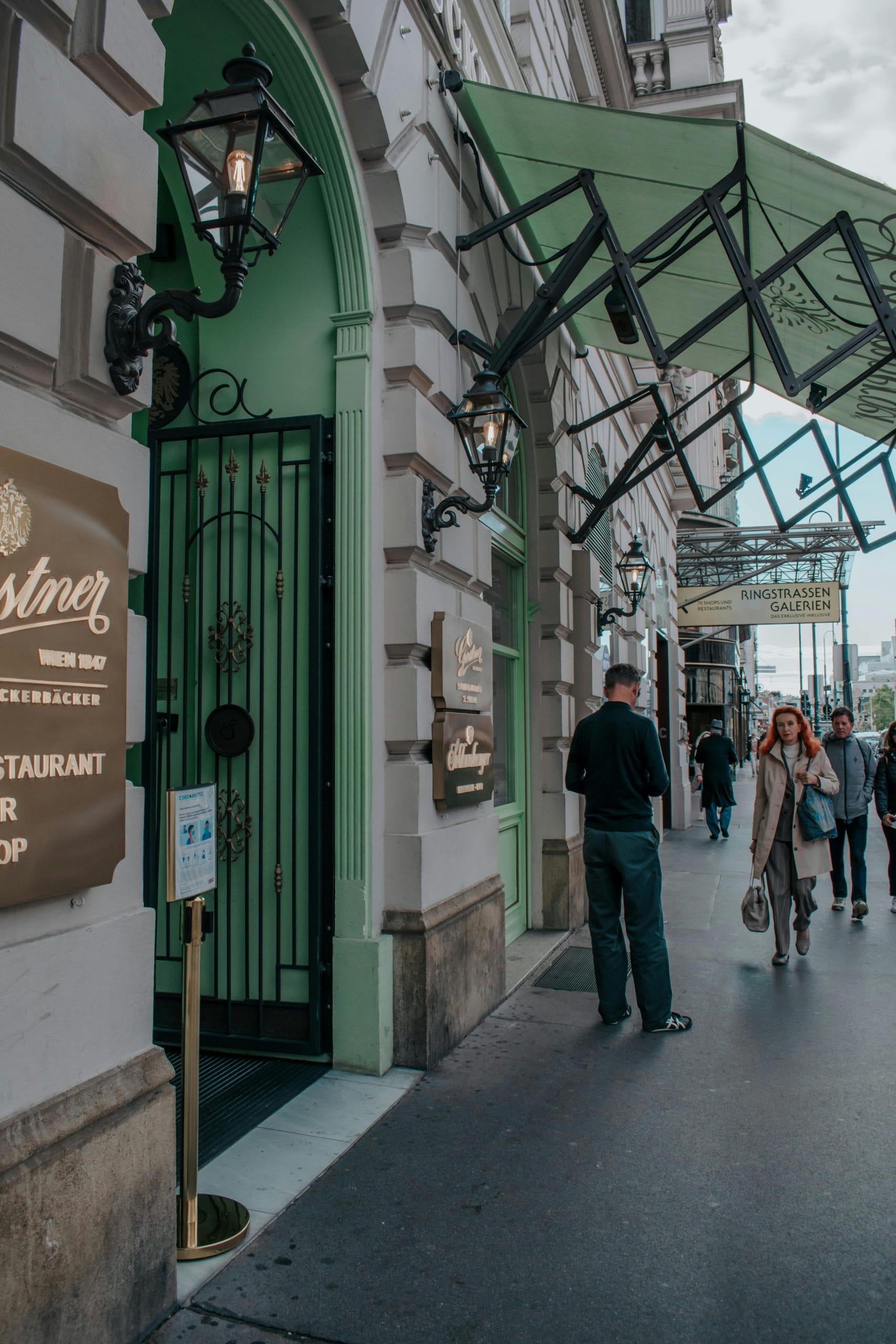
However, the First District can occasionally feel overly curated or crowded. For the solo traveler seeking a calmer, more authentic rhythm, the Seventh District, known as Neubau, offers a sophisticated alternative. This area is the creative lung of the city, filled with independent galleries, refined boutiques, and a more relaxed local energy. While the hotels here may be smaller, they often possess a distinct character that reflects the artistic spirit of the neighborhood.
Another compelling option is the Ninth District, the Alsergrund, which balances academic prestige with residential quiet. This area is ideal for those who wish to stay central but prefer to retreat to a street where the only sound is the wind in the trees. The strategy for a refined stay is to seek properties that offer a courtyard or a high-floor view, ensuring that your personal space remains a quiet enclave regardless of how central the location may be.
Establishing a Refined Travel Rhythm
To truly experience Vienna, one must resist the urge to rush. The city operates on a rhythm of deliberate patience, most evident in its coffee house culture. A refined travel flow begins with a slow morning, perhaps starting with a traditional breakfast in the hotel’s dining room before venturing out into the crisp morning air. The goal is to balance the iconic landmarks with moments of unplanned discovery.
Walkability is the greatest luxury in Vienna. The city is a tapestry of wide boulevards and narrow, winding alleys that reward the curious explorer. By structuring your day around a few key anchors—such as a morning visit to a museum and an afternoon spent in a quiet park—you avoid the exhaustion of typical sightseeing. The Ringstraße provides a magnificent loop for orientation, but the true magic happens when you step off the main artery into the side streets of the First District.
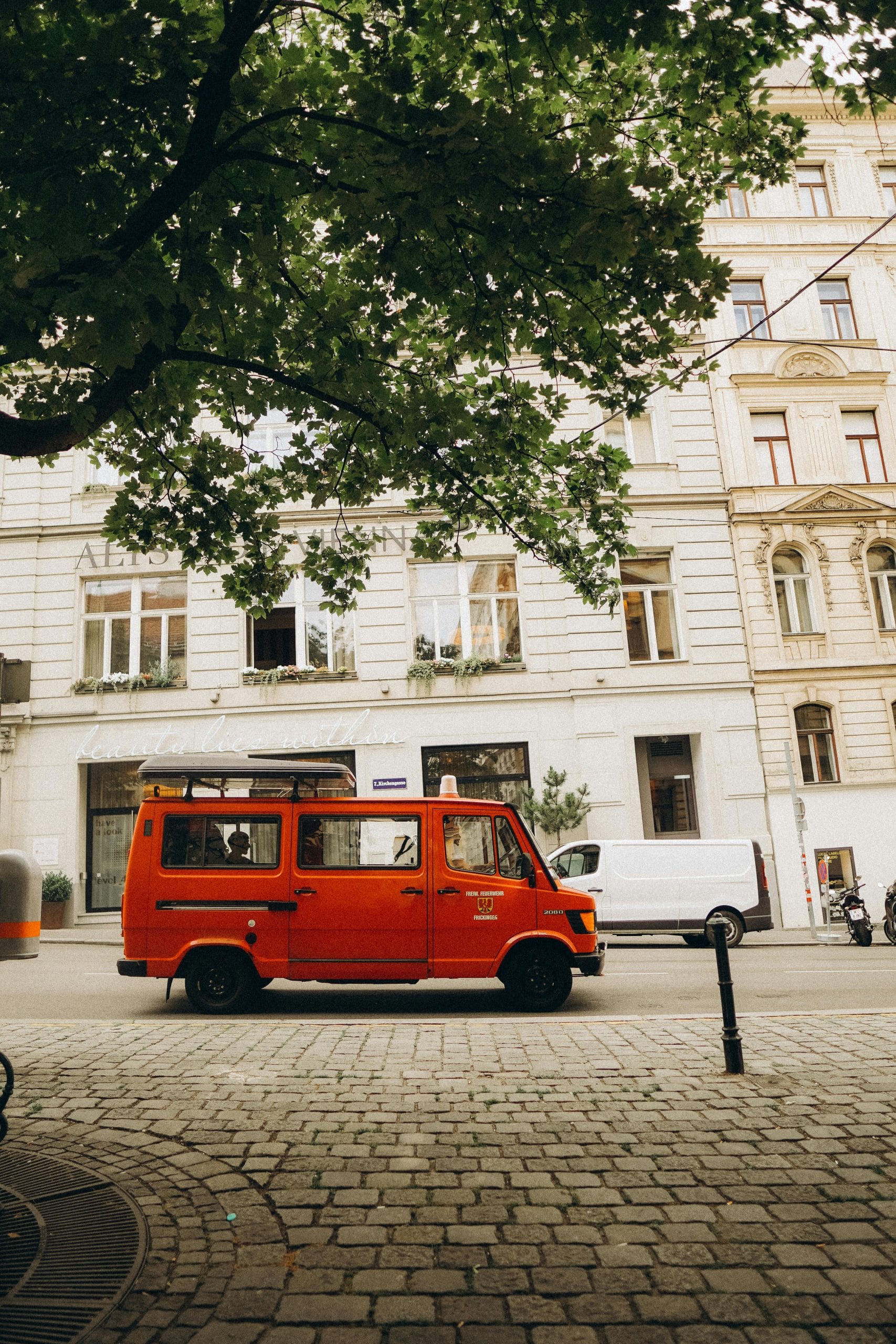
Movement through the city should be a pleasure rather than a chore. The U-Bahn is efficient and clean, but for shorter distances, a stroll is always preferable. The air in Vienna, particularly in the spring and autumn, encourages a pedestrian pace. By allowing yourself the time to linger at a window display or stop for a Sachertorte without a strict schedule, you align your internal clock with the city’s own timeless elegance.
Cultural Pursuits for the Solo Explorer
For the solo traveler who values culture, Vienna is an endless reservoir of inspiration. The MuseumsQuartier offers a concentrated dose of art and architecture, but for a more refined experience, the Kunsthistorisches Museum provides a breathtaking atmosphere of light and scale. The way the natural light pours through the glass ceilings of the galleries creates a serene environment for contemplation, making it a perfect destination for those traveling alone.
Beyond the major museums, the city’s hidden courtyards and open-air spaces offer a quieter form of luxury. A visit to the Belvedere gardens allows for a moment of reflection amidst perfectly manicured hedges and Baroque sculptures. These spaces provide the mental breathing room necessary to process the city’s density of history. For those who enjoy music, attending a chamber concert in a smaller venue often feels more intimate and rewarding than the larger opera houses.
Dining as a solo traveler in Vienna is a sophisticated affair. The city’s bistros and traditional eateries are accustomed to the lone diner, and many of the smaller boutique hotel restaurants offer a mood of quiet intimacy. Seeking out places with a focus on seasonal Austrian ingredients and a calm dining room ensures that every meal becomes a sensory experience rather than just a necessity.
The Art of the Viennese Stay
Planning a trip to Vienna requires a consideration of timing to maximize comfort and atmosphere. The most refined experiences are often found during the shoulder seasons. Late spring brings a freshness to the city’s parks and a gentle light that enhances the pastel hues of the architecture. Early autumn, conversely, offers a golden glow and a slightly more subdued energy that suits the contemplative solo traveler.
Attire in Vienna remains a point of pride. While the city has become more casual, there is still a profound appreciation for elegance. Dressing with a sense of occasion—perhaps a tailored coat or a refined pair of loafers—not only helps you blend into the sophisticated environment but also enhances the feeling of the journey. When you stay in one of the historic boutique hotels Vienna is known for, you will find that the environment encourages this elevated approach to daily life.
The breakfast ritual is another cornerstone of the refined stay. In a boutique setting, this is often a slow, curated event featuring local pastries, fresh fruits, and meticulously brewed coffee. Taking the time to enjoy this ritual before the city fully wakes up sets a tone of clarity and calm for the rest of the day, ensuring that you approach your explorations from a place of restoration.
Who Finds Vienna Most Rewarding
Vienna is a city that rewards the observant and the patient. It is particularly suited for the solo traveler who finds comfort in the intersection of luxury and history. Those who appreciate a high-thread-count sheet, a quiet library, and the ability to walk from a world-class museum to a hidden wine tavern will find the city endlessly appealing. It is a destination for the culture seeker who prefers quality over quantity and intimacy over spectacle.
The city also appeals to those who seek a sense of order and beauty. There is a comforting predictability to the Viennese way of life—the punctuality of the transport, the cleanliness of the streets, and the polite reserve of the locals. For someone looking to escape the chaos of modern life, the structured elegance of Austria’s capital provides a necessary sanctuary.
Ultimately, Vienna is for the traveler who views their accommodation as part of the destination. By choosing a stay that reflects the city’s historic grandeur, the traveler ensures that their experience is seamless, from the moment they wake up in a room filled with history to the moment they return to their sanctuary after a day of cultural immersion.
FAQ
What is the best area for historic boutique hotels Vienna?
The First District, or Innere Stadt, is the premier choice for those who want to be in the heart of the city’s imperial history and luxury shopping. However, for a more tranquil and artistic experience, the Seventh District (Neubau) offers boutique stays that are more intimate and integrated into the local creative scene, providing a calm retreat from the main tourist hubs.
How should a solo traveler navigate Vienna?
Vienna is exceptionally safe and easy to navigate. The most refined way to explore is on foot, as the city center is highly walkable and full of hidden architectural gems. For longer distances, the U-Bahn is efficient and reliable. Solo travelers will find that the city’s layout is intuitive, and the culture of the coffee houses provides a welcoming space for relaxation.
When is the most atmospheric time to visit Austria’s capital?
Late spring and early autumn are the most atmospheric periods. Spring offers blooming gardens and a sense of renewal, while autumn brings a golden light and a crispness to the air that perfectly complements the city’s historic architecture. Both seasons avoid the peak summer crowds, allowing for a more peaceful and refined exploration of the city’s galleries and parks.
Staylora.com may contain affiliate links and third-party booking tools. We may earn a commission from qualifying bookings at no extra cost to you. Hotel prices, availability, policies, and travel information may change without notice. Please verify all important details directly with the booking provider before making any reservation.