The Tuscan sky in the late afternoon possesses a weightless quality, a pale wash of gold and cornflower blue that seems to linger long after the sun has begun its descent. In the heart of this light lies Lucca, a city that does not demand attention but rather invites a slow, deliberate surrender to its charms. There is a specific kind of silence here, broken only by the rhythmic chime of distant bells and the soft hum of bicycles gliding over ancient stones. Within this sanctuary of stillness, the appeal of Lucca luxury boutique stays becomes clear, offering more than just a place to sleep, but a gateway to a more mindful way of existing.
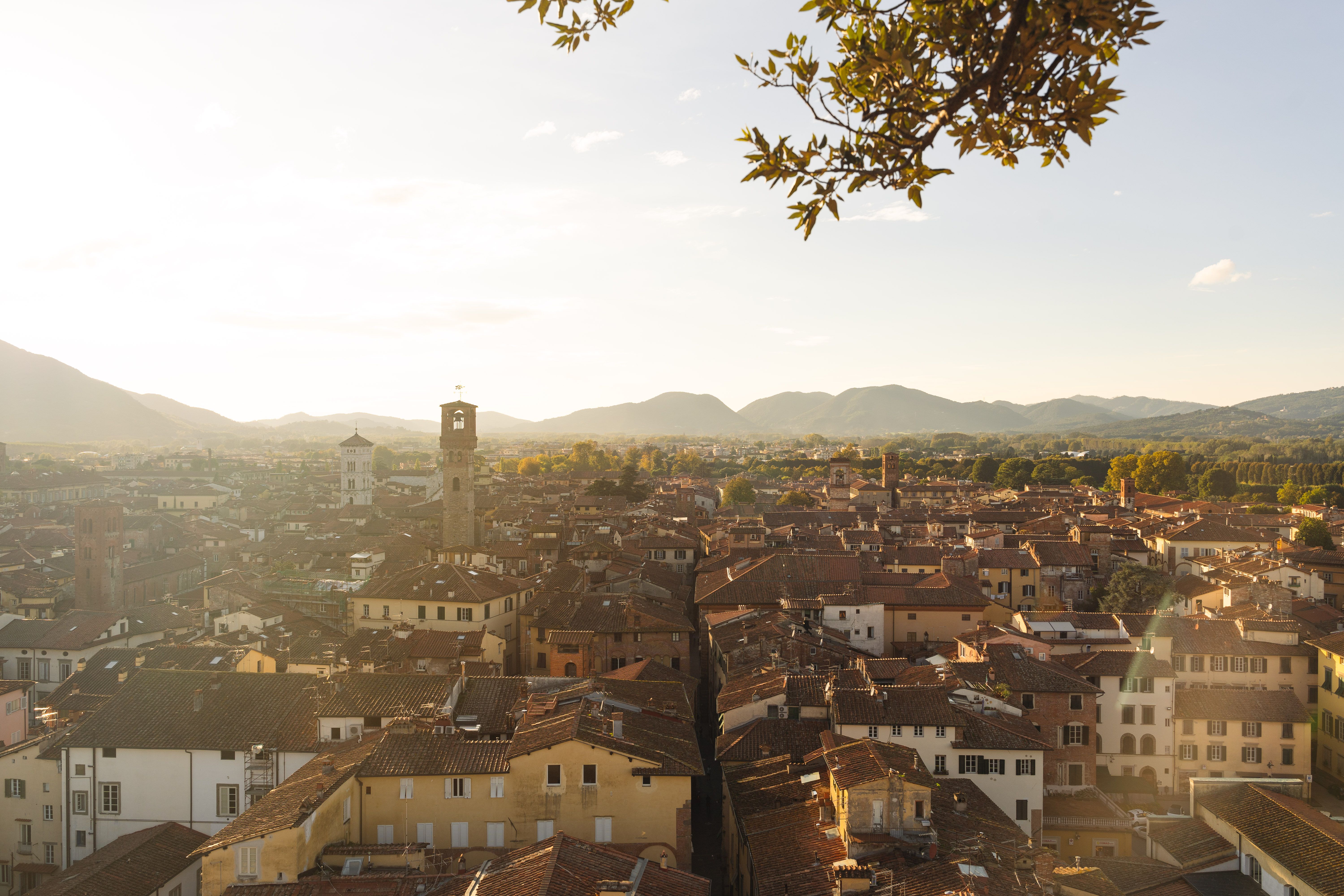
Unlike the grand, often overwhelming scale of Florence or the coastal intensity of the Amalfi coast, Lucca breathes with a gentle, measured pace. The city is held in a protective embrace by its formidable Renaissance walls, which have transitioned from military defenses into a lush, elevated park. Walking atop these ramparts during the golden hour, one feels the transition from the structured elegance of the city center to the sprawling, emerald greens of the Tuscan plains. It is a destination that prioritizes the feeling of a place over the checklist of a tourist, favoring the atmospheric over the itinerary.
Lucca luxury boutique stays and the Mood of the Place
To stay in a refined boutique property in Lucca is to engage in a dialogue with history. These establishments are often housed in former palazzos or converted noble residences, where the architecture tells a story of lineage and understated wealth. The mood is one of quiet luxury, where the opulence is not shouted through gold leaf and velvet, but whispered through the touch of cool marble, the scent of fresh linens, and the sight of sun-drenched courtyards hidden behind heavy wooden doors.
Waking up in such a space feels like a gradual awakening of the senses. The morning light filters through tall, shuttered windows, casting long shadows across terracotta floors. There is an inherent permission to linger, to enjoy a coffee on a private balcony while watching the city stir to life below. The experience is designed for those who value the luxury of time—the ability to wake up without an alarm and allow the day to unfold organically.
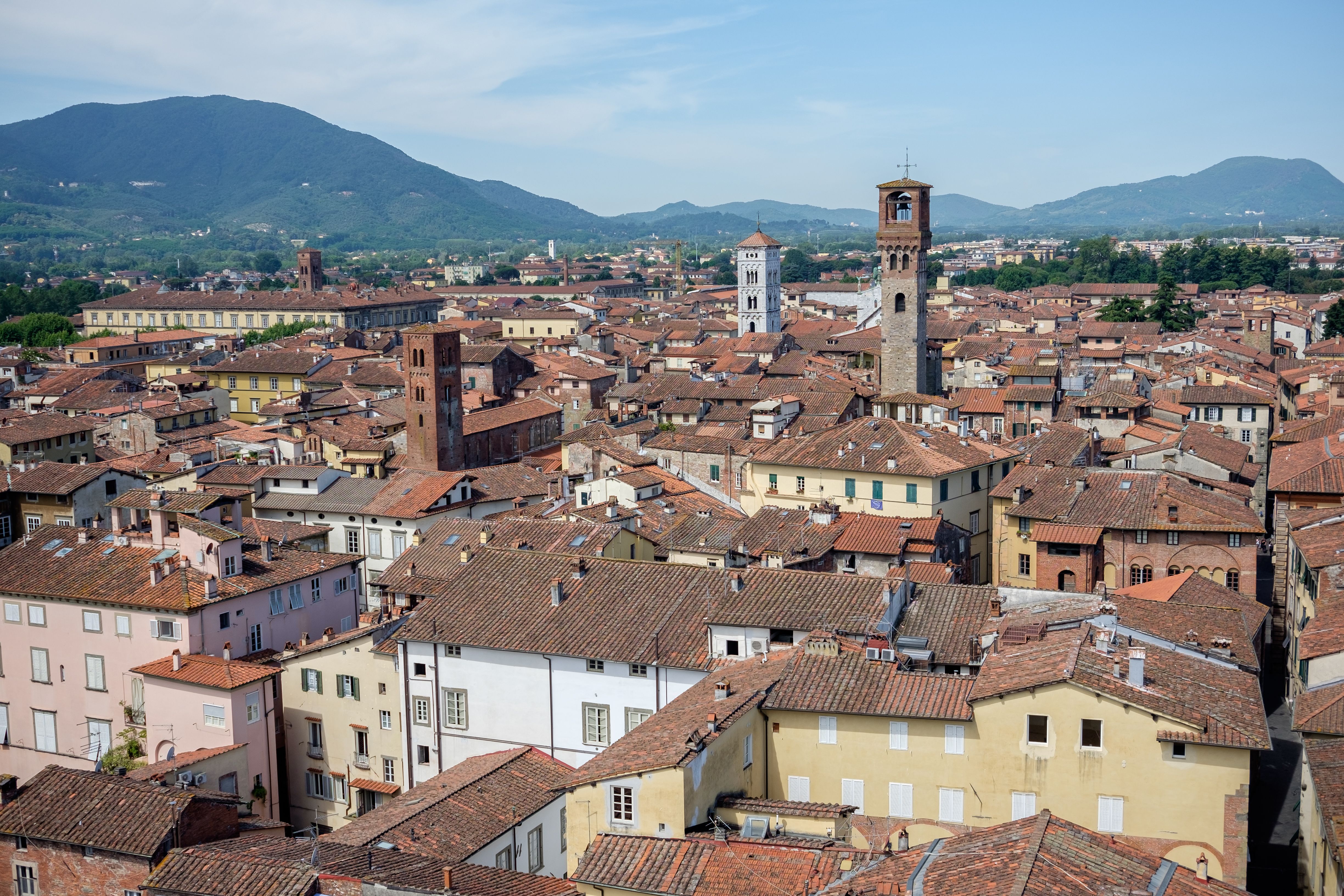
These boutique retreats often mirror the city’s own temperament, blending a deep respect for heritage with a contemporary sensibility. A room might feature original frescoed ceilings paired with minimalist, high-end Italian furniture, creating a balance between the ancestral and the modern. This architectural harmony reflects the broader spirit of Lucca, a place that preserves its past not as a museum, but as a living, breathing part of its daily identity.
The Quiet Grace of Renaissance Walls
The defining characteristic of the city is undoubtedly its encircling walls, a green ribbon of serenity that separates the urban core from the rolling hills beyond. This space serves as the city’s communal living room, where locals and visitors alike stroll beneath a canopy of ancient plane trees. The air here is cooler, scented with damp earth and leaf litter, providing a sensory contrast to the warm, sun-baked stone of the interior streets.
Cycling along the ramparts is a ritual of decompression. As you move along the curve of the wall, the perspective of the city shifts, revealing the iconic Guinigi Tower with its crowning canopy of oak trees. The sight is a reminder of Lucca’s unique relationship with nature, bringing the garden into the sky. This integration of greenery and granite creates a visual language of softness and strength, a duality that defines the local aesthetic.
Below the walls, the city unfolds in a series of concentric circles, drawing the traveler deeper into its heart. The streets are narrow and intimate, designed for wandering rather than navigating. In these alleyways, the light plays a constant game of hide-and-seek, illuminating a sudden splash of bougainvillea or a weathered doorway of dark walnut. It is in these unplanned discoveries that the true magic of the city resides.
Textural Elegance and Sun-Washed Streets
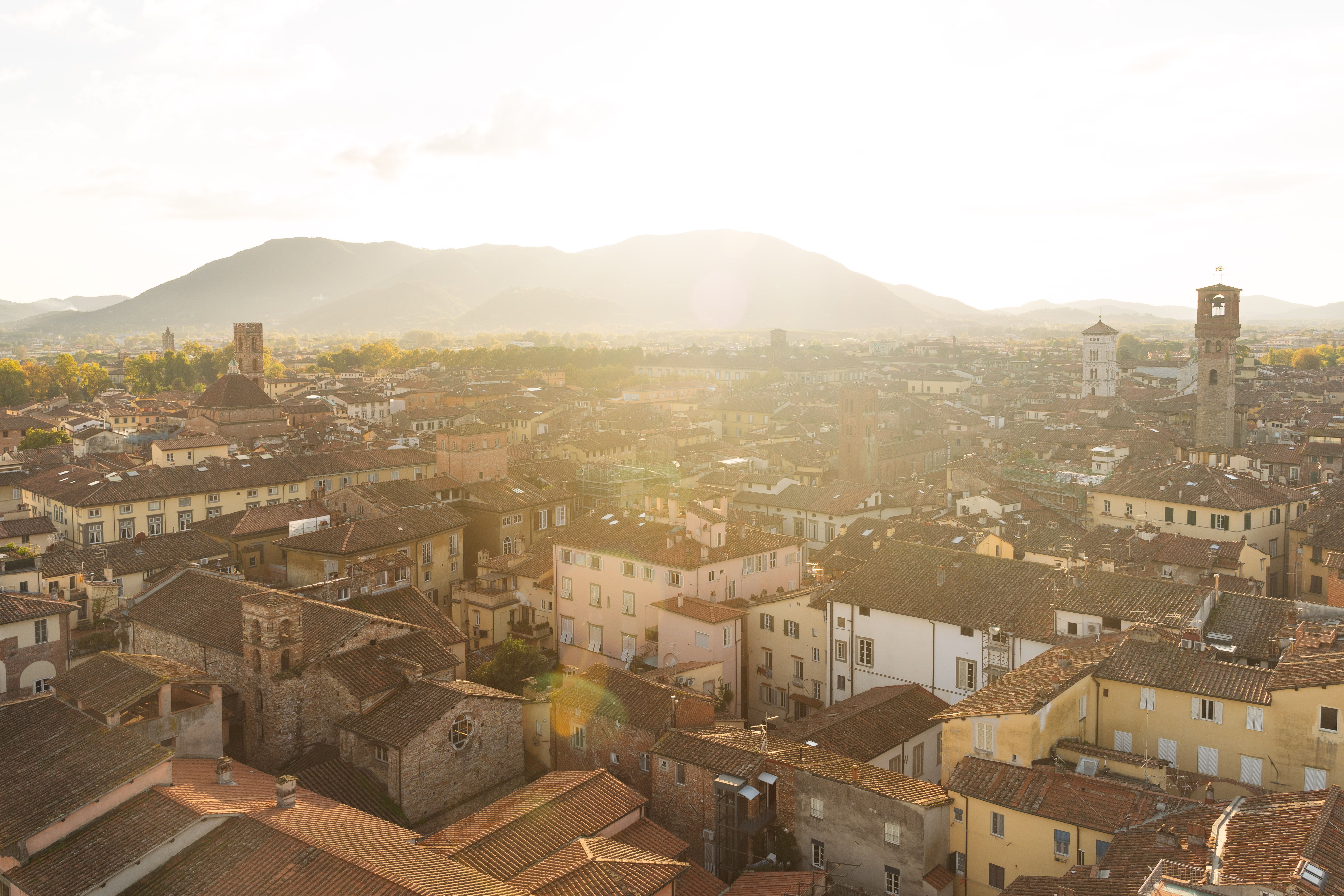
Visually, Lucca is a study in a muted, sophisticated palette. The dominant tones are cream, ochre, and a soft, weathered terracotta, all of which seem to absorb and radiate the Mediterranean sun. This color scheme lends the city a sun-washed quality, making every corner feel as though it has been softened by centuries of light. The textures are equally evocative, from the rough-hewn limestone of the Roman amphitheater to the polished smoothness of the Piazza dell’Anfiteatro.
The Piazza dell’Anfiteatro is perhaps the most poetic space in the city. An oval plaza built upon the ruins of an ancient Roman arena, it feels like a protected enclave, a place where the world slows down. Sitting at a small cafe table here, one can observe the intersection of public and private life. Residents lean out of their windows to chat with neighbors, while travelers soak in the timelessness of the architecture. The space is an exercise in urban intimacy, evoking a sense of belonging even for the first-time visitor.
Beyond the main squares, the smaller streets offer a more tactile experience. One might run a hand along a cool stone wall or pause to admire the intricate wrought-iron balconies that overhang the narrow passages. There is a palpable sense of craftsmanship in every detail, a commitment to quality and beauty that transcends the utilitarian. This attention to detail is what makes the city feel so curated and refined.
The Ritual of Slowing Down
Visiting Lucca is an exercise in the art of the slow afternoon. It is a place where the most productive activity is often a long, meandering walk without a destination. The local culture encourages a relaxed curiosity, where the joy is found in the periphery—a hidden chapel, a small artisan leather shop, or the scent of roasting coffee wafting from a corner bistro.
A typical day might begin with a visit to the local market, where the colors of seasonal produce provide a vibrant contrast to the neutral tones of the architecture. From there, one might drift toward the Cathedral of San Martino, admiring its striking facade before retreating into the cool, dim interior. The shift in temperature and light serves as a mental reset, preparing the traveler for the leisurely hours that follow.
Lunch is not merely a meal but a prolonged event, often enjoyed in a courtyard shaded by vines. The flavors of the region—rich olive oils, salty pecorino, and bold Tuscan wines—are best appreciated when the clock is ignored. This commitment to the present moment is the emotional hook of the destination, answering a deep-seated desire to escape the acceleration of modern life and rediscover a human pace.
A Haven for the Discerning Wanderer
This destination speaks to a specific kind of traveler: the one who seeks solitude without isolation, and luxury without ostentation. It attracts those who find beauty in a perfectly pressed linen sheet, the silence of a library, and the authenticity of a place that does not try too hard to impress. It is for the coastal escape lover who is drawn to the light and air of the Mediterranean but prefers the intellectual and architectural depth of a historic city.
There is a profound sense of safety and ease in Lucca. Because the center is largely pedestrianized, the city becomes a walkable gallery of Italian life. The absence of frantic traffic allows the sounds of the city to emerge: the laughter of children, the clink of glassware, and the distant melody of a street musician. It is an environment that lowers the heart rate and opens the mind, making it an ideal location for creative reflection or romantic reconnection.
The attraction lies in the lack of urgency. In other Italian cities, there is often a pressure to see every monument and visit every museum. In Lucca, the monument is the city itself. The act of staying, of simply being present in the atmospheric spaces of a boutique hotel and the quiet corners of the plaza, is the primary objective. This is the essence of quiet luxury—the freedom to choose stillness over activity.
The Staylora Perspective on Tuscan Refinement
From the Staylora perspective, Lucca represents the pinnacle of refined travel because it balances heritage with a genuine sense of peace. It is a destination that proves luxury is not about excess, but about the quality of the experience and the atmosphere of the surroundings. When selecting a stay here, the focus should be on the emotional resonance of the property—how the light enters the room, the quality of the silence, and the way the space encourages a slower rhythm of life.
The true luxury of Lucca is found in the interstices: the moments between the sights. It is the feeling of the cool evening air as you walk back to your hotel after a long day of exploration, the taste of a perfectly crafted Negroni as the sun sets, and the knowledge that tomorrow will be just as slow and beautiful as today. It is a destination that inspires not just a trip, but a shift in perspective on how we choose to spend our most precious resource: our time.
FAQ
What makes Lucca a great choice for a quiet getaway?
Lucca is uniquely suited for peace-seekers due to its pedestrian-friendly center and the encircling Renaissance walls that create a natural buffer from the outside world. The city’s atmosphere is significantly more relaxed than nearby hubs like Florence, offering a serene environment where the focus is on slow exploration, architectural beauty, and a genuine sense of local tranquility.
When is the best time to experience Lucca luxury boutique stays?
The late spring and early autumn months are ideal for experiencing Lucca luxury boutique stays. During these periods, the weather is mild and the light is particularly soft, enhancing the city’s sun-washed aesthetic. Visiting during these shoulder seasons allows travelers to enjoy the ramparts and public squares without the peak summer crowds, preserving the feeling of quiet luxury.
How does the atmosphere of Lucca differ from Florence?
While Florence is a powerhouse of art and grand scale, Lucca is an exercise in intimacy and understated grace. Florence can feel like a bustling museum, whereas Lucca feels like a lived-in sanctuary. The pace in Lucca is notably slower, and the focus shifts from high-traffic landmarks to atmospheric strolls and the simple pleasure of atmospheric, refined living.
Staylora.com may contain affiliate links and third-party booking tools. We may earn a commission from qualifying bookings at no extra cost to you. Hotel prices, availability, policies, and travel information may change without notice. Please verify all important details directly with the booking provider before making any reservation.