The Morning Ritual and Luxury Boutique Hotel Destinations
Golden light filters through heavy linen curtains, casting long, soft shadows across a herringbone oak floor. There is a particular silence that exists only in the early hours of a European city, a stillness that feels weighted with history and anticipation. In these moments, the act of waking up becomes a curated experience, where the scent of fresh espresso mingles with the faint aroma of old stone and beeswax polish.
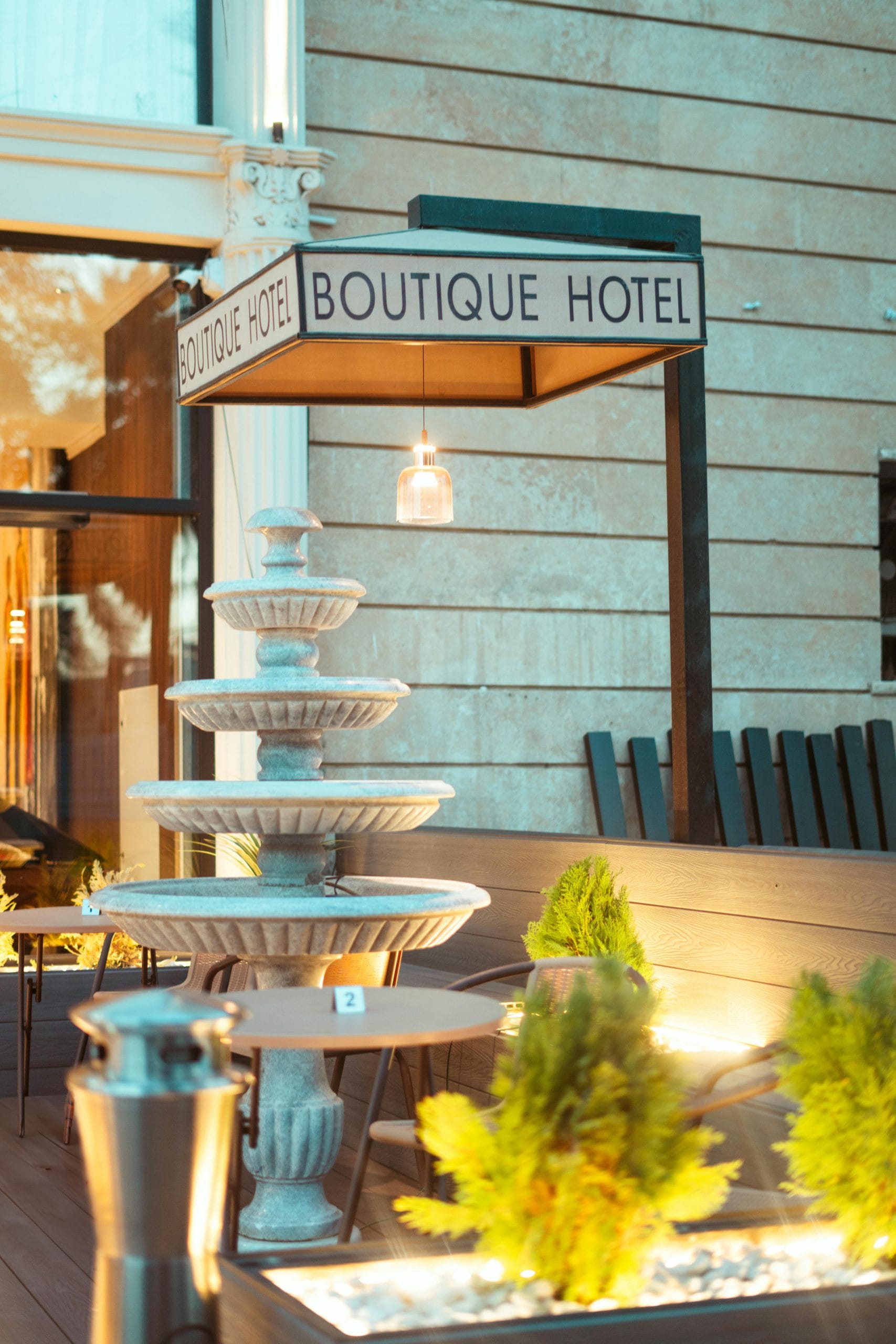
Choosing the right setting for a getaway often determines the entire rhythm of the trip. When travelers seek out luxury boutique hotel destinations, they are rarely searching for mere accommodation. Instead, they are looking for a sanctuary that mirrors the soul of the city outside its doors, a place where the architecture tells a story and the service is felt rather than performed.
The intimacy of a boutique stay lies in its scale. It is the difference between a corridor and a gallery, between a lobby and a living room. In the most design-forward corners of Europe, these spaces are treated as living artworks, blending contemporary minimalism with the opulent echoes of the past to create an atmosphere of quiet luxury.
This approach to travel encourages a slower pace. It invites the guest to linger over a breakfast of local pastries on a private balcony, watching the city stir to life below. Here, the luxury is found not in excess, but in the precision of a detail—a hand-thrown ceramic cup, a perfectly weighted duvet, or the way the light hits a piece of mid-century furniture in a quiet corner.
The Quiet Allure of Design-Forward Heritage
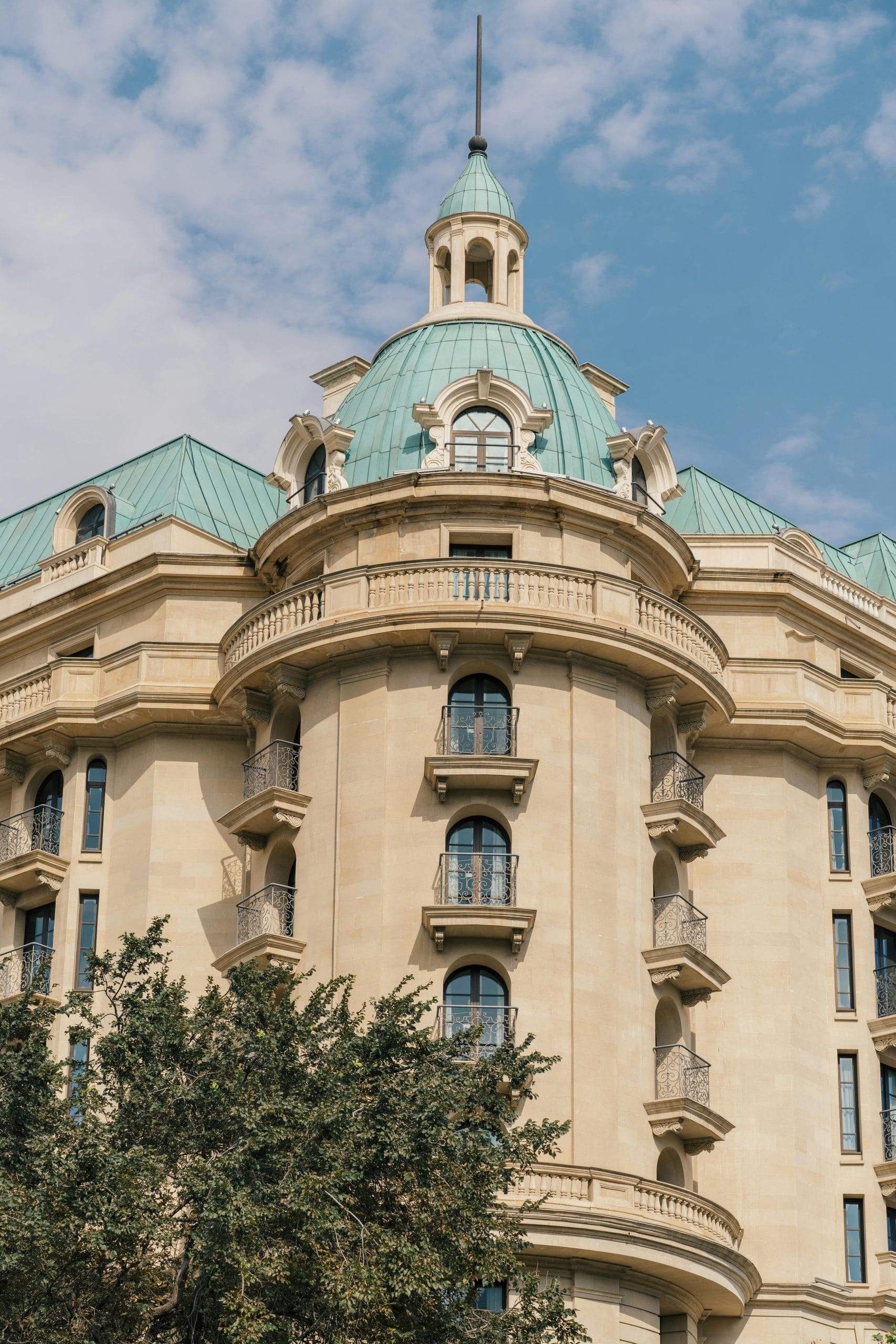
There is a profound emotional resonance in staying within walls that have witnessed centuries of change. Many of Europe’s most atmospheric escapes are housed in repurposed palaces, former monasteries, or ancestral townhomes. The magic happens when a visionary designer respects the original bones of the building while introducing a modern, refined sensibility.
This tension between the old and the new creates a sophisticated visual dialogue. Imagine a room where a rough-hewn stone wall from the Renaissance is paired with a sleek, velvet sofa in a deep jewel tone. The contrast doesn’t clash; it harmonizes, suggesting that elegance is timeless and that true style is about the curation of layers.
Heritage design is not about recreating a museum, but about evoking a feeling. It is the tactile pleasure of a brass door handle that has been polished for decades or the coolness of a marble floor underfoot in the heat of July. These elements ground the traveler in the present while connecting them to the cultural lineage of the destination.
Such spaces naturally attract those who appreciate the nuances of craftsmanship. The focus shifts from the generic standards of high-end hospitality to the specific character of the location. When the environment is this intentional, the stay itself becomes a primary reason for the journey, offering a sense of belonging in a foreign city.
Architectural Lines and Atmospheric Textures
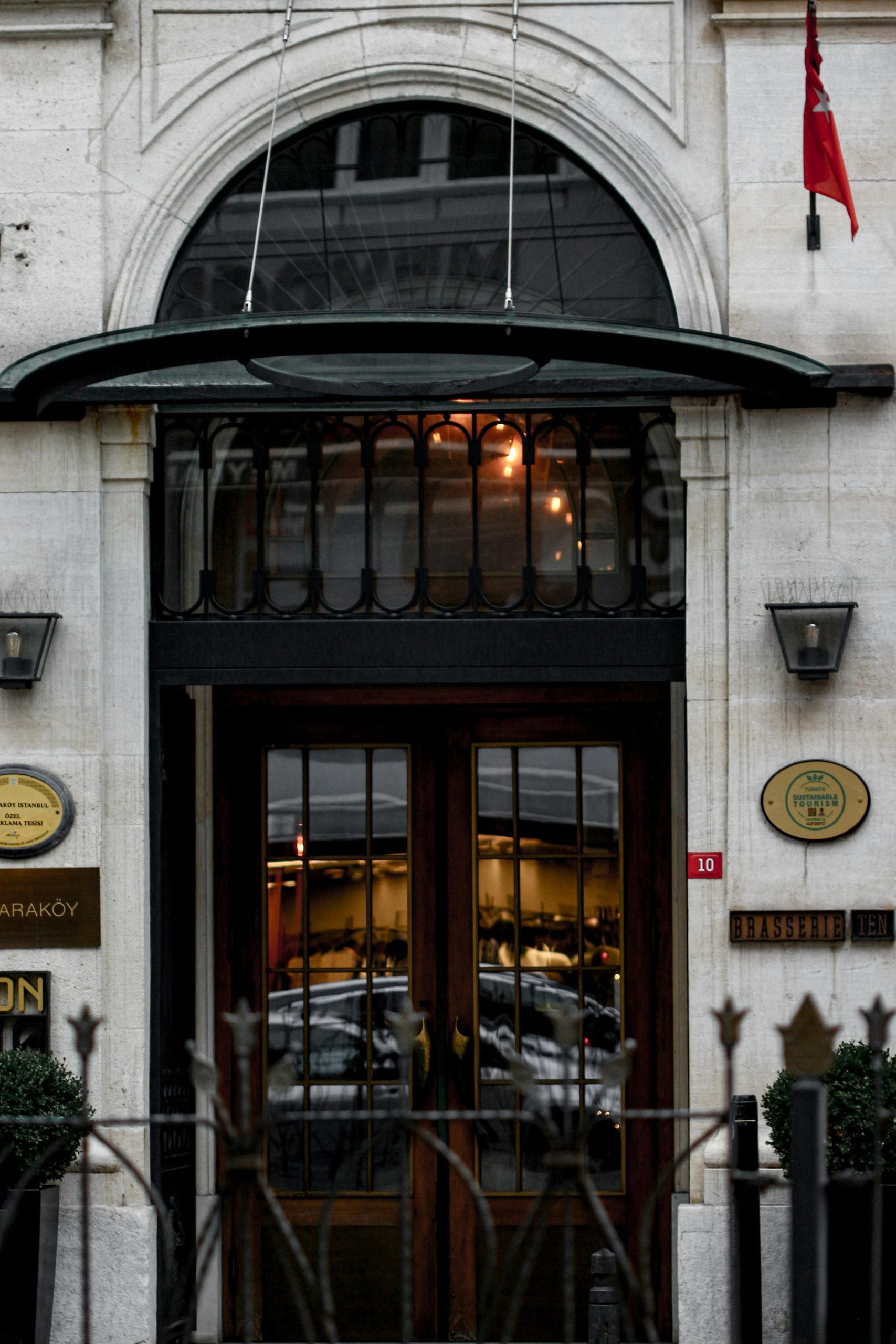
Visual language plays a critical role in the appeal of these refined escapes. The eye is drawn to the clean lines of a modernist staircase intersecting with the ornate carvings of a baroque ceiling. This intersection of geometry and ornament defines the aesthetic of the modern boutique experience, where every angle is considered and every texture serves a purpose.
Public spaces in these hotels are designed for the art of the pause. A library with floor-to-ceiling shelves and leather armchairs provides a retreat from the urban rush, while a courtyard garden with climbing jasmine offers a sensory sanctuary. These areas are not merely functional; they are emotional anchors that encourage guests to breathe and exist in the moment.
Texture defines the mood of the interior. The softness of cashmere throws, the organic grain of reclaimed wood, and the subtle shimmer of Venetian plaster all contribute to a feeling of warmth and envelopment. It is a tactile luxury that avoids the coldness of traditional opulence, opting instead for a grounded, residential feel.
The transition from the interior to the exterior is often seamless. A terrace overlooking the terracotta rooftops of Florence or a window framing the misty hills of the Cotswolds integrates the landscape into the room’s design. The destination is not just something to be visited; it is something to be framed and admired from a place of complete comfort.
The Art of Slow Wandering in Cultural Capitals
A design-forward stay acts as a base for a specific kind of exploration. It appeals to the traveler who prefers the pleasure of wandering without a map, allowing curiosity to lead the way through narrow alleyways and hidden plazas. This slow pace transforms sightseeing into a series of serendipitous discoveries.
For those focused on food and lifestyle, the journey begins with the local market. The experience of carrying a bouquet of fresh peonies and a brown paper bag of artisanal cheeses back to a stylish hotel suite is a luxury of a different kind. It is the luxury of time and the freedom to engage with the local texture of the city at one’s own speed.
Scenic viewpoints are sought not for the photograph, but for the perspective. Whether it is a quiet bench in a botanical garden or a secluded corner of a historic bridge, the goal is to absorb the atmosphere. The architecture of the city becomes a mirror to the architecture of the stay, creating a cohesive aesthetic experience that lingers long after the trip ends.
Wandering through these destinations reveals the quiet corners that guidebooks often overlook. A small bookstore with leather-bound volumes, a tiny café with three tables and the best espresso in the district, or a cobblestone courtyard where the only sound is the trickle of a fountain. These are the moments that define a refined escape.
A Sanctuary for the Lifestyle Traveler
The persona drawn to these spaces is one that values discretion and authenticity. They are the curators of their own lives, seeking out experiences that align with their personal aesthetic. For them, travel is not about checking off a list of landmarks, but about immersing themselves in a mood and a culture.
This traveler finds joy in the subtle details. They appreciate the way a hotel chooses its art, the specific playlist playing in the lounge, and the quality of the linens. They seek out quiet luxury—a style that doesn’t scream for attention but is recognized by those who understand the value of quality and restraint.
There is an emotional pull toward destinations that offer a sense of sanctuary. In a world of constant connectivity, the ability to disconnect in a space that feels intellectually and visually stimulating is a rare commodity. The boutique hotel becomes a cocoon, providing a safe harbor from which to explore the complexity of the city.
This lifestyle approach to travel emphasizes the quality of the interaction over the quantity of the activity. A long lunch that stretches into the afternoon, a slow walk through an art gallery, or an evening spent reading by a fireplace are the highlights of the itinerary. The destination becomes a backdrop for a more mindful way of being.
The Staylora Perspective on Intimate Escapes
At Staylora, we believe that the most memorable journeys are those that engage all the senses. A stay is not just a place to sleep; it is a catalyst for inspiration. When we look at the most design-forward destinations, we see a commitment to the art of hospitality as a form of storytelling, where the guest is a character in a beautifully written narrative.
The essence of a refined escape lies in the balance between service and privacy. The best boutique experiences provide a seamless flow, where the staff anticipates needs without intruding on the solitude. This invisible hand ensures that the guest can fully surrender to the atmosphere of the place.
We encourage travelers to seek out spaces that challenge their perception of luxury. True elevation is found in the authenticity of the experience—the genuine warmth of a local greeting, the honest patina of an ancient wall, and the courage of a designer to leave some spaces empty. This breathing room is where the imagination thrives.
By prioritizing mood and atmosphere over generic luxury, travelers can discover a deeper connection to the places they visit. Europe continues to offer an endless array of these intimate sanctuaries, each providing a unique lens through which to view the world and a quiet place to wake up slowly.
FAQ
How do I choose between different luxury boutique hotel destinations?
Focus on the emotional mood you desire for your trip. If you seek intellectual stimulation and urban energy, look toward design-forward city hotels in capitals like Paris or Copenhagen. If you require deep restoration and a connection to nature, seek out heritage estates in the countryside of Tuscany or the French Provence, where the architecture blends with the landscape.
When is the best time to experience a refined European escape?
While these destinations are designed for year-round appeal, the shoulder seasons of spring and autumn offer the most atmospheric experience. The softer light and cooler temperatures enhance the mood of slow wandering, and the crowds are thinner, allowing you to appreciate the quiet corners and refined public spaces of your boutique stay without distraction.
What defines a truly design-forward boutique hotel?
A design-forward hotel is defined by intentionality. It is not simply about expensive furniture, but about how the space interacts with its environment and the guest. Look for a cohesive visual narrative, a respect for the building’s original heritage, and a focus on tactile, high-quality materials that evoke a specific feeling of place and time.
Staylora.com may contain affiliate links and third-party booking tools. We may earn a commission from qualifying bookings at no extra cost to you. Hotel prices, availability, policies, and travel information may change without notice. Please verify all important details directly with the booking provider before making any reservation.