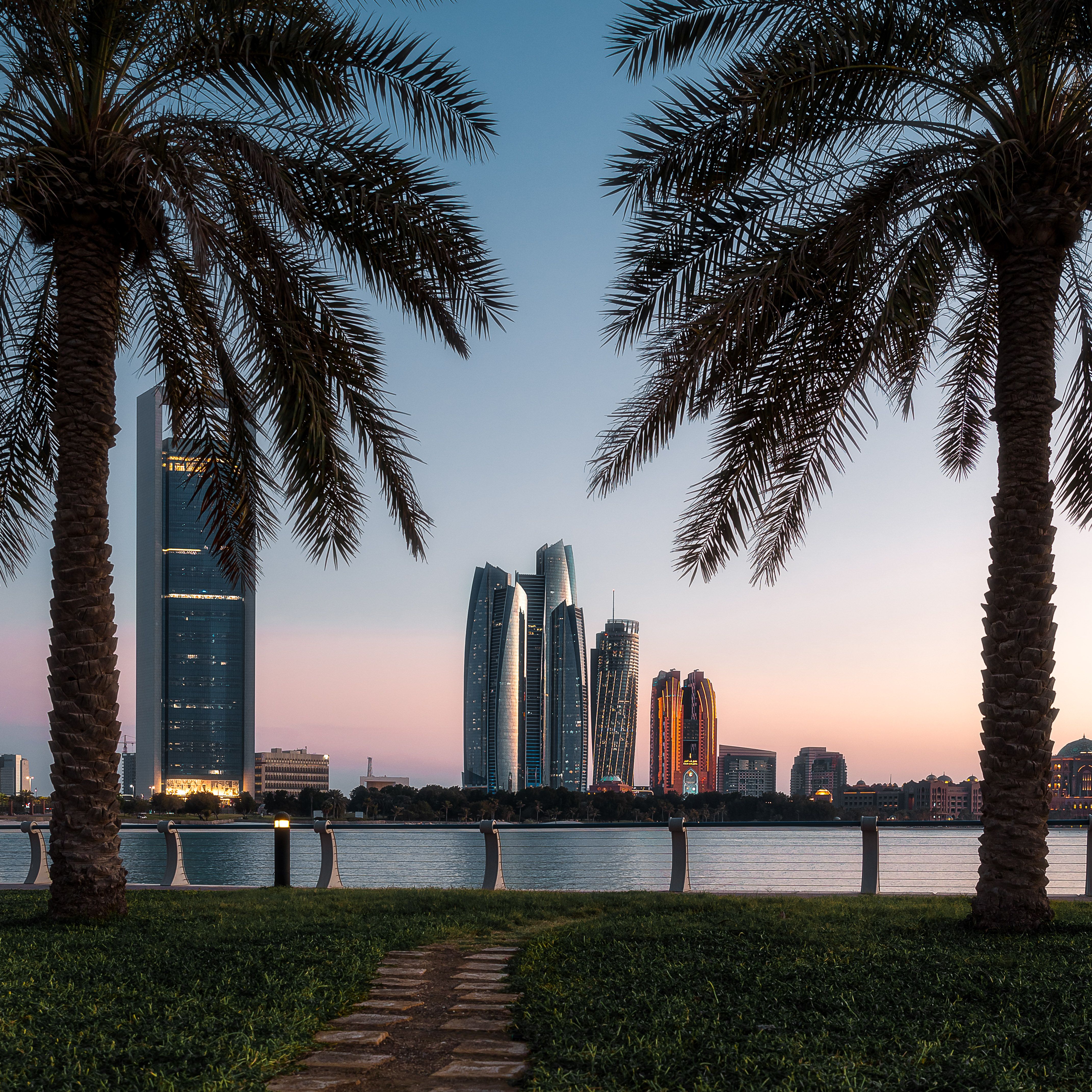
Choosing the right Kyoto boutique hotels can transform a simple visit into a profound exploration of Japanese aesthetics and timeless hospitality. For the discerning traveler, the city is not merely a destination but a living museum where the boundary between the ancient and the contemporary is artfully blurred. Finding a sanctuary that reflects this duality is essential for anyone seeking an elevated experience in Japan’s cultural capital.
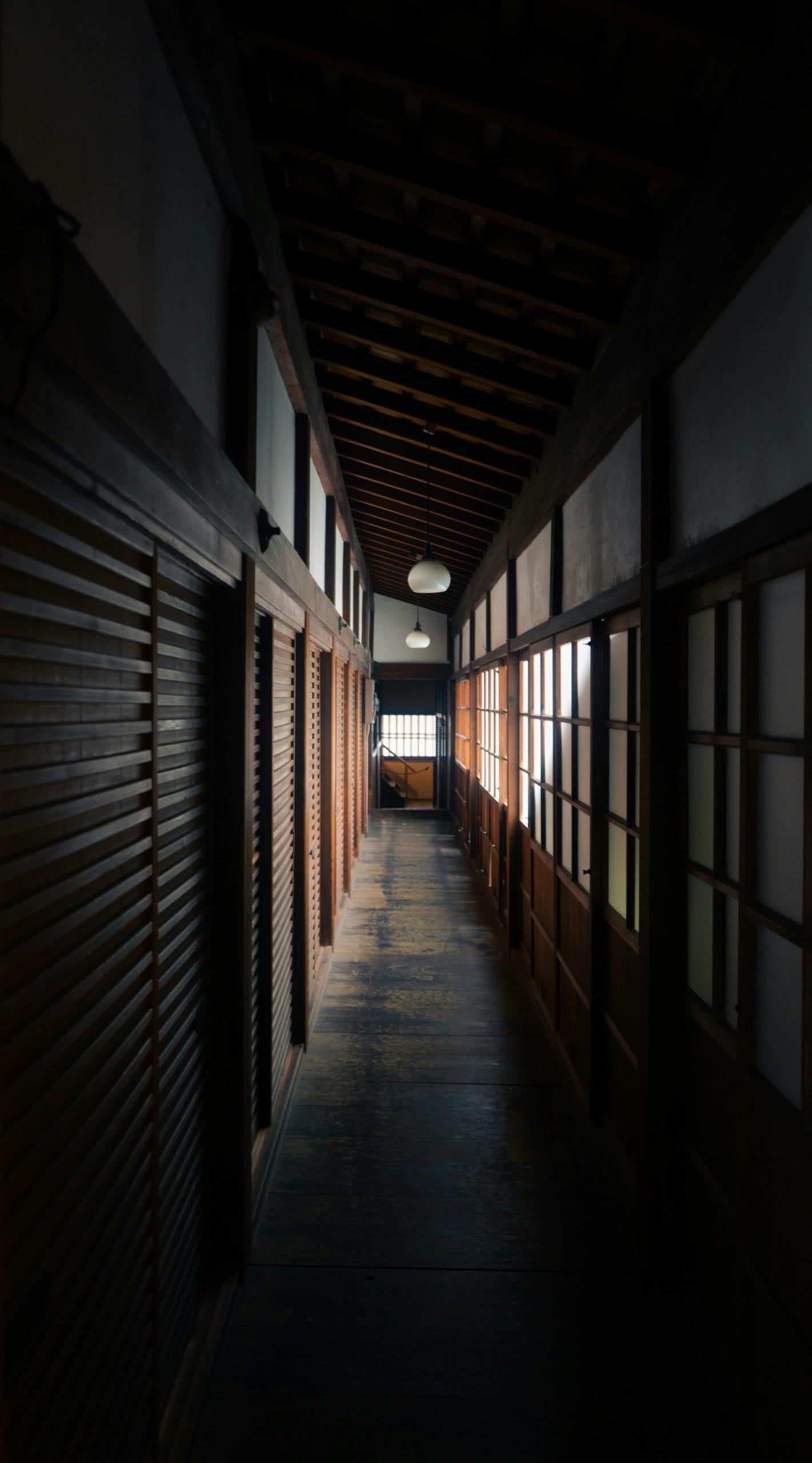
The landscape of luxury accommodation in Kyoto has evolved significantly over the last decade. While the traditional ryokan remains the gold standard for authentic immersion, a new wave of boutique properties has emerged. These establishments blend the meticulous attention to detail found in ancestral inns with the comforts and design sensibilities of modern luxury. This fusion creates a unique category of stay that appeals to the connoisseur who values both heritage and innovation.
When navigating the city’s geography, the choice of neighborhood dictates the rhythm of the journey. The Higashiyama district is perhaps the most evocative area for those seeking a traditional atmosphere. Here, the streets are lined with preserved wooden facades and hidden tea houses. Staying in a boutique property in this region allows guests to experience the city’s spiritual heart before the crowds arrive at the temples. The air here feels heavier with history, and the accommodations often mirror this through the use of cedar wood, washi paper, and minimalist gardens.
For those who prefer a more vibrant and cosmopolitan energy, the central districts near Gion and the Nakagyo ward offer a different kind of luxury. This area is the nexus of Kyoto’s refined urban life, where high-end boutiques and contemporary art galleries sit alongside centuries-old shrines. Boutique hotels in the center often feature daring architectural choices, integrating industrial elements with Zen-inspired interiors. These stays are ideal for travelers who wish to be within walking distance of the city’s finest dining and shopping while retreating to a private, serene enclave at night.
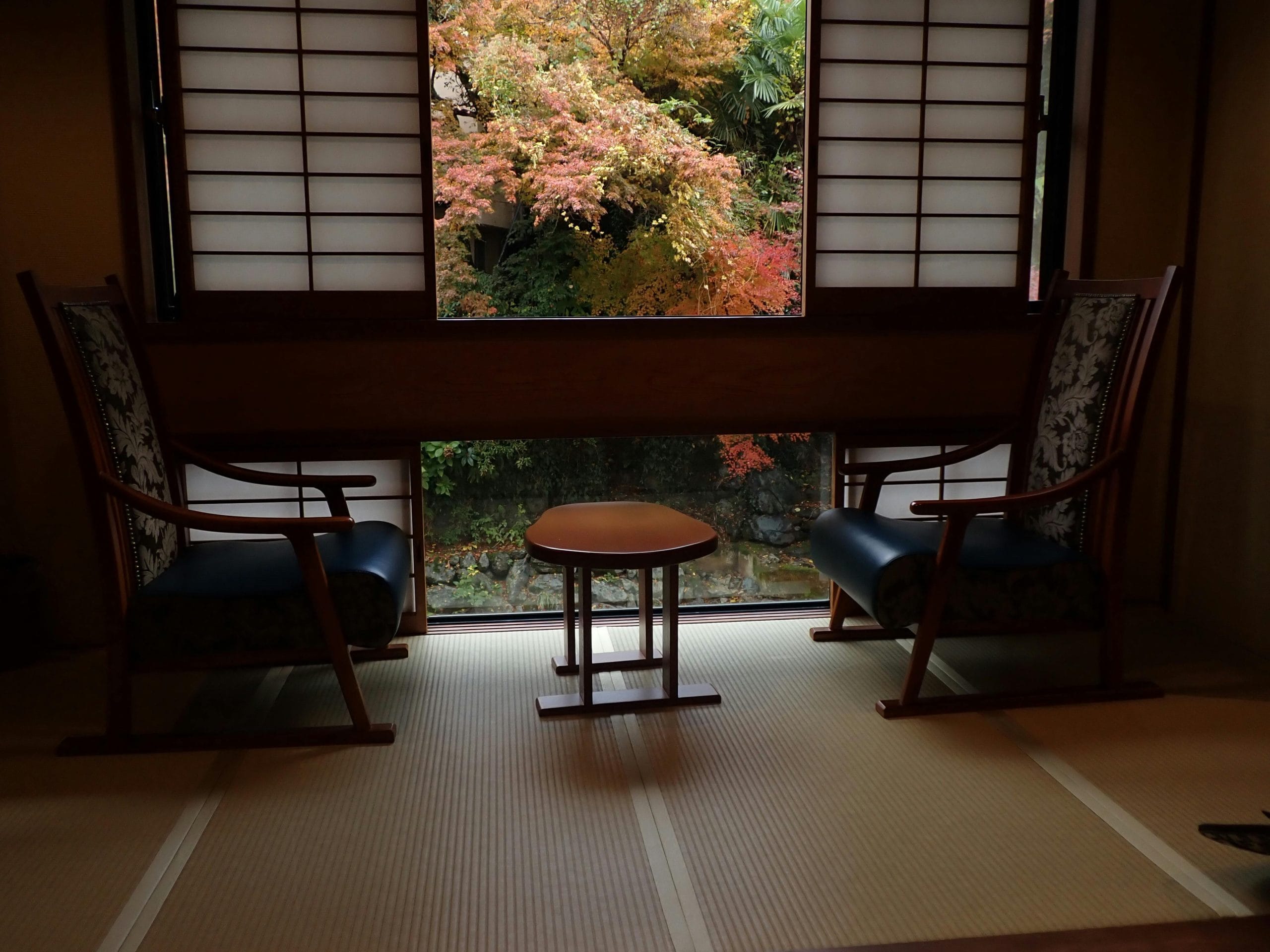
Arashiyama, located on the western outskirts of the city, provides a sanctuary for those seeking nature and seclusion. The atmosphere here is defined by the gentle flow of the Hozugawa River and the towering presence of the bamboo groves. Luxury stays in Arashiyama often lean toward the modern ryokan style, emphasizing space, silence, and a deep connection to the surrounding landscape. The experience here is slower and more meditative, making it the perfect choice for travelers looking to detox from the pace of modern city life.
Understanding the concept of the modern ryokan is key to selecting the perfect stay. Unlike traditional inns that may require sleeping on futons on tatami mats, the modern ryokan introduces the luxury of a high-end western bed while maintaining the ritualistic beauty of Japanese living. This includes the presence of a private onsen or a meticulously designed soaking tub, the service of a dedicated host, and the presentation of kaiseki meals that celebrate the micro-seasons of the region.
The type of traveler who thrives in Kyoto is typically one who appreciates the luxury of silence and the beauty of imperfection. Whether it is the slight asymmetry of a handmade ceramic vase in a hotel lobby or the precise placement of a single stone in a courtyard garden, the city rewards the observant. Boutique hotels in Kyoto cater to this sensibility by avoiding the generic opulence of global chains in favor of curated, local narratives.
Practical planning for a luxury stay in Kyoto requires a nuanced approach. The city operates on a seasonal heartbeat, with the cherry blossom season in spring and the vibrant maples of autumn creating immense demand. For the connoisseur, booking several months in advance is not just a necessity but a strategy to secure the most coveted suites. Many of the finest boutique properties are intimate by design, often featuring only a handful of rooms to ensure a personalized level of service known as omotenashi.
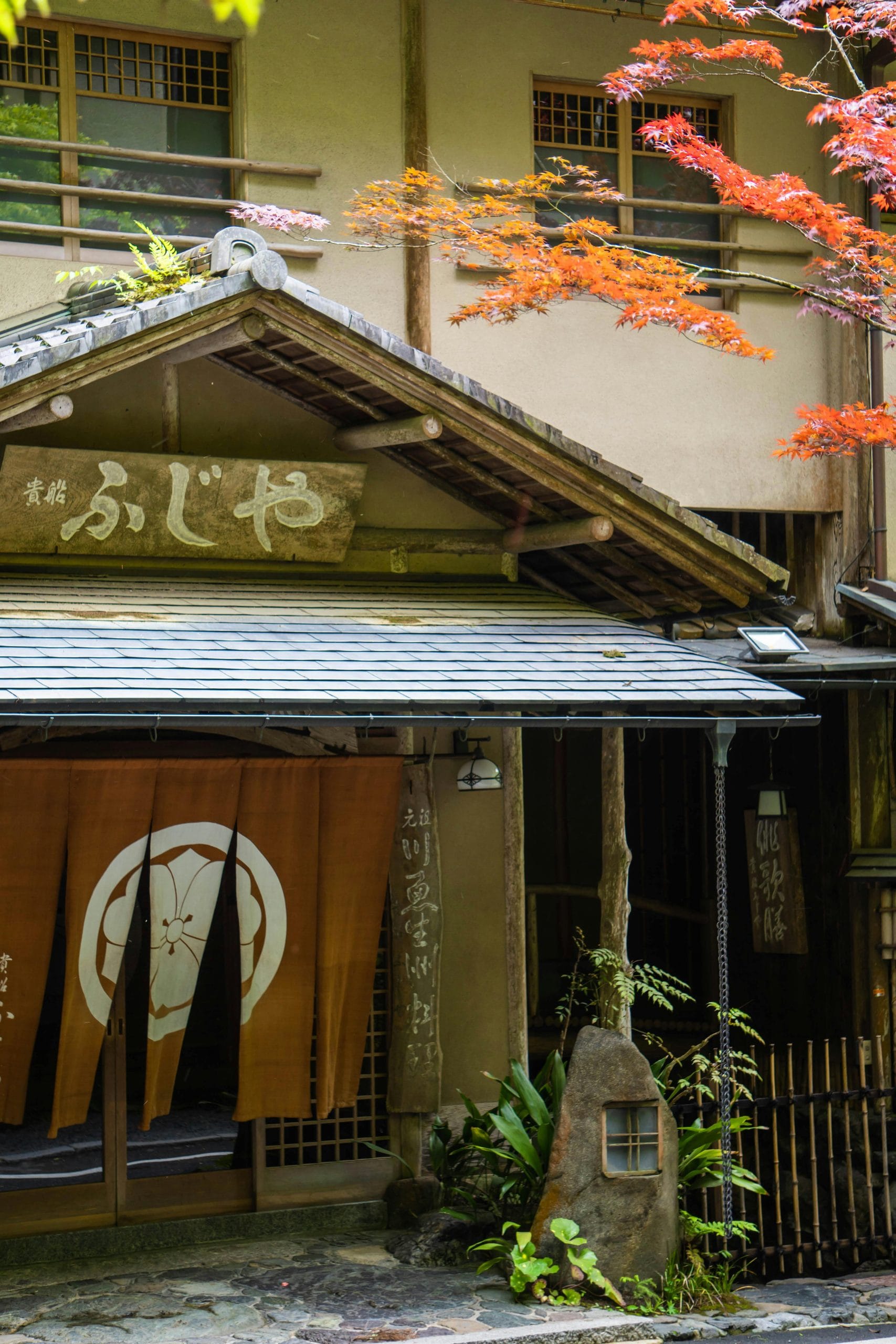
Omotenashi is the Japanese art of selfless hospitality, and it is most evident in the city’s boutique sector. It is not merely about efficiency but about anticipating a guest’s needs before they are even articulated. This might manifest as a perfectly timed pot of green tea upon arrival or a curated list of private temple visits that are not open to the general public. This level of intuitive service is what elevates a stay from a mere lodging experience to a meaningful cultural exchange.
For those planning their travel flow, it is often beneficial to split a stay between two different areas of the city. Beginning with a few nights in a modern boutique hotel in the center allows for an efficient exploration of the urban landmarks and culinary scene. Transitioning to a secluded ryokan in Arashiyama or Higashiyama for the remainder of the trip provides a necessary emotional shift, allowing the traveler to wind down and absorb the spiritual essence of the city in a more quiet setting.
The culinary experience integrated into these luxury stays is often a highlight of the trip. Many boutique hotels collaborate with local artisans and farmers to provide breakfasts and dinners that are hyper-local. The focus is on purity, seasonality, and presentation. Dining within the privacy of one’s room or in a small, exclusive dining hall allows for a focused appreciation of the flavors that define the Kyoto region, from the delicate tofu of Nanzen-ji to the rich flavors of Kyoto-style beef.
Transport within the city should be handled with a preference for private cars or the occasional taxi to maintain the seamless flow of a luxury itinerary. While Kyoto has a functional bus system, the elegance of a private transfer aligns better with the atmosphere of a boutique stay. Many high-end properties can arrange for curated transport that avoids the most congested tourist routes, ensuring that the transition from the hotel to the destination is as serene as the stay itself.
When selecting a property, one should look for details that indicate a commitment to local craftsmanship. The use of Kyoto-made textiles, traditional lacquerware, and collaborations with local architects are hallmarks of a truly refined boutique hotel. These details ensure that the accommodation is an extension of the city’s identity rather than an imposition upon it.
Ultimately, the journey through Kyoto is a lesson in mindfulness. The city teaches the traveler to slow down, to notice the shadow on a sliding screen, and to appreciate the silence between sounds. By choosing a stay that embodies these values, the traveler becomes a participant in the culture rather than a mere observer. The finest boutique hotels and modern ryokans serve as the perfect frames for this experience, providing the comfort and sophistication necessary to fully engage with the magic of the city.
Whether the goal is a romantic escape, a solo journey of reflection, or a sophisticated family retreat, Kyoto offers a spectrum of luxury that is unmatched. The key lies in aligning the choice of accommodation with the intended emotional outcome of the trip. By prioritizing authenticity, design, and the spirit of omotenashi, any visitor can unlock the true essence of this ancient capital and create memories that linger long after the journey has ended.
Staylora.com may contain affiliate links and third-party booking tools. We may earn a commission from qualifying bookings at no extra cost to you. Hotel prices, availability, policies, and travel information may change without notice. Please verify all important details directly with the booking provider before making any reservation.