Kyoto luxury boutique stays and the Mood of the Place
The morning light in Kyoto arrives not as a sudden brightness, but as a gradual softening of the charcoal skies over the Higashiyama mountains. There is a specific, breathless quality to the air at dawn, a coolness that carries the scent of damp stone and ancient cedar. In these early hours, the city feels less like a destination and more like a living painting, where the boundaries between the natural world and human craftsmanship blur into a single, cohesive expression of peace.
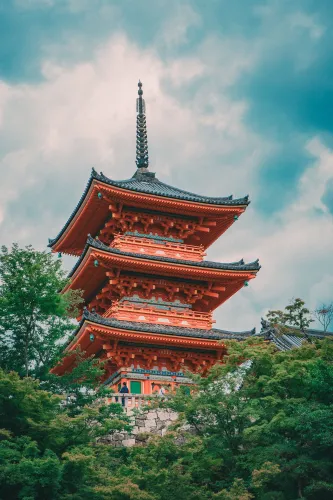
For those seeking a departure from the noise of modern existence, the allure of Kyoto luxury boutique stays lies in their ability to mirror this environmental stillness. These sanctuaries are not merely places to sleep, but curated environments designed to foster a deeper connection with the self. They capture the essence of the city, blending the austerity of traditional Zen aesthetics with a romantic, contemporary luxury that whispers rather than shouts.
To enter one of these boutique spaces is to step into a world of intentionality. The transition from the bustling streets to the hushed interiors of a refined ryokan or a designer boutique hotel is a sensory shift. The sounds of the city fade, replaced by the rhythmic trickle of a stone water basin or the soft slide of a shoji screen. It is here, in the quietude of a meticulously designed room, that the true art of Japanese refinement reveals itself.
The Soul of Japanese Refinement
Refinement in Kyoto is found in the details that often go unnoticed by the hurried traveler. It is present in the tactile contrast between a rough-hewn wooden beam and the smooth, cool surface of a tatami mat. The visual language of the city is one of neutral palettes—shades of oatmeal, slate, and moss—which allow the mind to settle and the spirit to expand. This understated luxury is a deliberate choice, favoring quality of material over quantity of ornament.
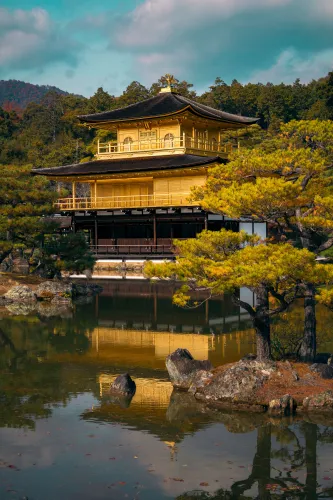
The architecture of the city’s most intimate stays often emphasizes the relationship between the interior and the exterior. A small, private courtyard garden, viewed through a precise rectangular frame of dark wood, transforms a simple view into a meditative focal point. These spaces encourage a slow pace of observation, inviting guests to watch the way a single maple leaf falls or how the light shifts across a wall of clay plaster throughout the afternoon.
There is a profound romanticism in this minimalism. It is a luxury based on the subtraction of the unnecessary, leaving only what is essential and beautiful. In the context of a boutique escape, this means linens that feel like a second skin, ceramics that bear the unique thumbprint of the artisan, and a level of service that anticipates a need before it is even consciously felt.
A Cinematic Pace for the Solo Traveler
For the solo traveler, Kyoto offers a unique kind of companionship—the companionship of one’s own thoughts set against a backdrop of timeless beauty. Traveling alone through the narrow lanes of Gion or the philosopher’s path allows for a cinematic experience, where the traveler is the sole witness to the city’s quietest moments. There is no pressure to perform or to adhere to a rigid schedule, only the freedom to follow a whim or a particular quality of light.
The ideal journey through this city is one of selected highlights. Rather than attempting to visit every temple, the refined traveler chooses one or two that resonate with their current emotional state. A morning spent in the stillness of a rock garden, where the raked gravel mimics the flow of water, provides more insight into the local identity than a dozen hurried sightseeing stops. This slow approach transforms the trip from a vacation into a pilgrimage of the senses.
The rhythm of the day is dictated by a desire for calm. A slow walk through the bamboo groves of Arashiyama before the crowds arrive, followed by a moment of reflection in a tea house, creates a narrative of tranquility. The city becomes a mirror, reflecting the traveler’s internal state of peace back to them, amplified by the surrounding heritage and the soft, breezy atmosphere of the valley.
The Sensory Palette of Kyoto Dining
Food culture in Kyoto is an extension of the city’s commitment to refinement. The dining mood is one of reverence, where the meal is treated as a seasonal dialogue between the chef and the guest. Kaiseki, the traditional multi-course haute cuisine, is the pinnacle of this expression. Each dish is a visual poem, reflecting the precise micro-season of the moment, served on ceramics that complement the colors and textures of the ingredients.
Dining in a romantic luxury setting in Kyoto often involves a private room overlooking a moonlit garden. The experience is tactile and immersive; the weight of the lacquerware, the fragrance of a freshly whisked bowl of matcha, and the delicate flavor of tofu made from the city’s pristine spring water. It is a slow, deliberate process of tasting and appreciating, where the silence between courses is as important as the food itself.
Beyond the formal dining rooms, there is a quiet joy to be found in the simpler culinary moments. A bowl of handmade soba in a centuries-old shop or a piece of wagashi candy that looks like a blooming plum blossom provides a tactile connection to the local identity. The focus is always on the integrity of the ingredient and the elegance of the presentation, ensuring that every meal feels like a curated event.
Who Finds Solace in the Ancient Capital
This destination speaks to those who find luxury in silence and beauty in the understated. It attracts the creative soul, the weary executive, and the introspective wanderer—individuals who value privacy, authenticity, and the luxury of time. These are travelers who prefer a handwritten note over a digital check-in and the scent of incense over the sterility of a corporate lobby.
The emotional hook of Kyoto is the memory of atmosphere. Long after the trip has ended, the traveler does not remember the specific names of the streets, but rather the way the golden hour light hit the vermillion gates of Fushimi Inari, or the feeling of walking barefoot on a cool wooden veranda. It is a destination that appeals to the heart’s desire for a slower, more meaningful existence, offering a sanctuary where one can simply be.
For the solo traveler, the city provides a safe and elegant embrace. The culture of respect and the inherent quietness of the environment make it an ideal place for those who wish to rediscover their own rhythm. It is a journey of romantic luxury, not in the sense of a partner, but in the sense of a romanticized, elevated relationship with one’s own life and surroundings.
The Staylora Perspective on Quiet Luxury
At Staylora, we believe that the most profound travel experiences are those that allow for a sense of atmospheric immersion. Kyoto luxury boutique stays epitomize this philosophy by offering more than just a room; they offer a curated perspective on Japanese life. By choosing smaller, more intimate properties, travelers avoid the anonymity of large hotels and instead engage with the authentic spirit of the city.
The transition toward slow travel is a response to a world that is increasingly fragmented and fast. In Kyoto, we find the antidote. The ability to wake up in a space that feels like a private residence, to breathe in the scent of tatami, and to start the day with a moment of absolute stillness is the ultimate luxury. It is an invitation to trade the checklist for the experience and the destination for the feeling.
When planning a journey to this ancient capital, the focus should remain on quality over quantity. Selecting a stay that aligns with the desired mood of the trip—whether it be one of deep meditation, artistic inspiration, or romantic solitude—is the first step in crafting an elevated experience. Kyoto is not a city to be conquered, but a city to be felt, one quiet moment at a time.
FAQ
When is the most atmospheric time to visit Kyoto?
While spring cherry blossoms and autumn leaves are visually stunning, the early morning calm of winter or the breezy transition of late spring offers a more intimate experience. Visiting during the shoulder seasons allows travelers to experience the city’s refined mood without the crowds, making it easier to appreciate the quietude of the temples and the elegance of the local architecture.
What makes Kyoto luxury boutique stays different from standard luxury hotels?
These stays focus on intimacy, heritage, and a deep connection to the local identity. Unlike larger hotels, boutique properties in Kyoto often emphasize traditional Japanese aesthetics, such as personalized omotenashi service and architectural details like private zen gardens. They provide a tactile, sensory experience that feels more like a private home than a commercial establishment.
How can a solo traveler experience the city in a slow and elegant way?
The key is to prioritize quality over quantity. Instead of a packed itinerary, choose one neighborhood to explore deeply each day. Spend your mornings in a quiet temple, your afternoons browsing a traditional stationery shop, and your evenings enjoying a solo Kaiseki dinner. This approach allows the destination’s atmospheric beauty to unfold naturally, ensuring a more restorative journey.
Staylora.com may contain affiliate links and third-party booking tools. We may earn a commission from qualifying bookings at no extra cost to you. Hotel prices, availability, policies, and travel information may change without notice. Please verify all important details directly with the booking provider before making any reservation.