Tuscany Luxury Escape and the Mood of the Place
The first light over the Tuscan hills arrives not as a sudden glare, but as a soft, pearlescent wash that slowly reveals the contours of the landscape. In these early hours, the world feels suspended, held in a delicate balance between the sleeping earth and the waking sky. The air is cool and crisp, carrying the faint scent of damp stone and wild rosemary, creating a sensory invitation to simply be present.
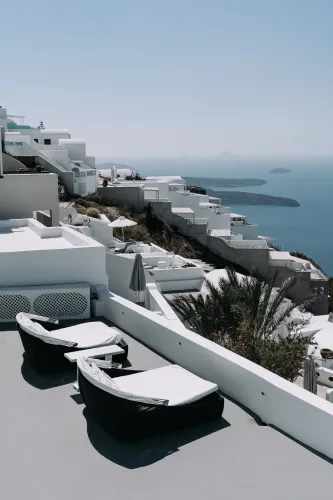
For those seeking a true Tuscany luxury escape, the appeal lies not in the grandeur of gold-leafed hotels, but in the quietude of the hillside. There is a specific, restorative energy found in the way the morning mist clings to the valleys, blurring the lines between the silver-green olive groves and the pale blue horizon. This is a place where the clock ceases to be a master and instead becomes a suggestion, allowing the rhythm of the day to be dictated by the movement of the sun across terracotta rooftops.
The atmosphere is one of profound stillness that restores attention. In a world of constant digital noise, the silence of a Tuscan hillside is a luxury in itself. It is a silence punctuated only by the distant chime of a village church bell or the rhythmic sound of footsteps on a gravel path. This environment fosters a state of mental clarity, where the mind can finally untether from the frantic pace of modern life and realign with a more natural, intentional way of existing.
Visiting this region is less about ticking boxes on a tourist map and more about absorbing a feeling. It is the feeling of linen drying in a warm breeze, the taste of cold water from a stone well, and the sight of cypress trees standing like sentinels against a wide, open sky. The mood is one of effortless elegance, where the beauty of the surroundings requires no adornment because the landscape itself is the masterpiece.
The Allure of Heritage Architecture and Open Skies
Tuscany is a masterclass in the relationship between human habitation and the natural world. The architecture here does not compete with the landscape; it emerges from it. The boutique stays scattered across the hills are often converted farmhouses or ancestral villas, where the walls are thick, hand-cut stone and the floors are weathered terracotta that has been polished by centuries of footsteps.
There is a tactile quality to the public spaces in the small hillside villages. The narrow, winding streets are designed for slow wandering, leading the curious traveler through archways that frame perfectly composed views of the valley below. These streets are not merely conduits for movement but are living galleries of local history, where every weathered door handle and iron gate tells a story of heritage and endurance.
The visual language of the region is defined by a palette of earthy, muted tones. The burnt sienna of the roofs, the pale ochre of the plaster, and the deep emerald of the vineyards create a harmonious blend that feels grounded and organic. When these tones meet the vast, open skies of the countryside, the result is a cinematic clarity that inspires a sense of freedom and expansion.
Public squares, or piazzas, serve as the emotional heart of these communities. They are spaces of social grace, where the simple act of sitting on a stone bench and observing the local rhythm becomes a meaningful experience. The architecture encourages a slower pace, inviting visitors to notice the intricate carvings on a church facade or the way the light hits a limestone wall at golden hour.
The Art of Slow Wandering through Hillside Vistas
For the culture seeker, the true magic of the region is found in the unplanned moments. Slow wandering is the only way to truly experience the Tuscan countryside. It is the act of walking without a destination, allowing the curiosity of the landscape to lead the way. A turn down an unmarked path might reveal a hidden chapel draped in ivy or a small, family-run vineyard where the passion for the land is palpable in every conversation.
Scenic viewpoints are not just photo opportunities here; they are places of reflection. Standing atop a hill overlooking the Val d’Orcia, one feels a profound connection to the passage of time. The rolling hills, sculpted by both nature and human hand over millennia, create a visual rhythm that is hypnotic and calming. These vistas provide a physical distance from the complexities of the world, offering a perspective that is both humbling and liberating.
Culture in Tuscany is not confined to museums; it is woven into the fabric of daily life. It is found in the meticulous way a local artisan shapes leather, the precise art of olive oil pressing, and the communal joy of a shared meal under a pergola. To wander here is to engage in a dialogue with history, recognizing that the beauty of the present is built upon layers of ancestral wisdom and artistic devotion.
This approach to travel prioritizes quality over quantity. Instead of visiting ten galleries in a day, the refined traveler might spend an entire afternoon in a single village, sketching the architecture or reading a book in the shade of a plane tree. This intentional slowness allows the destination to seep into the soul, transforming a simple trip into a transformative emotional experience.
A Design-Led Approach to Rustic Elegance
Modern luxury in the Tuscan hills has evolved beyond opulent displays. The current trend is one of design-led luxury, where the focus is on authenticity, materiality, and the curation of space. The most inspiring boutique stays are those that honor the original bones of the building while introducing a contemporary, minimal sensibility.
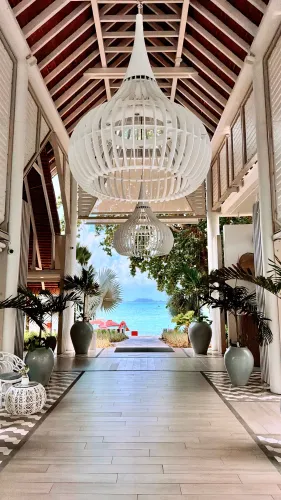
Imagine a bedroom where the ruggedness of an exposed stone wall is balanced by the softness of oversized Belgian linen sheets. The color palette is often inspired by the coast—airy whites, sandy beiges, and soft greys—which brings a breezy, light-filled energy to the interior. This contrast between the heavy heritage of the architecture and the lightness of the modern design creates a space that feels both secure and liberating.
Natural textures play a pivotal role in this aesthetic. Rough-hewn wooden beams, hand-woven wool rugs, and matte ceramic vessels bring an organic warmth to the rooms. There is a deliberate avoidance of the synthetic; everything is chosen for its tactile appeal and its ability to age gracefully. This commitment to quality ensures that the stay feels like a home rather than a hotel, providing a premium base for exploring the region slowly.
The integration of indoor and outdoor living is a hallmark of this design philosophy. Floor-to-ceiling glass doors often open onto private terraces or manicured gardens, erasing the boundary between the curated interior and the wild beauty of the hillside. This allows the natural light to flood the space, ensuring that the landscape remains the primary focus even when one is indoors.
Who Finds Solace in the Italian Countryside
This destination speaks to the traveler who views travel as a form of replenishment. These are the culture seekers who are less interested in the loud attractions of the city and more drawn to the quiet intelligence of the countryside. They are individuals who appreciate the nuance of a well-aged wine, the geometry of a Renaissance painting, and the silence of a sunrise over the hills.
The persona attracted to this region is one that values discretion and depth. They seek experiences that nourish the intellect and the spirit, favoring a private dinner prepared by a local chef over a crowded restaurant. For them, luxury is not about exclusivity in the social sense, but about the exclusivity of a moment—the feeling of being the only person awake as the valley awakens.
Romantic slow travel is the heartbeat of this experience. Whether traveling as a couple or seeking a solo retreat, the environment encourages an emotional opening. The combination of natural beauty and cultural richness creates a backdrop that facilitates deep conversation, introspection, and a renewed sense of connection to oneself and others.
Ultimately, the Tuscan hillside attracts those who are tired of the accelerated pace of modern existence. It is for the traveler who understands that the greatest luxury of all is time—the time to wander, the time to think, and the time to simply breathe in the scented air of the Italian highlands.
The Staylora Perspective on Refined Escapism
At Staylora, we believe that a destination should do more than provide a place to sleep; it should act as a catalyst for a different way of being. The Tuscan hillside is the epitome of this philosophy. By choosing a design-led boutique stay, the traveler is not just booking a room, but is entering a curated atmosphere that encourages a slower, more mindful existence.
The key to a refined experience in Italy is the balance between exploration and stillness. While the lure of the nearby towns is strong, the true value of a premium hillside base is the ability to retreat. The luxury of having a sanctuary to return to—a place of aesthetic harmony and absolute calm—allows the explorations of the day to be processed and integrated.
We view the Tuscan landscape as a mirror for the soul. The openness of the skies and the stability of the stone architecture provide a grounding effect that is rare in the modern world. When travel is approached as an art form, every detail—from the texture of the linens to the view from the terrace—contributes to an overall sense of well-being.
For those imagining their next journey, we suggest embracing the unknown. Let the map be a guide, but let your intuition be the driver. The most memorable moments in Tuscany are often the ones that weren’t planned, the ones that happened because you decided to take the long way home or spend an extra hour watching the light change on a distant peak.
FAQ
When is the best time to experience a Tuscany luxury escape?
The most atmospheric times to visit are late spring and early autumn. In May and June, the landscape is a vibrant, lush green, and the air is filled with the scent of wildflowers. September and October offer a golden hue to the vineyards and a mild, breezy climate that is perfect for slow wandering through the hillside villages without the intensity of the summer heat.
What makes boutique hillside stays better than city hotels?
Boutique hillside stays offer a level of immersion and serenity that is impossible to find in urban centers. They provide a direct connection to the landscape, offering private vistas, a quieter environment, and a more authentic sense of Italian heritage. The focus is on design-led luxury and personalized service, creating a sanctuary that restores attention and promotes a slower pace of travel.
How can I experience the local culture authentically?
The best way to connect with the local spirit is to engage in the rhythms of the countryside. Visit the small village markets, converse with local artisans, and prioritize dining at small, family-run trattorias. By embracing slow travel and stepping away from the primary tourist hubs, you can discover the genuine hospitality and enduring traditions that define the heart of the Tuscan region.
Staylora.com may contain affiliate links and third-party booking tools. We may earn a commission from qualifying bookings at no extra cost to you. Hotel prices, availability, policies, and travel information may change without notice. Please verify all important details directly with the booking provider before making any reservation.