Ecuador highlands luxury retreats and the Mood of the Place
The scent of damp earth and wild eucalyptus clings to the air as the morning mist peels away from the jagged Andean peaks. There is a particular quality to the silence here, a heavy, velvet stillness that commands a slower pace of breath and a more mindful presence. In this high-altitude sanctuary, the emergence of Ecuador highlands luxury retreats has redefined the way travelers encounter the interior of the country, moving away from the typical tourist circuit toward a more curated, atmospheric existence.
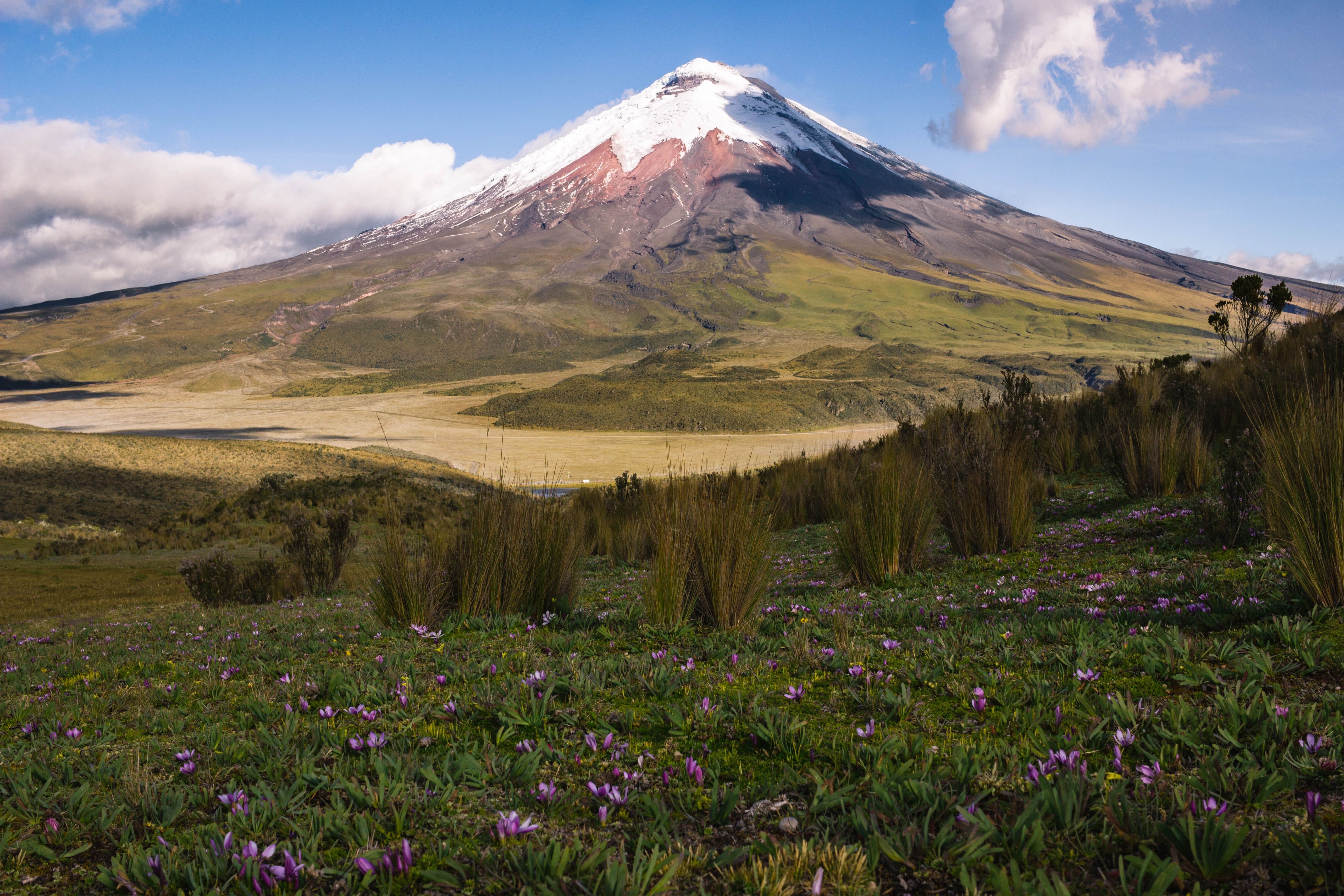
Arriving in the highlands feels like stepping into a living painting where the colors are muted by the altitude but deepened by the history of the land. The emotional hook of this region is the feeling of arriving somewhere visually distinct, where the architecture does not compete with the landscape but rather frames it. It is a place where the air is thin and crisp, and the rewards for those who slow down are found in the small, quiet corners of a heritage courtyard or the way the light hits a volcanic stone wall at dawn.
These retreats are not merely places to sleep; they are expressions of a design philosophy that prizes the restorative power of environment. The mood is one of quietude and contemplation, inviting guests to shed the noise of the modern world and replace it with the gentle rhythm of the mountains. Here, the luxury is found in the space between activities, in the silence of a library overlooking a valley, and in the intentionality of every visual detail.
The Architectural Dialogue of Andean Design
Design-led travel in the highlands is characterized by a sophisticated dialogue between ancestral heritage and contemporary minimalism. The most refined stays in the region avoid the trap of generic luxury, instead opting for a boutique approach that celebrates local materiality. Volcanic rock, reclaimed Andean hardwoods, and hand-spun wools create a tactile experience that grounds the guest in the geography of the region.
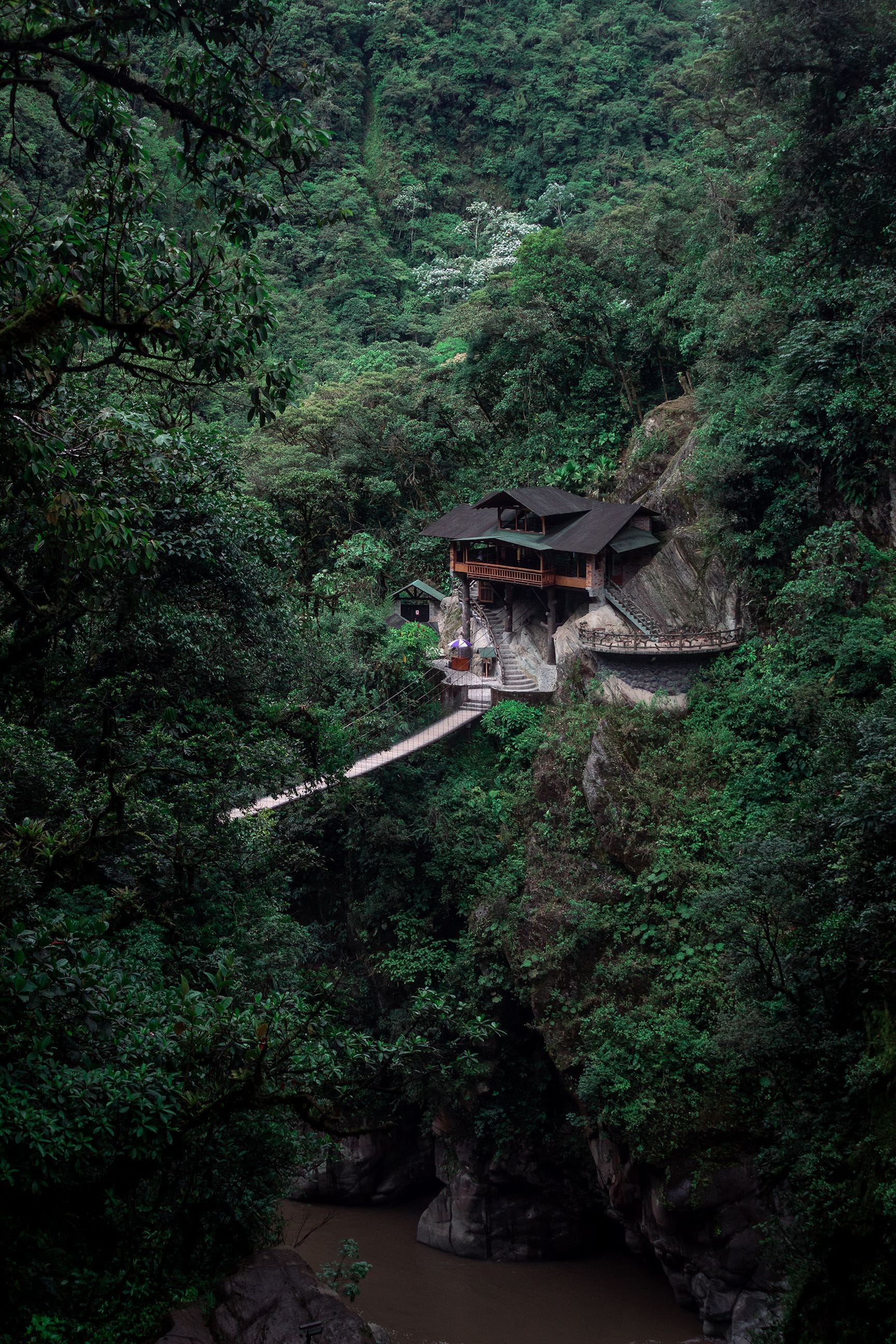
Many of these retreats are housed within restored heritage facades, where thick adobe walls provide a natural sanctuary against the chill of the mountain nights. Inside, the design often opens up into expansive, light-filled spaces that utilize floor-to-ceiling glass to erase the boundary between the interior and the wild, undulating landscape outside. This transparency allows the peaks to become the primary artwork of the room, shifting in hue from a pale violet to a deep indigo as the day progresses.
Quiet courtyards serve as the heart of these design-led spaces, offering a sanctuary within a sanctuary. These inner gardens are often meticulously curated with native flora, where the sound of a trickling fountain or the rustle of highland grasses provides a soundtrack to a slow morning. The architectural focus is on the feeling of enclosure and safety, creating a cocoon-like atmosphere that contrasts beautifully with the raw, untamed energy of the surrounding volcanoes.
A Palette of Texture and Light
To experience the highlands is to witness a masterful play of light and shadow. During the golden hour, the landscape is bathed in a warmth that softens the edges of the mountains and turns the highland lakes into shimmering mirrors of copper and gold. This specific timing transforms the luxury retreats into ethereal spaces, where the amber glow of lanterns begins to flicker in the corridors, echoing the warmth of the hearths within.
Texture plays a critical role in the atmospheric identity of the region. There is a profound pleasure in the contrast between the rough-hewn stone of a terrace and the smoothness of a high-thread-count linen sheet. The visual language of these stays is one of understated elegance, favoring a palette of sage greens, charcoal greys, and warm ochres that reflect the natural environment. This cohesion ensures that the transition from the bedroom to the garden feels natural and fluid.
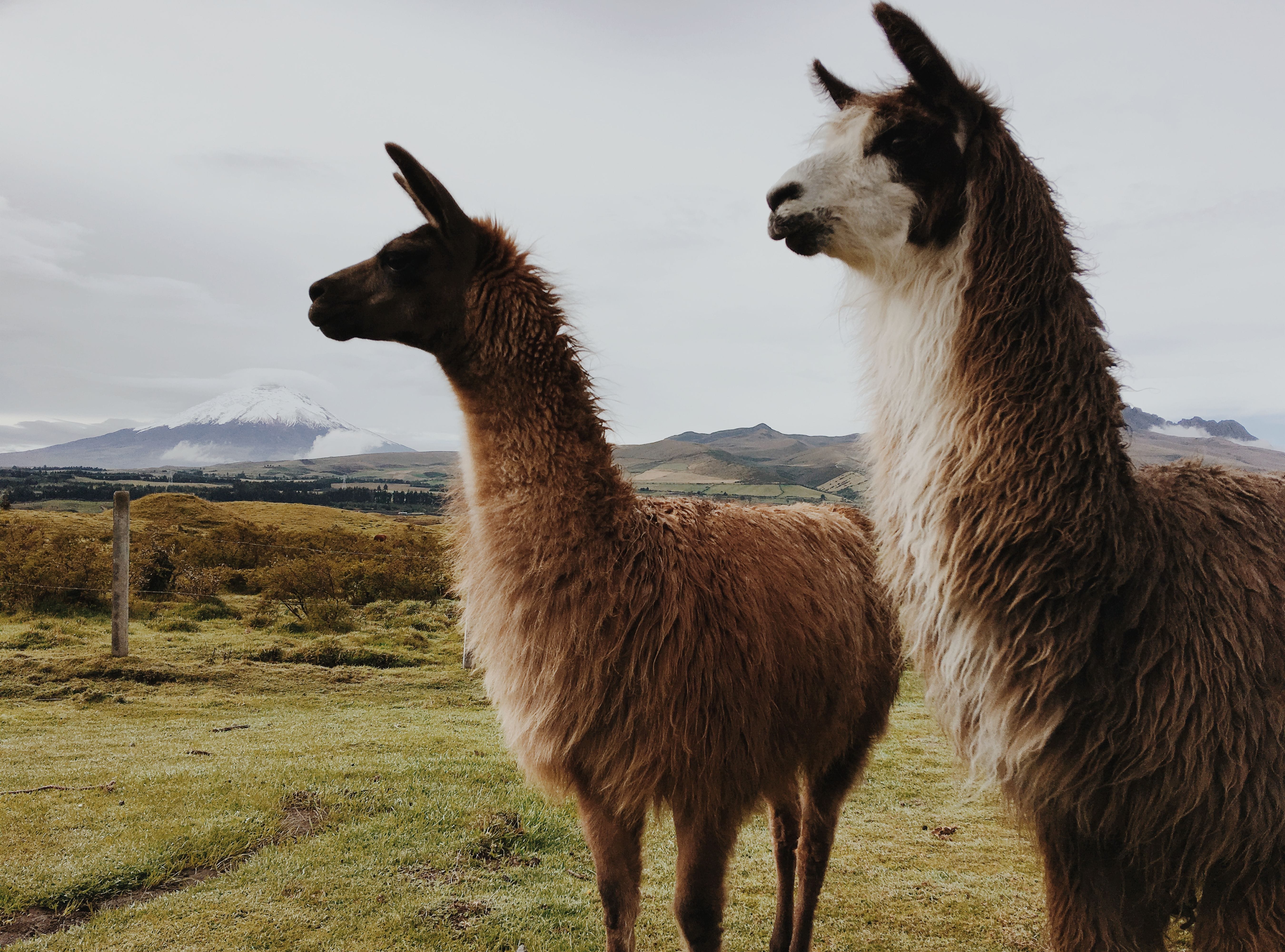
Terraces are designed as observation decks for the soul, providing a place to watch the clouds roll over the caldera in a slow, hypnotic dance. Whether it is the feel of a hand-woven throw draped over a shoulder or the sight of a single, perfectly placed ceramic vase on a wooden console, the focus is always on the quality of the object and the space it occupies. This attention to detail fosters a sense of being truly cared for, where the environment itself performs the act of hospitality.
Slow Rhythms and Cultural Immersion
The pace of travel in the Ecuadorian highlands is a gentle morning-to-evening rhythm. It begins with the ritual of coffee, brewed from beans grown in the nearby valleys, enjoyed while the world is still waking up. There is no rush to fill the day with checklists; instead, the itinerary is dictated by the mood of the weather and the curiosity of the traveler. A walk through a local market, where the vibrant colors of traditional textiles clash beautifully with the grey stone of the plaza, offers a glimpse into a culture that values craftsmanship and heritage.
Refined exploration here means seeking out the quiet corners—the small chapels with centuries-old art, the hidden gardens of colonial estates, and the winding paths that lead to panoramic viewpoints. The luxury lies in the ability to wander without a map, knowing that the return to a design-led retreat provides a consistent anchor of comfort and beauty. It is a way of experiencing the destination that prioritizes the feeling of a place over the act of sightseeing.
Evenings are dedicated to the art of decompression. The ritual of a fire in a stone fireplace, a glass of local wine, and the soft illumination of lanterns create an atmosphere of intimacy and reflection. These moments of stillness are where the true value of the highland experience resides, allowing the traveler to process the cultural textures of the day within a setting of absolute serenity.
For the Discerning Culture Seeker
This destination speaks to the traveler who views travel as an act of curation. These are individuals who are drawn to the intellectual luxury of design and the emotional resonance of a place with a strong sense of identity. For the culture seeker, the allure of the highlands is not found in grand monuments, but in the subtlety of a heritage facade or the precision of a boutique interior. They seek a destination that challenges their perception of luxury, moving it away from opulence and toward authenticity and atmosphere.
The emotional reason to visit is the desire for a visual and mental reset. In a world of constant connectivity, the high-altitude isolation of the Andes offers a rare opportunity for genuine disconnection. The feeling of being visually distinct—surrounded by a landscape that feels both ancient and timeless—creates a psychological distance from the stresses of urban life. It is a destination for those who find inspiration in the intersection of nature and human creativity.
For these travelers, the stay is the destination. The architecture of the retreat becomes a lens through which they view the surrounding culture, providing a safe and elegant vantage point from which to explore the complexities of the Andean spirit. The result is a journey that feels less like a vacation and more like a restorative retreat for the senses.
The Staylora Perspective
At Staylora, we believe that the most memorable travel experiences are those that prioritize atmosphere over itinerary. The Ecuadorian highlands embody this philosophy, offering a landscape where the environment itself is the primary luxury. When we look at the design-led retreats in this region, we see more than just high-end hospitality; we see a commitment to preserving the soul of a place while elevating the guest experience through thoughtful aesthetics.
The value of these retreats lies in their ability to facilitate a deeper connection with the destination. By choosing stays that reflect the textures and tones of the Andes, travelers are more likely to engage with the local culture in a way that is respectful and nuanced. It is about finding the balance between the wildness of the mountains and the refinement of a boutique interior, creating a harmonious experience that lingers in the memory long after the journey has ended.
For those planning a visit, we suggest embracing the slow pace. Allow the golden hour to dictate your movements and the quiet courtyards to dictate your thoughts. In the highlands, the most profound discoveries are often those that happen when you stop searching and simply allow the atmosphere of the place to envelop you.
FAQ
When is the best time to visit Ecuador highlands luxury retreats?
The most atmospheric time to visit is during the dry season, typically from June to September, when the skies are clear and the mountain views are most vivid. However, the rainy season offers a different, more ethereal beauty, with dramatic mists and lush, vibrant greens that enhance the restorative mood of the boutique stays.
What defines the design aesthetic of Andean boutique stays?
The aesthetic is a blend of ancestral Andean elements and contemporary minimalism. This typically involves the use of raw, local materials like volcanic stone and reclaimed wood, paired with clean lines, expansive glass walls, and a neutral color palette that mirrors the surrounding natural landscape of the highlands.
How can one experience the local culture in a refined way?
Focus on slow-paced interactions, such as visiting artisan textile markets or exploring heritage gardens with a local guide. By staying in design-led retreats, you can experience the culture through a curated lens that emphasizes quality, craftsmanship, and a deep respect for the region’s architectural and natural history.
Staylora.com may contain affiliate links and third-party booking tools. We may earn a commission from qualifying bookings at no extra cost to you. Hotel prices, availability, policies, and travel information may change without notice. Please verify all important details directly with the booking provider before making any reservation.