Tasmanian Vineyard Luxury Escapes and the Mood of the Place
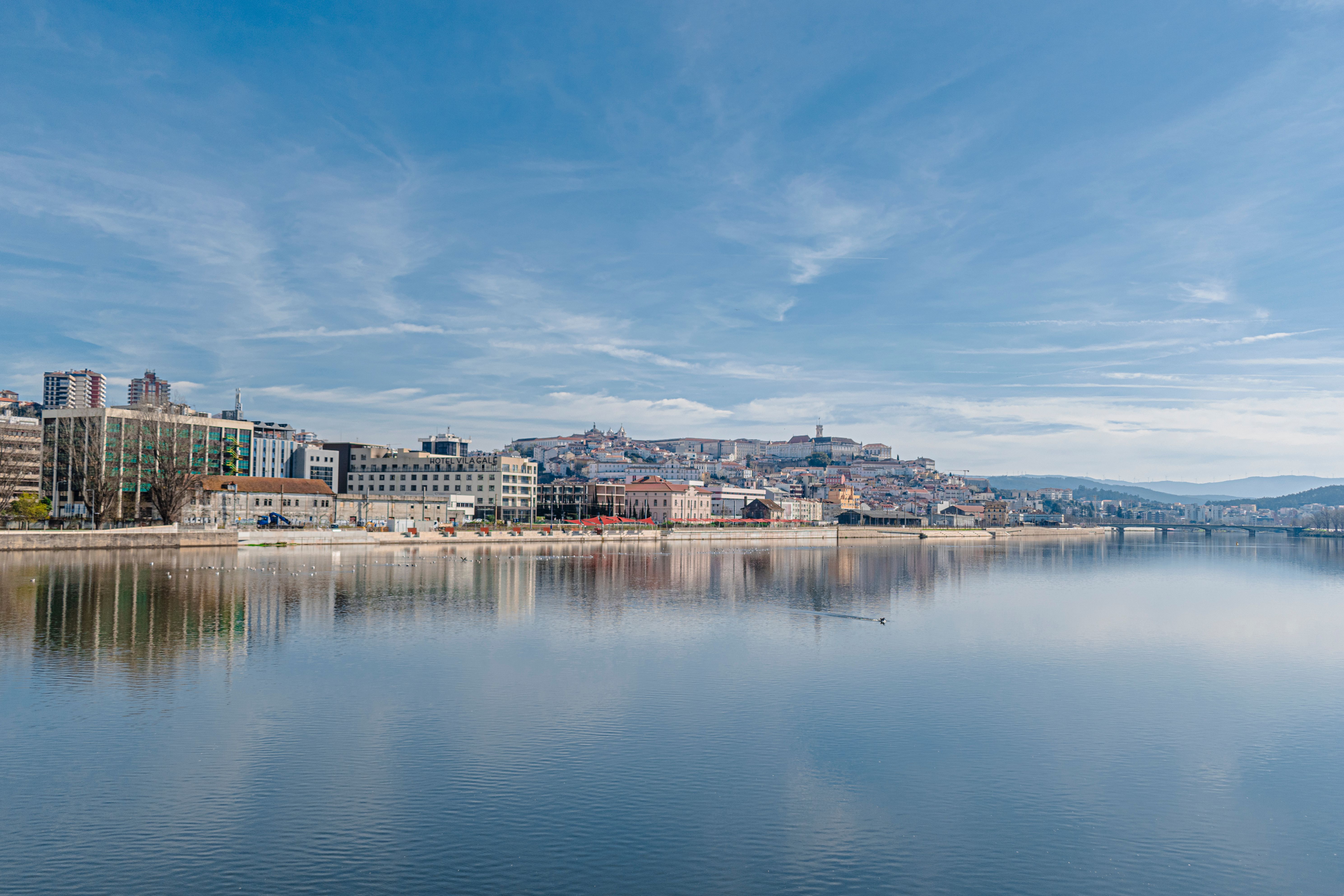
The morning in the Tamar Valley begins with a silver haze that clings to the contours of the earth, blurring the line between the rolling hills and the pale sky. There is a specific, hushed quality to the air here, a stillness that invites a slower pace of breath and a deliberate start to the day. One might begin with a porcelain cup of locally roasted coffee, watching the light gradually reveal the geometric precision of the vines stretching toward the horizon.
This is the quiet magnetism of Tasmanian vineyard luxury escapes, where the ruggedness of the island is softened by an unwavering commitment to refinement. It is a place where the wildness of the Southern Ocean feels present yet distant, filtered through the lens of sophisticated architecture and meticulously curated landscapes. The mood is one of polished tranquility, offering a sanctuary for those who seek the stillness of nature without sacrificing the comforts of a cosmopolitan lifestyle.
Wandering through these estates is less about the destination and more about the rhythm of the movement. There is a profound pleasure in the act of strolling through a vineyard in the early hours, when the dew still dampens the grass and the only sound is the distant chime of a cellar door opening for the day. It is an immersive experience that prioritizes the senses, blending the scent of damp earth with the crisp, clean lines of modern luxury.
The Quiet Sophistication of Cool Climate Terroir
Tasmania possesses a rare geological character that manifests in the glass of a cool-climate Chardonnay or a delicate Pinot Noir. This environmental precision creates a destination that feels fundamentally different from the sprawling wine regions of the mainland. Here, the scale is more intimate, the boutiques more curated, and the connection between the land and the final product more transparent.
The elegance of the region lies in its restraint. The winemakers operate with a polished discipline, mirroring the urban rhythm of a high-end gallery where every detail is intentional. This attention to detail extends beyond the wine itself and into the very atmosphere of the tasting rooms, where minimalist design allows the vivid colors of the landscape to take center stage.
Visiting these estates is an exploration of terroir as a luxury asset. The soil, the wind, and the biting winter frosts are not merely agricultural hurdles but the architects of a refined flavor profile. For the traveler, this translates into a tasting experience that is as much about intellectual curiosity as it is about sensory pleasure, guided by experts who treat viticulture as a high art form.
Coastal Vistas and Polished Architectural Lines
The visual identity of Tasmania’s premier wine regions is defined by a striking contrast between organic curves and sharp, architectural lines. Many of the most distinguished estates feature glass-walled pavilions that act as frames for the surrounding wilderness, creating a seamless transition between the interior luxury and the exterior wild.
Imagine a terrace that feels like a rooftop view in a cosmopolitan capital, yet instead of a concrete skyline, the silhouette is formed by the jagged peaks of distant mountains and the sweeping arcs of the vine rows. This blend of coastal luxury and rural serenity creates a unique aesthetic, where raw timber and cold steel coexist with velvet upholstery and crystal glassware.
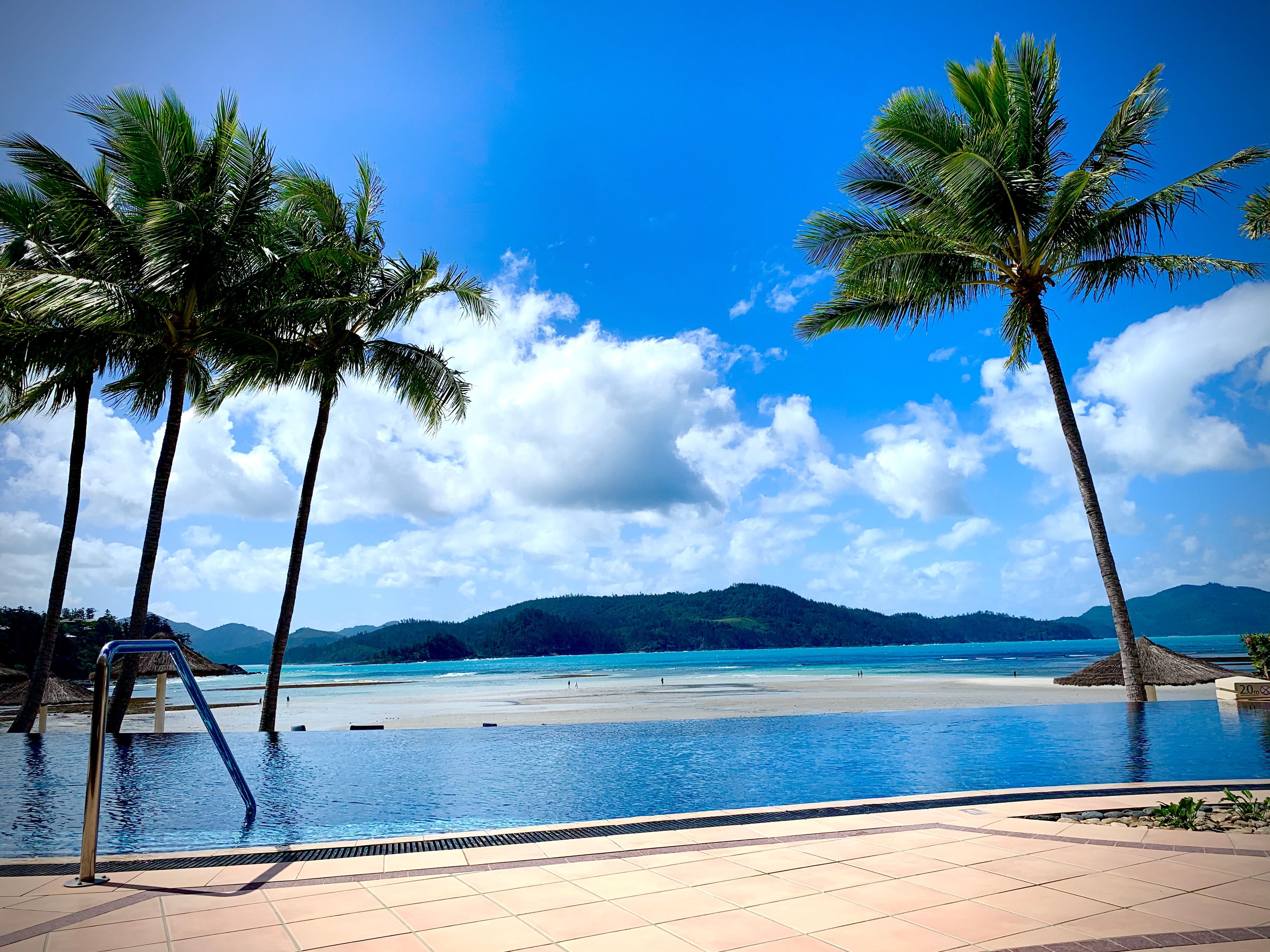
The light in Tasmania is famously clear, casting long, dramatic shadows across the valleys during the golden hour. This luminosity enhances the texture of the stone walls and the shimmering surface of the dams, adding a cinematic quality to every vantage point. It is a landscape that encourages the observer to linger, to notice the way the wind ripples through the canopy and the way the architecture anchors the estate to the earth.
A Slow Rhythm of Fine Dining and Artful Wandering
Dining within the vineyard estates is an exercise in epicurean mindfulness. The local food culture is deeply rooted in the concept of provenance, where the distance from the garden to the plate is measured in steps rather than kilometers. This creates an elegant dining mood, characterized by fresh, seasonal ingredients and a presentation that mirrors the artistry of the surroundings.
A typical afternoon might involve a long, unhurried lunch on a shaded veranda, paired with wines produced just meters away. The experience is defined by the absence of rush, allowing the conversation to flow as naturally as the vintage. It is this commitment to a slower pace that distinguishes the region, turning a simple meal into a ritual of relaxation and reconnection.
Beyond the dining table, the pleasure of wandering remains a central theme. There are no rigid itineraries here, only the suggestion of a path through a sculpture garden or a walk along the edge of a cliff overlooking the ocean. This immersive cultural wandering allows travelers to discover the subtle nuances of the island, from the scent of eucalyptus in the breeze to the tactile quality of handmade ceramics in a boutique gallery.
The Ideal Retreat for the Discerning Boutique Traveler
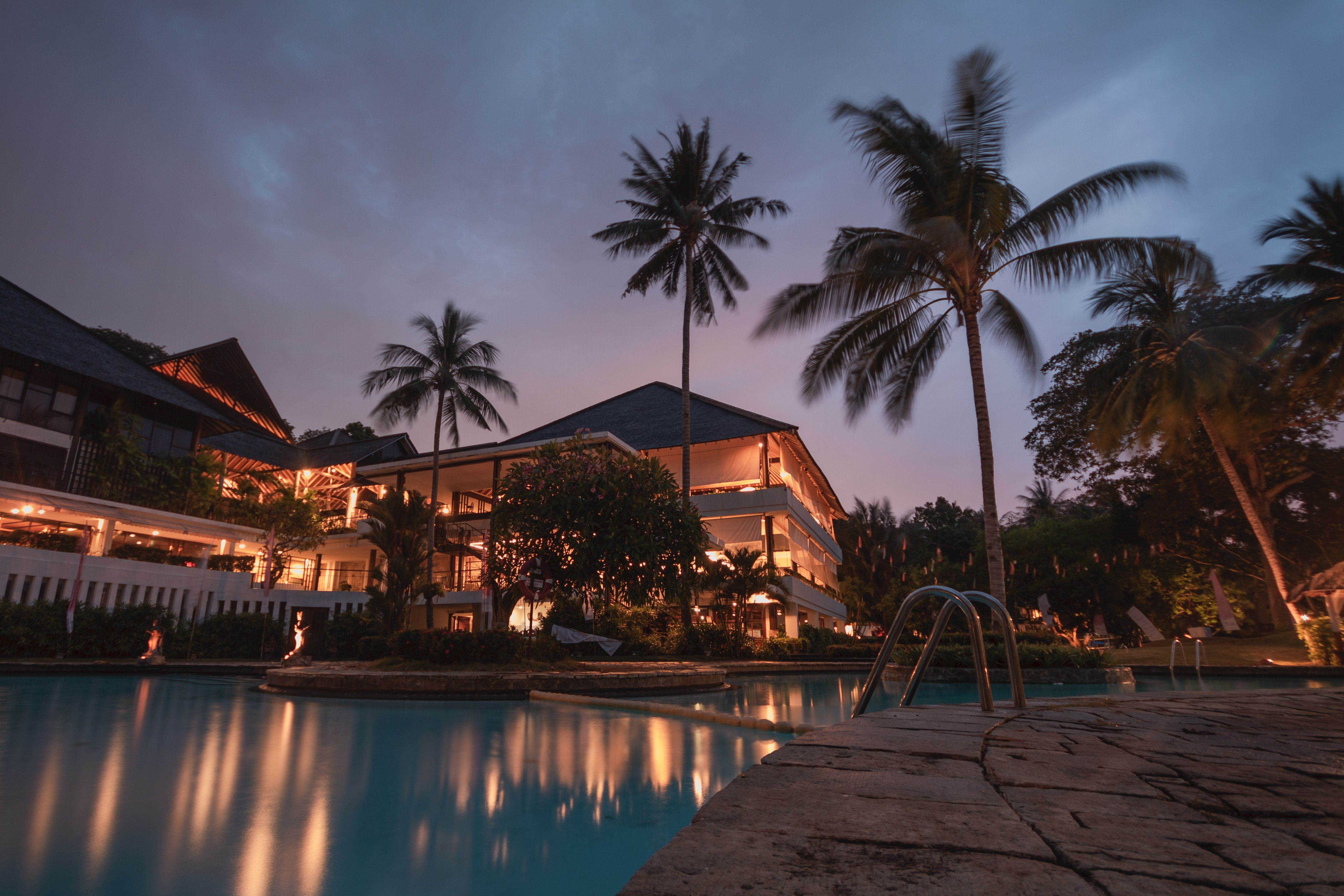
This destination speaks to a traveler who finds luxury in exclusivity and peace. It is for the boutique hotel lover who appreciates the intimacy of a small-scale estate over the anonymity of a grand resort. These individuals seek environments where the service is intuitive and the atmosphere is curated to evoke a feeling of belonging rather than just visiting.
The emotional hook of the Tasmanian highlands is the promise of seclusion. In an era of constant connectivity, the ability to disappear into a landscape of rolling green hills and silver skies is the ultimate luxury. It attracts those who value the intellectual stimulation of a wine flight and the physical restoration of a spa treatment, all set against a backdrop of prehistoric nature.
For the romantic traveler, the setting is almost peerless. The combination of cozy fireside evenings, shared bottles of sparkling wine, and the enveloping silence of the countryside creates a romantic stay setting that feels timeless. It is a place where the external world fades away, leaving only the immediate presence of a partner and the enveloping beauty of the estate.
The Staylora Perspective on Tasmanian Elegance
From a perspective of elevated travel, Tasmania represents the pinnacle of the nature-luxury hybrid. It proves that true refinement does not require opulence, but rather a harmonious relationship with the environment. The brilliance of the region lies in its ability to be both rustic and polished, offering a sophisticated escape that feels authentic and grounded.
Choosing a vineyard estate as a base of operations allows a traveler to experience the island as a series of curated moments. It is the difference between seeing a destination and feeling its pulse. By anchoring a trip in these boutique settings, the journey becomes a collection of sensory memories—the taste of a cold climate sparkling wine, the touch of heavy linen sheets, and the sight of the first light hitting the vines.
Ultimately, the draw of these escapes is the invitation to be present. Whether it is through the lens of a wine enthusiast or the eyes of a design lover, the experience is one of discovery. It is a reminder that the most luxurious thing one can possess is time, and there is no better place to spend it than amidst the quiet elegance of a Tasmanian vineyard.
FAQ
When is the best time to visit for Tasmanian vineyard luxury escapes?
The ideal time to visit is during the autumn months, from March to May, when the vineyards transform into a tapestry of gold and crimson. The weather remains mild, and the harvest energy adds a vibrant layer to the experience. Alternatively, spring offers a fresh, blooming landscape that is equally inspiring for those seeking a serene nature retreat.
What makes Tasmanian vineyards unique compared to other wine regions?
Tasmania is distinguished by its extreme cool-climate terroir, which produces wines with high acidity and intense aromatic profiles. Unlike more commercial regions, the Tasmanian approach is characterized by boutique scales and a deep integration with the coastal environment, resulting in an atmosphere of intimacy and artisanal precision that feels more like a gallery than a farm.
How should one plan a refined itinerary for a vineyard tour?
A refined approach involves selecting two or three premier estates per day to avoid the fatigue of rushing. Focus on destinations that offer integrated dining and accommodation to minimize travel time and maximize immersion. Prioritize estates that offer private tasting experiences or guided walks through the vines to truly connect with the land and the winemakers.
Staylora.com may contain affiliate links and third-party booking tools. We may earn a commission from qualifying bookings at no extra cost to you. Hotel prices, availability, policies, and travel information may change without notice. Please verify all important details directly with the booking provider before making any reservation.