The Allure of Luxury Hotels Overlooking Ruins
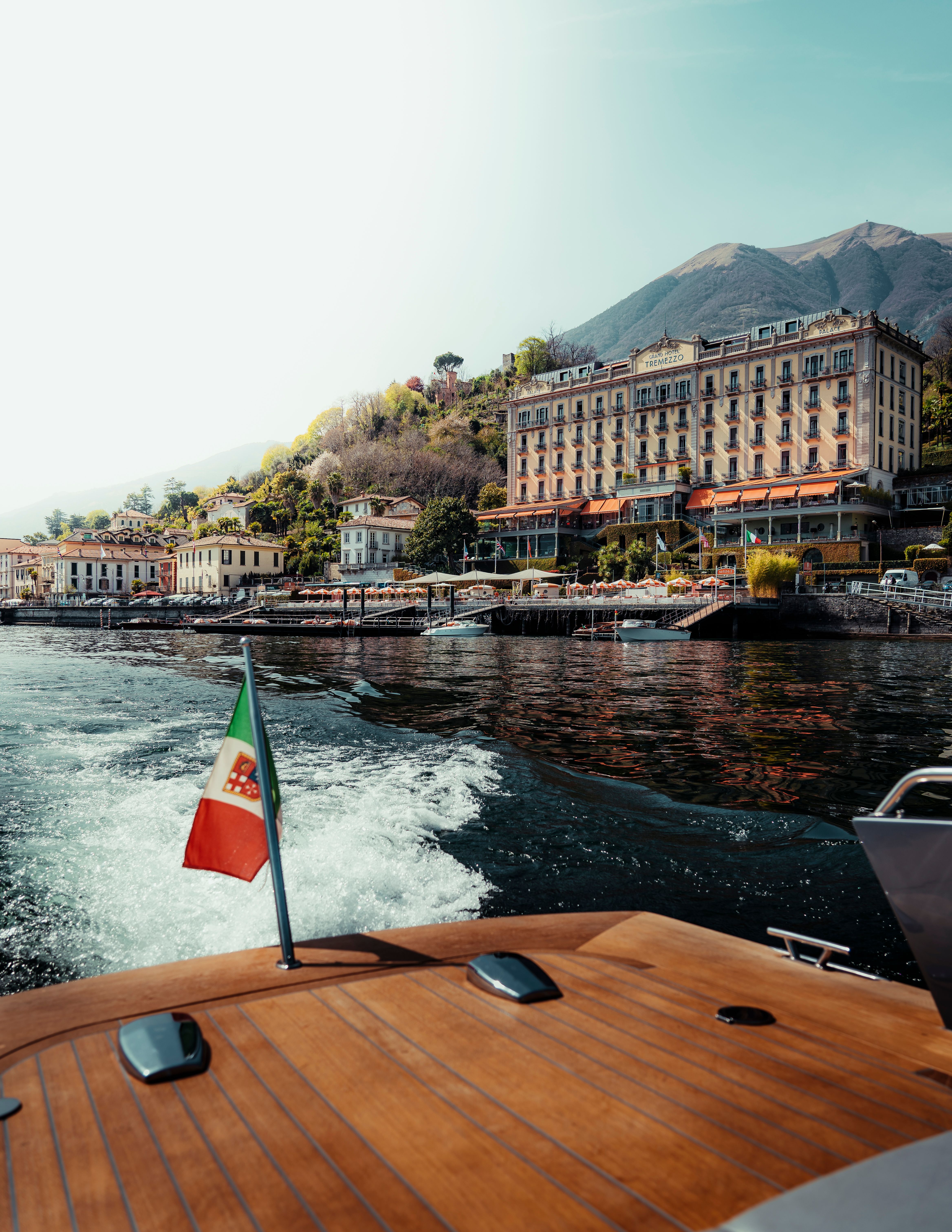
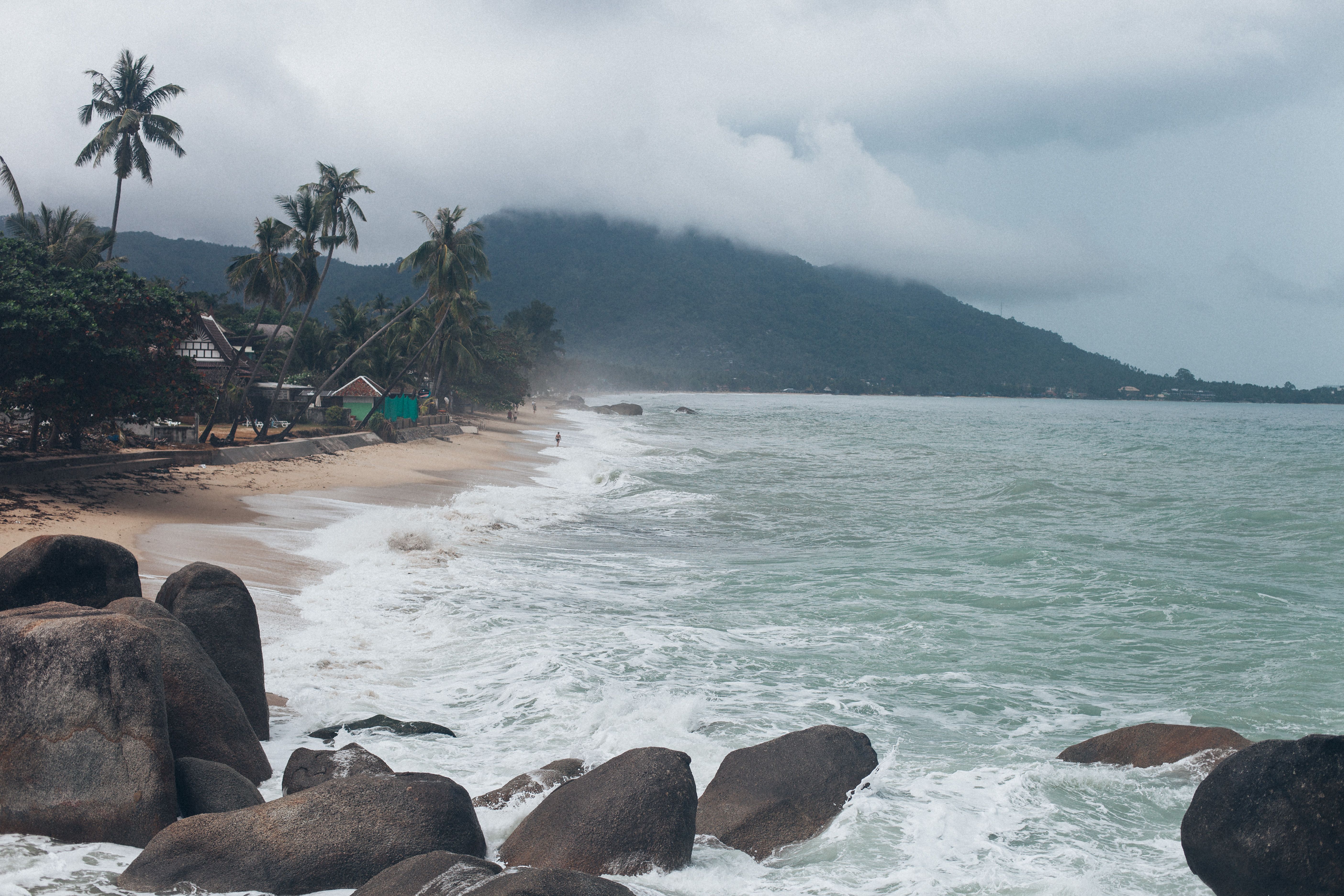
The Tyrrhenian Sea mirrors the pale gold of the afternoon sun, its surface a shimmering sheet of silk that stretches toward a horizon where the blue of the water meets the haze of the sky. Along these coastlines, where the air carries the scent of salt and wild rosemary, the landscape is punctuated by the silent sentinels of antiquity. Finding a sanctuary among luxury hotels overlooking ruins is not merely about the view; it is about the feeling of existing between two worlds, where the comforts of the present embrace the whispers of a forgotten era.
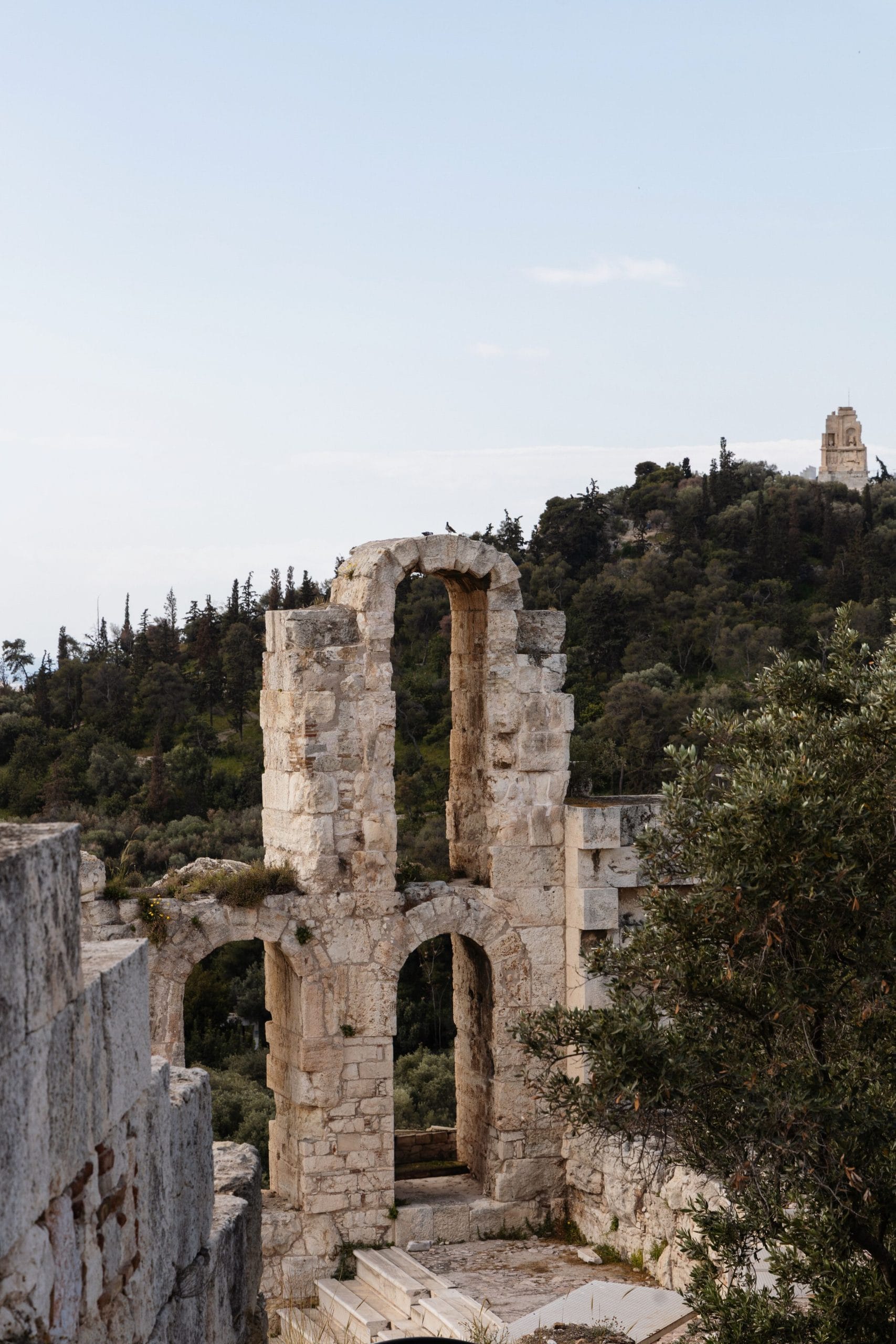
There is a specific kind of stillness that accompanies a stay in such a place. It is a quietude that transcends the usual silence of a hotel room, blending instead with the heavy, peaceful weight of history. When one looks out from a private balcony and sees the weather-worn columns of a temple or the sprawling foundations of a forum, the pace of life naturally slows. The urgency of the modern world fades, replaced by a gentle rhythm that favors contemplation over checklists and soft luxury over ostentation.
This intersection of refined hospitality and ancient stone creates an atmosphere of understated elegance. It is here that the architecture of the hotel often pays homage to its surroundings, using warm palettes of ochre, cream, and terracotta to blend seamlessly into the hillside. The goal is not to compete with the majesty of the ruins but to provide a sophisticated lens through which to appreciate them, turning a simple stay into a meditative experience.
A Dialogue Between Modernity and Antiquity
What makes these destinations feel fundamentally different from a standard luxury getaway is the emotional resonance of the landscape. Most high-end resorts focus on isolation or nature, but a stay overlooking ancient ruins introduces a human element—the story of those who walked these paths millennia ago. It transforms the act of travel from a pursuit of leisure into a dialogue with time itself.
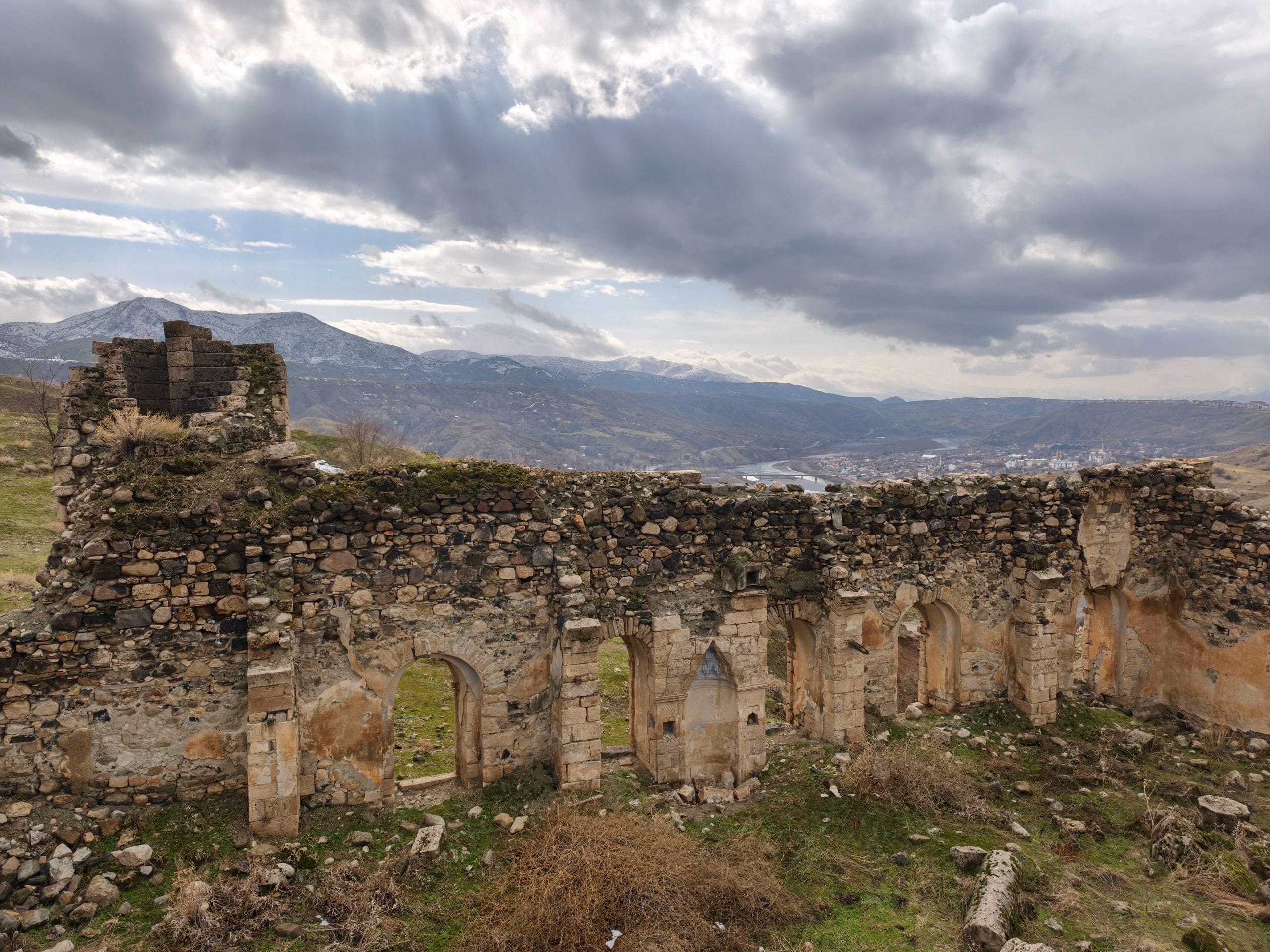
The contrast is where the magic resides. There is a profound sensory pleasure in retreating from a dusty, sun-drenched exploration of an archaeological site to the cool, linen-clad sanctuary of a premium suite. The transition from the rough texture of ancient limestone to the smoothness of polished marble and high-thread-count cotton creates a tactile narrative of evolution and refinement.
This duality allows travelers to engage with culture on their own terms. One can spend the morning immersed in the complexities of ancient civilization and the evening immersed in the complexities of a vintage wine, all while the ruins remain visible in the distance, glowing under the soft light of the moon. It is this ability to balance intellectual curiosity with absolute physical comfort that defines the refined travel experience.
Golden Hour Textures and Coastal Breezes
The visual identity of these escapes is defined by the golden hour, that fleeting window of time when the world is bathed in a warm, honeyed glow. During these moments, the ruins lose their starkness and become ethereal, their edges softened by the light. The warm stone of the hotels seems to absorb this radiance, creating a glow that feels welcoming and timeless.
Every detail contributes to this atmospheric story. Imagine a terrace adorned with weathered terracotta pots overflowing with bougainvillea, their vibrant pink petals contrasting against the muted grey of a distant amphitheater. The sound of a distant bell or the rhythmic washing of the sea against the cliffs adds a sonic layer to the visual beauty, grounding the traveler in a place that feels both grounded and otherworldly.
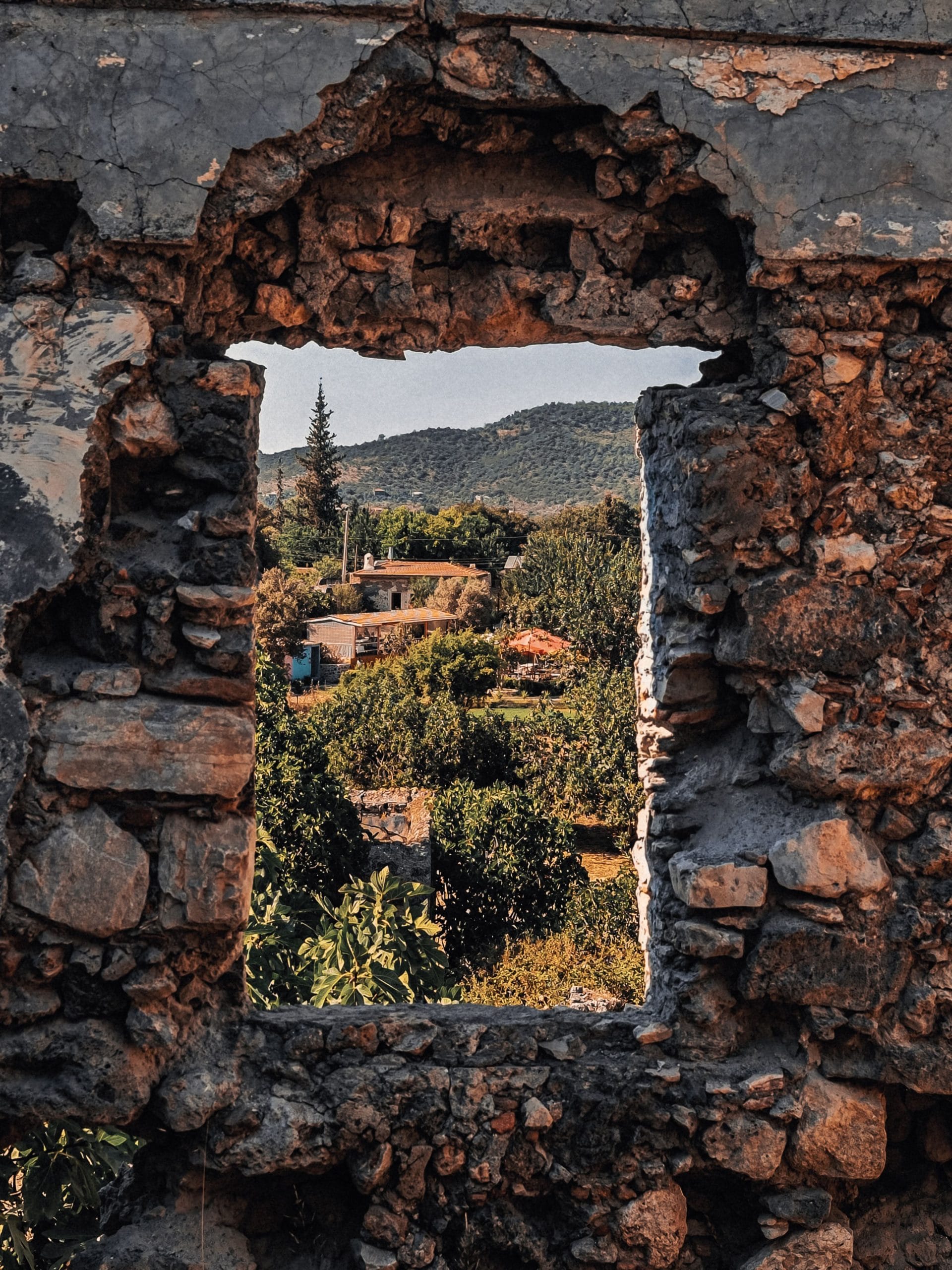
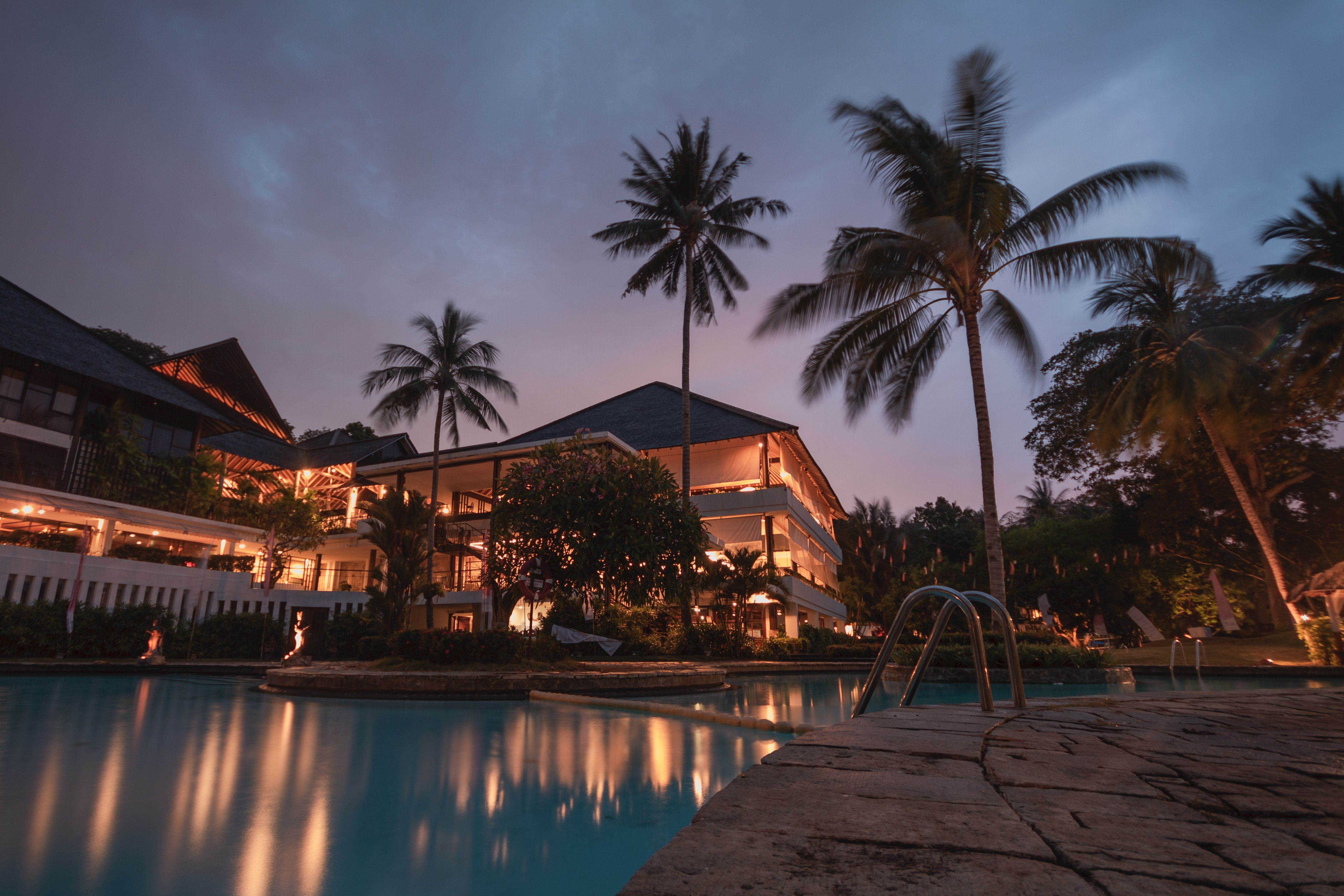
Quiet corners are the true luxury here. A hidden garden nook with a wrought-iron chair, a shaded pergola where the breeze carries the fragrance of jasmine, or a poolside lounge that offers an unobstructed view of a ruined acropolis. These spaces invite the guest to simply be, encouraging a state of mindfulness where the only requirement is to notice the way the light shifts across the landscape as evening approaches.
Slow Rhythms and Refined Exploration
Experiencing these destinations requires a departure from the traditional tourist pace. Instead of rushing from one landmark to another, the refined traveler adopts a gentle morning-to-evening rhythm. The day might begin with a slow breakfast on a terrace, watching the mist lift from the valley to reveal the outlines of ancient walls, accompanied by a pot of locally sourced tea and the sound of birdsong.
Exploration becomes a leisurely pursuit. Rather than a structured tour, one might take a spontaneous walk through olive groves that have likely stood for centuries, eventually arriving at the ruins not as a visitor, but as a wanderer. The proximity of a premium base allows for these excursions to be short and frequent, meaning the traveler can return to their sanctuary whenever the sun becomes too intense or the desire for a quiet nap arises.
Evening is reserved for romantic moments and shared quietude. A private dinner served under a canopy of stars, with the silhouette of ancient ruins framing the horizon, creates a sense of intimacy that is rare in more crowded destinations. The focus shifts to the present—the taste of a fresh Mediterranean dish, the touch of a loved one’s hand, and the shared awe of a vista that has remained largely unchanged for centuries.
Who This Destination Speaks To
These retreats are designed for the culture seekers—those who find beauty in the patina of age and luxury in the space to think. They attract individuals who are less interested in the noise of the city and more drawn to the silence of the hills. For them, luxury is not about gold leaf or grand lobbies, but about the privilege of waking up to a view that provides perspective on the brevity of a human life compared to the endurance of stone.
It is a calling for the romantic, the intellectual, and the weary. For the couple celebrating a milestone, the timelessness of the ruins serves as a poignant backdrop to their own commitment. For the intellectual, the stay is an invitation to read, write, and reflect in a setting that inspires deep thought. For the weary executive, the breeze and the ancient vistas offer a psychic cleansing, a way to strip away the clutter of the digital age and reconnect with something primal and permanent.
This traveler values understated elegance over flashiness. They appreciate a hotel that knows when to be invisible, allowing the landscape to take center stage. They seek experiences that feel authentic and grounded, preferring a private guide who shares local legends over a commercial tour, and a quiet terrace over a crowded beach club.
The Staylora Perspective on Timelessness
At Staylora, we believe that the most elevated travel experiences are those that nourish the soul as much as they pamper the body. Stays that overlook ancient ruins embody this philosophy perfectly. They remind us that true luxury is the ability to slow down and appreciate the continuum of history. By choosing a premium base that integrates with its historical surroundings, a traveler is not just visiting a place; they are entering a state of being.
The elegance of such a journey lies in its simplicity. It is the art of doing less but feeling more. Whether it is the way a linen curtain flutters in a coastal breeze or the way a glass of chilled wine catches the light of a setting sun over an ancient city, these are the moments that linger in memory long after the suitcase is unpacked. We advocate for travel that respects the spirit of the destination, favoring stays that offer a sophisticated, quiet gateway to the wonders of the past.
FAQ
How do I choose the best luxury hotels overlooking ruins for a romantic trip?
Focus on properties that emphasize privacy and understated elegance. Look for suites with private terraces or balconies that offer unobstructed views of the ruins. Prioritize hotels that offer personalized experiences, such as private in-room dining or secluded garden areas, which enhance the intimacy of the trip and allow you to enjoy the ancient vistas without the intrusion of crowds.
What is the best time of year to visit ruins-adjacent resorts?
The shoulder seasons of spring and autumn are ideal. During these times, the weather is mild and breezy, making exploration of the ruins more comfortable. Furthermore, the light during these seasons is often softer, enhancing the golden hour glow that makes the landscape so evocative, and the lack of peak-season crowds ensures a more peaceful, refined atmosphere.
How does a slow-travel approach enhance a cultural escape?
Slow travel allows you to move beyond the surface of a destination. By staying in one premium location and exploring the surrounding ruins at a gentle pace, you develop a deeper emotional connection to the site. This approach reduces stress and encourages mindfulness, transforming a standard sightseeing trip into a restorative experience that balances intellectual discovery with physical relaxation.
Staylora.com may contain affiliate links and third-party booking tools. We may earn a commission from qualifying bookings at no extra cost to you. Hotel prices, availability, policies, and travel information may change without notice. Please verify all important details directly with the booking provider before making any reservation.