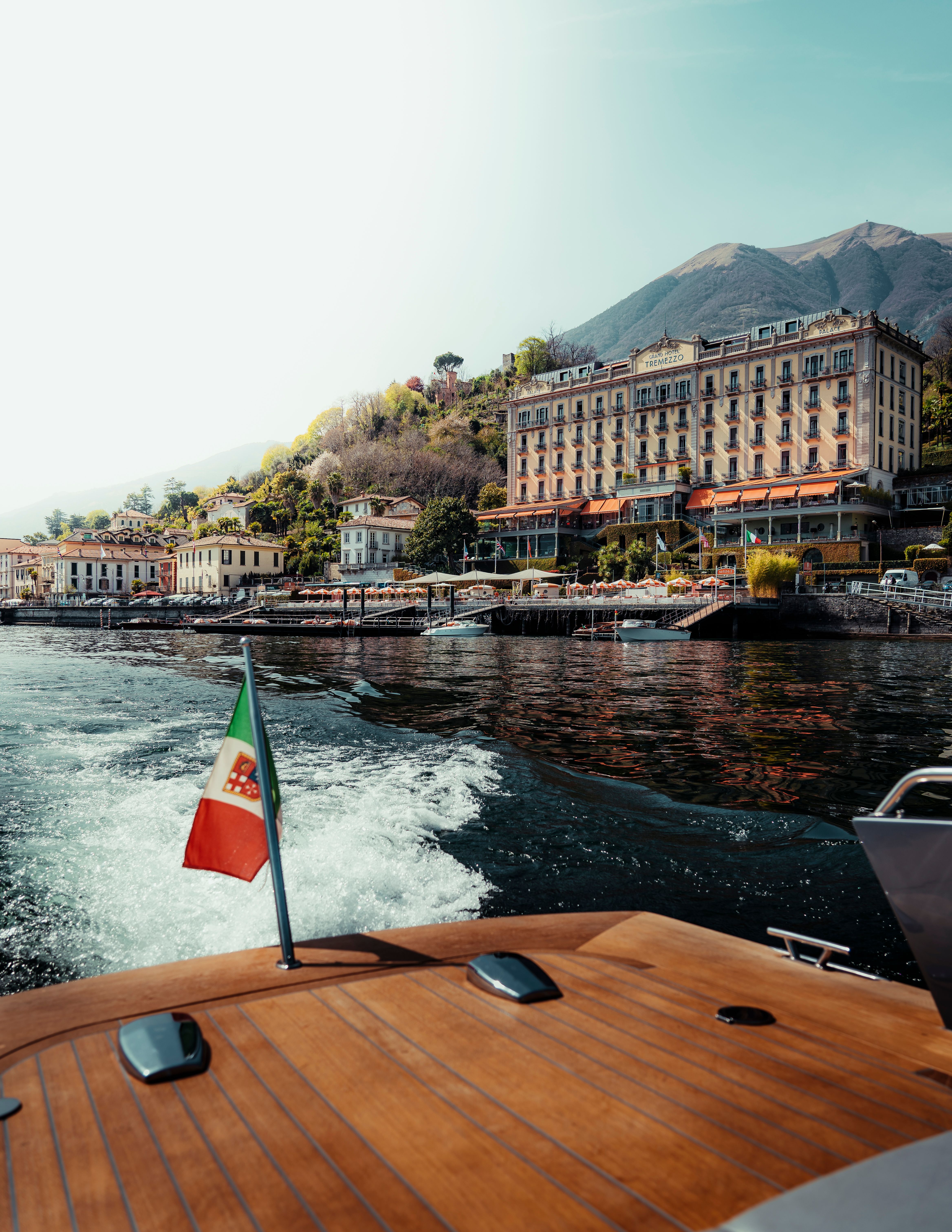
Luxury Monastery Hotels and the Mood of Stillness
The Mediterranean sun dips low, casting a honeyed glow over weathered limestone walls and olive groves that have whispered secrets for centuries. There is a particular kind of silence found here, one that isn’t empty but full of history and intention. In these corners of Europe, the tradition of solitude has evolved into a new form of indulgence, where luxury monastery hotels provide a sanctuary for those wishing to detach from the noise of the modern world.
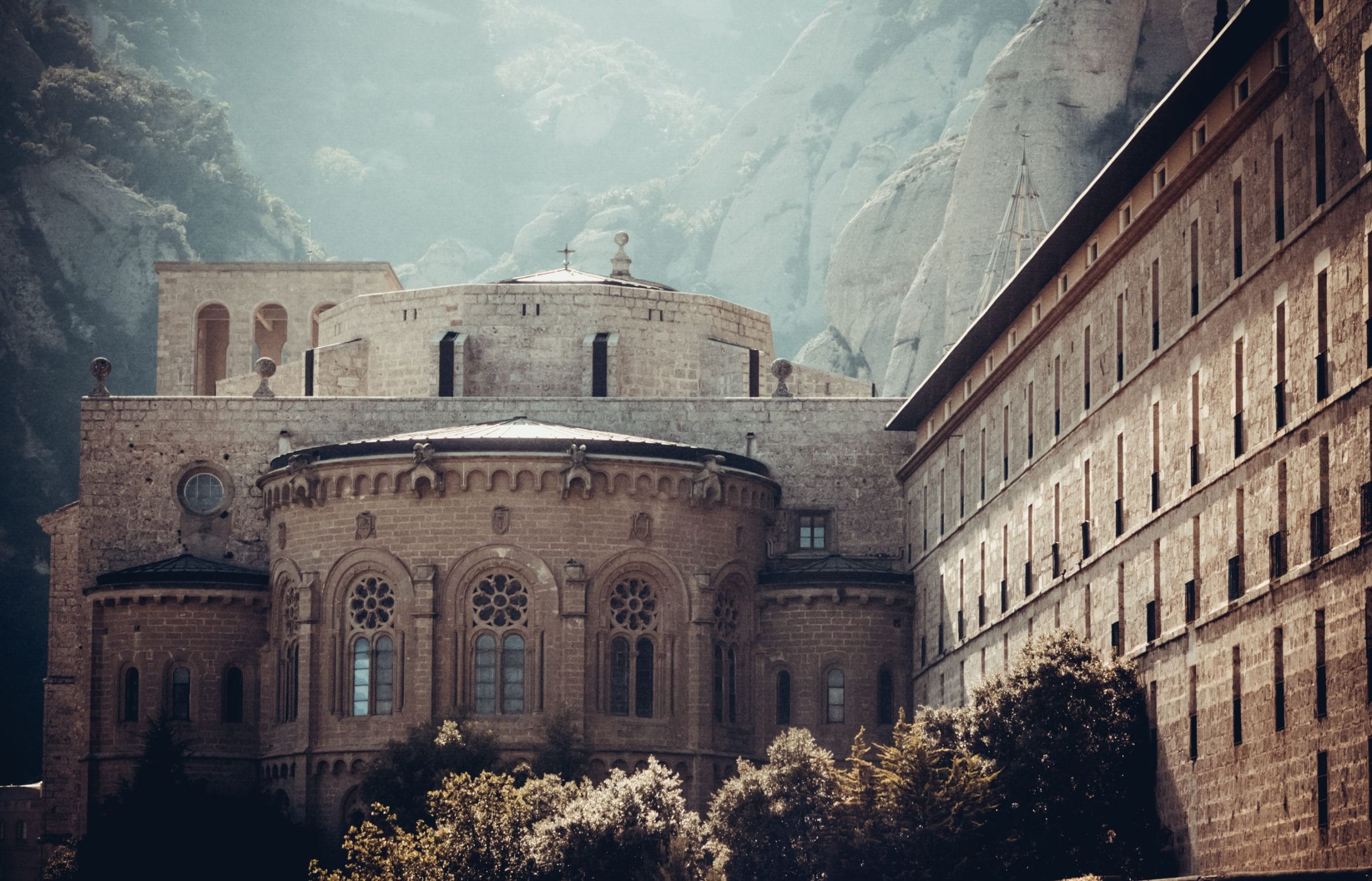
Entering these spaces feels less like checking into a hotel and more like stepping into a curated pause. The transition from the frantic energy of urban travel to the rhythmic calm of a cloister is almost physical. It is a shift in frequency, where the priority moves from the destination to the moment. The air feels cooler within the thick stone walls, and the pace of life naturally decelerates to match the slow curve of a vaulted ceiling.
For the traveler who views luxury not as opulence but as the presence of space and time, these retreats offer an unparalleled emotional resonance. The architecture itself dictates a slower gait and a quieter voice, encouraging a state of mindfulness that is often lost in conventional high-end travel. Here, the luxury is found in the stillness, the light, and the enduring strength of the heritage that surrounds every guest.
The Timeless Allure of Cloistered Architecture
There is a profound beauty in the geometry of a former monastery. The central courtyard, often featuring a trickling fountain or a meticulously tended herb garden, serves as the heart of the experience. These open-air squares are designed to draw the eye upward toward the vast European sky, creating a sense of openness that contrasts beautifully with the intimate, sheltered feeling of the surrounding corridors.
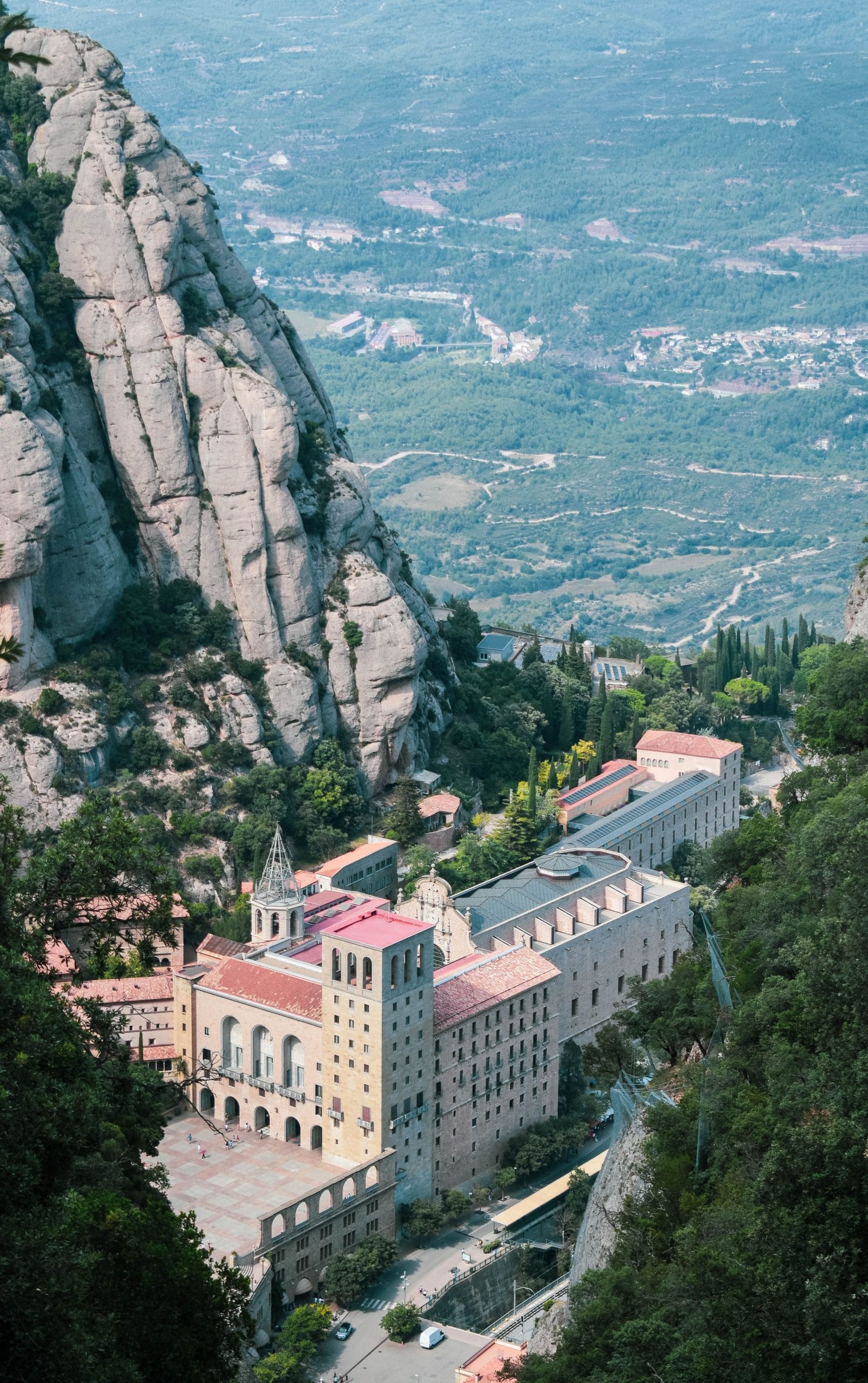
The materials used in these retreats tell a story of permanence. Warm, porous stone in shades of ochre and cream absorbs the daylight and radiates it back during the cool evening hours. The tactile experience of running a hand along a rough-hewn wall or walking across cool terracotta tiles connects the guest to the artisans of a bygone era. Every archway is a frame, every window a carefully placed aperture that captures the landscape in a cinematic composition.
Modern refinement is integrated with a gentle hand, ensuring that the spiritual gravity of the original structure remains intact. Boutique design choices—such as linen drapery, hand-carved wooden furniture, and soft, ambient lighting—complement the austerity of the stone. The result is a balance between monastic simplicity and contemporary comfort, where the minimalism of the past meets the sophisticated needs of the present traveler.
Golden Hour Rituals and Warm Stone Textures
The magic of these destinations is most potent during the long, sunny afternoons of late summer. As the light turns golden, the stone facades seem to glow from within, and the shadows stretch long and elegant across the courtyards. This is the hour for slow contemplation, perhaps with a glass of local vintage or a book of poetry, while the distant sound of a village bell marks the passing of time without any sense of urgency.
Visual language here is defined by a palette of earth tones and natural textures. The sight of white linen contrasting against a deep amber wall, or the reflection of a clear blue sky in a still reflecting pool, evokes a sense of timelessness. It is a setting that invites the gaze to linger, noticing the way moss clings to a shaded corner or how the scent of blooming jasmine drifts through an open colonnade.
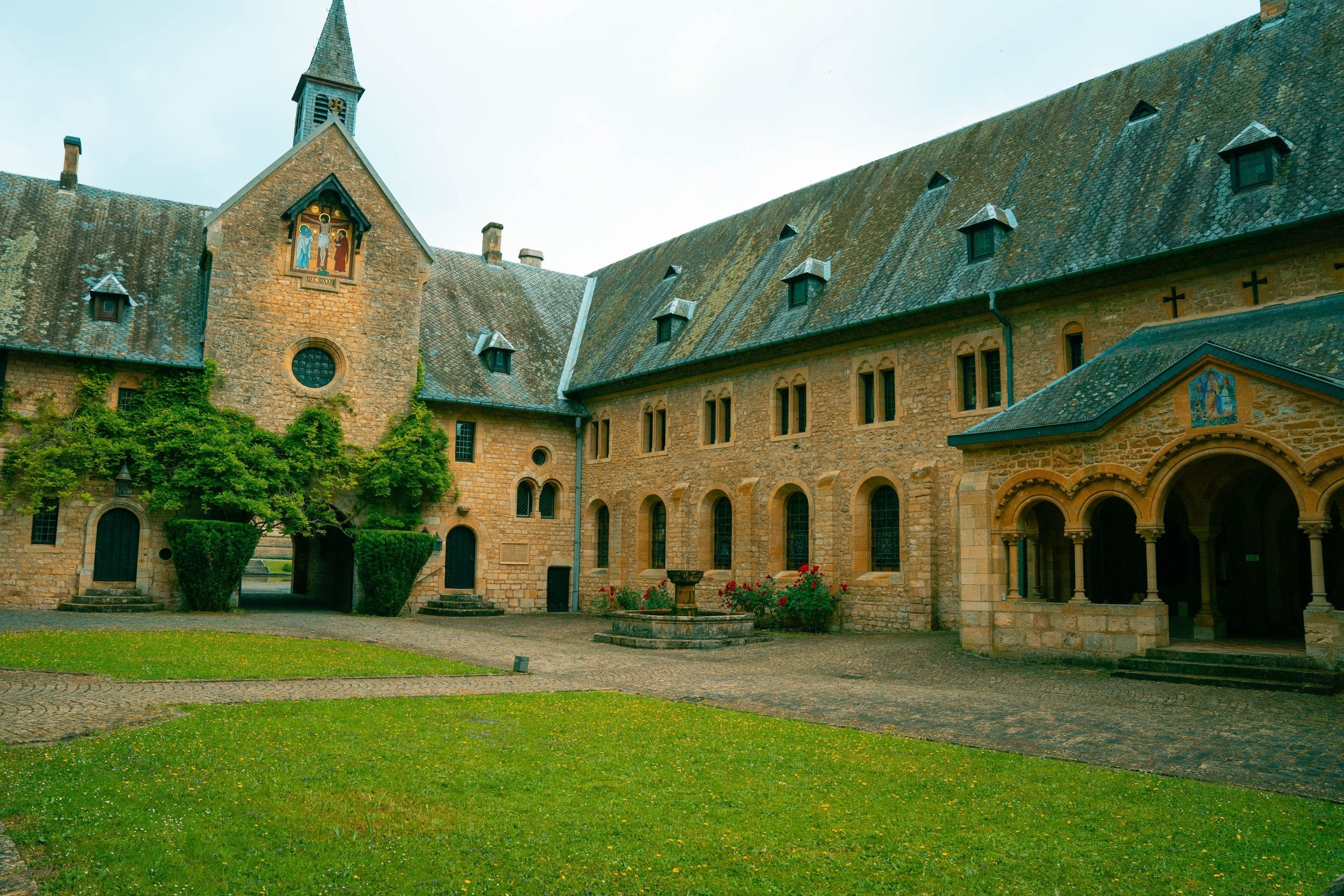
These sensory details create an atmosphere of cultural layering, where the ghosts of the past coexist with the leisure of the present. The experience is not about recreating a religious life, but about borrowing the peace that those lives once cultivated. It is an invitation to inhabit a space that was built for reflection, allowing the environment to strip away the superficial and leave only what is essential.
Slow Exploration and Boutique Escapes
Using such a refined base for exploration changes the way one interacts with the surrounding region. Instead of a checklist of monuments, the journey becomes a series of drifts. A morning walk through a nearby coastal village or a slow drive through rolling vineyards feels more meaningful when the return journey leads back to a place of absolute tranquility.
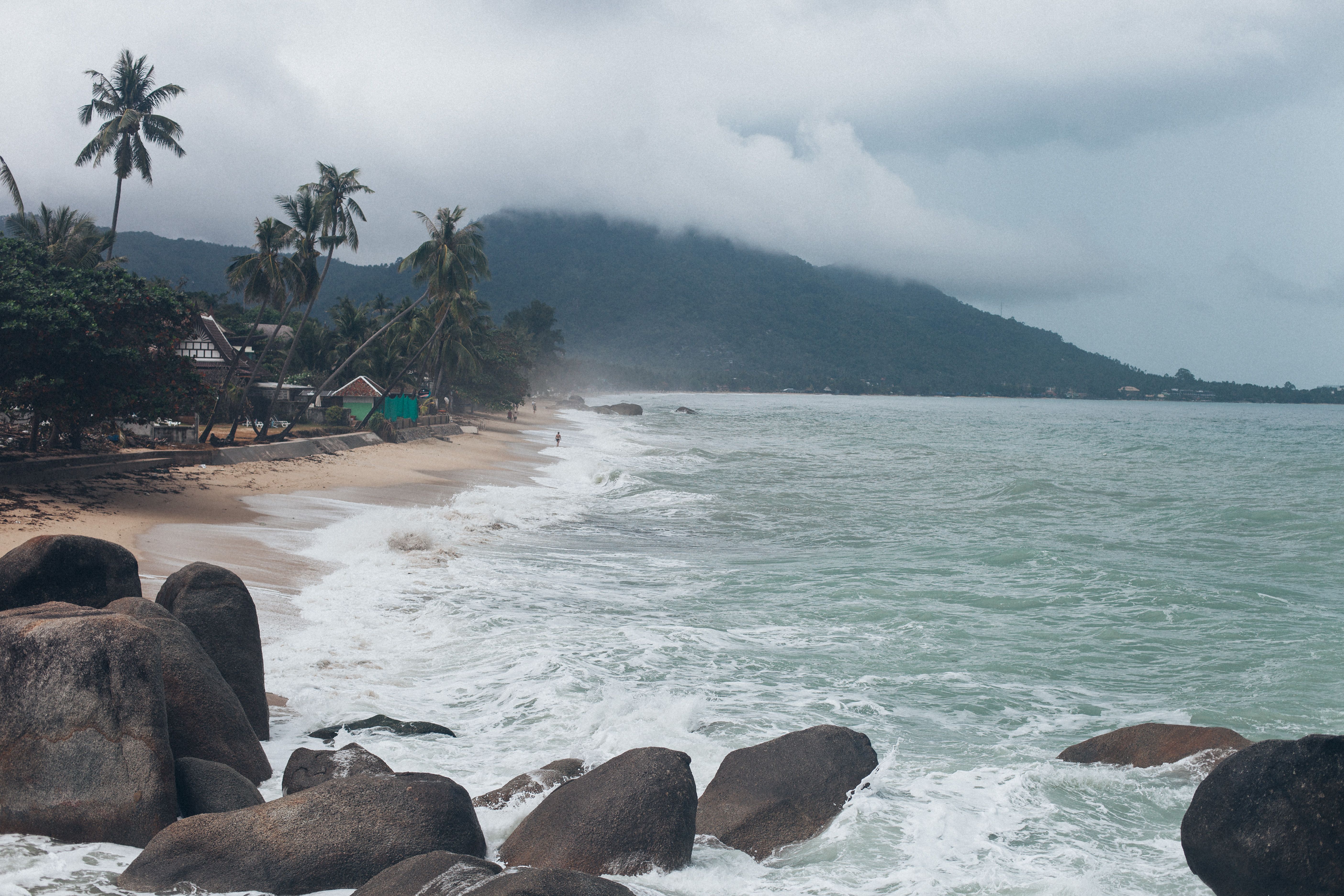
The surrounding landscapes often mirror the serenity of the retreat. Whether it is the rugged cliffs of the Italian coast, the misty valleys of the Pyrenees, or the sun-baked hills of Provence, the natural beauty is an extension of the stay. The focus shifts toward open-air beauty—the salt spray of the ocean, the rustle of cypress trees, and the vastness of an uninterrupted horizon.
Boutique luxury in this context means a highly personalized experience that respects the guest’s desire for privacy and quiet. It is the luxury of not being disturbed, of finding a hidden nook in a library to spend an afternoon, or of enjoying a private breakfast on a terrace overlooking a valley of silver-green olive trees. The exploration is unhurried, guided by curiosity rather than a schedule.
A Romantic Sanctuary for the Modern Couple
For couples, these retreats offer a rare form of intimacy. The scale of the architecture—grand yet secluded—creates a feeling of being the only two people in a vast, beautiful world. There is something inherently romantic about the contrast between the enduring nature of the stone and the fleeting, precious moments of a shared escape.
Romanticism here is found in the quiet shared experiences: watching the stars from a rooftop terrace, sharing a slow meal composed of ingredients grown in the monastery’s own garden, or wandering through silent galleries of art and history. The atmosphere encourages deep conversation and a reconnection that is often impossible in the distractions of urban life.
The desire to slow down somewhere beautiful is a powerful emotional hook, and these spaces satisfy it completely. By removing the noise of the digital age, the environment forces a focus on the partner and the place. It is an escape that doesn’t just change the scenery, but changes the internal state of those who visit, leaving them with a sense of shared peace that lingers long after the journey ends.
The Staylora Perspective on Heritage Luxury
At Staylora, we believe that the most elevated travel experiences are those that offer a sense of place and a connection to human history. The appeal of converted monasteries lies in their ability to provide a physical manifestation of peace. They are not merely hotels; they are vessels of atmospheric inspiration that challenge our perception of luxury.
True luxury is the ability to inhabit a space that asks nothing of you but your presence. By choosing a stay that prioritizes heritage and stillness over flash and trend, the traveler engages in a more sustainable and soulful form of tourism. It is an investment in mental clarity and aesthetic pleasure, where the quality of the experience is measured by the depth of the stillness achieved.
These retreats serve as a reminder that the most sophisticated way to travel is often the slowest. When we allow ourselves to be absorbed by the texture of a place—its smells, its light, and its silence—we find a richer, more authentic connection to the world. This is the essence of a refined escape: finding the extraordinary within the quietude of the ordinary.
FAQ
What makes luxury monastery hotels different from standard boutique hotels?
The primary difference lies in the architectural intent and the resulting atmosphere. While boutique hotels focus on curated style and service, converted monasteries offer a historical weight and a layout designed for silence and reflection. This creates a unique psychological environment of peace and stillness that is rarely found in purpose-built luxury accommodations.
Which European regions offer the best monastery retreats for couples?
Tuscany and Umbria in Italy are legendary for their rolling hills and stone sanctuaries. Similarly, the south of France and the coastal regions of Spain offer exquisite examples of former monasteries that blend Mediterranean light with refined interiors, making them ideal for romantic escapes centered around nature and heritage.
How to pack for a slow-paced luxury heritage escape?
Focus on natural fabrics that mirror the environment, such as linen and organic cotton in neutral tones. Since the pace is unhurried, bring a few high-quality pieces for evening dinners and comfortable, elegant walking shoes for exploring the courtyards and surrounding villages. A physical book and a journal are also essential for leaning into the mood of stillness.
Staylora.com may contain affiliate links and third-party booking tools. We may earn a commission from qualifying bookings at no extra cost to you. Hotel prices, availability, policies, and travel information may change without notice. Please verify all important details directly with the booking provider before making any reservation.