The Soft Light of the Savannah
The light arrives first, a pale amber wash that spills across the acacia plains before the world fully awakens. In these early moments, the air holds a crystalline stillness, and the only sound is the distant, rhythmic call of a bird announcing the dawn. It is in this specific, suspended moment of time that the true essence of the African wilderness reveals itself, not through the thrill of the chase, but through the profound peace of presence.
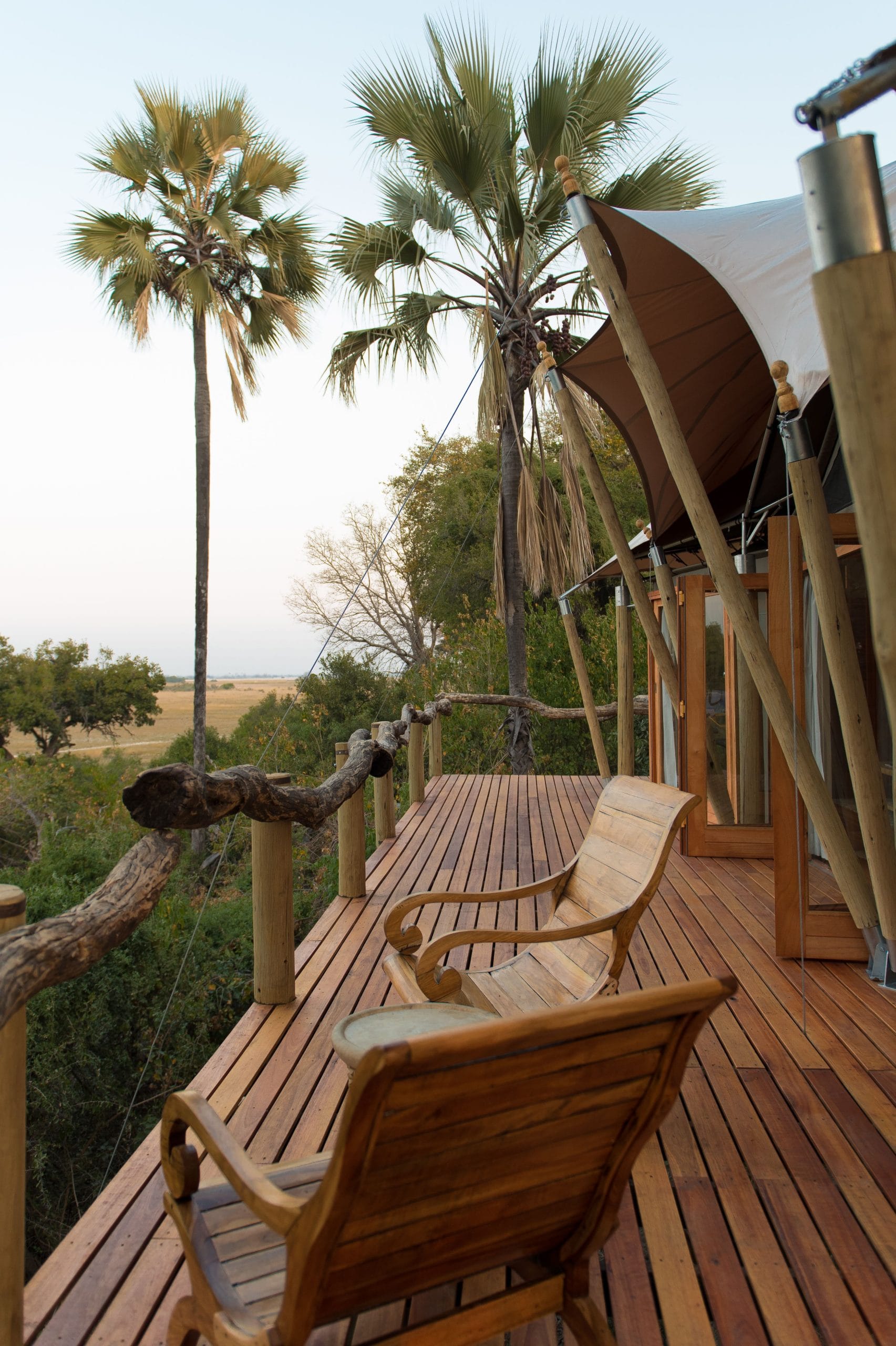
For the discerning traveler, the experience of the wild is elevated by the space they inhabit. These sanctuaries, often categorized as luxury safari lodges, are more than mere shelters; they are architectural tributes to the land they inhabit. They exist in a delicate dialogue with the horizon, designed to fade into the scrub and stone while providing a refined vantage point from which to observe the slow unfolding of the day.
True luxury in this context is not found in gold leaf or ornate carvings, but in the luxury of space and the intentionality of design. It is the feeling of a cool breeze flowing through an open-sided pavilion, the scent of rain-drenched earth drifting into a bedroom, and the way a perfectly placed window frames the silhouette of a lone elephant against a violet sky. Here, architecture becomes a lens, sharpening the guest’s connection to the natural world.
Luxury Safari Lodges and the Mood of the Place
The atmosphere of a design-led retreat is defined by a commitment to quietude. Unlike the high-energy pace of traditional tourism, the mood here is one of restoration. The architecture is intentionally paced, leading the guest through a series of transitions from the communal warmth of the lounge to the intimate solitude of a private deck. This progression encourages a slowing of the heart rate and a deepening of the breath.
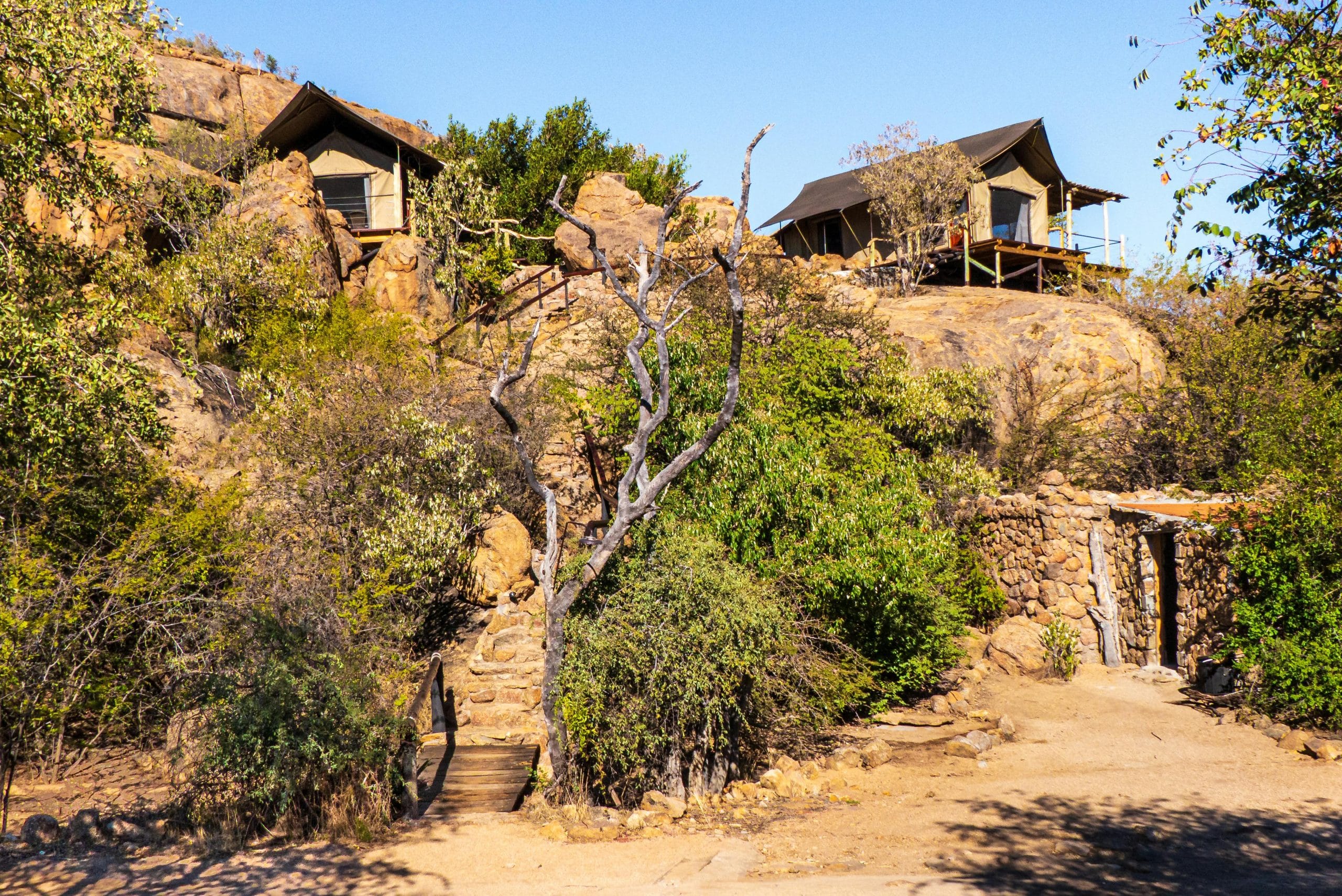
Many of these structures draw inspiration from the vernacular architecture of the region, utilizing sweeping thatched roofs that mimic the curve of the hills and wide eaves that offer a sanctuary from the midday sun. By integrating organic forms, the lodges avoid the imposition of human geometry on the landscape. Instead, they feel as though they have grown from the soil, utilizing a palette of ochre, slate, and sand that mirrors the surrounding earth.
The emotional resonance of such spaces lies in their ability to facilitate shared quiet moments. Whether it is a couple watching the first stars appear from a sunken fire pit or a solitary reader lost in a book while the wind rustles the grass outside, the environment fosters a rare kind of intimacy. It is a place where the external wilderness encourages an internal journey, making the stay as significant as the safari itself.
The Texture of Heritage and Atmosphere
To step inside one of these architectural wonders is to encounter a tactile symphony. The design-led approach prioritizes materials that tell a story of place. Hand-hewn timber beams, polished concrete floors that remain cool underfoot, and walls finished in traditional lime wash create a sensory experience that is grounded and honest. There is a deliberate avoidance of the synthetic, replaced by the warmth of leather, the coarseness of linen, and the smoothness of river stones.
Every detail is curated to enhance the atmospheric quality of the stay. The way a heavy canvas curtain slides open to reveal a panoramic view of the valley, or the soft glow of lanterns reflecting off a copper bathtub, speaks to a refined understanding of luxury. It is a design philosophy that values the patina of time over the shine of the new, celebrating the imperfections of natural materials that evolve alongside the environment.
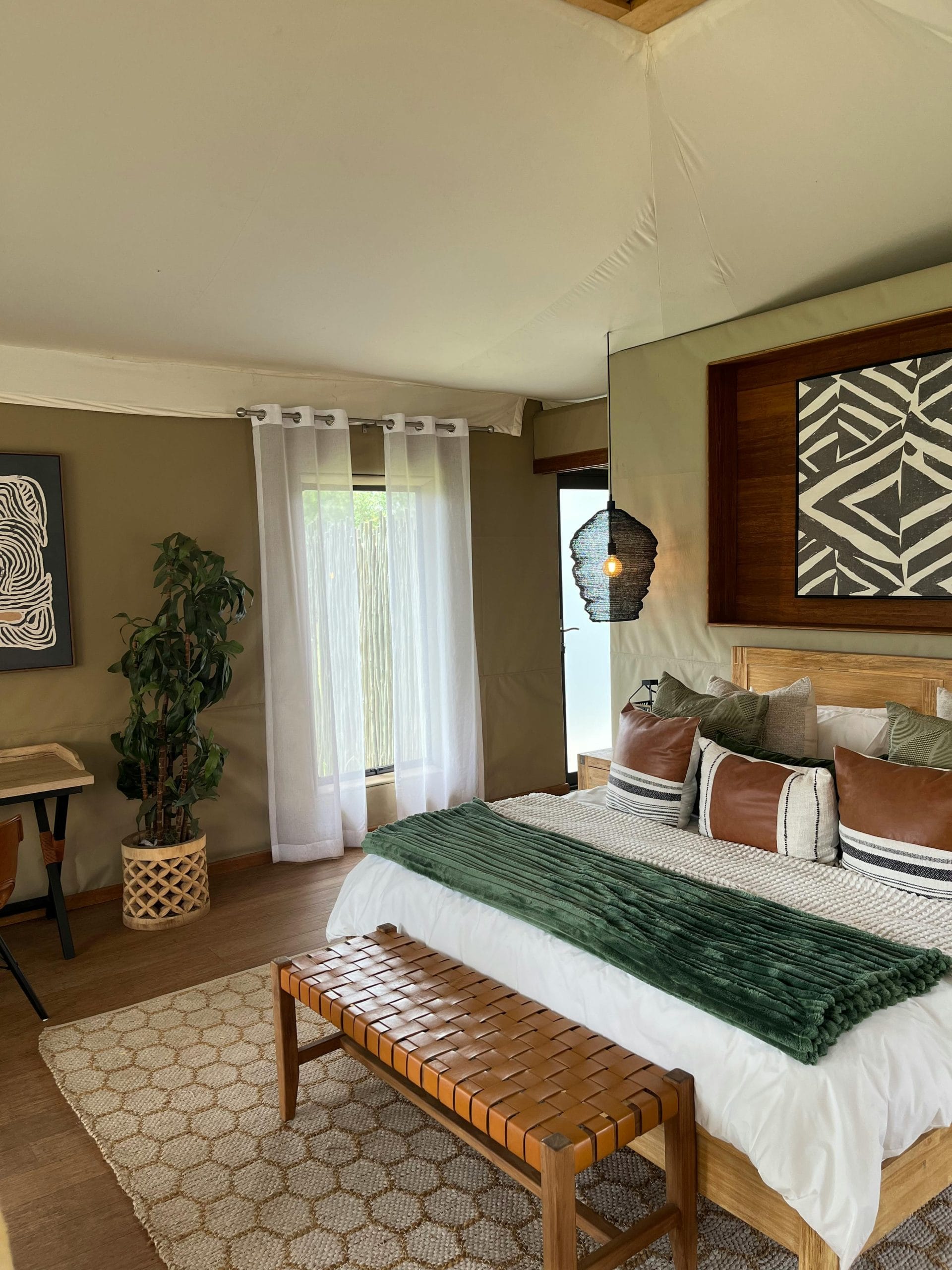
The local artistry is woven into the fabric of the lodge, not as decoration, but as an integral part of the identity. From hand-woven baskets that organize a bedside table to custom-carved furniture that reflects ancestral motifs, the interior spaces become a gallery of local heritage. This connection to the community transforms the lodge from a hotel into a cultural waypoint, grounding the traveler in the specific history of the land.
The Rituals of Immersive Wandering
While the game drive is the traditional centerpiece of a safari, the most refined experiences often occur in the spaces between. The art of the safari is found in the daily rituals that anchor the guest to the rhythm of the wilderness. It begins with the early morning coffee, sipped in a heavy ceramic mug while the mist still clings to the valley floor, and ends with the slow ritual of the sundowner, where the transition from day to night is marked by a quiet glass of wine and a golden horizon.
Immersive wandering takes the form of guided walks that prioritize the micro over the macro. Rather than searching for the big five, the focus shifts to the intricate patterns of a leopard’s print in the dust or the architectural brilliance of a termite mound. These walks are lessons in observation, teaching the guest to see the wilderness not as a spectacle, but as a complex, living system where every small detail holds meaning.
Beyond the lodge boundaries, the experience extends to the local texture of life. A visit to a nearby village market or a conversation with a local craftsperson reveals the everyday rituals that sustain the region. This slow, cultural wandering allows the traveler to move beyond the role of an observer and into the role of a guest, discovering the quiet dignity and enduring spirit of the people who have called this landscape home for generations.
Who the Design-Led Safari Speaks To
This mode of travel attracts the culture seeker, the individual for whom the journey is a quest for meaning rather than a checklist of sightings. They are travelers who value the silhouette of a building as much as the wildlife it overlooks and who find beauty in the intersection of human creativity and raw nature. For them, the destination is not just a place on a map, but a mood to be inhabited.
These individuals are often drawn to the concept of restorative travel. In a world of constant connectivity, the silence of a remote lodge becomes a powerful luxury. They seek environments that allow them to disconnect from the digital noise and reconnect with their own thoughts. The architectural focus on openness and natural light supports this mental clarity, providing a physical space that mirrors the desired state of mind.
The design-conscious traveler appreciates the subtle nuances of a well-executed stay. They notice the way the lighting changes the mood of a room as the sun sets, and they value the effort taken to source materials from the surrounding community. For them, luxury is defined by authenticity, intention, and the ability of a place to inspire a sense of wonder and humility in the face of nature’s grandeur.
The Staylora Perspective on Elevated Escapes
At Staylora, we believe that the architecture of a stay defines the memory of the trip. A lodge should not merely be a place to sleep after a day of exploration; it should be an extension of the exploration itself. When a property is designed with a deep respect for its environment, it enhances the traveler’s emotional connection to the destination, turning a simple vacation into a transformative experience.
We advocate for a travel style that prioritizes atmosphere over itinerary. By choosing stays that emphasize design, heritage, and a restorative pace, travelers can move beyond the superficial and engage with the soul of a place. The most memorable journeys are those that allow for unplanned moments of reflection, facilitated by a setting that invites the guest to simply be.
Selecting a design-led retreat is an act of curation. It is about finding the spaces that speak a language of elegance and restraint, where the luxury is felt in the quality of the silence and the beauty of the light. This is the essence of elevated travel: a commitment to experiences that nourish the spirit and leave the traveler changed by the quiet beauty of the world.
FAQ
What defines a truly architectural luxury safari lodge?
A truly architectural lodge is defined by its harmony with the surrounding environment. Rather than dominating the landscape, it uses organic forms, local materials like thatch and stone, and open-air designs to blur the line between the interior and the wild. The focus is on creating a sensory experience that enhances the guest’s connection to nature through intentional light, space, and texture.
When is the best time to experience the atmospheric calm of Africa?
While the wildlife varies by season, the most atmospheric calm is often found during the shoulder seasons or early morning hours. The dawn light provides a cinematic quality to the landscape, and the air is typically still and cool. This time of day offers the most restorative experience, allowing travelers to witness the wilderness awakening in a state of absolute serenity.
How do design-led stays enhance the luxury safari lodges experience?
Design-led stays elevate the experience by transforming the lodge into a destination in its own right. By prioritizing aesthetics, local heritage, and restorative layouts, these lodges provide a psychological sanctuary that complements the excitement of the safari. This balance of adventure and refined repose allows travelers to process their experiences more deeply, making the journey more emotionally resonant and lasting.
Staylora.com may contain affiliate links and third-party booking tools. We may earn a commission from qualifying bookings at no extra cost to you. Hotel prices, availability, policies, and travel information may change without notice. Please verify all important details directly with the booking provider before making any reservation.