The Scent of Salt and Stone
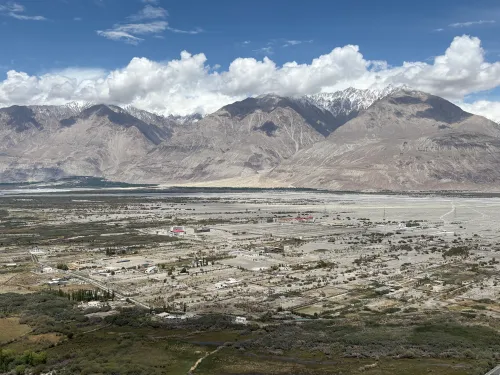
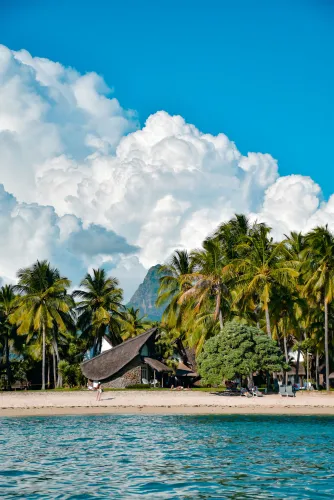
The scent of salt-crusted stone and the soft, ochre hue of lime-washed walls define the arrival. There is a specific rhythm to these coastal fringes, where the architecture does not compete with the horizon but bows to it. It is in this quiet dialogue between structure and nature that regenerative luxury travel finds its most honest expression, moving beyond the idea of simply leaving no trace to actively leaving a place better than it was found.
At the golden hour, the light turns a heavy, honeyed amber, casting long shadows across cobblestone paths and weathered wooden shutters. The texture of the destination is felt in the grain of a hand-hewn table at a seaside café and the coolness of a linen shirt against the skin. This is not the luxury of excess, but the luxury of presence, where the focus shifts from what is provided to how a place breathes and evolves.
In these spaces, the luxury is understated, manifesting as a deep respect for the local ecology and a commitment to the restoration of the surrounding landscape. The air is thinner, the silence more profound, and the connection to the earth more tangible. It is a way of traveling that honors the intelligence of the land and the wisdom of the people who have tended to it for generations.
Regenerative Luxury Travel and the Mood of the Place
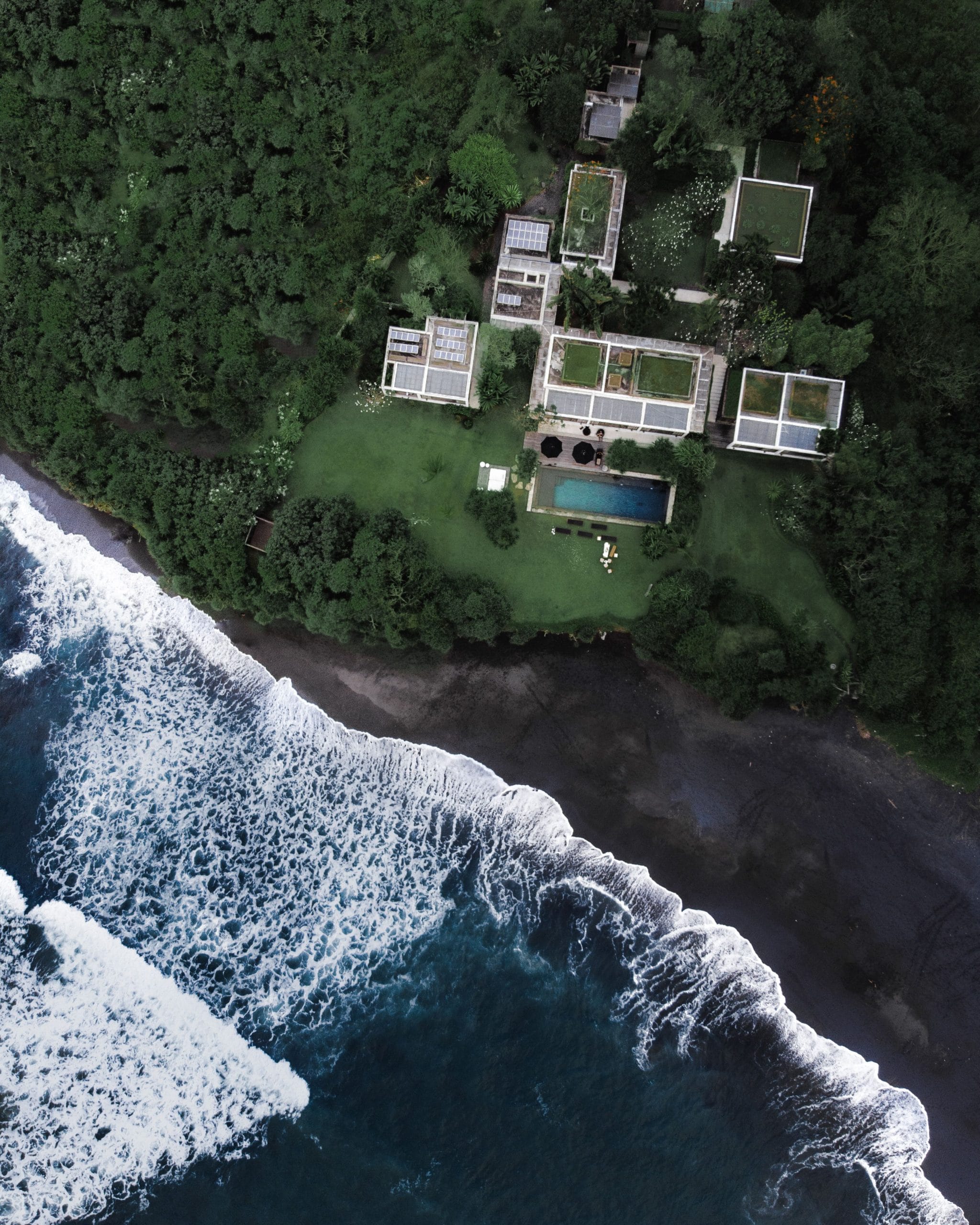
The mood is one of restorative stillness. Unlike traditional high-end travel, which often isolates the guest in a gilded bubble, the regenerative approach invites a porous boundary between the retreat and the environment. The architectural philosophy favors local materials—rammed earth, reclaimed timber, and volcanic stone—which allow the structures to blend into the topography rather than disrupt it.

Imagine a sanctuary perched on the rugged cliffs of the Azores, where the deep indigo of the Atlantic meets the vibrant green of volcanic slopes. Here, the retreat is not merely a place to stay but a participant in the island’s reforestation. The guest experience is woven into the act of planting native species or supporting the revival of ancient agricultural terraces, turning a vacation into a meaningful contribution to the earth’s health.
This shift in perspective changes the very nature of the stay. The luxury is found in the knowledge that one’s presence supports the vitality of the region. It is the feeling of waking up to a landscape that is thriving because of the intentionality of the design and the ethics of the operation. The atmosphere is one of quiet confidence, where elegance is defined by ecological harmony.
Cinematic Landscapes and Layered Horizons
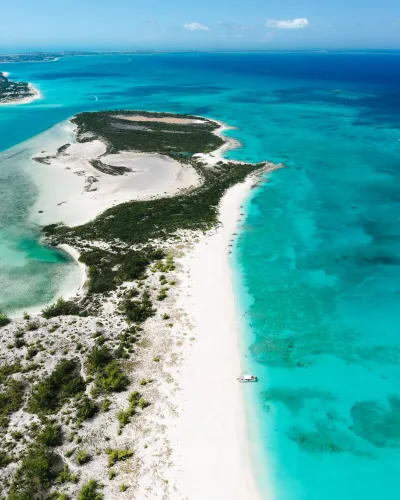
The visual language of these retreats is cinematic, characterized by layered horizons and a mastery of atmospheric light. In the Maldives, for instance, the horizon is a series of shifting blues, from the pale turquoise of the shallows to the midnight navy of the deep ocean. The architecture here focuses on coral restoration, with villas designed to minimize impact on the seabed while providing immersive views of the aquatic wilderness.
In the Nordic fjords, the landscape is defined by steep granite walls and mirrored waters that reflect a soft, pearlescent sky. The retreats here embrace a minimalist aesthetic, using glass and wood to frame the raw power of the nature outside. The experience is about the contrast between the warmth of a crackling fire and the crisp, bracing air of the Arctic circle, creating a sensory balance that restores the spirit.

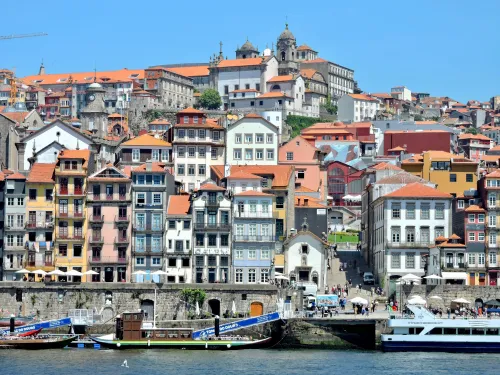
Moving toward the Mediterranean, the landscape becomes a tapestry of silver olive groves and terracotta rooftops. The light is sharp and clear, highlighting the textures of the coast. These properties often focus on the regeneration of the soil, employing permaculture and ancient irrigation techniques to bring abandoned lands back to life, ensuring that the beauty of the vista is matched by the health of the earth beneath it.
Refined Local Moments and Everyday Rituals
True luxury is found in the refined local moments that occur outside the boundaries of the resort. It is the ritual of the morning market, where the scent of crushed mint and ripened citrus fills the air. It is the slow conversation with a local artisan whose family has worked the same loom for four generations. These interactions are the heartbeat of a destination, providing a groundedness that no five-star amenity can replicate.
A morning spent in a coastal village involves the simple pleasure of a handheld espresso at a standing bar, observing the daily choreography of fishermen hauling in their nets. There is a profound beauty in these everyday rituals—the way the bread is broken, the way the wine is poured, the way the wind moves through the laundry hanging from a balcony. These are the textures of a life lived in balance.
Regenerative travel encourages a pace that is relaxed but curious. It invites the traveler to wander without a map, to discover the quiet courtyard of a hidden chapel, or to spend an afternoon learning the art of traditional pottery. By engaging with the local economy in a mindful way, the traveler becomes part of a cycle of mutual respect and revitalization.
The Conscious Traveler’s Perspective
The person drawn to this style of travel is often a lover of food and lifestyle, someone who appreciates the nuance of a locally sourced ingredient and the story behind a piece of handmade furniture. They are not seeking the loud declarations of luxury but the quiet whispers of quality and intent. For them, the ultimate sophistication is a travel experience that aligns with their values of stewardship and mindfulness.
This traveler seeks the emotional hook of a memory—not of a famous landmark, but of the specific way the light hit a stone wall at sunset, or the taste of a wild herb gathered from the hillside. They value the restorative power of silence and the intellectual stimulation of learning about a place’s ecological struggle and triumph. Their journey is an exercise in empathy and observation.
The appeal lies in the ability to disconnect from the digital noise and reconnect with the physical world. Whether it is through forest bathing in a Japanese cedar grove or stargazing from a desert camp in Morocco, the goal is a return to a more primal, authentic version of oneself. The destination serves as a mirror, reflecting a desire for a more intentional and sustainable way of existing in the world.
The Staylora Perspective
From the perspective of refined travel, the rise of regeneration marks the evolution of the industry. We see a move away from the static concept of the luxury hotel and toward the idea of the living retreat. A place that not only provides sanctuary for the guest but serves as a guardian for the destination. The most memorable stays are those that leave the traveler feeling not just pampered, but renewed in their connection to the planet.
The future of travel is found in these pockets of intentionality. By choosing destinations that prioritize the health of their ecosystems and the dignity of their people, travelers can ensure that the places they love will remain vibrant for generations to come. It is a transition from consumption to contribution, where the most prestigious amenity is a flourishing forest or a revived coral reef.
Ultimately, the most luxurious experience is the peace of mind that comes from knowing your journey has had a positive impact. It is the quiet satisfaction of witnessing a landscape heal and knowing you played a small part in that process. This is the essence of a conscious escape—a journey that restores the traveler and the world simultaneously.
FAQ
What defines regenerative luxury travel?
Regenerative luxury travel goes beyond sustainability, which aims to minimize harm. Regeneration focuses on actively improving and restoring the environment and community. It involves practices that replenish natural resources, revive local cultures, and ensure that the destination is ecologically and socially healthier because the travel industry exists there.
How do these retreats differ from sustainable hotels?
While a sustainable hotel might focus on reducing plastic or saving energy to maintain a neutral footprint, a regenerative retreat seeks a positive footprint. This means the property might engage in active reforestation, soil regeneration, or funding local education and healthcare, creating a symbiotic relationship where the hotel’s success directly fuels the region’s recovery.
Which destinations are best for restorative escapes?
The best destinations for regenerative luxury travel are often those with strong, unique natural rhythms. Coastal regions, volcanic islands, and ancient forests are ideal because they offer a clear contrast to urban life and provide tangible opportunities for ecological restoration, allowing travelers to engage deeply with the land’s healing process.
Staylora.com may contain affiliate links and third-party booking tools. We may earn a commission from qualifying bookings at no extra cost to you. Hotel prices, availability, policies, and travel information may change without notice. Please verify all important details directly with the booking provider before making any reservation.