Tokyo luxury hotels Mount Fuji views at a Glance
The silver light of a Tokyo dawn often reveals a silent, snow-capped sentinel watching over the metropolis. There is a particular stillness in waking up to that silhouette, where the chaotic energy of the city below is momentarily eclipsed by the ancient poise of the mountain. For those seeking a sanctuary that balances urban vibrancy with contemplative beauty, choosing among the finest Tokyo luxury hotels Mount Fuji views provide is the first step in crafting a truly elevated Japanese escape.
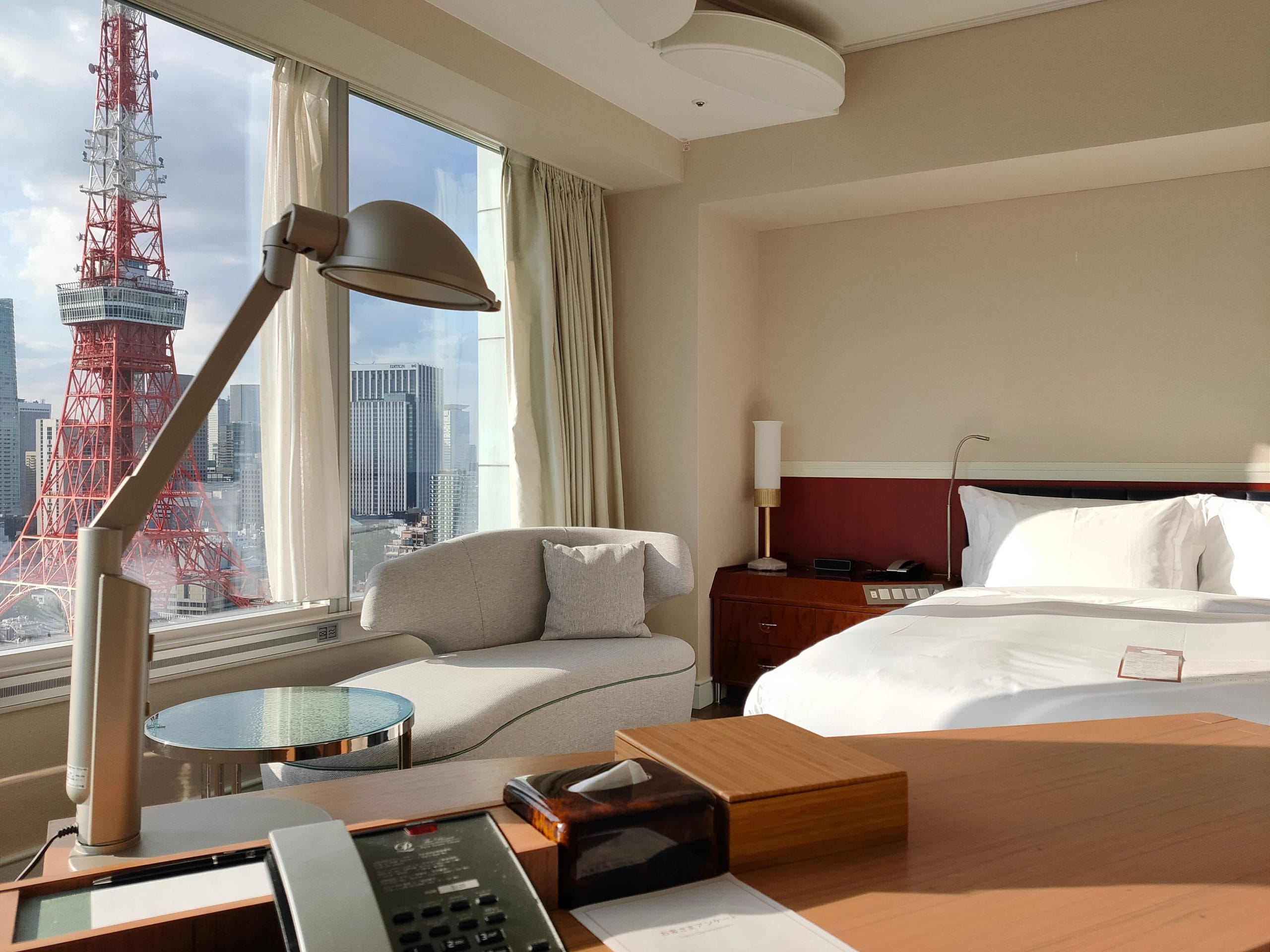
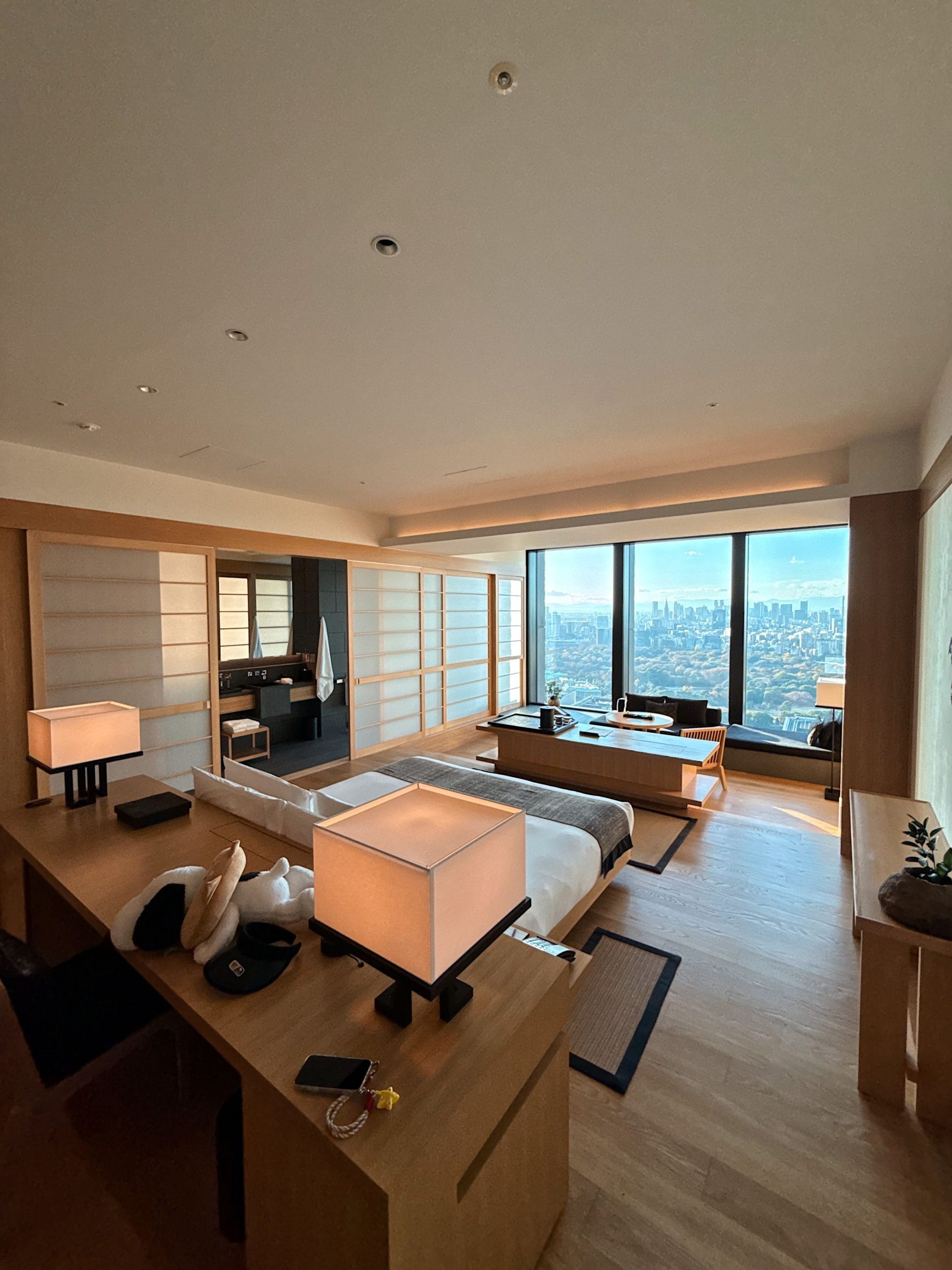
Staying in a room that faces the west allows a traveler to witness the daily dialogue between the neon sprawl of the city and the timelessness of nature. These exclusive properties are more than just places to sleep; they are curated vantage points that offer a sense of scale and perspective. The experience is defined by a specific type of modern refined comfort, where floor-to-ceiling glass walls and minimalist interiors ensure that the external landscape remains the primary protagonist of the stay.
Planning such a trip requires an understanding of Tokyo’s verticality. To secure a view of the peak, one must prioritize height and orientation. The most prestigious hotels often place their signature suites on the upper reaches of their towers, ensuring that the urban canopy does not obstruct the horizon. This architectural intention transforms a standard city break into a restorative retreat, allowing guests to reconnect with the natural world without leaving the heart of the capital.
Selecting the Ideal District for a Scenic Base
Choosing the right neighborhood is essential for balancing accessibility with the desired atmosphere. Shinjuku is often the most intuitive choice for those prioritizing vistas. Because it houses some of the tallest buildings in the city, the likelihood of an unobstructed sightline to the mountain is significantly higher. The energy here is electric and fast-paced, making the quietude of a high-floor suite feel like a necessary and luxurious respite from the bustling streets below.
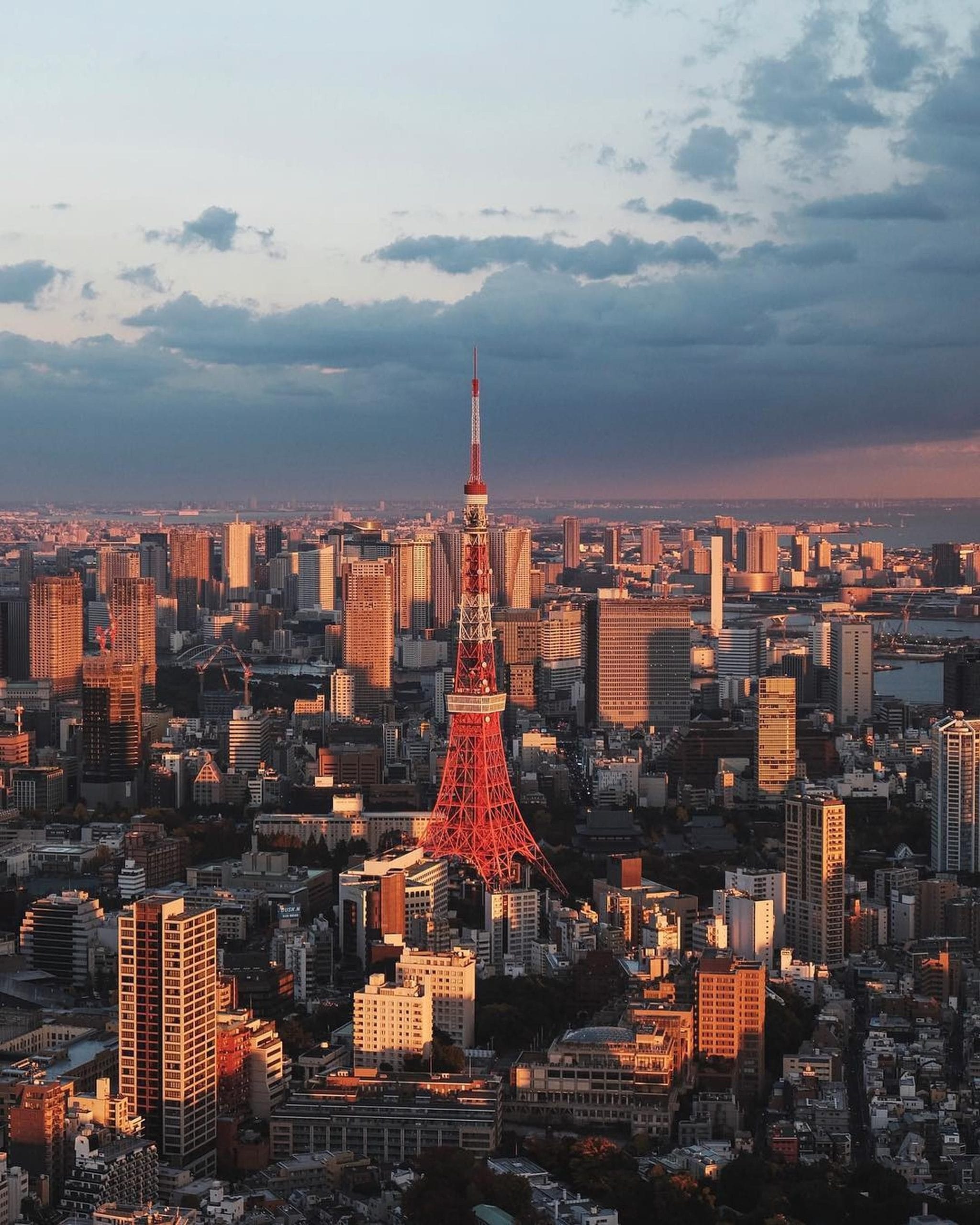
For a more poised and understated experience, the Marunouchi and Chiyoda districts offer a different kind of prestige. Here, the luxury is found in the proximity to the Imperial Palace and the refined corporate elegance of the financial center. While the skyline is slightly different, the high-end hotels in this area provide a sophisticated base for those who appreciate a slower, more curated pace of life. The transitions between the sleek hotel lobbies and the manicured greenery of the palace gardens create a rhythmic flow that is deeply satisfying.
When vetting specific properties, it is worth inquiring about the specific orientation of the room. A west-facing suite is non-negotiable for catching the sunset behind the peak. Many boutique luxury lovers find that the smaller, more intimate properties in these districts offer a more personalized service, ensuring that every detail, from the scent of the room to the precision of the wake-up call, is tailored to the guest’s preference for refined comfort.
Designing a Refined Travel Flow in the City
The secret to experiencing Tokyo without feeling overwhelmed is to embrace a soft itinerary. Rather than rushing through a checklist of landmarks, the sophisticated traveler allows the day to unfold naturally, leaving ample space between major sights. A morning spent watching the clouds drift past the mountain from a private balcony sets a meditative tone that can be carried throughout the day.
A refined daily flow might begin with a slow breakfast in the hotel, followed by a visit to a quiet cultural enclave. For instance, exploring the Nezu Museum in Aoyama offers a perfect blend of pre-modern Japanese and East Asian art, complemented by a stunning private garden. The transition from the museum’s minimalist galleries to the sound of wind in the bamboo groves mirrors the balance between the city’s structure and its hidden natural pockets.
Afternoons are best spent in the pursuit of tactile beauty. This could involve a curated walk through the boutiques of Omotesando or a private tea ceremony in a hidden garden. By avoiding the midday rush and opting for private transportation or leisurely walks, the journey becomes about the quality of the experience rather than the quantity of the sights. Returning to a hotel with a view of the mountain at dusk provides a natural bookend to the day, allowing for a period of reflection as the city lights begin to twinkle below.
Elevated Experiences Beyond the Hotel Room
To complement a stay in one of the premier Tokyo luxury hotels Mount Fuji views offer, one should seek out experiences that mirror the same commitment to excellence and serenity. The city is home to an array of refined escapes that often go unnoticed by the average tourist. Visiting the Meiji Jingu forest is a primary example; the transition from the noise of Harajuku to the deep silence of the cedar-lined path is a sensory experience that cleanses the palate.
Culinary exploration should also be approached with a focus on artistry. Instead of the most famous queues, seek out the intimacy of a high-end Kaiseki meal where the menu changes based on the exact micro-season. The precision of the plating and the serenity of the dining room reflect the same aesthetic found in the city’s most exclusive hotels. These meals are not merely about taste but are an extension of the Japanese philosophy of mindfulness and respect for nature.
For those who appreciate architecture, a visit to the Prada Building in Aoyama or the 21_21 Design Sight museum provides insight into Tokyo’s modern creative spirit. These spaces utilize light and shadow in ways that echo the visual drama of the mountain vista. Engaging with the city’s design language helps a traveler understand the bridge between the traditional values of the past and the cutting-edge luxury of the present.
The Ideal Traveler Persona for a Fuji-Facing Stay
This specific style of travel is best suited for the boutique hotel lover who views their accommodation as a destination in its own right. These are travelers who find value in the curation of a space, from the thread count of the linens to the strategic placement of a reading chair. For them, the view of the mountain is not just a visual amenity but a psychological anchor that provides a sense of peace amidst the urban complexity.
It also appeals to the architectural enthusiast and the serenity seeker. Those who are drawn to the concept of Ma, or the beauty of empty space, will find the expansive views from a high-rise suite deeply resonant. This persona prioritizes the atmosphere of a place over its fame, seeking out locations that offer a feeling of exclusivity and a disconnect from the typical tourist path.
Ultimately, this experience is for the guest who understands that true luxury is the ability to control one’s environment. The ability to switch from the high-energy pulse of the Shibuya crossing to the silent gaze of a distant mountain within a matter of minutes is the ultimate urban luxury. It is for the traveler who values the quiet moments of transition as much as the destinations themselves.
Practical Planning for a Seamless Arrival
Timing is everything when planning a stay focused on scenic vistas. The clarity of the air varies significantly by season, and those who wish to guarantee a sighting of the peak should consider the winter months. From December through February, the air is typically crisp and dry, offering the sharpest and most consistent views of the mountain. Spring is equally beautiful, though the cherry blossoms can sometimes coincide with more humid, hazy conditions.
Upon arrival, utilizing a private airport transfer is highly recommended to maintain the sense of refinement. The journey from Narita or Haneda into the heart of the city can be taxing, and starting the trip with a seamless, curated transport experience ensures that the traveler arrives at their hotel refreshed and ready to appreciate the view. Once in the city, a combination of luxury taxis and strategic walking allows for a fluid movement between districts without the stress of the complex rail system.
When booking, it is advisable to communicate specifically with the hotel concierge regarding the view. While many properties advertise their vistas, requesting a room on a specific high floor with a western exposure can make the difference between a glimpse of the mountain and a panoramic experience. This level of practical planning ensures that the reality of the stay matches the anticipation, providing a frictionless transition into a world of modern comfort.
FAQ
When is the best time to see Mount Fuji from Tokyo?
The best visibility typically occurs during the winter months, particularly from November to February. During this period, the atmosphere is drier and clearer, making the mountain more visible from the city’s high-rise windows. Early mornings are generally the most reliable time for a clear sighting before the daily haze and clouds settle over the valley.
Which floor should I request for the best Tokyo luxury hotels Mount Fuji views?
Generally, the higher the floor, the better the vantage point. You should request a room on the highest available floors, specifically those with a west-facing orientation. It is often helpful to ask for a corner suite, as these typically provide a wider angle of the horizon, ensuring that neighboring skyscrapers do not obstruct the silhouette of the peak.
How do I balance sightseeing with hotel relaxation?
The key is to adopt a soft itinerary. Limit yourself to one major cultural visit in the morning and one refined activity in the afternoon. This allows you to return to your hotel by late afternoon to enjoy the sunset over the mountain. By prioritizing quality over quantity, you ensure that the relaxation provided by your luxury accommodation remains a central part of the experience.
Staylora.com may contain affiliate links and third-party booking tools. We may earn a commission from qualifying bookings at no extra cost to you. Hotel prices, availability, policies, and travel information may change without notice. Please verify all important details directly with the booking provider before making any reservation.