Luxury Ryokans Kyoto and the Mood of Stillness
The sound of a sliding shoji screen closing softly behind you marks the precise moment the world outside fades away. In the heart of Japan’s ancient capital, the transition from the rhythmic pulse of the city to the sanctuary of a private villa is almost tactile. There is a specific weight to the silence here, a curated quietude that invites a slower pace of breath and a more mindful presence.
Choosing to stay in luxury ryokans Kyoto is less about securing a room and more about entering a state of being. These establishments are not merely hotels but are living museums of hospitality, where the art of Omotenashi—anticipating a guest’s needs before they are even voiced—is practiced with a quiet, invisible precision. The arrival is often a choreographed sequence of welcomes, from the cooling scent of incense in the foyer to the precise temperature of the welcoming tea.
For the traveler seeking a restorative journey, these spaces offer a rare opportunity to disconnect from the digital noise and reconnect with the physical world. The tactile reality of a hand-woven tatami mat underfoot or the sight of a single, perfectly placed seasonal flower in a ceramic vase anchors the guest in the present moment. It is here that the concept of slow luxury finds its truest expression, where the greatest amenity is the permission to do nothing at all.
The Architecture of Quietude and Refinement
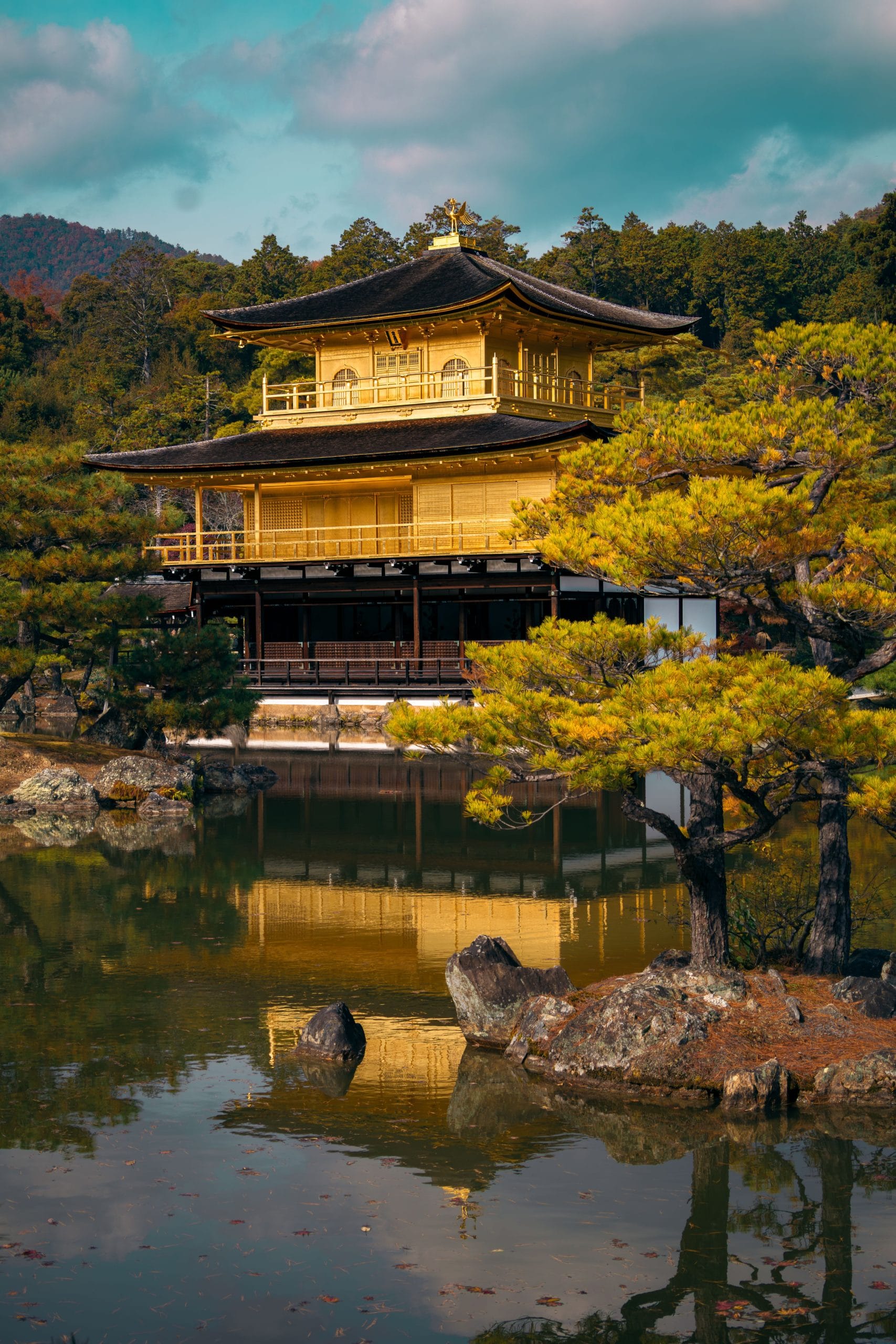
Visual harmony in Kyoto is often found in the mastery of the void. The architectural lines of a refined ryokan are designed to draw the eye toward the nature just beyond the walls, blurring the boundary between the interior sanctuary and the curated garden. Dark cedar beams provide a grounding contrast to the ethereal white of the paper screens, creating a play of light and shadow that shifts subtly as the sun moves across the sky.
Every detail serves a purpose of refinement. The low profiles of the furniture encourage a different physical relationship with the space, prompting a slower, more deliberate way of moving. In the private baths, often carved from a single block of aromatic cypress, the steam rises in slow curls, mirroring the patient pace of the surrounding city. The water is not just for cleansing but is a ritual of purification and release.
Modern comfort is woven into these traditional shells with a ghostly lightness. One might find a discreetly integrated climate system or a high-thread-count linen that feels like a whisper against the skin, yet these elements never overshadow the heritage of the building. The luxury lies in this balance—the ability to enjoy the atmospheric depth of the Edo period while enveloped in the sophisticated comforts of the twenty-first century.
Savoring the Rituals of Kyoto Dining
Dining in a refined ryokan is a meditative experience, centered on the philosophy of Kaiseki. This multi-course meal is a poetic reflection of the current micro-season, translating the landscape of Kyoto into a series of edible artworks. Each dish arrives as a study in color, texture, and temperature, served on ceramics and lacquerware that are often as precious as the food they hold.
The mood of the dining room is one of focused intimacy. Whether served in the privacy of one’s own room or in a dedicated dining hall overlooking a moon-viewing garden, the meal is paced to encourage conversation and reflection. A sliver of sashimi, a simmered root vegetable, or a delicate custard is presented not just for sustenance but as a tribute to the local terroir and the artisan’s skill.
Beyond the formal meals, the simple ritual of morning breakfast becomes a highlight of the slow travel experience. The steam from a bowl of miso soup, the fragrance of freshly steamed rice, and the crispness of locally fermented pickles provide a grounding start to the day. This focus on purity and provenance reminds the traveler that true luxury is found in the integrity of the ingredients and the patience required to prepare them.
Exploring Hidden Cultural Gems at a Gentle Pace
When the sanctuary of the ryokan releases its hold, the city of Kyoto reveals itself best to those who are not in a hurry. Moving away from the primary tourist corridors leads to the discovery of small, moss-covered shrines and quiet temple courtyards where the only sound is the drip of a bamboo water pipe. These spaces offer a profound sense of continuity, linking the modern visitor to centuries of spiritual practice.
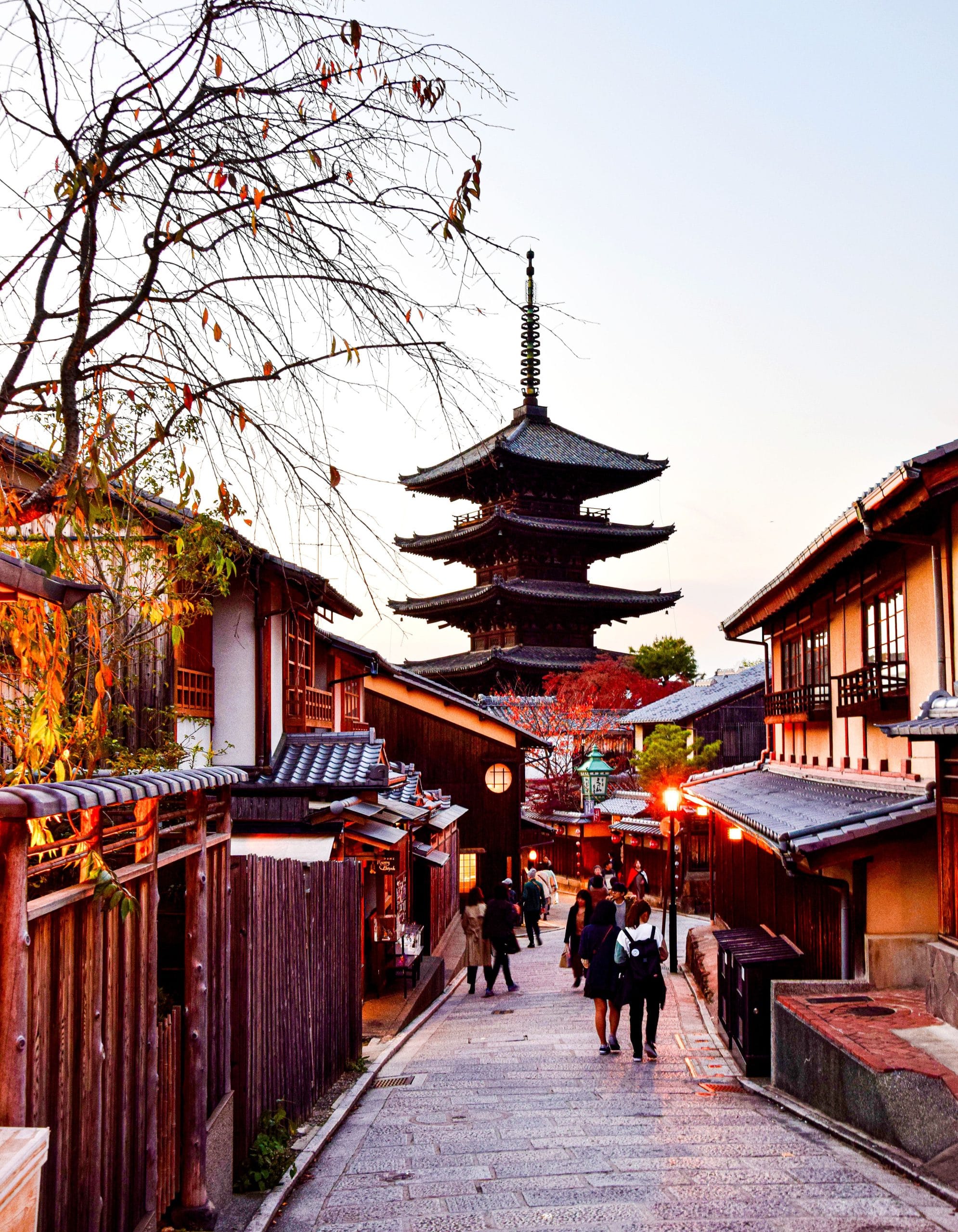
A slow journey through the Gion district at dawn, before the crowds arrive, allows one to appreciate the architectural integrity of the machiya townhouses. The subtle curves of the tiled roofs and the muted tones of the wooden facades speak to a heritage of understated elegance. It is in these quiet moments—watching a gardener meticulously rake gravel or observing the way light filters through a maple canopy—that the city’s true identity emerges.
Cultural engagement here is not about ticking boxes on a list but about following a feeling. It might mean spending three hours in a single Zen garden, observing the ripples in the sand, or engaging in a slow conversation with a local tea master. The goal is not to see everything, but to feel the essence of a few chosen places deeply, allowing the destination to imprint itself on the memory through quality rather than quantity.
A Sanctuary for the Solitary Voyager
For the solo traveler, Kyoto is an exceptionally welcoming destination, offering a safe and sophisticated environment for introspection. There is a particular liberation in navigating the city alone, where the lack of a companion allows for a more acute awareness of the sensory details—the scent of roasting hojicha in the air or the distant chime of a temple bell.
The solitude of a luxury ryokan enhances this experience, providing a secure base where one can retreat into their own thoughts. The act of reading a book by the light of a paper lamp or journaling while overlooking a private courtyard becomes a luxury in itself. In these moments, the solo traveler is not alone, but is instead in the company of the destination’s enduring spirit.
This refined approach to solo travel shifts the focus from the external sightseeing to an internal journey. The elegance of the surroundings supports a mood of gentle curiosity, encouraging the traveler to wander without a map and to find joy in the serendipity of a hidden alleyway or a quiet bookstore. The city becomes a mirror, reflecting the peace that the traveler has cultivated within the walls of their ryokan.
The Staylora Perspective on Slow Luxury
At Staylora, we believe that the most profound travel experiences are those that prioritize the quality of the moment over the quantity of the itinerary. Kyoto exemplifies this philosophy, proving that luxury is not defined by opulence, but by the space and time granted to the guest. The integration of heritage, nature, and mindful service creates a travel template that is as restorative as it is inspiring.
A stay in one of the city’s premier ryokans serves as a catalyst for this slower way of living. By choosing a premium base that values silence and craftsmanship, the traveler is naturally inclined to treat the rest of their journey with the same reverence. This is the essence of refined escape: creating a seamless loop between the peace of the accommodation and the poetry of the destination.
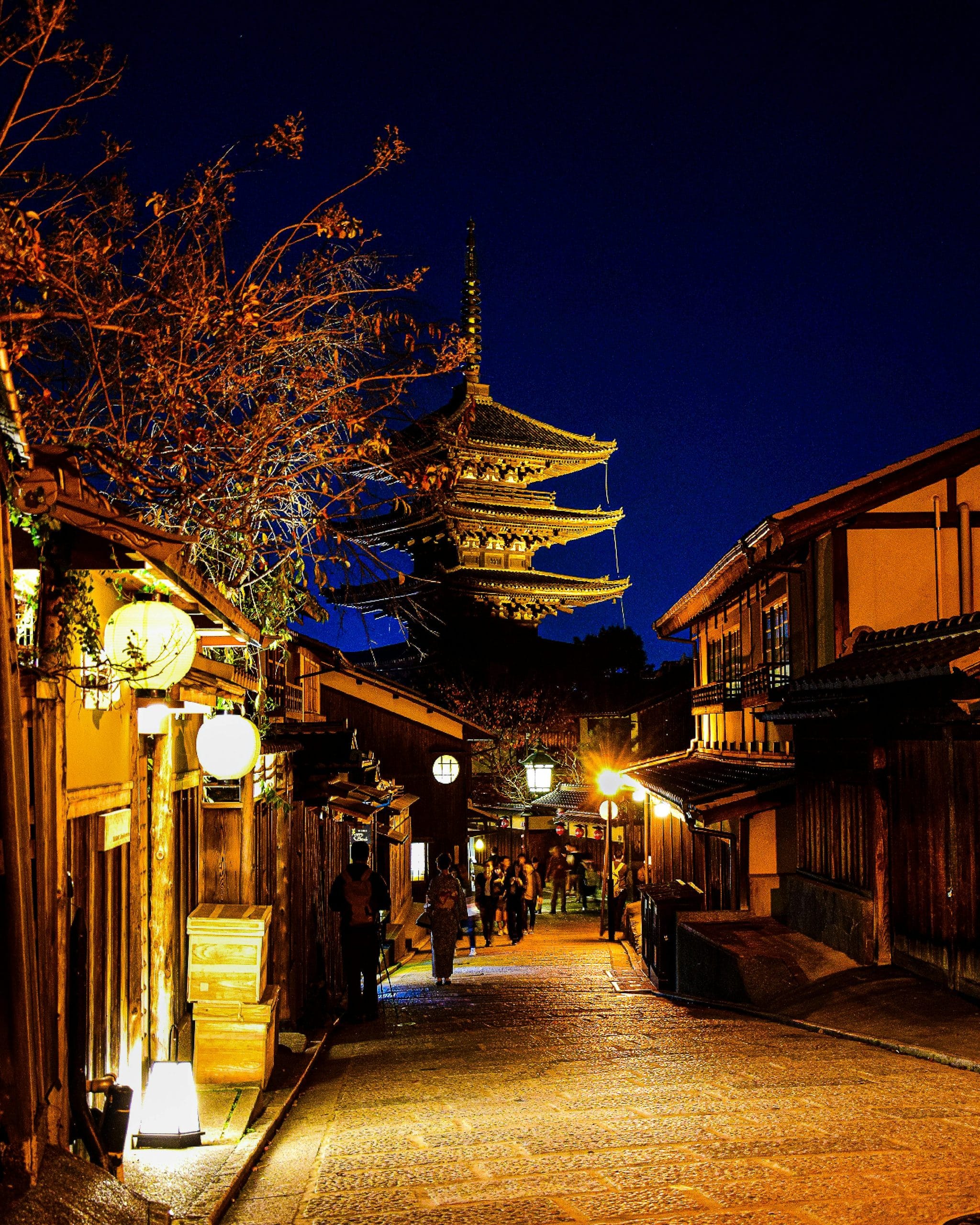
As we look toward the future of elevated travel, the Kyoto model of slow luxury offers a necessary antidote to the acceleration of modern life. It teaches us that arriving is not the goal, but rather the act of lingering is where the true magic resides. Whether it is the first light of dawn over the Higashiyama hills or the last glow of a lantern in a wooden corridor, the beauty is found in the pauses.
FAQ
What defines the experience of luxury ryokans Kyoto?
These stays are defined by a seamless blend of traditional Japanese architecture and high-end modern comfort. Guests experience profound hospitality known as Omotenashi, featuring private onsen baths, meticulously prepared Kaiseki dining, and serene environments that emphasize nature and minimalist design to promote a sense of total restorative peace.
When is the best time for a restorative Kyoto escape?
While Kyoto is refined year-round, autumn offers breathtaking maple foliage and spring brings the iconic cherry blossoms. However, for those seeking the ultimate in slow luxury and quietude, the winter months provide a hushed, atmospheric mood with fewer crowds, allowing for a deeper, more personal connection with the city’s hidden cultural gems.
How to embrace slow travel in a cultural capital?
Embrace slow travel by limiting your daily itinerary to one or two meaningful locations. Instead of rushing through famous landmarks, spend time in Zen gardens or walk through quiet residential districts. Allow the rhythm of your luxury accommodation to dictate your pace, prioritizing reflection and sensory awareness over sightseeing checklists.
Staylora.com may contain affiliate links and third-party booking tools. We may earn a commission from qualifying bookings at no extra cost to you. Hotel prices, availability, policies, and travel information may change without notice. Please verify all important details directly with the booking provider before making any reservation.