The Atmosphere of Eternal Elegance
The air in Rome during the late afternoon carries a weight of history and a shimmer of gold. Walking through the cobblestone streets near the ancient center, one feels the intersection of imperial grandeur and modern Italian sophistication. The light here is different, catching the edges of weathered travertine and painting the city in warm, ochre tones that invite a slower pace of exploration.
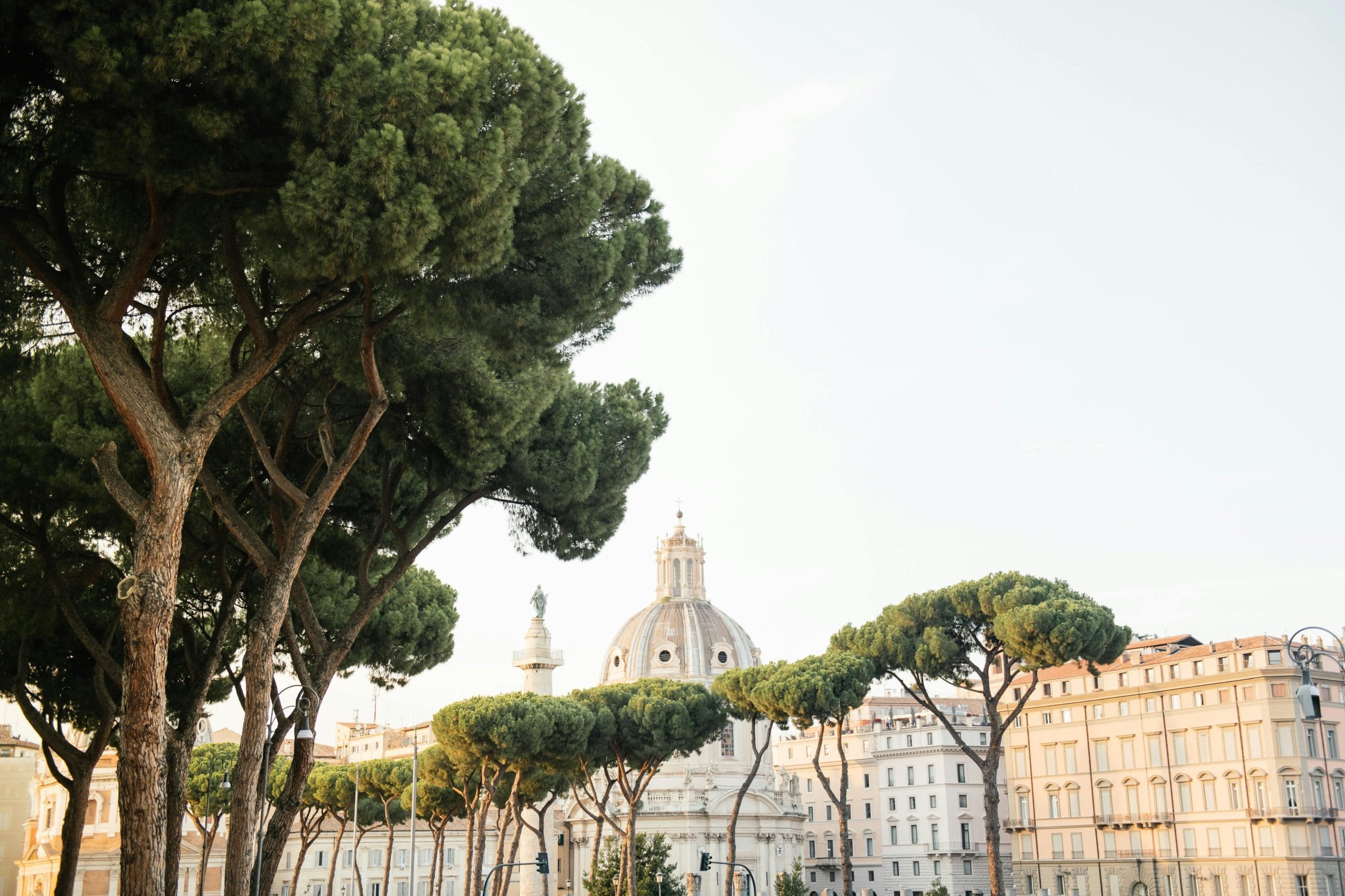
For the traveler who has already seen the world and now seeks a more polished way to experience the icons, the challenge is not finding the sights, but finding the space to breathe between them. Selecting the right luxury stays near Colosseum Rome is the first step in transforming a standard sightseeing trip into a curated experience of architectural beauty and quiet luxury.
To experience this part of the city correctly is to embrace the art of refined wandering. It is about the transition from a high-ceilinged suite with views of the Roman skyline to a hidden courtyard where the only sound is the distant chime of a church bell. This is a journey designed for those who value design-led comfort as much as the historical narrative of the destination.
Luxury Stays Near Colosseum Rome at a Glance
Choosing a base in this region requires a balance between proximity to the monuments and the desire for seclusion. The area surrounding the Flavian Amphitheatre is a tapestry of contrasting energies. While the immediate perimeter is bustling, the pockets just a few streets away offer a serene sanctuary that feels worlds apart from the tourist crowds.
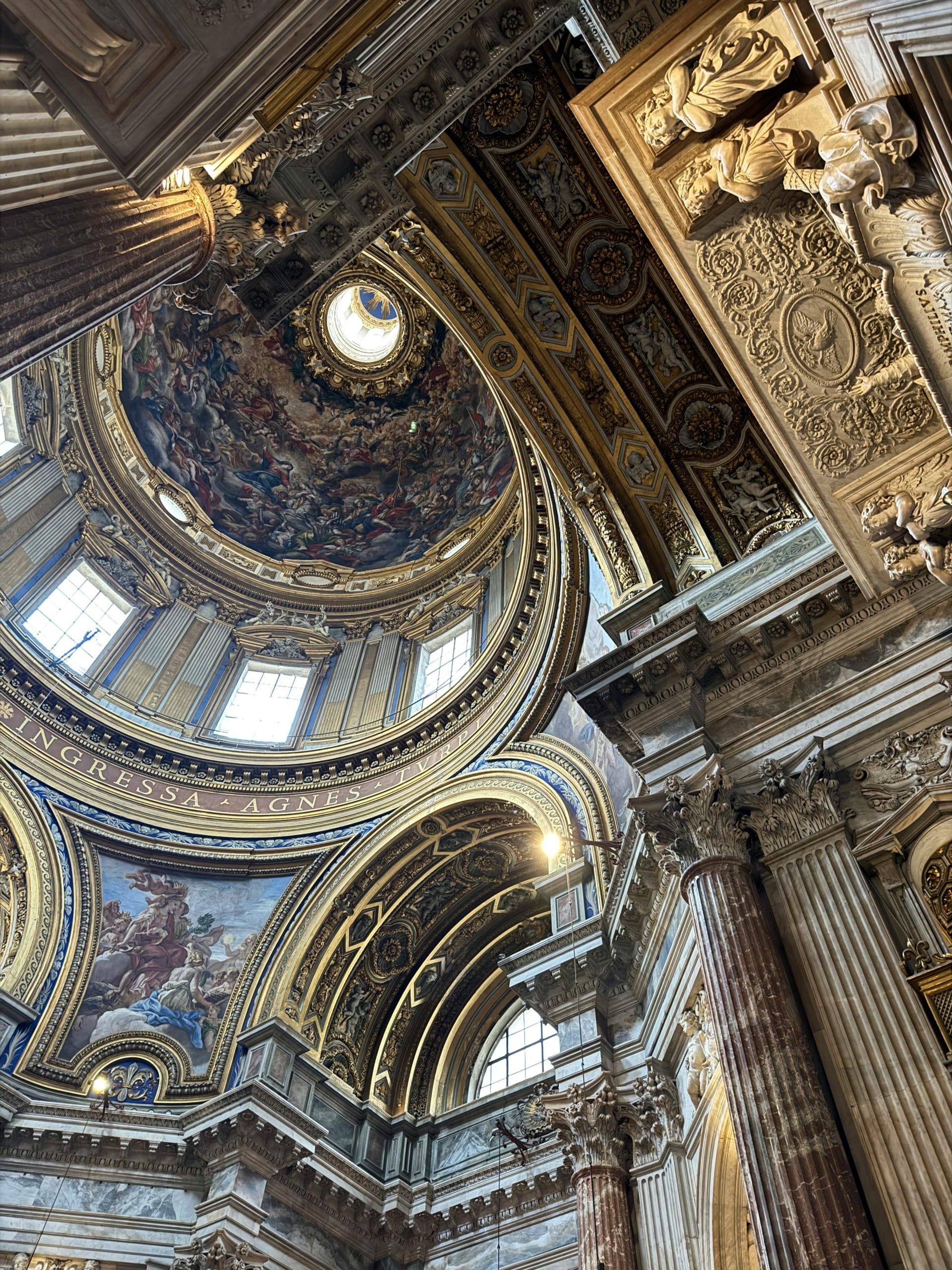
The most refined accommodations in this sector typically lean toward design-led luxury. This means moving beyond traditional opulence and toward a style that celebrates minimalist Italian lines, authentic materials, and a deep respect for the building’s original Roman bones. Many of the most sought-after stays are housed in converted palazzos, where ancient walls meet contemporary art and bespoke furnishings.
Staying in this area allows for a travel flow that prioritizes comfort. Instead of navigating the city’s complex transit system, a guest can simply step out of their door and be within a ten-minute walk of the most significant archaeological sites in the world. This accessibility is the ultimate luxury, granting the traveler more time for leisurely breakfasts and late-night strolls through the moonlit ruins.
Selecting the Right Neighborhood for a Polished Stay
The Monti district is the primary recommendation for those seeking an elevated experience. Historically the neighborhood of the plebeians, it has evolved into a sophisticated enclave of artisans, boutique galleries, and high-end residential lofts. It is the ideal location for the traveler who prefers a local, residential feel without sacrificing the amenities of a five-star environment.
In Monti, the streets are narrower and the atmosphere is more intimate. You will find small squares where locals gather and ivy-draped facades that hide some of the city’s most exclusive boutique hotels. The luxury here is found in the details: a hand-crafted leather workshop on the corner, a discreet wine bar serving rare vintage grapes, and the feeling of being a guest in a living neighborhood rather than a tourist in a museum.
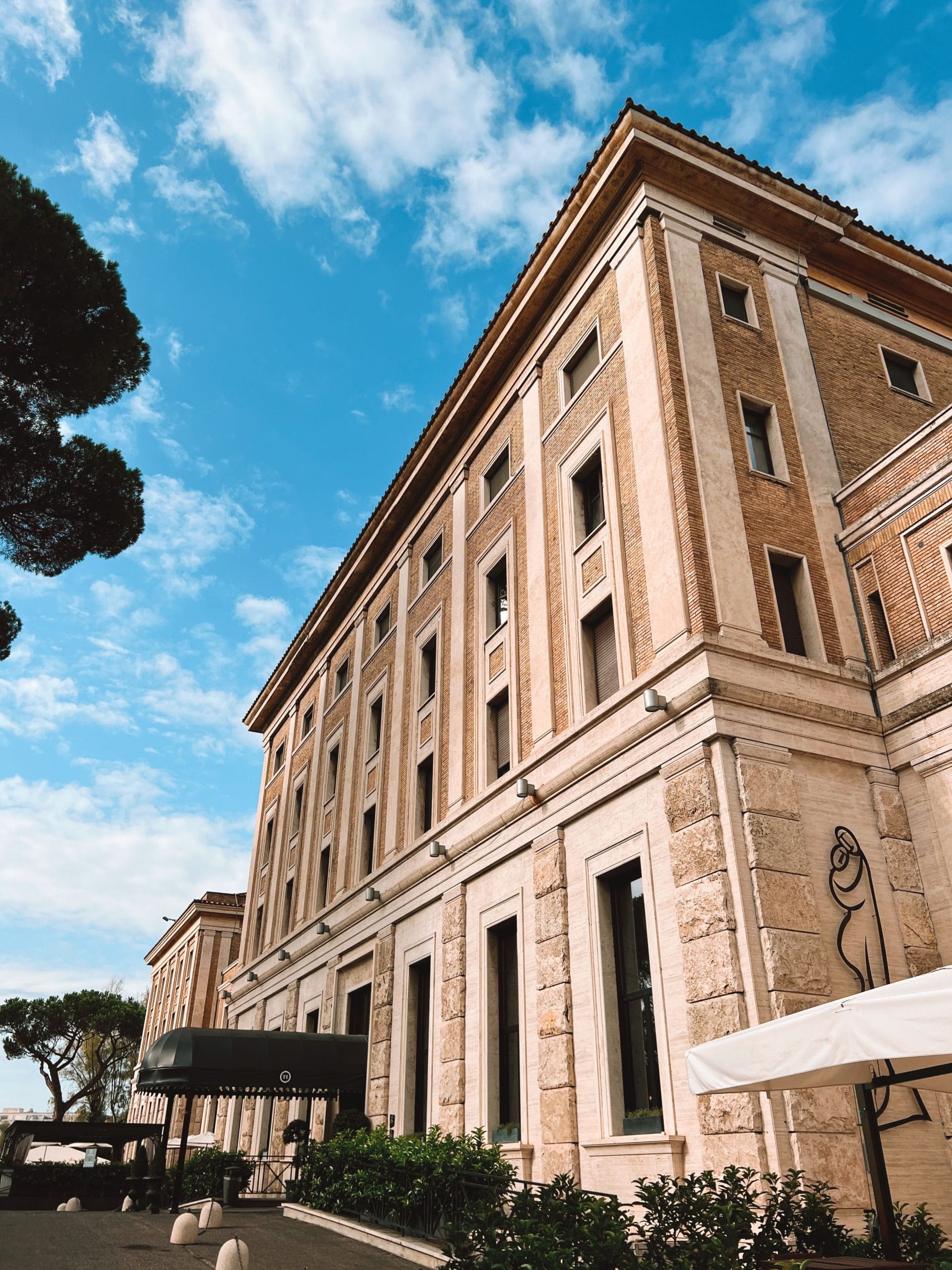
For those who prefer a more structured sense of grandeur, the areas stretching toward the Via dei Fori Imperiali offer a different appeal. Here, the hotels are often larger and more traditional, providing expansive terraces that look directly over the Forum. This choice is for the traveler who wants the visual impact of the monuments to be the constant backdrop of their stay, offering a cinematic sense of place from the moment they wake up.
Designing a Seamless Travel Flow
The secret to a refined trip to Rome is the avoidance of the midday rush. A polished itinerary begins with an early morning descent to the Colosseum, preferably through a private entrance that bypasses the general queues. This allows the traveler to experience the scale of the arena in the cool morning air, before the heat and the crowds change the energy of the site.
From there, the flow should move naturally toward the Palatine Hill and the Roman Forum. Rather than rushing through every ruin, the experienced traveler focuses on a few key vistas. The Palatine Hill offers a vantage point that is unmatched in the city, providing a panoramic view of the Forum below. Walking these paths in the early hours, when the natural light is soft and the city is still waking up, turns a historical visit into a meditative experience.
Afternoons should be reserved for the quieter, refined corners of the city. A slow walk through the galleries of Monti or a visit to a private residence open to the public provides a necessary counterpoint to the intensity of the ancient sites. By alternating high-energy monuments with low-energy cultural explorations, the travel flow remains sustainable and elegant.
Refined Experiences Worth Prioritizing
Beyond the primary monuments, the luxury of Rome lies in its hidden architectural gems. A visit to the Basilica of San Clemente offers a vertical journey through time, from a modern church down to a fourth-century basilica and further down to a first-century Roman house. This layering of history is the essence of the city and is best experienced with a private historian who can articulate the nuances of the transition.
Open-air spaces are where Rome truly breathes. The gardens of the Oppian Hill provide a secluded sanctuary with views that frame the Colosseum perfectly. Spending an hour here with a book or a sketchbook is a refined alternative to the crowded viewing platforms. It is in these quiet moments that the true spirit of the city reveals itself, away from the noise and the hustle.
Dining should be viewed as an extension of the architectural experience. Instead of the tourist menus found on the main drags, seek out the rooftop terraces that blend into the skyline. A dinner where the Colosseum is illuminated in the distance, paired with a curated tasting menu of seasonal Italian ingredients, completes the sensory loop of a luxury stay. The focus here is on quality, provenance, and the atmosphere of the setting.
Who This Roman Experience Suits Best
This specific approach to Rome is designed for the seasoned traveler who no longer feels the need to check every box on a list. It is for the individual who values the quality of the experience over the quantity of the sights. The focus on design-led luxury and refined wandering appeals to those with an appreciation for art, architecture, and the subtle markers of prestige.
It is particularly suited for couples seeking a romantic, polished getaway or solo travelers who find solace in the beauty of ancient cities. These travelers are typically looking for a route that removes the friction of travel—the long lines, the crowded buses, and the generic hotel experiences—and replaces it with a seamless, curated journey that feels personal and exclusive.
Ultimately, this is for the guest who understands that the hotel is not just a place to sleep, but a fundamental part of the destination’s narrative. By choosing a stay that reflects the beauty of the surrounding city, the traveler ensures that their time in Rome is an elevated experience from start to finish.
Practical Planning for Elevated Comfort
Timing is everything when planning a trip to the center of Rome. To maximize comfort and walkability, the shoulder seasons of May and October are unrivaled. During these months, the temperature is mild, allowing for extensive exploration on foot without the oppressive heat of July or the damp chill of January. The light during these periods is also most favorable for photography and architectural appreciation.
When organizing movement within the city, the most refined choice is a dedicated private driver for longer transfers, but within the Colosseum and Monti area, walking is the only way to truly discover the city’s texture. Proper footwear is a practical necessity, though it can be balanced with a sophisticated wardrobe that fits the editorial mood of the Roman streets.
Finally, remember that the best experiences in Rome often require advance curation. Whether it is a private after-hours tour of the Vatican or a table at a Michelin-starred rooftop, the luxury of access is what defines a polished trip. Planning these elements weeks in advance removes the stress of the unknown and allows the traveler to simply exist in the moment.
FAQ
When is the best time to book luxury stays near Colosseum Rome?
The ideal window for booking is during the shoulder seasons of spring and autumn, specifically May or October. These months provide the perfect balance of temperate weather and soft, natural light, making the city highly walkable. Booking several months in advance is recommended to secure the most design-led boutique properties in the Monti district.
How do I avoid crowds while staying in this area?
The most effective strategy is to utilize early morning access and private guided tours. By visiting the Colosseum and the Roman Forum at the earliest possible entry time, you can experience the architecture in peace. Additionally, focusing your afternoons on the quiet residential streets of Monti helps you escape the primary tourist flow.
What makes the Monti district special for refined travelers?
Monti offers a unique blend of bohemian history and modern luxury. It is characterized by its artisan workshops, independent galleries, and a sophisticated local community. For the refined traveler, it provides an authentic Roman atmosphere that is far more intimate and polished than the larger hotel districts, making it a premier choice for an elevated stay.
Staylora.com may contain affiliate links and third-party booking tools. We may earn a commission from qualifying bookings at no extra cost to you. Hotel prices, availability, policies, and travel information may change without notice. Please verify all important details directly with the booking provider before making any reservation.