Mid-Century Modern Hotels and the Mood of the Place
The light hits the concrete in a specific, muted way just before sunset, casting long, angular shadows across a whitewashed terrace. There is a profound stillness in these spaces, where the boundary between the interior sanctuary and the saltwater horizon disappears. It is here, amidst the lean silhouettes and organic textures, that one finds the enduring appeal of mid-century modern hotels.
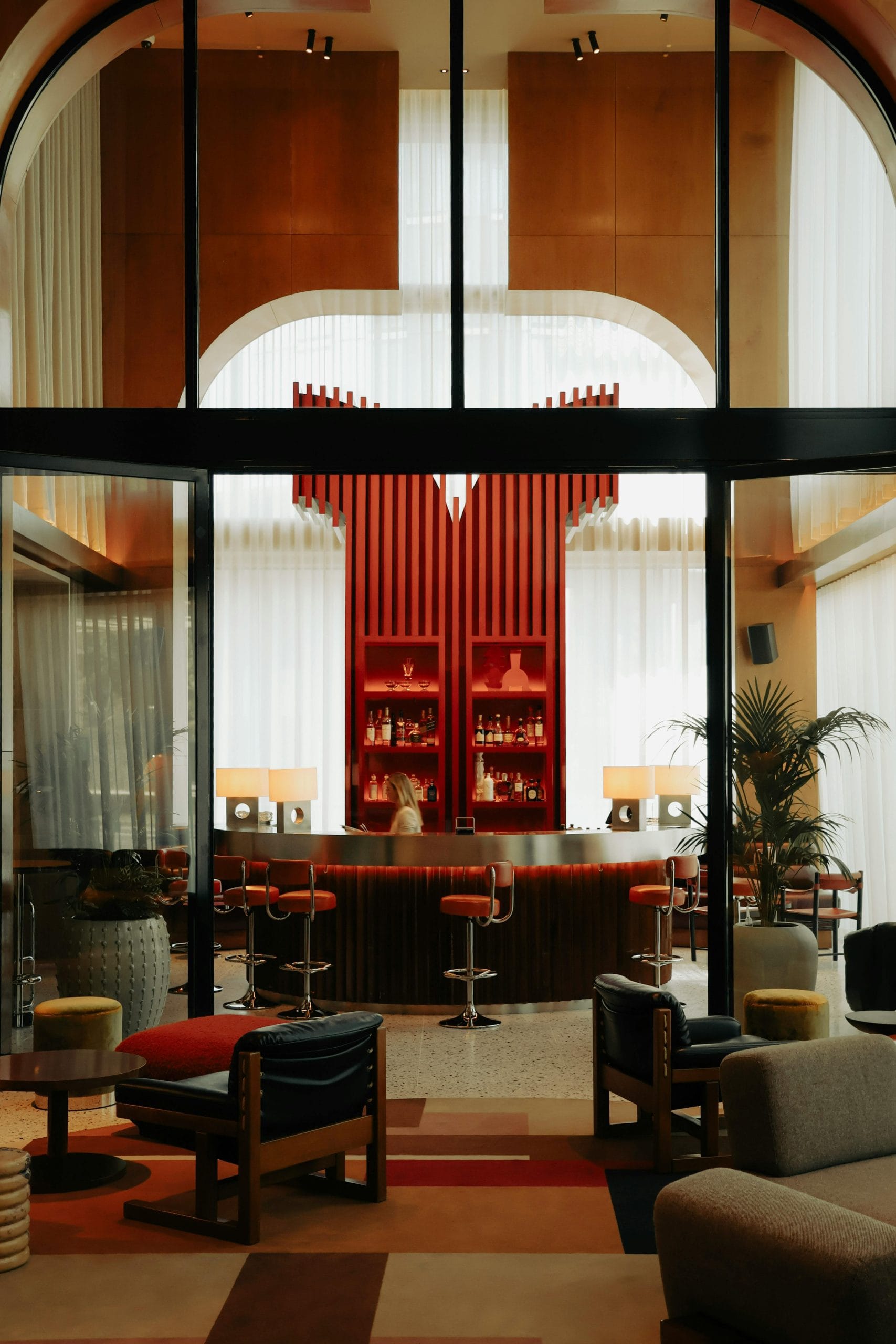
Arriving at a property rooted in this era feels less like checking into a room and more like stepping into a carefully composed painting. The architecture does not shout for attention but instead commands it through a series of deliberate, geometric choices. There is a rhythmic quality to the cantilevered roofs and the expansive floor-to-ceiling glass that invites the outside in, blending the raw energy of the coast with a disciplined, indoor grace.
For the traveler who seeks a retreat from the noise of the modern world, these spaces offer a visual silence. The mood is one of effortless poise, where every chair and every lamp feels like a piece of sculpture. It is an environment that encourages a slower pace, prompting guests to linger over a morning coffee while watching the tide recede, fully immersed in a design philosophy that prioritizes harmony and function.
The Visual Language of Heritage Luxury
True luxury in the mid-century context is not about opulence or gold leaf, but about the integrity of materials. When you enter these curated spaces, the first things you notice are the tactile surfaces. There is the warmth of polished teak, the cool touch of honed travertine, and the soft, breathable weight of heavy linen. This is a palette of neutrals—creams, ochres, and muted olives—that echoes the colors of a sun-bleached coastline.
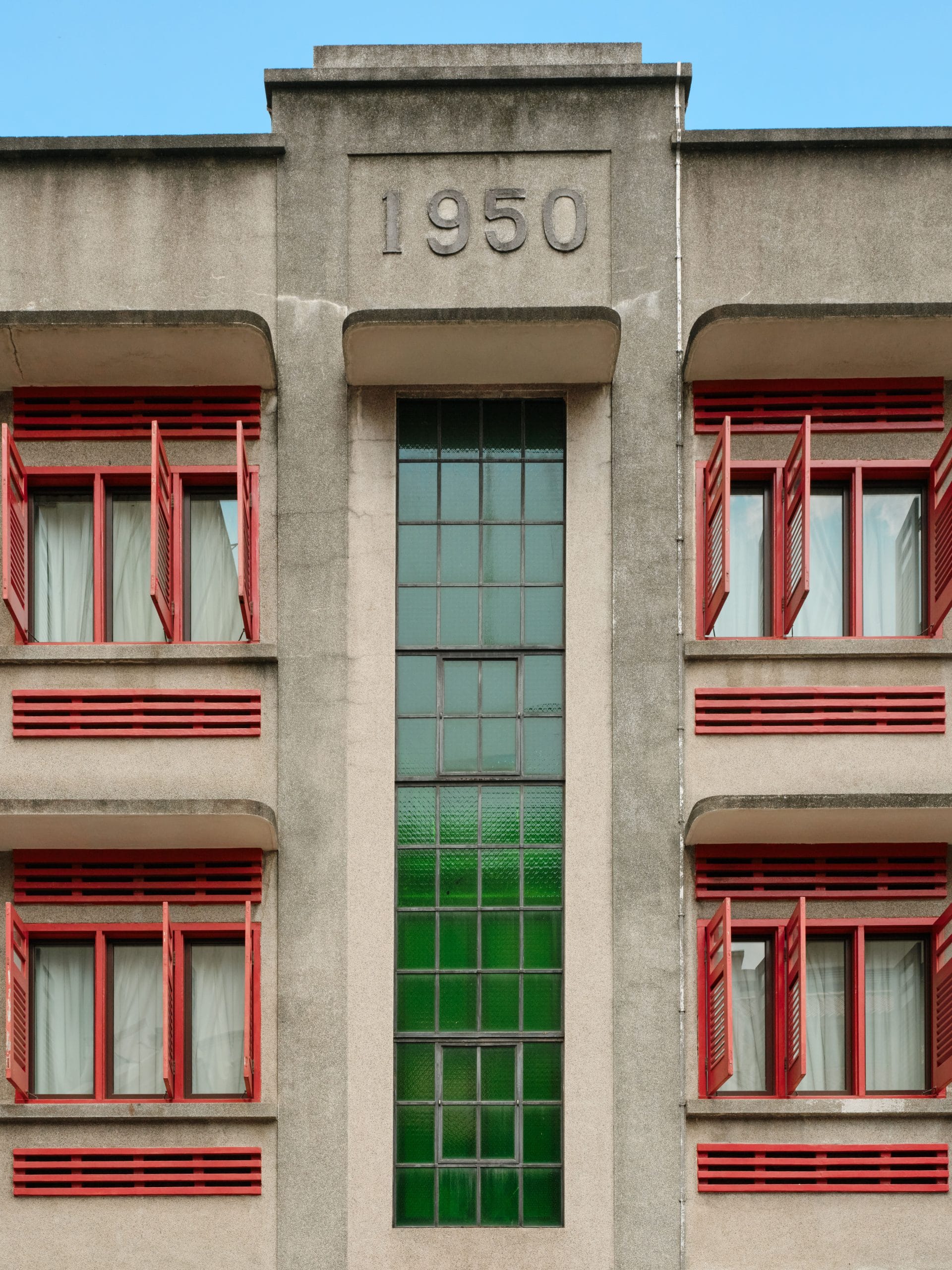
The furniture is an exercise in restraint. Low-slung sofas and iconic lounge chairs are positioned not just for utility, but to frame the view. There is a specific pleasure in the way a leather armchair ages, developing a patina that tells a story of decades of quiet afternoons. Every object in the room serves a purpose, yet contributes to an overall feeling of curated ease, avoiding the cluttered maximalism often found in contemporary high-end resorts.
This heritage luxury is rooted in the belief that a space should elevate the human experience through simplicity. The elegance comes from the precision of a joint or the curve of a walnut sideboard. By focusing on these subtle details, the atmosphere becomes one of understated confidence, providing a backdrop that allows the guest to be the focal point of their own experience.
Coastal Light and the Art of Slow Living
There is a particular magic to how natural light interacts with the open-plan layouts of these architectural marvels. In a coastal setting, the light is filtered through salt air, creating a soft, diffused glow that fills the rooms during the golden hour. The use of glass walls ensures that the movement of the sun becomes part of the interior decor, shifting the mood of the room from the bright energy of noon to the amber warmth of late afternoon.
Waking up in such a place is an act of slow deliberation. Instead of the jarring rush of a city morning, the experience is defined by the sound of distant waves and the sight of light creeping across a terrazzo floor. These hotels are designed for those who wish to wake up slowly, spending an hour simply observing the way the breeze moves the sheer curtains or the way the morning mist clings to the shoreline.
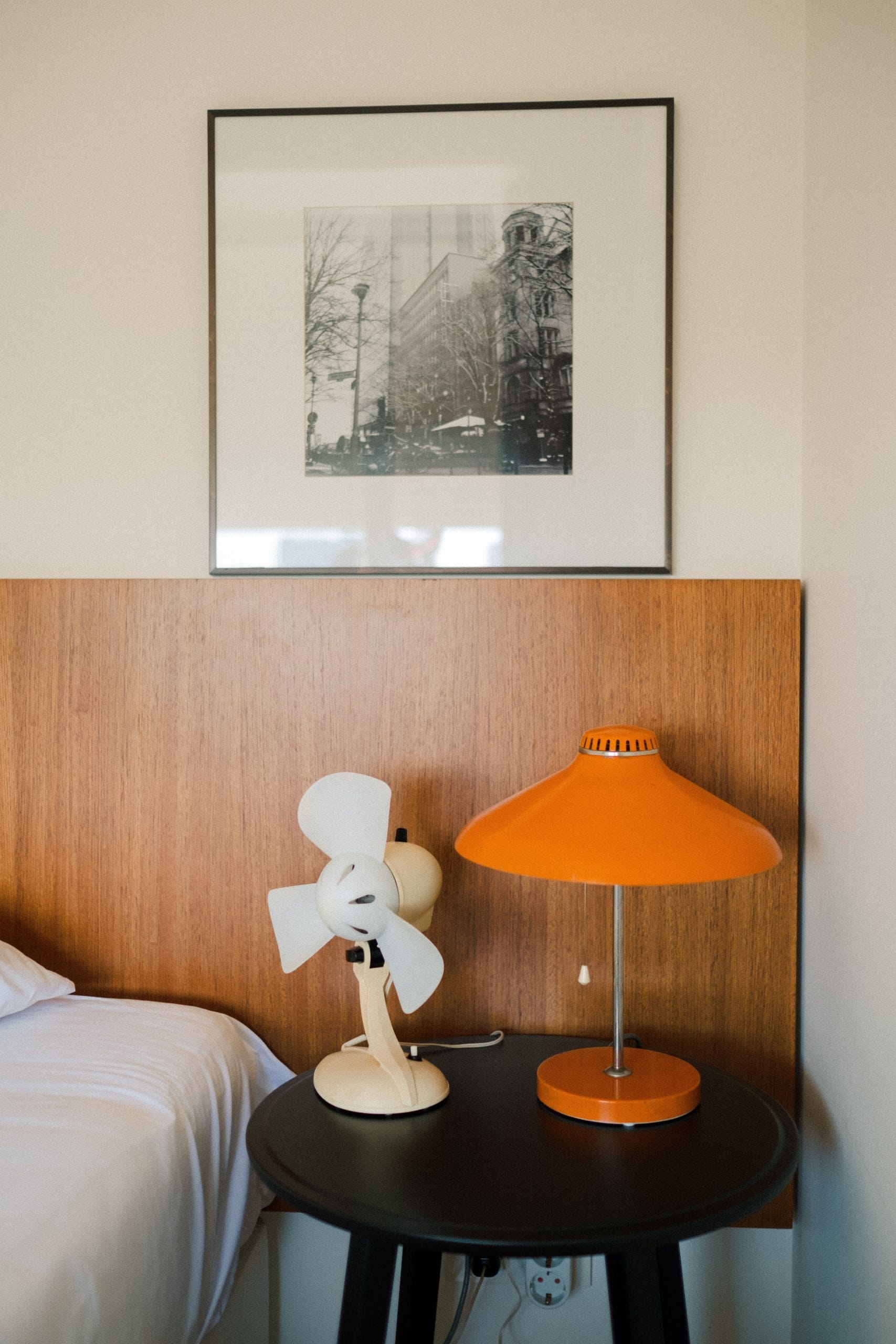
The integration of water is often central to the design. Whether it is a turquoise pool that mirrors the sky or a reflecting pond that brings a sense of Zen to the courtyard, the presence of water anchors the guest in the present moment. This fluid connection between architecture and nature fosters a meditative state, transforming a simple stay into a restorative ritual of slow living.
Curating an Atmospheric Getaway
Experiencing a destination through the lens of retro-luxury requires a shift in perspective. Rather than following a rigid itinerary of sightseeing, the focus shifts to the atmosphere itself. The goal is not to do, but to be. A day might consist of nothing more than reading a vintage paperback by the pool, the scent of jasmine and salt air hanging heavy in the breeze.
The most refined moments are often the most unplanned. It is the feeling of a cold cocktail in a heavy crystal glass as the sun dips below the horizon, or the sound of a needle dropping on a vinyl record in a dimly lit lounge. These sensory anchors create a feeling of timelessness, stripping away the urgency of the digital age and replacing it with a tangible, physical connection to the surroundings.
Exploring the local texture around these hotels often reveals a similar commitment to mid-century aesthetics. A walk along the coastline might uncover hidden villas or brutalist galleries that echo the hotel’s design language. By staying in a place that values architectural heritage, the traveler begins to see the destination not as a series of landmarks, but as a cohesive visual narrative of a specific, elegant era.
The Persona of the Boutique Traveler
These spaces speak to a specific kind of traveler—the one who finds more value in a well-placed Eames chair than in a gold-plated lobby. This persona is the curator of their own life, someone who appreciates the intersection of art, history, and comfort. They are drawn to hotels that possess a soul, preferring the character of a renovated heritage property over the sterile perfection of a corporate luxury chain.
For the boutique hotel lover, the accommodation is not merely a place to sleep, but the primary destination. They are attracted to the intellectual rigor of the design and the emotional resonance of the atmosphere. They seek out places that offer a sense of privacy and exclusivity, not through gated walls, but through a shared appreciation for refined taste and quietude.
This traveler values the intimacy of a small-scale property where the service is intuitive rather than intrusive. They appreciate the nuance of a hand-written note or a perfectly curated mini-bar that reflects the local terroir. For them, the luxury lies in the ability to disappear into a beautifully designed environment and rediscover a sense of internal balance.
The Staylora Perspective on Retro-Luxury
At Staylora, we believe that the most enduring travel experiences are those that engage the senses and the intellect simultaneously. The revival of interest in mid-century aesthetics is not merely a trend in interior design, but a longing for a time when quality was permanent and beauty was functional. Retro-luxury represents a bridge between the nostalgia of the past and the sophisticated needs of the modern traveler.
Choosing a stay centered on this aesthetic is an intentional act. It is a decision to prioritize atmosphere over amenity and story over status. When we curate our recommendations, we look for properties that have preserved their architectural integrity while evolving to meet the standards of contemporary comfort. This balance ensures that the guest can enjoy the romanticism of the fifties and sixties without sacrificing the refinements of today.
Ultimately, the allure of these stays lies in their ability to evoke a feeling of visual distinction. In a world of homogenized luxury, these hotels stand as monuments to individuality and artistic vision. They remind us that travel is most rewarding when it transports us not just to a different coordinate on a map, but to a different state of mind.
FAQ
What defines the aesthetic of mid-century modern hotels?
These hotels are characterized by clean lines, geometric shapes, and a seamless integration with nature. The design emphasizes functionality and the use of organic materials like teak, walnut, and stone. You will typically find open floor plans, expansive windows that invite natural light, and a neutral color palette that complements the surrounding environment, creating a sense of airy, understated elegance.
Which coastal destinations offer the best retro-luxury stays?
Destinations such as Palm Springs in the US, the Amalfi Coast in Italy, and parts of the Brazilian coastline are renowned for their mid-century architectural heritage. These locations often feature hotels that blend the sleek, modernist lines of the 1950s and 60s with breathtaking ocean views, offering the perfect intersection of architectural precision and breezy, coastal serenity for the discerning traveler.
How do these hotels differ from contemporary luxury resorts?
While contemporary resorts often focus on high-tech amenities and opulent scale, mid-century modern hotels prioritize tactile materials, architectural integrity, and a sense of human scale. The luxury here is quiet and heritage-based, focusing on the emotional resonance of the space and a slow pace of living rather than the sheer volume of services or the flashiness of modern luxury trends.
Staylora.com may contain affiliate links and third-party booking tools. We may earn a commission from qualifying bookings at no extra cost to you. Hotel prices, availability, policies, and travel information may change without notice. Please verify all important details directly with the booking provider before making any reservation.