Avant-Garde Architecture Hotels and the Mood of the Place
The air carries a salt-tinged breeze that whispers through narrow limestone alleys, where the scent of blooming jasmine mingles with the distant call of a harbor bell. Here, the street texture is a tapestry of weathered cobblestones and sun-bleached facades, punctuated by the soft glow of hand-painted lanterns that flicker as the afternoon light begins to fade. In these coastal enclaves, the arrival at one of the world’s most striking avant-garde architecture hotels feels less like a check-in and more like a transition into a living gallery.
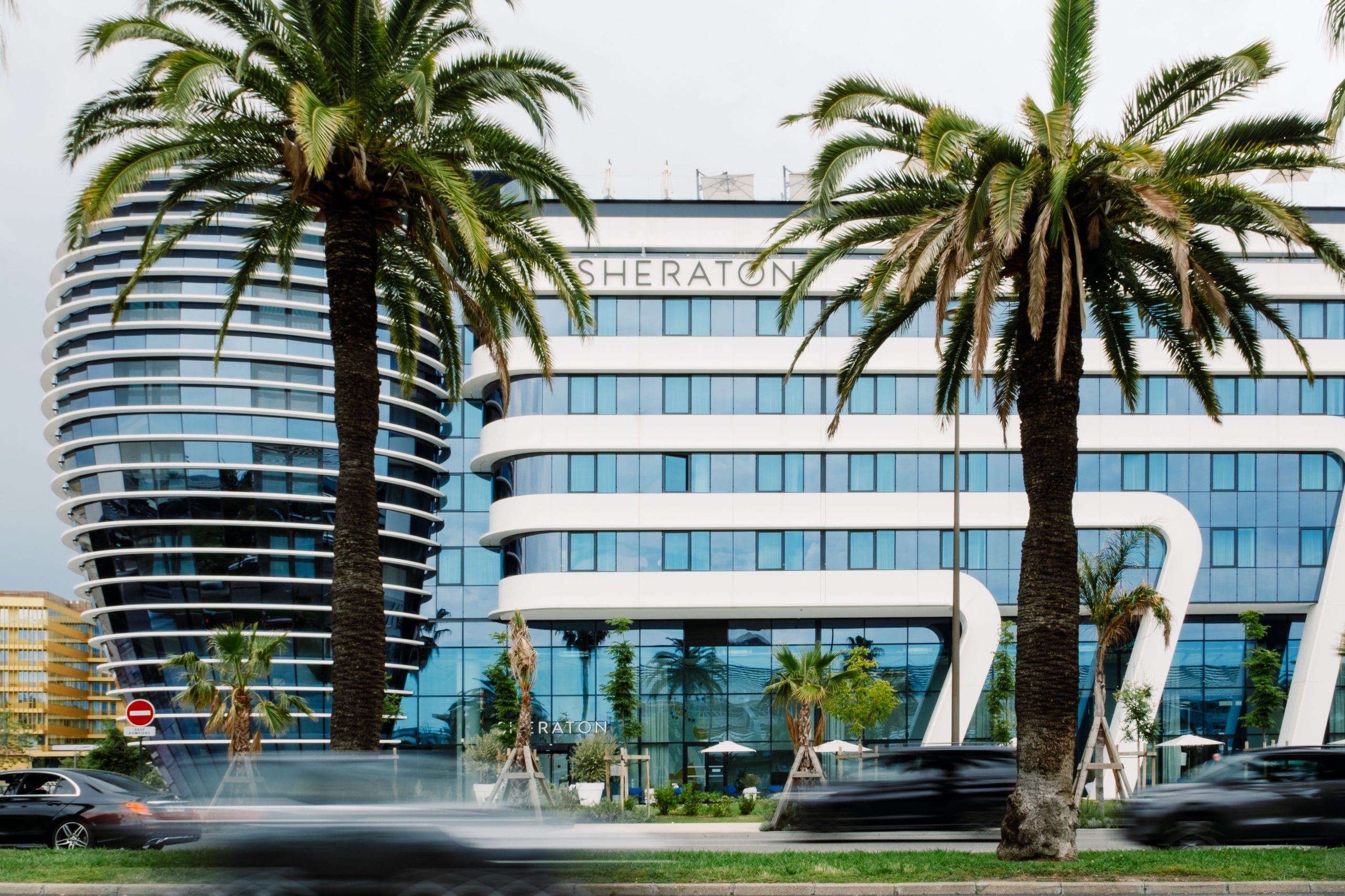
These spaces do not merely house guests; they challenge the very notion of shelter. The beauty lies in the contrast between the historic surroundings and the daring precision of modern form. A building might curve like a frozen wave or tilt at an impossible angle, yet it manages to feel grounded in its environment. There is a profound silence that permeates these halls, a curated stillness that encourages the mind to wander as freely as the eye does over the sculptural surfaces.
The experience is defined by a refined but relaxed energy. It is the pleasure of discovering a quiet courtyard where the architecture creates a natural amphitheater for the wind, or a lobby that feels like a cathedral of light. This is where the bold ambition of the architect meets the soft requirements of the soul, creating a sanctuary that is as intellectually stimulating as it is physically comforting.
Why These Sculptural Stays Feel Different
Traditional luxury often relies on the familiar—velvet curtains, gilded moldings, and a predictable sense of opulence. Avant-garde architecture hotels shift the focus from ornamentation to essence. The luxury here is found in the volume of space, the play of shadow, and the honesty of the materials used. Whether it is raw concrete polished to a mirror finish or sweeping panels of sustainable timber, the tactile quality of the environment becomes a primary part of the journey.
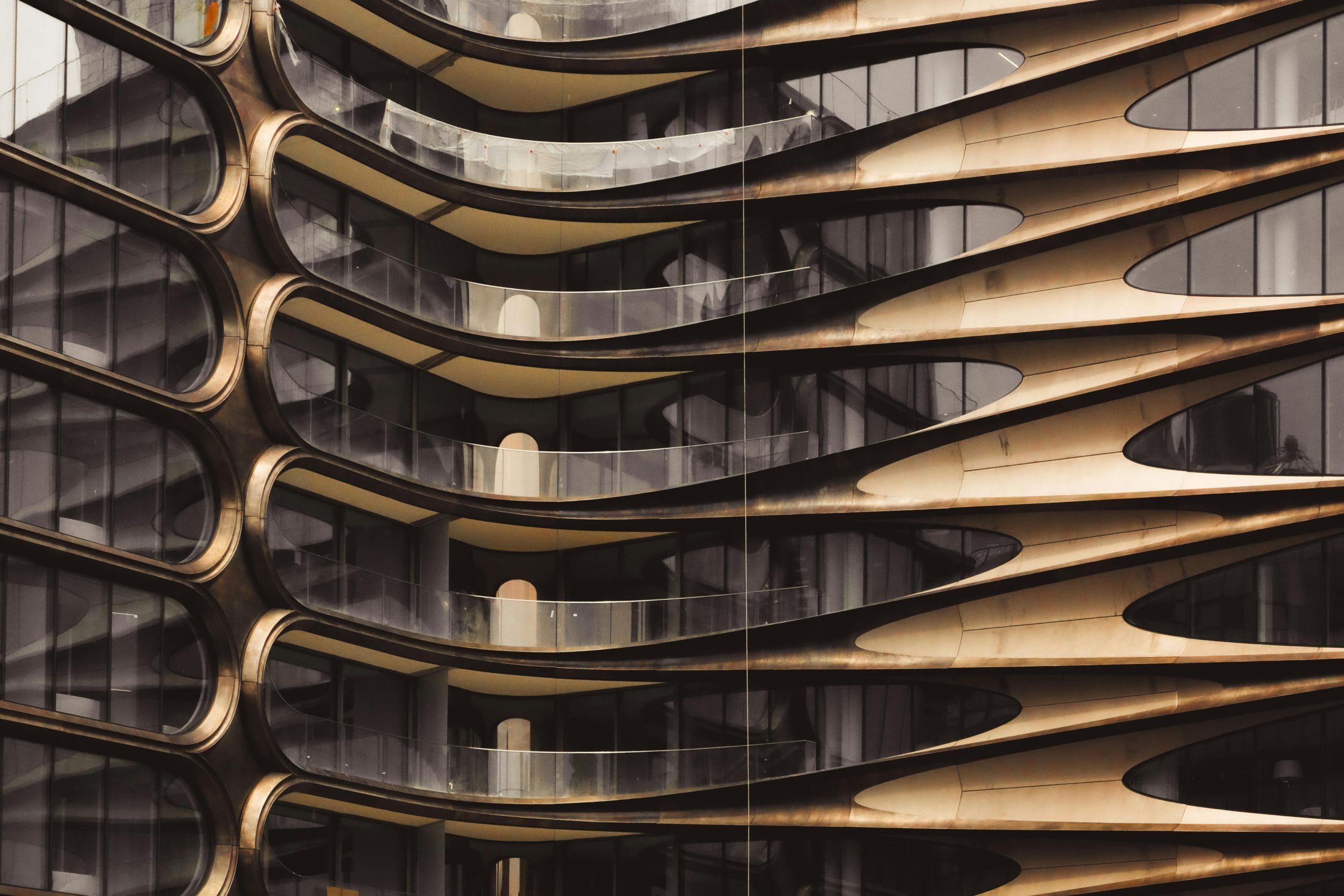
There is an emotional weight to staying in a building that dares to be different. It evokes a sense of curiosity and openness, mirroring the mindset of the traveler who seeks more than just a place to sleep. These hotels act as bridges between the known and the unknown, offering a glimpse into a future where living spaces are treated as functional art. The architecture dictates the pace of the stay, slowing the guest down through intentional pathways and unexpected vistas.
Unlike the rigid structures of corporate luxury, these sculptural sanctuaries embrace asymmetry and organic flow. The layouts often mimic the natural contours of the landscape, blending the boundary between the interior and the exterior. This creates a feeling of liberation, as if the walls themselves are breathing, allowing the guest to feel connected to the coastal horizon even while tucked away in a private suite.
Signature Textures and the Art of Slow Travel
To wander through these spaces during long sunny afternoons is to engage in a sensory dialogue. The visual language is one of sophisticated restraint, where a single, sweeping curve of a staircase can be more impactful than a room full of antiques. The light is treated as a building material in its own right, filtered through geometric skylights or reflected off deep pools of still water that mirror the shifting clouds above.
Outside the hotel walls, the local texture continues this theme of refined discovery. One might spend hours drifting through heritage markets where artisan textiles are sold under canvas awnings, or pausing to admire the intricate carvings of a centuries-old facade. The transition from the avant-garde lines of the hotel back to the organic chaos of a coastal town creates a rhythmic tension that keeps the traveler present and engaged.
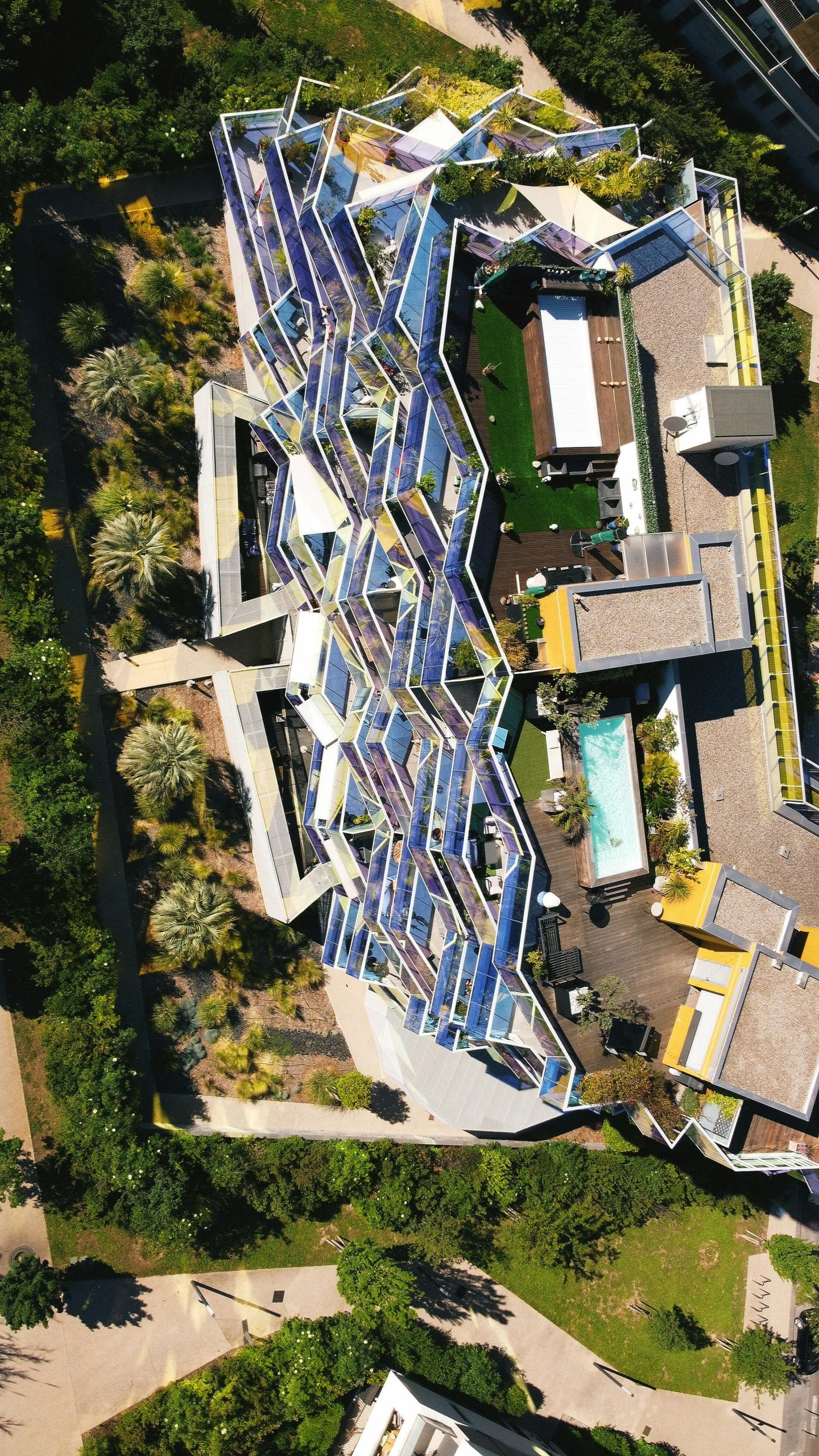
Slow travel in this context is about the luxury of time. It is the act of sitting in a minimalist lounge for three hours with a single book, watching the way the sunlight crawls across a textured concrete wall. It is the willingness to get lost in the corridors of a hotel that feels like a labyrinth, finding joy in the discovery of a hidden terrace or a recessed window seat that frames the ocean like a painting.
Refined Moments in Bold Spaces
Imagine waking up in a room where the walls curve gently around you, creating a cocoon of privacy and light. The morning begins not with a rush, but with the slow observation of the sea through a floor-to-ceiling glass aperture. In these hotels, the ritual of the morning coffee becomes an architectural experience, as the furniture is often as sculptural as the building itself, blending ergonomics with an uncompromising aesthetic vision.
As the day unfolds, the focus shifts to the refined local moments that ground the high-concept design. A stroll to a nearby bakery for a warm pastry, the sound of sandals on warm stone, and the sight of elderly locals chatting on shaded benches provide a human counterpoint to the bold geometry of the stay. These interactions are the threads that weave the avant-garde experience into the actual fabric of the destination.
Evening brings a different kind of magic. As the lanterns in the street begin to glow, the hotel transforms into a beacon of light. The interplay of artificial illumination and architectural voids creates a dramatic atmosphere, where the building seems to float above the landscape. Dining in a space that defies traditional proportions makes the meal feel like an event, turning a simple dinner into a celebration of form and flavor.
Who These Design Sanctuaries Speak To
These destinations are designed for the design-conscious traveler, the individual who views travel as a means of aesthetic and intellectual expansion. This is not a place for those seeking the predictable comforts of a chain hotel, but for those who find comfort in inspiration. It attracts the artist, the architect, the thinker, and the wanderer who appreciates the courage it takes to build something that breaks the mold.
The persona of the visitor is someone who values quality over quantity and silence over spectacle. They are drawn to the idea of a calm retreat where the environment prompts reflection. For them, the architecture is not just a backdrop but a companion in their journey, providing a sense of mental clarity and creative renewal.
This traveler seeks a heritage luxury that is not rooted in the past, but in the timelessness of great design. They appreciate the way a modern structure can honor its location by contrasting with it, highlighting the beauty of both the old and the new. The attraction lies in the ability to exist within a space that feels like a vision of tomorrow while remaining deeply connected to the soul of the place.
The Staylora Perspective on Architectural Luxury
At Staylora, we believe that where you stay should be as inspiring as the destination itself. The rise of avant-garde architecture hotels represents a shift toward a more mindful form of luxury, where the value is placed on the emotional and intellectual impact of a space. It is about the intersection of bravery and beauty, where a hotel becomes a landmark of cultural significance.
True luxury is the ability to step out of the ordinary and into a space that challenges your perception of the world. When a hotel is designed with an avant-garde spirit, it offers a retreat from the noise of modern life, providing a curated environment where every angle and every shadow has been considered. This is the essence of an elevated travel experience—one that leaves you changed, not just rested.
By choosing stays that prioritize architectural integrity and atmospheric depth, the traveler engages in a deeper form of exploration. It is an invitation to slow down, to look closer, and to appreciate the profound impact that a well-designed space can have on the human spirit. These sculptural sanctuaries are more than just hotels; they are monuments to the possibility of beauty in its most daring forms.
FAQ
What defines avant-garde architecture hotels compared to modern luxury?
While modern luxury focuses on sleekness and high-end amenities, avant-garde architecture hotels prioritize experimental forms and artistic expression. They often feature unconventional shapes, unexpected materials, and a design philosophy that challenges traditional building norms. The focus is on creating a sculptural experience where the building itself is a piece of art, providing an intellectual and emotional journey for the guest.
Which coastal destinations are best for finding sculptural hotels?
Destinations with a strong history of architectural innovation, such as the coastlines of Spain, Japan, and Scandinavia, often host these stunning properties. These regions tend to blend a deep respect for heritage luxury with a forward-thinking approach to design. Look for areas where the natural landscape is dramatic, as avant-garde structures often aim to complement or contrast the raw beauty of the cliffs and ocean.
How can a design-conscious traveler plan a trip around these hotels?
The best approach is to start with the architectural vision. Rather than picking a city first, identify a hotel that resonates with your aesthetic preferences and let that be the anchor of your trip. Focus on destinations that offer a mix of bold modernism and traditional street textures, allowing you to balance the high-energy inspiration of the hotel with the slow, unhurried pace of local exploration.
Staylora.com may contain affiliate links and third-party booking tools. We may earn a commission from qualifying bookings at no extra cost to you. Hotel prices, availability, policies, and travel information may change without notice. Please verify all important details directly with the booking provider before making any reservation.