Scenic Luxury Hotels Cape Town at a Glance
The first encounter with Cape Town is often a visual symphony of contrasts. As you descend toward the coast, the sheer scale of Table Mountain anchors the horizon, while the deep turquoise of the Atlantic Ocean wraps around the peninsula in a dramatic embrace. There is a palpable energy here, a blend of raw natural power and a sophisticated urban pulse that invites a slower, more intentional pace of exploration.
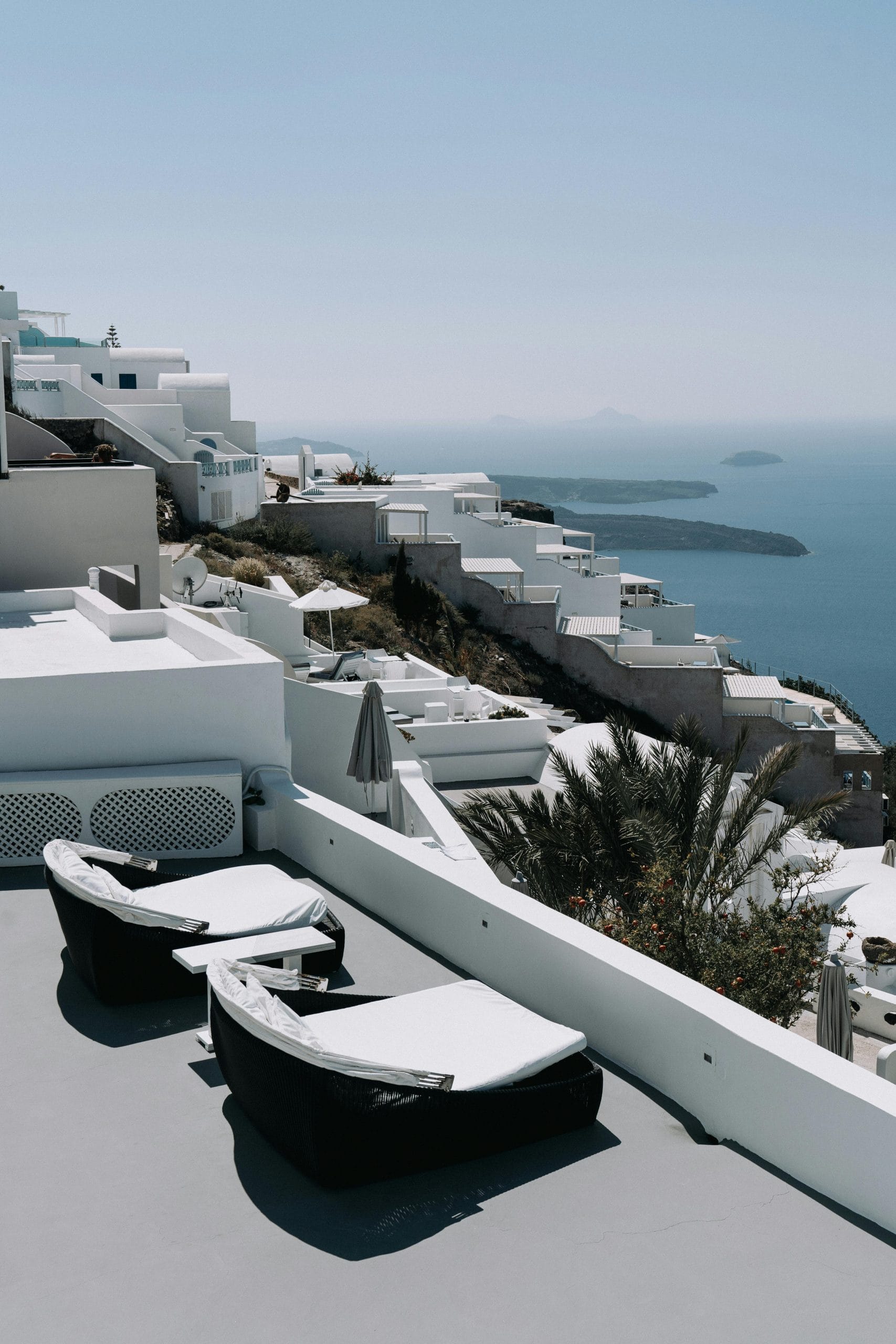
For the traveler who seeks a polished sanctuary, finding the right base is essential to unlocking the city’s rhythm. The search for scenic luxury hotels Cape Town provides often leads to a choice between the dramatic cliffside vistas of the Atlantic Seaboard and the historic, elevated perspectives of the City Bowl. Each area offers a distinct version of luxury, from boutique estates that feel like private residences to architectural marvels that blur the line between indoor comfort and the wild outdoors.
The true allure of a premium stay in this city lies in the ability to wake up to a panoramic view that reminds you where you are. Whether it is the sight of the Twelve Apostles mountains dipping into the sea or the twinkling lights of the city nestled against the slopes, the environment becomes an integral part of the travel experience. This is not merely about accommodation but about positioning yourself within the landscape to fully absorb the destination’s atmospheric charm.
Choosing the Right Neighborhood for Your Stay
Selecting a location in Cape Town requires an understanding of how the city is geographically divided. The Atlantic Seaboard is perhaps the most coveted area for those prioritizing aesthetics and ocean air. Here, the luxury is airy and light, characterized by wide terraces and floor-to-ceiling glass. Bantry Bay and Clifton offer a more secluded, residential feel, while Camps Bay provides a vibrant energy where the white sand meets a row of sophisticated cafes and galleries.

If your interests lean more toward heritage and urban culture, the City Bowl provides a different kind of prestige. Staying in this central hub allows for a seamless transition from a morning gallery visit to a refined lunch in a colonial-era courtyard. The luxury here is often found in converted historic buildings that maintain their architectural soul while offering modern, high-end amenities. It is the ideal choice for travelers who prefer to be within walking distance of the city’s creative heart.
For those seeking a complete departure from the urban rush, the Constantia Valley offers a sanctuary of greenery and grapes. This region is the cradle of South African wine, and the stays here are often set within sprawling estates. The luxury is understated and grounded in nature, focusing on garden vistas, vineyard walks, and a quietude that is rare in the city center. It is a perfect choice for a few days of decompression before returning to the bustle of the coast.
Designing Your Daily Travel Flow
A refined visit to Cape Town is best experienced by following the natural movement of the light and the wind. The city is famous for its unpredictable weather, particularly the South Easter wind, which means flexibility is the ultimate luxury. A typical polished day begins early, capitalizing on the calm mornings to visit the higher elevations of the city before the afternoon haze sets in.
Morning hours are best spent in nature or at the city’s most iconic vistas. A quiet walk through the Kirstenbosch National Botanical Gardens or a ride up Table Mountain allows you to appreciate the scale of the landscape without the mid-day crowds. The flow of the day should transition from the heights of the mountains down toward the coast, allowing the afternoon to unfold in the softer light of the Atlantic Seaboard.
As the day winds down, the focus shifts to the city’s gastronomic and artistic offerings. The late afternoon is the ideal time for a visit to a contemporary art gallery or a stroll through the V&A Waterfront, avoiding the peak tourist hours. Evenings in Cape Town are an exercise in elegance, with a dining scene that emphasizes local produce and innovative design. The transition from a sunset cocktail on a private balcony to a curated dinner at a renowned bistro creates a rhythmic, stress-free experience.
Refined Experiences Worth Prioritizing
Beyond the typical tourist checkpoints, Cape Town offers deep cultural layers for the experienced traveler. The Zeitz MOCAA is a masterclass in adaptive reuse architecture, where a historic grain silo has been transformed into a cathedral of contemporary African art. Wandering through its cavernous spaces provides a sense of the continent’s creative trajectory and is an essential stop for those who appreciate design.
For a more grounded experience, exploring the architecture of the Bo-Kaap neighborhood offers a sensory journey through color and history. While it is a popular spot, the key to a refined visit is to engage with the local craftspeople and understand the Cape Malay heritage that defines the area. This is best done through a slow walk rather than a rushed tour, noticing the intricate details of the homes and the scent of spices in the air.
A visit to the Cape Winelands, specifically the estates within the city’s reach, provides a lesson in landscape design and viticulture. Choosing a tasting experience that focuses on the terroir and the history of the estate, rather than just the wine, elevates the outing. The intersection of manicured gardens and rugged mountains creates a backdrop that is as stimulating as the tasting itself, offering a moment of stillness and reflection.
Who This Sophisticated Route Suits Best
This approach to visiting Cape Town is tailored for the traveler who has moved beyond the checklist style of tourism. It is for those who value the quality of their surroundings and the ease of their movement over the quantity of sights seen. The preference here is for boutique luxury—spaces that feel curated and personal rather than corporate and generic.
The polished route appeals to those who find joy in the details, such as the texture of a linen sheet, the provenance of a locally sourced ingredient, or the specific angle of a mountain view from a bedroom window. It suits the couple on a romantic retreat, the solo traveler seeking intellectual stimulation, or the design enthusiast who views the city as a living gallery.
Essentially, this guide is for the visitor who wants to turn their interest in South Africa into a workable, elegant plan. It is for the traveler who understands that the most memorable parts of a trip are often the unplanned moments of beauty—a sudden clearing of the clouds over the peak or a conversation with a local artist—and who chooses a base and a pace that allows those moments to happen.
Practical Planning and Local Insights
Navigating Cape Town with comfort requires a few strategic choices. While the city is walkable in small pockets, utilizing premium ride-sharing services like Uber Black ensures a seamless and safe transition between different neighborhoods. This is particularly important when moving from the City Bowl to the Atlantic Seaboard, as the geography can be deceptive and traffic patterns vary significantly by time of day.
Timing is everything in the Western Cape. The summer months bring the most sunshine but also the strongest winds. For those who prefer a milder climate and a quieter atmosphere, the shoulder seasons of autumn and spring offer a more temperate experience. During these times, the landscapes are often more lush, and the most sought-after tables at top restaurants are easier to secure.
Finally, embracing the local rhythm means accepting that the city moves with the elements. When the mountain is clear, you go up; when the wind is high, you retreat to the galleries or the vineyards. By aligning your expectations with the natural environment, the trip becomes a relaxing journey rather than a logistical battle, allowing the luxury of the destination to truly shine through.
FAQ
When is the best time to visit Cape Town?
The ideal time to visit is during the shoulder seasons of March to May or September to November. These periods offer a perfect balance of pleasant temperatures and fewer crowds. While the summer is vibrant, the autumn and spring months provide a more relaxed atmosphere and breathtaking natural colors across the peninsula and the surrounding vineyards.
Which area offers the most scenic luxury hotels Cape Town has?
The Atlantic Seaboard, particularly Bantry Bay and Camps Bay, is widely considered the most scenic. This area provides an unmatched combination of white sandy beaches, turquoise waters, and the dramatic backdrop of the Twelve Apostles mountains. For those who prefer mountain vistas and urban energy, the City Bowl is an equally sophisticated alternative.
How should one navigate the city for a refined experience?
To maintain a polished and stress-free pace, using premium private transport or ride-sharing services is highly recommended. This allows you to move between the city center and the coastal retreats without the hassle of parking or navigation. Planning your days around the weather—visiting the peaks when clear and the museums when windy—is the best way to enjoy the city.
Staylora.com may contain affiliate links and third-party booking tools. We may earn a commission from qualifying bookings at no extra cost to you. Hotel prices, availability, policies, and travel information may change without notice. Please verify all important details directly with the booking provider before making any reservation.