The Golden Hour of Heritage
There is a specific moment, just as the sun begins its slow descent, when the limestone walls of an ancient estate seem to glow from within. The light turns amber, casting long, soft shadows across polished marble floors and illuminating the fine dust motes dancing in the air of a vaulted gallery. In these quiet intervals, the true spirit of restored palace hotels reveals itself, not as a museum of the past, but as a living, breathing sanctuary for the modern traveler.
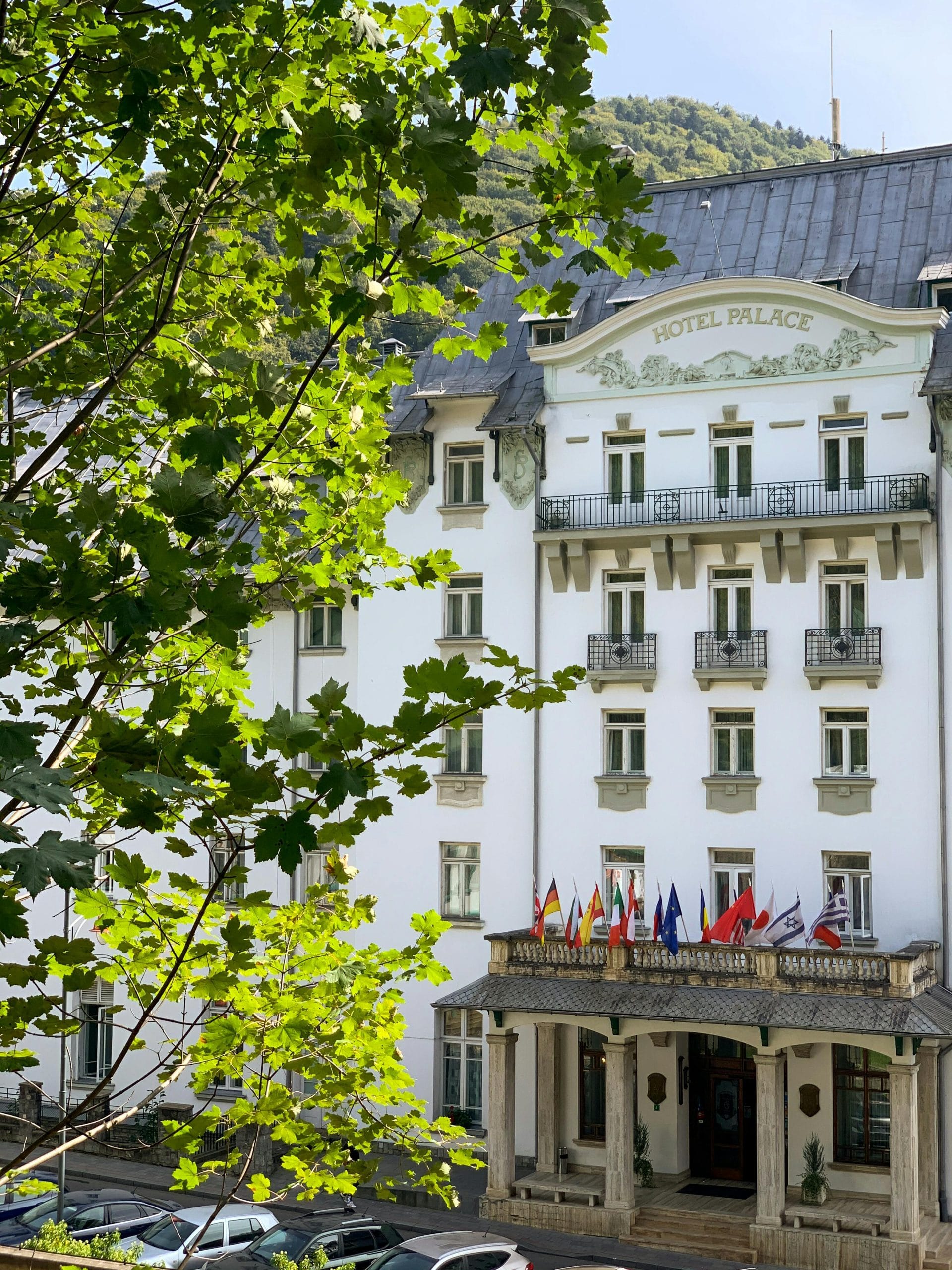
To step across the threshold of such a place is to enter a different temporal rhythm. The frantic pace of contemporary life dissolves, replaced by the steady, grounding presence of architecture that has witnessed centuries of human story. Here, luxury is not defined by the loudness of opulence, but by the quiet confidence of space, the weight of a heavy velvet curtain, and the profound silence that only thick stone walls can provide.
This is the essence of a refined escape. It is the feeling of a cool breeze drifting through a cloistered courtyard while the rest of the city hums in the distance. It is the discovery of a hand-painted fresco tucked away in a private alcove, whispering secrets of a forgotten dynasty. For those who seek more than just a place to sleep, these estates offer a curated immersion into a world where beauty is the primary currency.
Restored Palace Hotels and the Mood of the Place
The magic of restored palace hotels lies in the delicate balance between preservation and evolution. A truly successful restoration does not attempt to erase the patina of age; instead, it celebrates the wear on a mahogany banister or the slight irregularity of a hand-laid tile. It is this honest intersection of history and modernity that creates a mood of relaxed refinement.
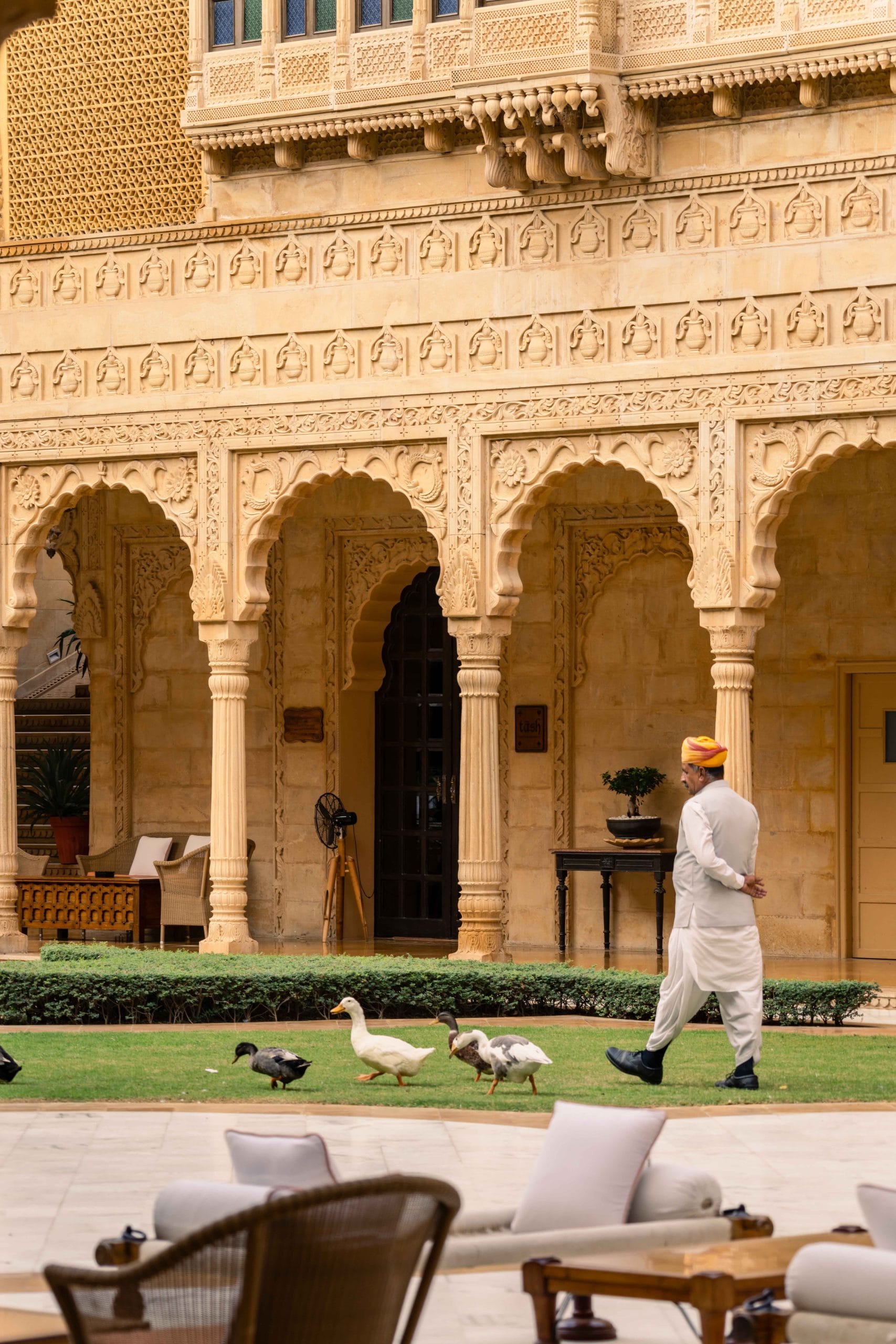
The atmosphere is often characterized by a sense of breathable grandeur. Unlike the sterile perfection of many contemporary luxury resorts, a restored palace possesses a soul. There is a tactile quality to the experience—the coolness of silk sheets against the skin, the scent of beeswax and old books in the library, and the distant sound of a fountain echoing through a courtyard.
During the shoulder season, when the crowds have thinned and the air grows crisp, these hotels become true retreats. The quietness allows the guest to occupy the space fully, turning a simple walk through the corridors into a meditative journey. The architecture itself becomes a companion, guiding the traveler toward moments of reflection and stillness.
The Allure of Slow Luxury Travel
Slow luxury is less about the destination and more about the quality of the time spent within it. In the context of a palace stay, this manifests as a gentle morning-to-evening rhythm. It begins with a breakfast served on a terrace overlooking manicured gardens, where the only urgency is the slow sipping of a perfectly brewed coffee as the dew evaporates from the lawns.
This philosophy of travel encourages a surrender to the environment. Rather than checking off a list of sights, the guest is invited to linger. A whole afternoon might be spent in a sun-drenched reading nook, or an hour lost in the observation of how the light shifts across a baroque ceiling. This is the luxury of time—the rarest commodity of the modern age.
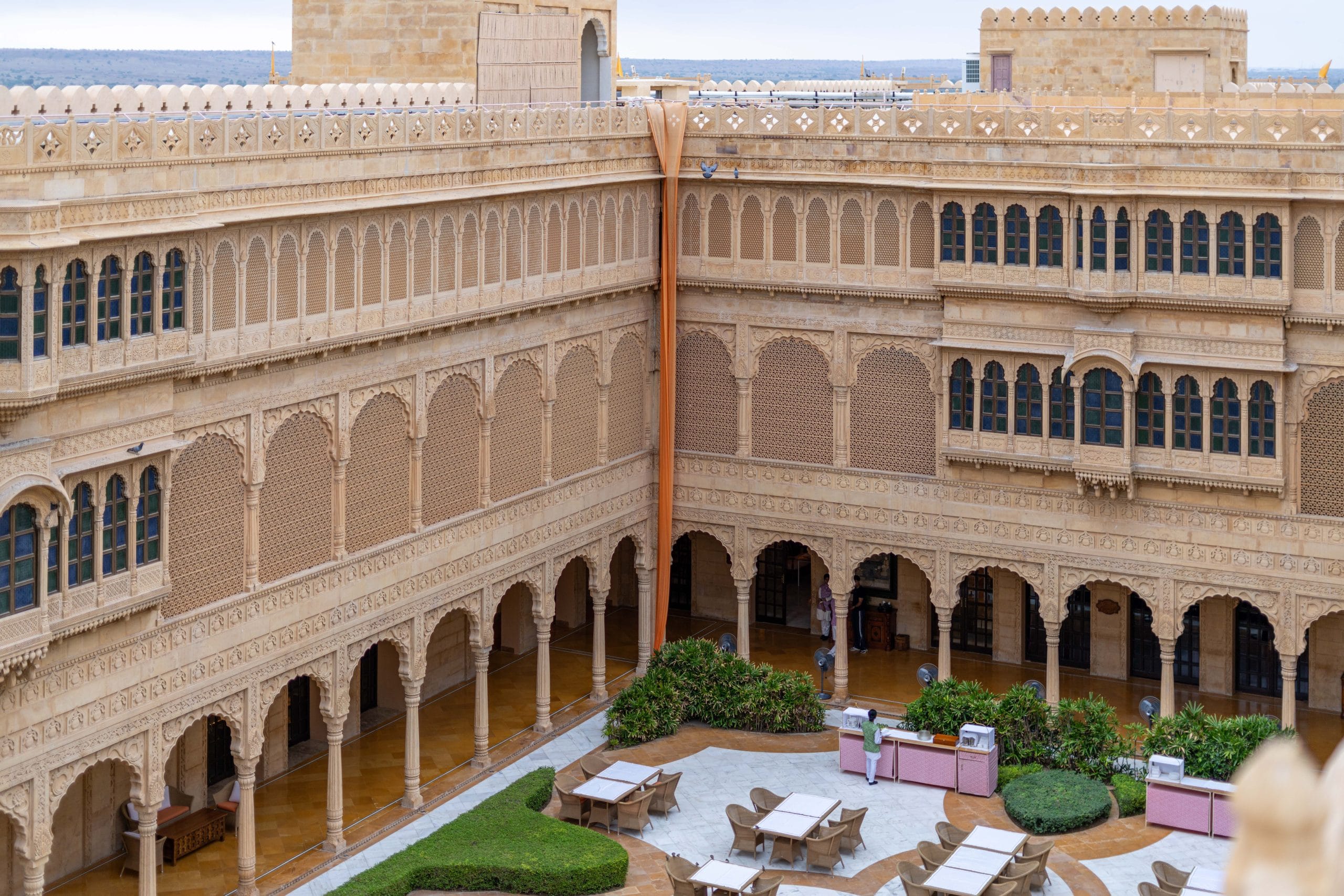
When the pace of travel slows, the details become more vivid. The way a heavy brass key turns in a lock, the precise fold of a linen napkin, and the subtle fragrance of local blooms in the foyer all take on greater significance. The experience becomes an exercise in mindfulness, where the act of simply being is the ultimate goal.
Architectural Heritage and Boutique Details
Visually, these estates are a masterclass in proportion and line. The grandeur is found in the scale—the soaring heights of the salons and the sweeping curves of the staircases—but the emotional connection is forged in the boutique details. It is the juxtaposition of a minimalist modern chair against a backdrop of 18th-century boiserie that creates a sophisticated visual tension.
Public spaces in these hotels are designed as stages for quiet observation. A dimly lit lounge with deep leather armchairs invites hushed conversations and long gazes into a crackling fireplace. The transition from the vastness of the grand hall to the intimacy of a private suite mirrors the internal journey of the traveler, moving from a sense of awe to a feeling of absolute belonging.
Texture plays a pivotal role in this aesthetic. The roughness of exposed stone, the smoothness of polished brass, and the softness of cashmere throws create a sensory tapestry that feels grounded yet elevated. These elements work together to ensure that while the setting is royal, the feeling is intimate and welcoming.
The Art of Elegant Dining and Local Texture
Dining within a restored palace is an extension of the architectural experience. The mood is often one of theatrical elegance, where the setting elevates the meal into a ritual. Imagine a dinner served in a vaulted dining room, where the flicker of candlelight reflects off crystal glassware and the acoustics carry the soft murmur of other guests like a distant melody.
The culinary focus usually leans toward a refined interpretation of local culture. There is a deep respect for the provenance of ingredients—fresh herbs from the hotel’s own kitchen garden, artisanal cheeses from a nearby village, and wines that reflect the terroir of the surrounding valley. The food is an expression of the land, presented with a precision that matches the surroundings.
Even a simple afternoon tea becomes an event of soft luxury. The clink of porcelain and the sight of delicate pastries arranged on a silver tiered stand evoke a timeless grace. It is a moment to pause, to observe the garden’s colors, and to appreciate the slow art of hospitality that has been perfected over generations.
A Sanctuary for the Boutique Hotel Lover
This style of travel speaks to a specific persona: the seeker of atmosphere. These are travelers who are less interested in standardized luxury and more captivated by a sense of place. They value the story behind the wall, the history of the room, and the feeling that their stay is a continuation of a long, elegant narrative.
For couples, these hotels provide a backdrop for romantic moments that feel cinematic. A midnight stroll through a moonlit gallery or a shared bottle of champagne on a private balcony overlooking a valley creates memories anchored in texture and light. The intimacy is amplified by the surrounding grandeur, making the personal connection feel even more precious.
The appeal lies in the feeling of being a guest in a private home rather than a customer in a commercial establishment. The service is intuitive and discreet, anticipating needs without intruding on the silence. It is a retreat for those who wish to disappear from the world for a while, enveloped in a cocoon of beauty and history.
The Staylora Perspective on Timeless Stays
At Staylora, we view the choice of accommodation as a primary element of the journey itself. A stay in a restored estate is not merely a logistical decision but an emotional investment. It is about choosing a space that inspires a certain version of oneself—a version that is more patient, more observant, and more attuned to the nuances of beauty.
The lasting memory of such a trip is rarely a specific activity, but rather a collection of atmospheric fragments. It is the memory of the way the morning light hit the velvet upholstery, the smell of rain on ancient cobblestones, and the feeling of absolute peace found in a hidden courtyard. These are the textures of a life well-traveled.
By choosing to stay in places that honor their past while embracing the present, travelers connect with a timeless form of elegance. It is a reminder that true luxury is not about the new or the flashy, but about the enduring, the authentic, and the exquisitely preserved.
FAQ
When is the best time to visit restored palace hotels?
The most evocative time to visit is during the shoulder seasons, such as late spring or early autumn. During these periods, the weather is mild and the crowds are minimal, allowing you to experience the quietude and atmospheric stillness of the estate. The gardens are often at their most poetic, and the indoor spaces feel more intimate and sanctuary-like.
What distinguishes a restored palace from a standard luxury hotel?
The primary difference lies in the soul and narrative of the property. While standard luxury hotels focus on consistent, modern perfection, restored palace hotels offer a unique architectural history and a sense of place. They prioritize the preservation of original details and a slower, more intuitive pace of service that feels like a private residence rather than a corporate entity.
How do these stays support a slow travel philosophy?
These properties are designed for lingering. With their expansive public spaces, serene gardens, and historical depth, they encourage guests to spend more time within the hotel grounds rather than rushing through a tourist itinerary. The environment naturally promotes a gentle rhythm, focusing on the quality of the experience and the emotional connection to the surroundings.
Staylora.com may contain affiliate links and third-party booking tools. We may earn a commission from qualifying bookings at no extra cost to you. Hotel prices, availability, policies, and travel information may change without notice. Please verify all important details directly with the booking provider before making any reservation.