The Art of the Urban Escape
Chicago is not merely a city of skyscrapers, but a living museum of urban evolution where every corner tells a story of resilience and ambition. To visit without a plan is to risk a generic experience, missing the subtle dialogue between the historic masonry of the early twentieth century and the daring transparency of modern glass. The city demands a thoughtful approach to planning, particularly for those who view their accommodation as an extension of the destination itself.
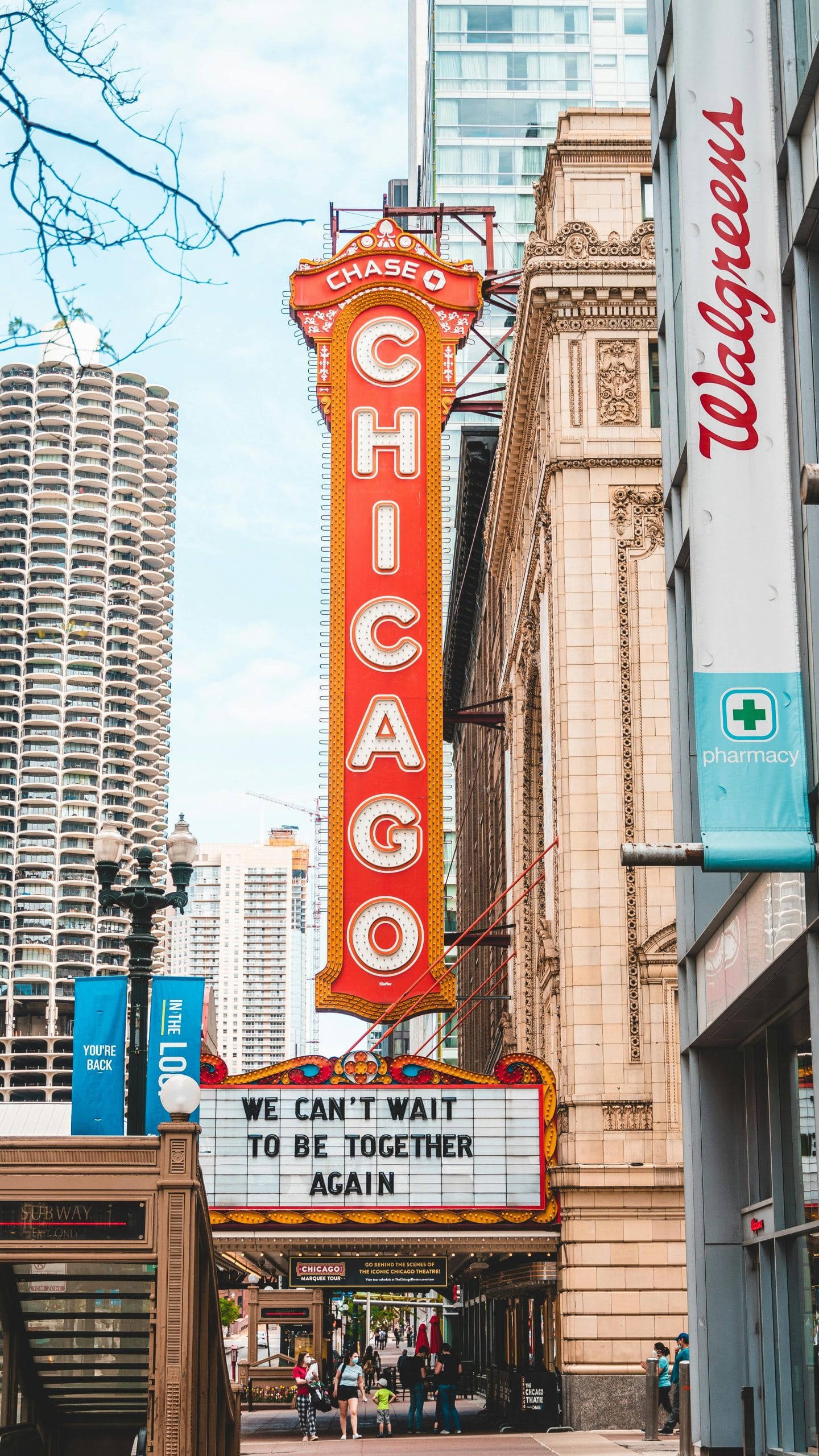
For the design-conscious traveler, selecting from the available Chicago luxury architectural hotels is the first and most important decision of the journey. The right stay does more than provide comfort; it offers a curated lens through which to view the city. Whether it is a suite that celebrates the bold lines of the International Style or a boutique retreat nestled in a restored Gold Coast mansion, the environment shapes the rhythm of the visit.
A long weekend in this metropolis should feel like a curated exhibition. By balancing the high-energy pulse of the downtown core with the serene openness of the lakefront, travelers can avoid the exhaustion often associated with major city breaks. The goal is to move through the city with intention, prioritizing quality of experience over a checklist of tourist landmarks.
Chicago Luxury Architectural Hotels at a Glance
The luxury lodging landscape in Chicago is defined by a tension between opulence and intellect. While many cities offer gold-leafed grandeur, Chicago’s most refined stays often lean toward a more cerebral luxury, where the beauty lies in the proportions, the light, and the heritage of the building.
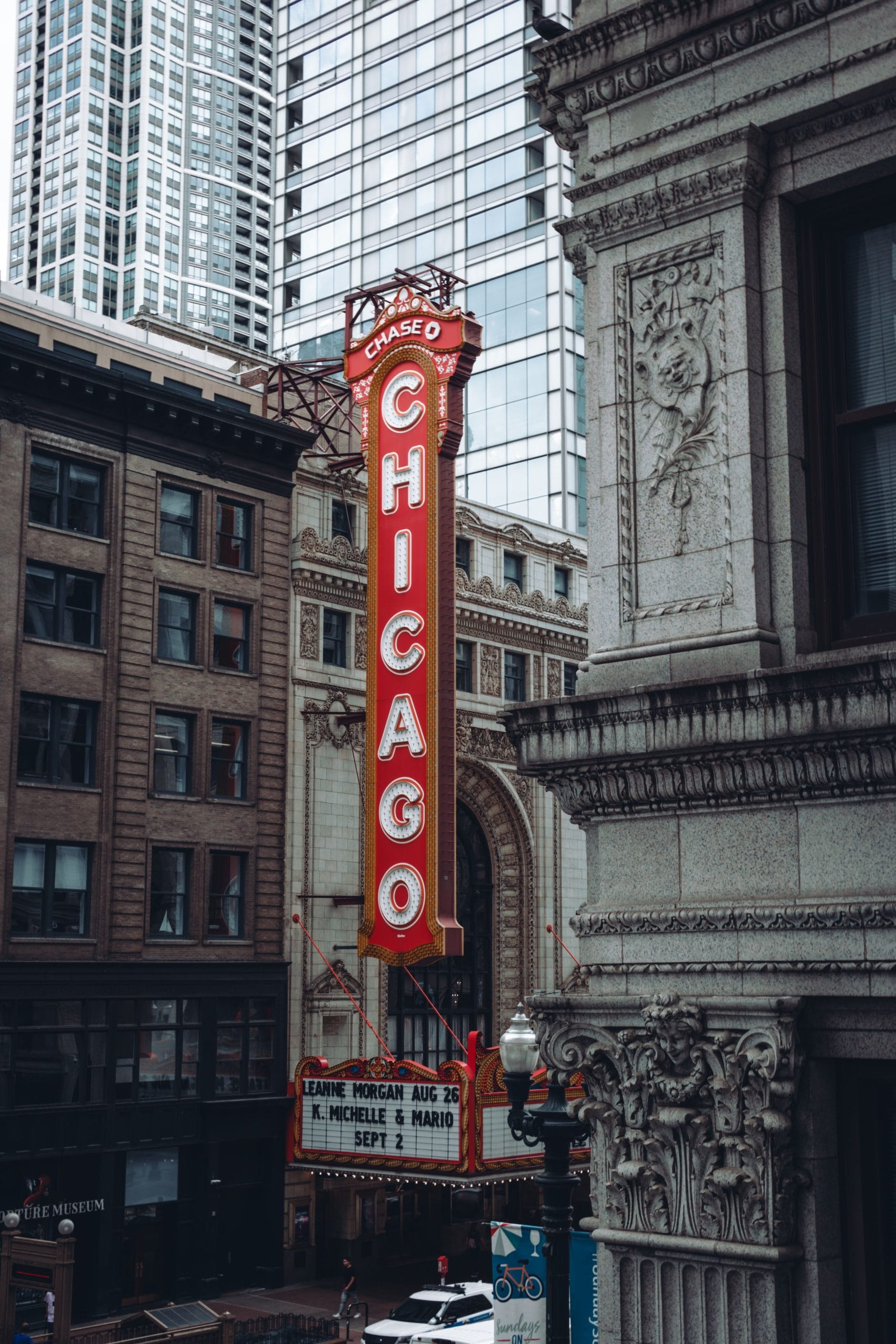
Boutique luxury in this city often manifests as a blend of historic preservation and avant-garde interior design. Many of the most sought-after properties are housed in structures that were once the tallest in the world or the center of financial power, now repurposed into sanctuaries of quiet sophistication. These hotels prioritize natural light and expansive views, allowing the city’s grid to become a backdrop for a relaxed interior experience.
When evaluating these stays, the focus should be on the architectural narrative. Some properties emphasize the heavy, ornate details of the Beaux-Arts tradition, while others embrace the minimalist, airy feel of contemporary luxury. The most successful stays are those that harmonize with their surroundings, providing a seamless transition from the street-level energy to the sanctuary of the suite.
Where to Stay and How to Choose the Right Area
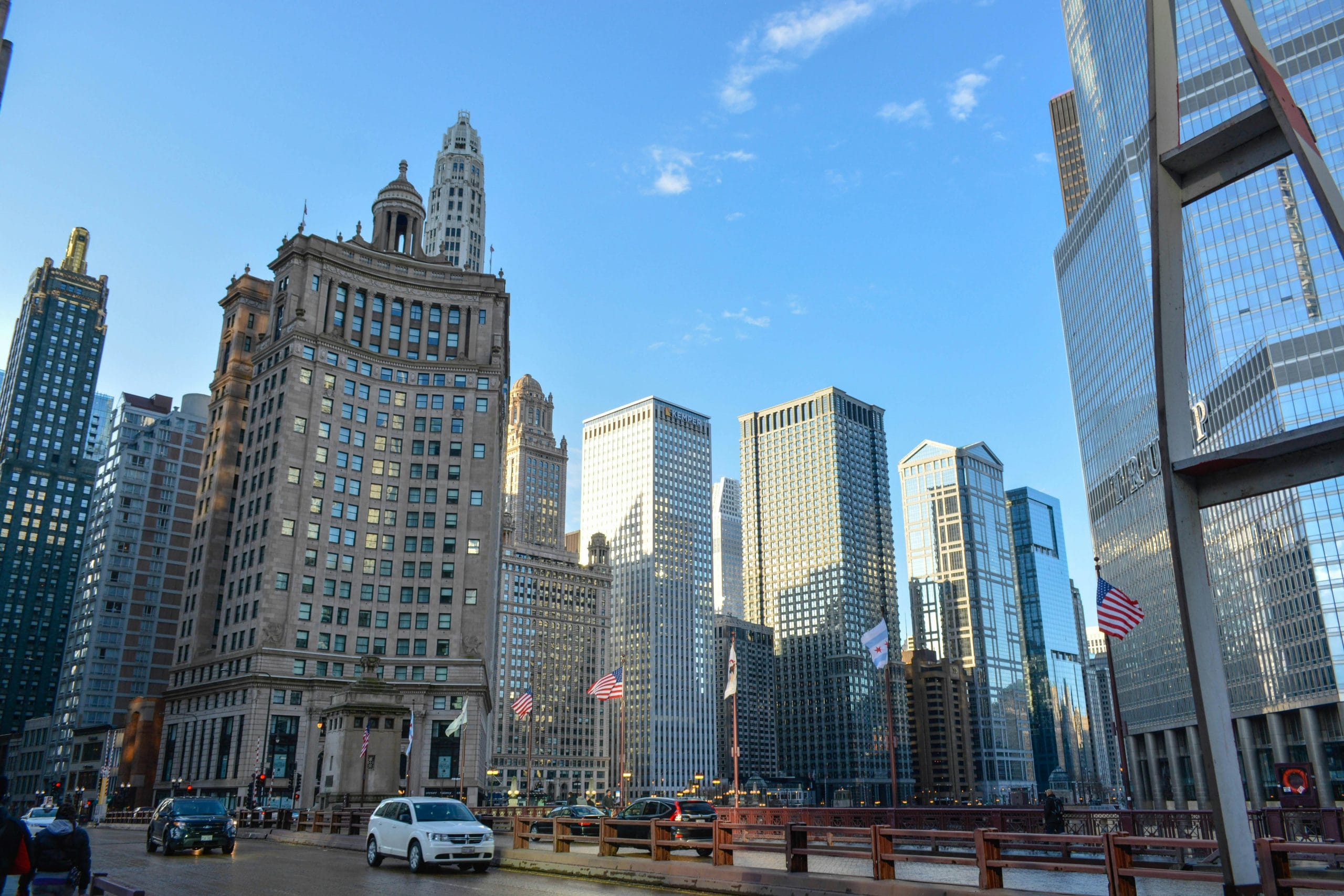
Selecting the right neighborhood is essential to avoiding a rushed itinerary. The Loop serves as the architectural heart of the city, ideal for those who want to be steps away from the most iconic skyscrapers and the bustling energy of the central business district. It is a place of grand scales and dramatic perspectives, perfect for the traveler who loves the feeling of being immersed in a towering urban forest.
For a more curated, artistic atmosphere, River North is the premier choice. This area is renowned for its gallery district and high-end dining, making it a hub for culture seekers. The luxury stays here often mirror the neighborhood’s creative spirit, offering a more contemporary aesthetic and a vibrant street life that feels sophisticated yet accessible.
Those seeking a quieter, more residential elegance will find the Gold Coast irresistible. This neighborhood is defined by its historic mansions and proximity to the lakefront. Staying here allows for a slower pace, where morning walks along the coast and afternoons spent in boutique shops create a sense of refined seclusion. The luxury hotels in this area tend to be more intimate, focusing on personalized service and timeless design.
How to Plan Your Travel Flow
The secret to a successful Chicago escape is the balance of intensity and stillness. A common mistake is attempting to see every architectural marvel in a single day, which often leads to fatigue and a generic experience. Instead, divide the city into sensory zones, allowing each day to have a distinct mood and pace.
Start the journey with a focus on the water. The Chicago River is the city’s primary artery and the best way to comprehend its layout. A private architectural tour provides a comprehensive overview of the skyline, but the real magic happens afterward when you explore the Riverwalk on foot. The interaction between the water and the steel creates a unique atmosphere of openness and light.
Dedicate the middle of the trip to the quieter alternatives. While the Art Institute of Chicago is a non-negotiable destination, pairing it with a visit to a hidden courtyard or a small, design-led gallery in the West Loop prevents the schedule from feeling overly institutional. This alternating rhythm ensures that the traveler remains engaged without feeling overwhelmed by the city’s scale.
Refined Experiences Worth Prioritizing
Beyond the obvious landmarks, the most rewarding parts of Chicago are often its open-air spaces and unexpected viewpoints. The Lakefront Trail offers a stunning perspective of the city’s edge, where the massive scale of the skyline meets the infinite horizon of Lake Michigan. A walk here during the golden hour provides a sense of clarity and space that is rare in a dense metropolis.
For a deeper connection to the city’s design heritage, explore the residential architecture of the Prairie School. While the downtown core is about height, these areas are about harmony with the landscape. Visiting a preserved home from this era provides a necessary counterpoint to the verticality of the luxury hotels, offering insight into the philosophy of organic architecture.
Evening experiences should be centered around the city’s sophisticated lounge culture. Many of the top-tier hotels feature rooftop spaces that are architectural feats in their own right. Watching the city lights flicker on from a high-altitude perch is a quintessential Chicago experience, provided the venue prioritizes an atmosphere of understated elegance over loud, crowded crowds.
Who This Destination Suits Best
Chicago is a sanctuary for the culture seeker who refuses to compromise on comfort. It appeals to the traveler who finds joy in the details of a well-designed room and the history of a meticulously preserved facade. It is a destination for those who appreciate the intersection of art, engineering, and hospitality.
The city is particularly well-suited for couples or solo travelers on a long weekend escape. The compact nature of the primary luxury districts means that most high-end experiences are within a short ride or a pleasant walk of one another. This makes it an ideal spot for those who want a high-density of culture without the stress of extensive transit.
Ultimately, this is a city for the curious. Whether it is the way the light hits a glass tower at noon or the quiet luxury of a velvet-lined library in a boutique hotel, Chicago rewards those who slow down and observe. It is for the traveler who seeks a refined urban adventure that feels both intellectually stimulating and physically restorative.
Practical Tips Before You Go
Timing is everything when visiting the Midwest. The shoulder seasons of late spring and early autumn are the most rewarding, as the weather is mild and the city’s parks are in full bloom or vibrant autumn colors. During these times, the natural light is softer, enhancing the architectural textures of the city.
Movement within the city should be a mix of curated rideshares and intentional walking. While the city is highly walkable, the distances between neighborhoods can be deceiving. Using premium transport for longer leaps allows the traveler to preserve their energy for the galleries and architectural walks that truly matter.
Finally, consider the local climate. Even in the warmer months, the lake breeze can be surprisingly cool. Packing versatile layers is a practical necessity for maintaining comfort while moving between air-conditioned museums and open-air viewpoints. A refined wardrobe that adapts to these shifts ensures that the focus remains on the experience rather than the elements.
FAQ
When is the best time to visit Chicago for design lovers?
The ideal windows are May to June and September to October. During these shoulder seasons, the weather is pleasant, and the city’s architectural details are highlighted by soft, natural light. These periods avoid the extreme winter cold and the peak summer humidity, making long walking tours of the skyline far more comfortable and enjoyable.
Which neighborhood is best for those seeking Chicago luxury architectural hotels?
The choice depends on the desired atmosphere. River North is best for those who enjoy contemporary design, art galleries, and a vibrant urban pulse. The Gold Coast is superior for travelers seeking residential elegance, historic charm, and proximity to the lakefront. The Loop is the best option for those who want to be centered among the city’s most iconic skyscrapers.
How should a first-time visitor approach the city’s architectural sights?
Begin with a professional architectural river cruise to gain a conceptual understanding of the city’s layout and history. From there, explore the city in thematic clusters, pairing a major site like the Willis Tower with a quieter experience, such as a walk through a residential historic district, to avoid fatigue and maintain a refined pace.
Staylora.com may contain affiliate links and third-party booking tools. We may earn a commission from qualifying bookings at no extra cost to you. Hotel prices, availability, policies, and travel information may change without notice. Please verify all important details directly with the booking provider before making any reservation.