The Essence of Mumbai Heritage Luxury Hotels
Mumbai is a city of profound contrasts where the relentless energy of a global metropolis meets the hushed stillness of a bygone era. While the streets outside may hum with an electric intensity, stepping inside the city’s most storied establishments feels like crossing a threshold into a different century. The allure of Mumbai heritage luxury hotels lies in this very tension, offering a sanctuary of marble floors, soaring ceilings, and impeccable service amidst the chaos of the coast.
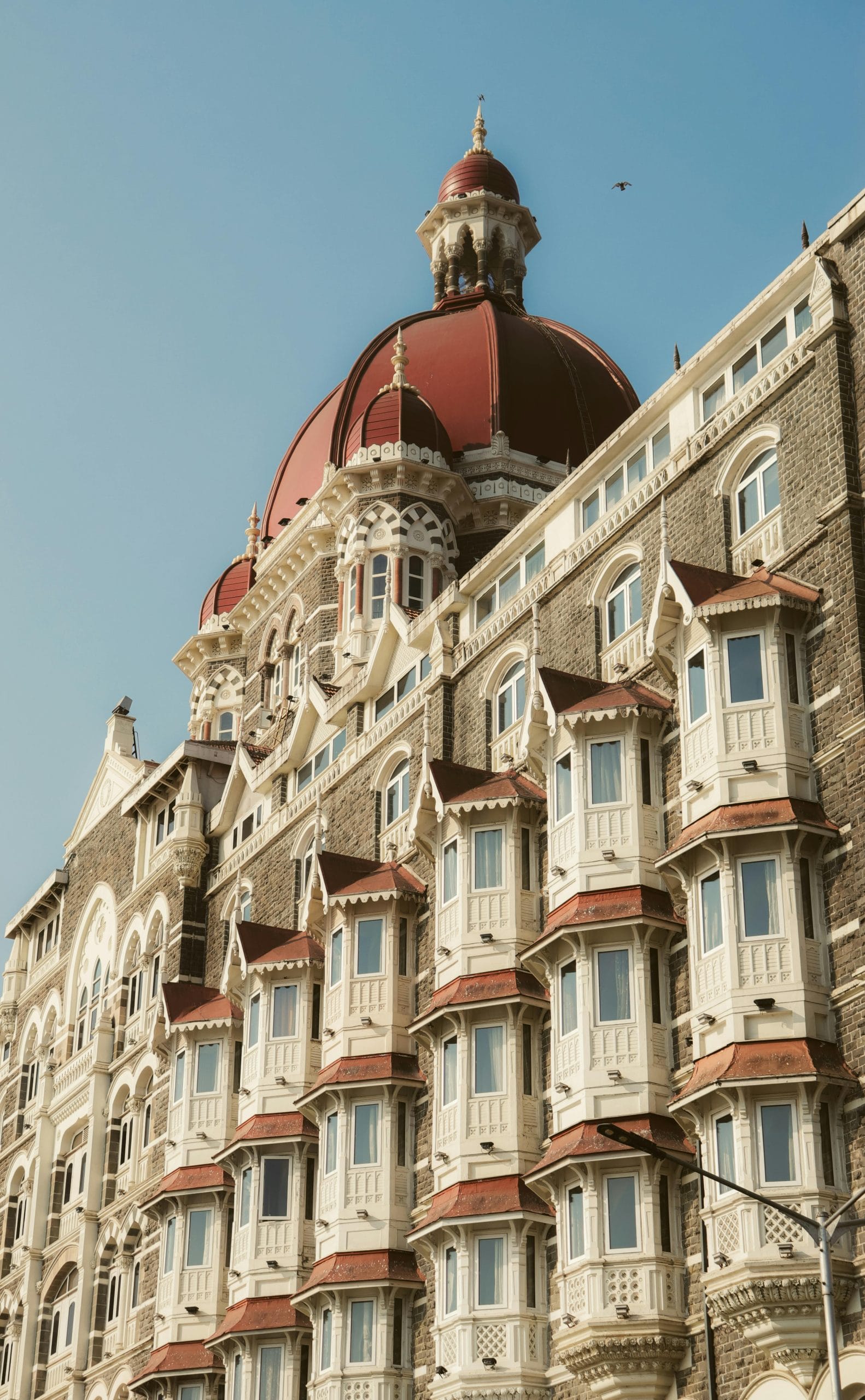
Choosing a heritage stay is not merely about booking a room but about selecting a perspective through which to view the city. These properties often serve as living museums, preserving the architectural legacy of the British Raj and the opulent tastes of the Parsi elite. From the grand facades of South Mumbai to the intimate corridors of restored boutique estates, the experience is defined by a commitment to timelessness and an unwavering standard of hospitality.
For the discerning traveler, these hotels provide a grounding point. They offer a sense of place that modern glass towers cannot replicate, blending colonial grandeur with contemporary Indian sophistication. Whether it is the scent of fresh jasmine in the lobby or the sight of antique mahogany furniture, the atmosphere is designed to slow the heart rate and elevate the spirit, providing a refined home base for exploring the Maximum City.
Selecting the Ideal District for Your Stay
The geography of luxury in Mumbai is concentrated primarily in the southern tip of the peninsula, where the city’s history is most visible. For those seeking the quintessential experience of Mumbai heritage luxury hotels, the Colaba and Fort districts are the primary points of interest. Colaba is the heart of the tourist experience, yet it houses some of the most iconic architectural landmarks in Asia. Staying here places you within walking distance of the waterfront and the eclectic markets, though the streets can be bustling.
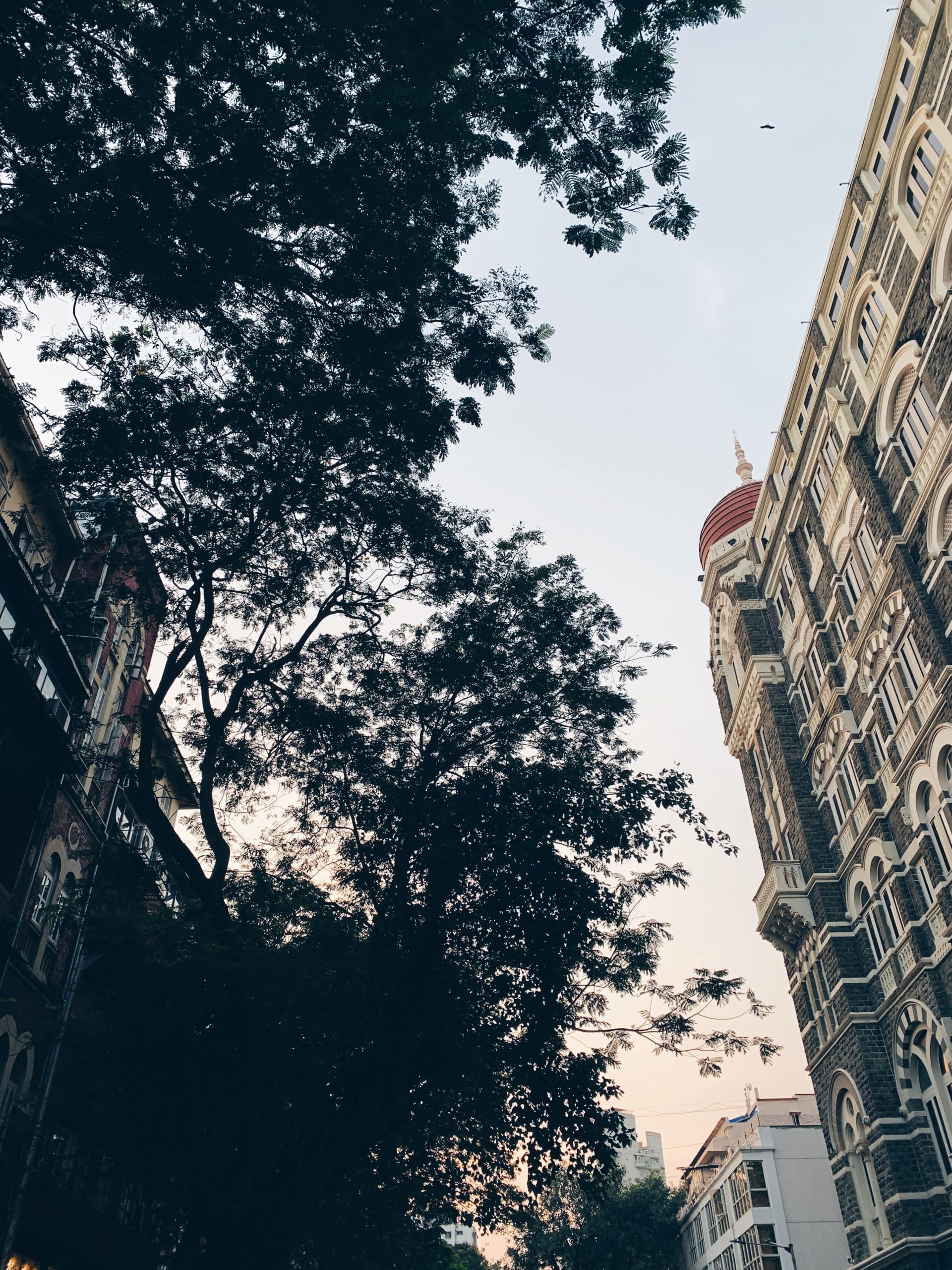
Moving slightly inland toward the Fort area reveals a more reserved side of the city. This district is characterized by wide, tree-lined avenues and imposing Victorian Gothic buildings. The atmosphere here is more professional and poised, making it an ideal choice for travelers who prefer a quieter residential feel without sacrificing proximity to the center. Boutique heritage stays in this area often offer more privacy and a curated, intimate feel compared to the grander palace-style hotels.
When deciding between these areas, consider the pace you wish to maintain. Colaba is for those who enjoy the vibrant intersection of luxury and local street life. The Fort area is better suited for those who prioritize slow mornings and architectural contemplation. Both districts allow for a seamless transition from the grandeur of a heritage suite to the sensory richness of the city’s hidden galleries and specialty boutiques.
Designing Your Daily Travel Flow
Experiencing Mumbai with elegance requires a strategic approach to timing. The city is famous for its traffic, which can easily disrupt a refined itinerary. The secret to a sophisticated stay is to embrace a slower rhythm, prioritizing quality over quantity. A perfect day begins with a lingering breakfast on a shaded veranda, watching the city wake up while the air is still relatively cool.
Mid-mornings are best spent in the quietest pockets of the city. Instead of rushing to the most crowded landmarks, wander through the Art Deco district along Marine Drive. This area represents a different kind of heritage, reflecting the glamorous era of the 1930s. A slow stroll here, followed by a visit to a quiet contemporary art gallery, allows you to absorb the city’s creative energy without the stress of the midday rush.
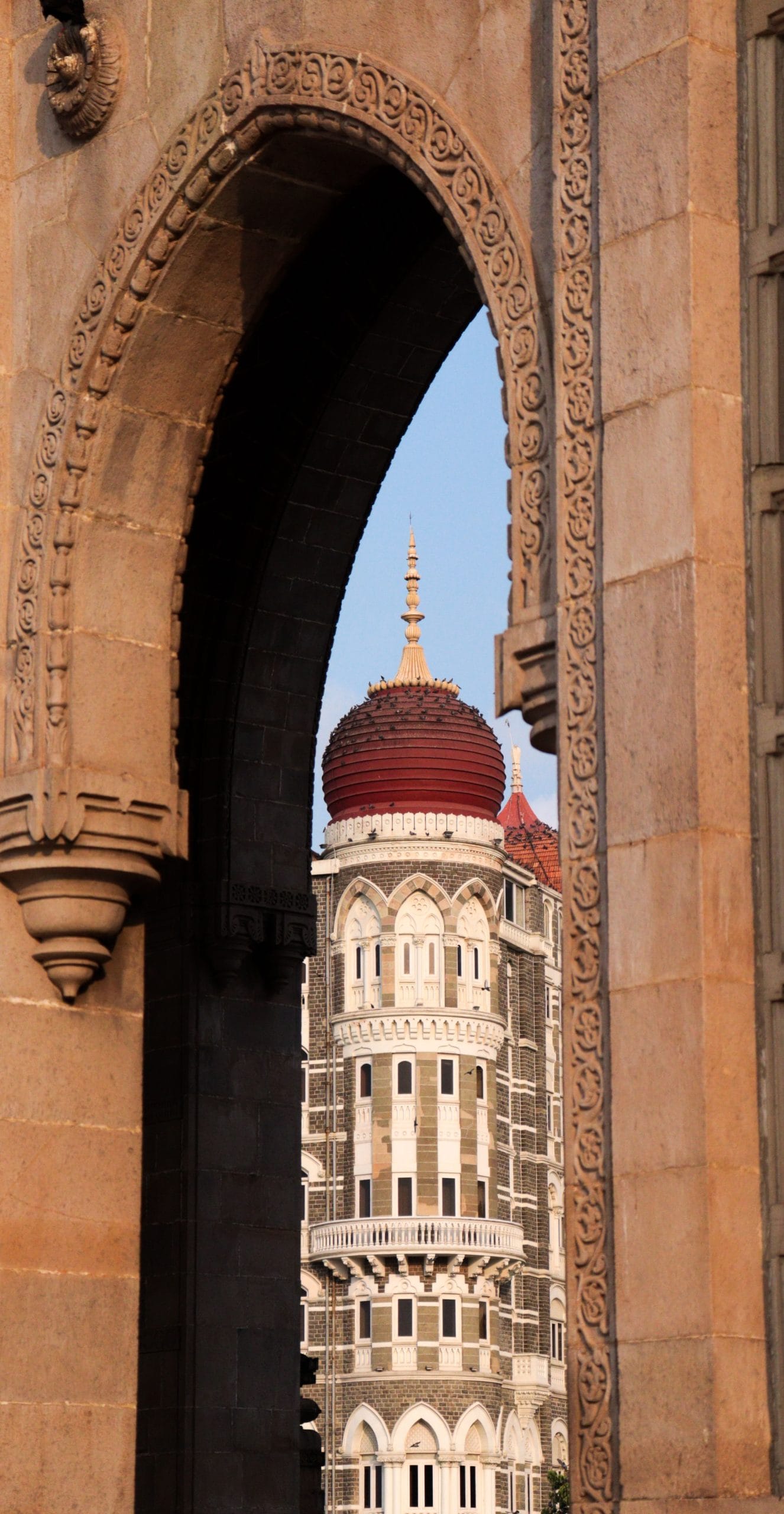
As the heat peaks in the afternoon, retreat to the sanctuary of your hotel. This is the ideal time for a traditional high tea, a ritual that remains a staple of the heritage hotel experience in India. Transitioning into the evening, the focus should shift to coastal luxury. A sunset walk along the promenade or a visit to a refined rooftop lounge provides a scenic view of the Arabian Sea, allowing the day to wind down with a sense of poise and perspective.
Refined Experiences and Local Texture
Beyond the confines of the hotel, Mumbai offers a wealth of lifestyle experiences that complement a heritage stay. For the food and lifestyle traveler, the city is a playground of culinary evolution. While the grand dining rooms of heritage hotels offer legendary service, exploring the refined side of local gastronomy is essential. Seek out the hidden cafes in the Kala Ghoda arts precinct, where the architecture is as inspiring as the menus.
The texture of the city is best felt in its small, curated spaces. Visit the independent boutiques that specialize in hand-loomed textiles or antique jewelry, where the craftsmanship reflects the same attention to detail found in your hotel’s interior design. These interactions provide a human scale to the city’s vastness, turning a trip into a collection of meaningful moments rather than a checklist of sights.
Evenings in Mumbai are best spent in environments that prioritize atmosphere. Whether it is a jazz bar tucked away in a colonial-era building or a private dinner overlooking the harbor, the goal is to find spaces that echo the elegance of your accommodation. By aligning your external explorations with the refined aesthetic of your stay, the entire journey feels cohesive and curated.
Who Finds Home in Mumbai’s Heritage Stays
The appeal of these properties is strongest for travelers who view their hotel as an integral part of the destination. Those who appreciate the intersection of history and luxury will find a deep resonance here. Lifestyle travelers who value aesthetic cohesion, from the thread count of the linens to the curvature of the archways, will find these hotels far more rewarding than modern alternatives.
Food enthusiasts also find a particular sanctuary in these establishments. The kitchens of heritage hotels often preserve recipes that have been passed down through generations, blending traditional Indian flavors with European techniques. For those who enjoy the ritual of dining as an art form, the formal dining rooms and silver service provide a nostalgic yet sophisticated experience.
Ultimately, these stays are for the traveler who seeks a balance between exploration and introspection. It is for the person who wants to experience the thrill of a bustling Indian metropolis by day but desires a silent, scented corridor and a plush velvet chair by night. It is a choice for those who believe that the way one stays in a city fundamentally changes how one perceives it.
Practical Planning for a Seamless Arrival
Arriving in Mumbai can be a sensory overload. To maintain a sense of calm, it is highly recommended to arrange a private transfer through your hotel. This ensures a smooth transition from the airport to your sanctuary, avoiding the negotiation and noise of public transport. Timing your arrival to avoid the peak evening rush hour is also critical for a stress-free entry into the city.
Regarding attire, while Mumbai is a diverse and modern city, heritage hotels often maintain a subtle dress code in their public areas and dining rooms. Smart casual attire is generally the standard, allowing guests to feel in harmony with the elegant surroundings. Bringing light, breathable fabrics such as linen is practical for the humid coastal climate while maintaining a polished appearance.
Finally, consider the seasonality of your visit. The months between November and February offer the most pleasant weather, making the outdoor spaces of heritage hotels truly usable. During this window, the city’s atmosphere is at its most inviting, allowing for more extensive walking tours and outdoor dining without the intensity of the summer heat or the unpredictability of the monsoon rains.
FAQ
When is the best time to visit Mumbai for a luxury stay?
The ideal window is from November to February when the weather is mild and dry. This period allows you to fully enjoy the outdoor courtyards, colonial balconies, and coastal walks that define the luxury experience. The air is cooler, making it much more comfortable to explore the city’s heritage districts on foot before returning to your hotel.
How do I choose between a grand palace hotel and a boutique heritage stay?
Grand palace hotels are best for those who seek opulence, comprehensive amenities, and a sense of historic scale. They are landmarks in their own right. Boutique heritage stays are better for travelers prioritizing intimacy, personalized service, and a quieter, more residential atmosphere. Consider whether you prefer the energy of a social hub or the serenity of a private retreat.
What makes Mumbai heritage luxury hotels unique compared to modern stays?
The uniqueness lies in the architectural narrative and the depth of service. Unlike modern hotels that prioritize efficiency and minimalism, heritage properties focus on storytelling and tradition. You get a combination of high-ceilinged colonial architecture, antique furnishings, and a style of hospitality that feels personal and rooted in the city’s complex cultural history.
Staylora.com may contain affiliate links and third-party booking tools. We may earn a commission from qualifying bookings at no extra cost to you. Hotel prices, availability, policies, and travel information may change without notice. Please verify all important details directly with the booking provider before making any reservation.