Florence Renaissance Boutique Hotels at a Glance
Florence is a city that breathes through its architecture, where every cobblestone and cornice tells a story of human ambition and artistic awakening. To experience the city with true intention, one must look beyond the standard luxury offerings and seek out the intimate atmosphere of the city’s historic residences. The allure of Florence Renaissance boutique hotels lies in their ability to act as living museums, blending the grandeur of the Medici era with the discreet, personalized service of a modern sanctuary.
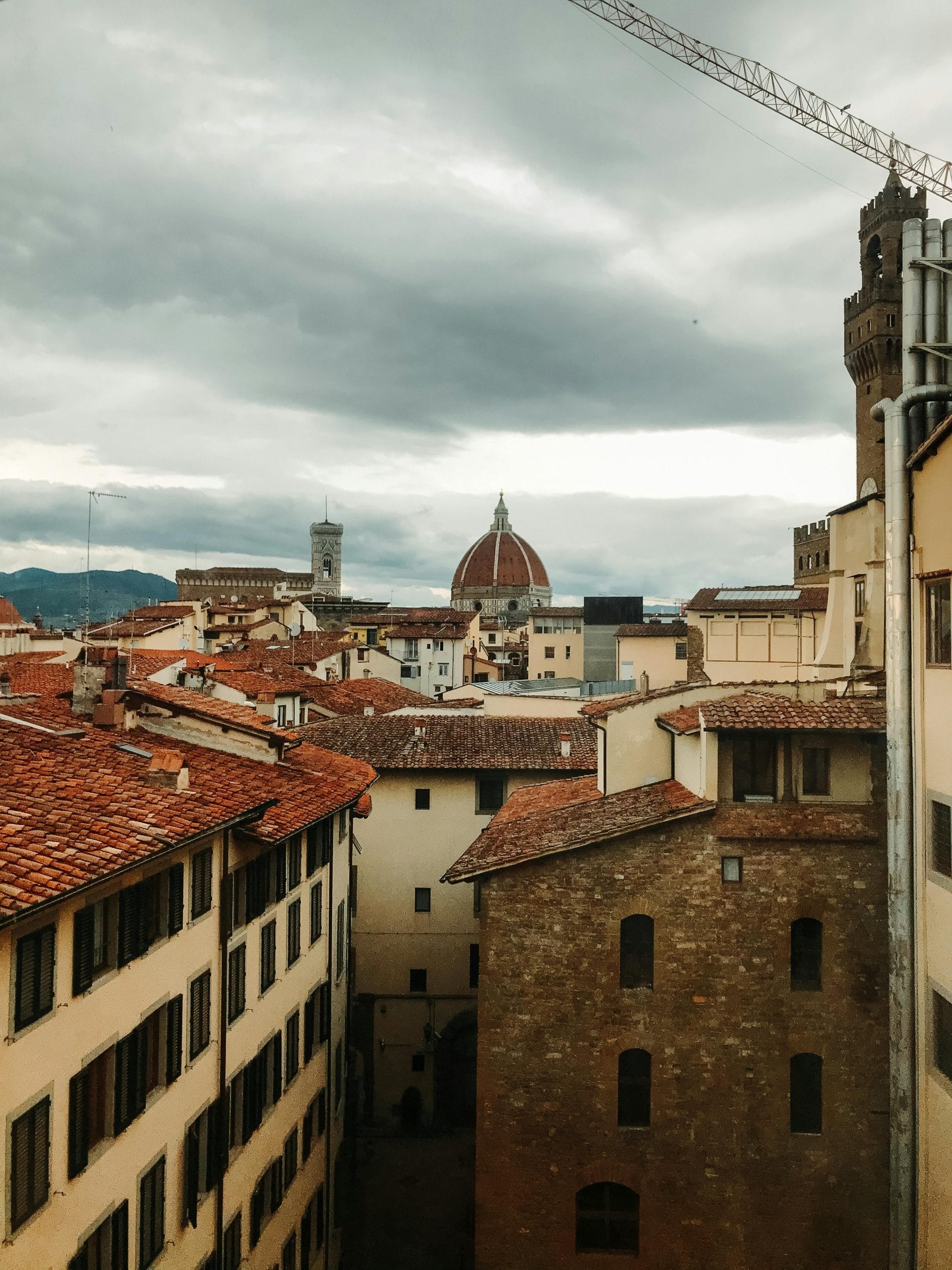
Staying in these refined spaces allows a traveler to move beyond the role of a tourist and instead become a temporary resident of the Renaissance. These properties are often housed in former palaces or noble estates, featuring vaulted ceilings, original frescoes, and hidden courtyards that offer a quiet respite from the vibrant energy of the streets outside. The design philosophy here is one of restraint and quality, where the luxury is found in the texture of a hand-woven silk curtain or the cool touch of Carrara marble.
For the discerning visitor, the choice of accommodation is not merely about a bed, but about the spatial energy of the room. A well-chosen boutique hotel in Florence provides a sensory bridge to the city’s golden age, ensuring that the transition from a day of exploring world-class galleries to an evening of repose is seamless and elevated. It is this balance of historical weight and contemporary comfort that defines the high-end Florentine experience.
Where to Stay and How to Choose the Right Area
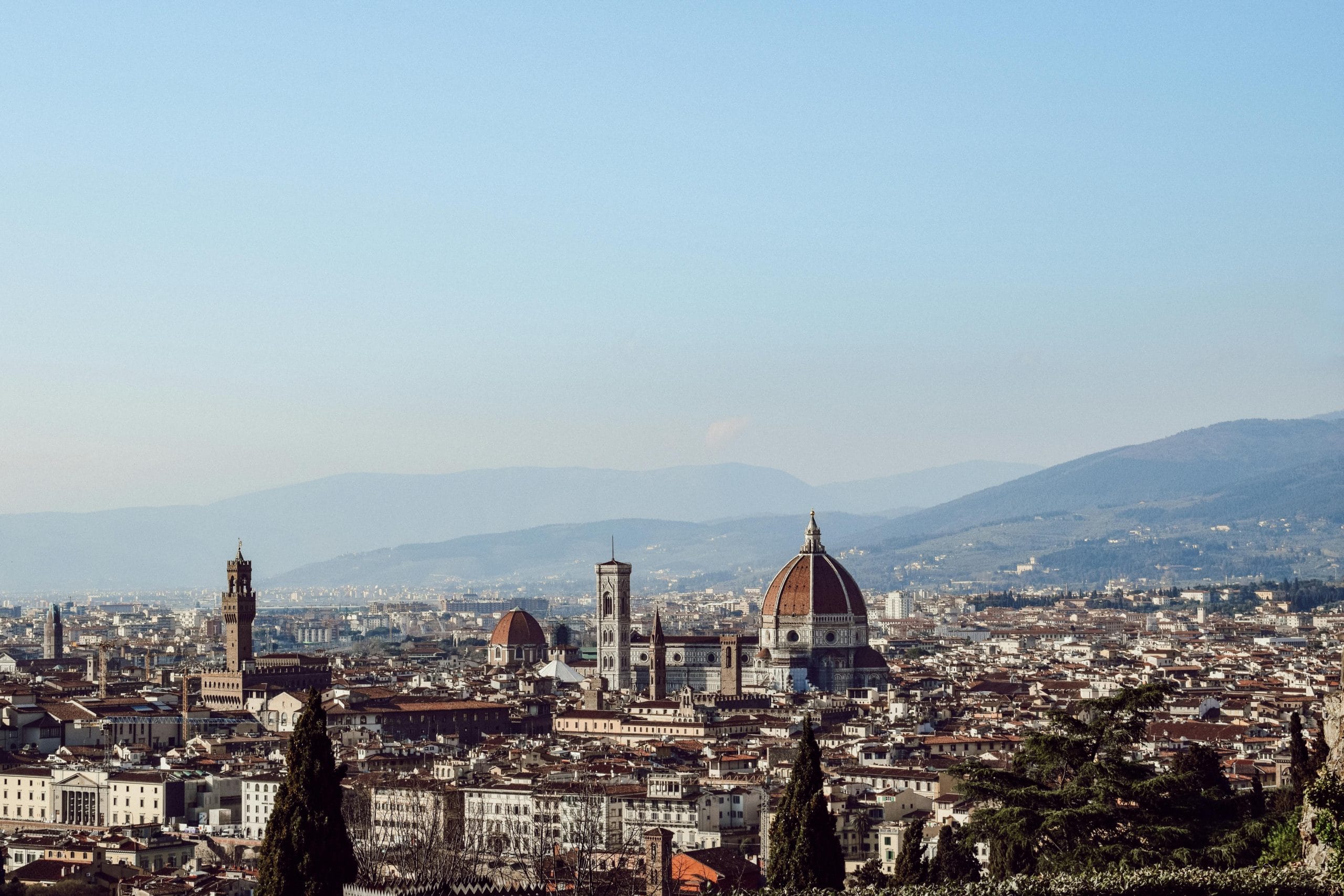
Selecting the right neighborhood is the foundation of a successful Florentine itinerary. The city is compact and highly walkable, but the atmosphere shifts dramatically from one quarter to another. For those who crave the heartbeat of the city, the Centro Storico is the logical choice. This area places you within minutes of the Duomo and the Uffizi, though it requires a more strategic approach to avoid the midday rush of crowds.
A more refined alternative is the Oltrarno district, located across the Arno River. Often referred to as the other side of Florence, this area is where the city’s true artisan soul resides. Here, you will find traditional leather workshops, gold-beaters, and antique restorers working in the same manner they did centuries ago. The boutique hotels in Oltrarno tend to be smaller and more secluded, offering a residential feel that is far removed from the commercial center.
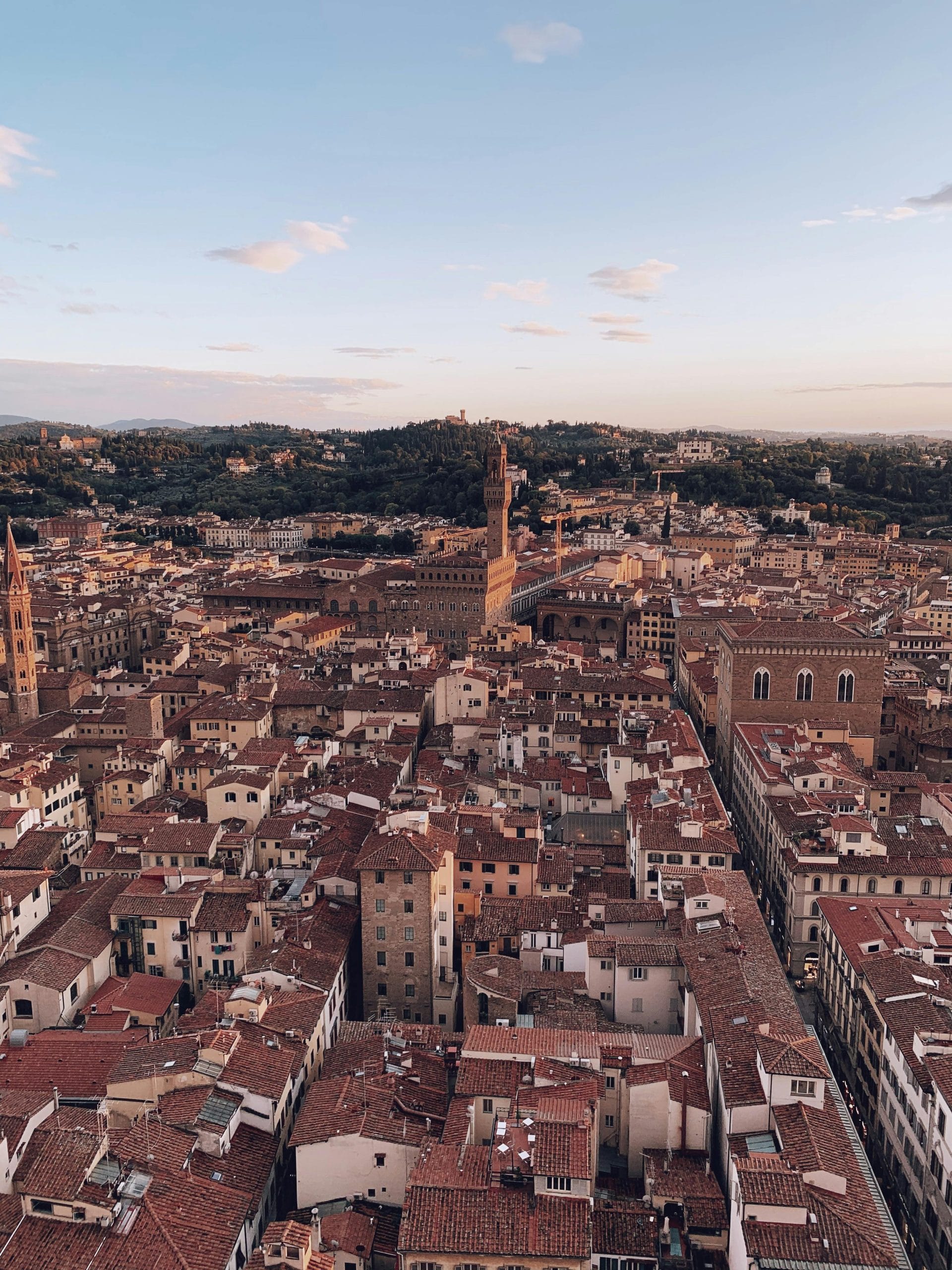
For a stay that balances accessibility with serenity, look for properties situated in the quieter pockets near the Piazza della Signoria or the edges of the aromatic leather markets. The ideal strategy is to find a sanctuary that is central enough for easy access to the main landmarks but tucked away on a side street where the only sound is the distant chime of church bells. This ensures that your retreat remains a place of genuine calm.
How to Plan Your Travel Flow
The secret to experiencing Florence without exhaustion is to embrace a slower, more intentional rhythm. The city is best enjoyed during the shoulder seasons of spring and autumn, when the light is softer and the crowds are thinner. During these periods, the city opens up, allowing for a more spontaneous exploration of its hidden corners and secret gardens.
A refined travel flow begins with the early morning. The first few hours of the day, before the city fully awakens, are the most magical. A walk toward the Duomo at dawn reveals a side of the architecture that is often obscured by crowds, offering a moment of private reflection. By scheduling your primary museum visits for the early slots, you leave the afternoons free for the slower pleasures of the city.
Afternoons should be dedicated to refined wandering. Instead of a rigid checklist, allow yourself to get lost in the narrow alleys of the city center. This is when you discover the small, family-run galleries or a sudden view of the Arno River reflecting the Tuscan sun. The transition into the evening should be a gradual descent into relaxation, starting with a slow aperitivo in a quiet piazza, watching the city transition into its nocturnal glow.
Refined Experiences Worth Prioritizing
To truly understand the spirit of Florence, one must engage with its design and culinary heritage. The city is a masterclass in proportion and beauty, and this should extend to every activity. Beyond the iconic museums, seek out the smaller, private collections and the historic pharmacies that still sell traditional remedies in ancient apothecary jars.
The food culture of Florence is rooted in simplicity and the quality of the land. Rather than seeking out the most famous restaurants, look for the small, refined trattorias where the menu is limited and based on the day’s market finds. The experience of sharing a perfectly grilled Bistecca alla Fiorentina in a room with white linens and dim lighting is a quintessential Florentine luxury that emphasizes quality over ostentation.
For those with a passion for design, a visit to the Oltrarno workshops is non-negotiable. Watching a master craftsman gild a frame or hand-stitch a leather bag provides a tactile connection to the Renaissance ideal of craftsmanship. These interactions are the true luxury of the city, offering a glimpse into a way of life that values patience, precision, and a lifelong commitment to a single craft.
Who This Destination Suits Best
Florence is a sanctuary for those who find joy in the details. It is perfectly suited for the art connoisseur who views a trip as a pilgrimage of beauty, and for the design enthusiast who appreciates the dialogue between ancient stone and modern minimalism. Those who prefer a curated, slower pace of travel will find the city’s layout and atmosphere deeply rewarding.
The city also appeals to the romantic traveler who seeks an atmosphere of timelessness. There is something inherently cinematic about the Florentine landscape, from the silhouette of the dome against a purple sunset to the sound of a violin echoing through a stone corridor. It is a destination for those who wish to disconnect from the digital noise and reconnect with the tangible world of art and history.
Ultimately, Florence is for the traveler who seeks comfort and intention. It is not a place for the hurried or the superficial, but for those who are willing to spend an entire afternoon contemplating a single sculpture or reading a book in a hidden courtyard. It is a city that rewards the patient observer and the thoughtful explorer.
Practical Tips Before You Go
Navigating Florence requires a few key practical considerations to ensure a seamless experience. First, be mindful of the ZTL zones, which are limited traffic areas in the city center. If you are arriving by car, it is highly recommended to leave your vehicle in a secure garage outside the center and rely on the city’s walkability or a private chauffeur service provided by your hotel.
Footwear is perhaps the most critical practical detail. The historic center is composed of uneven cobblestones and ancient paving that can be taxing on the feet. Choosing a pair of elegant but supportive walking shoes will allow you to explore the city for hours without discomfort, maintaining the effortless grace of your travel style.
When booking your stay, communicate your preferences clearly to the concierge. The staff at high-end Florence Renaissance boutique hotels often have access to private tours, after-hours museum entries, and the most coveted tables at local eateries. Utilizing these connections is the best way to avoid the tourist traps and experience the city’s most exclusive offerings with ease.
FAQ
When is the best time to visit Florence for a quiet experience?
The ideal timing for a refined visit is during the shoulder seasons of April to May or September to October. During these months, the weather is mild and the city is less crowded than in the peak summer. This allows for a more intimate exploration of the galleries and a more relaxed atmosphere in the boutique hotels and local cafes.
How do I choose between different Florence Renaissance boutique hotels?
Consider the atmosphere you prefer. If you want to be in the heart of the artistic action, choose a hotel in the Centro Storico. If you prefer a quieter, more artisan-focused experience with a local feel, look toward the Oltrarno district. Always check for original architectural features like vaulted ceilings or historic courtyards to ensure a truly authentic stay.
What is the most refined way to get around the city center?
The most elegant and practical way to experience Florence is on foot. The city is a living museum and is designed for walking. For longer distances or arriving from the airport, a private luxury transfer is the best option to avoid the complexities of the ZTL traffic zones and ensure a comfortable start to your journey.
Staylora.com may contain affiliate links and third-party booking tools. We may earn a commission from qualifying bookings at no extra cost to you. Hotel prices, availability, policies, and travel information may change without notice. Please verify all important details directly with the booking provider before making any reservation.