The Art of Planning a Danish Escape
Copenhagen is a city where the silence of a well-placed shadow and the warmth of a single lamp can define an entire afternoon. Planning a visit here requires a shift in perspective, moving away from the typical tourist checklist and toward a curated experience of space and light. For the design-conscious traveler, the journey is not merely about seeing the sights, but about inhabiting a specific mood of calm and intentionality.
The challenge for many first-time visitors is balancing the city’s vibrant energy with its inherent desire for stillness. To truly capture the essence of the capital, one must choose a home base that reflects this duality. Selecting one of the minimalist design hotels Copenhagen offers allows a guest to immerse themselves in the very philosophy that makes the city a global beacon of aesthetics and wellbeing.
When the accommodation aligns with the destination’s architectural spirit, the hotel ceases to be a place to sleep and becomes a sanctuary for reflection. This alignment is essential for those seeking quiet luxury, where the value lies in the quality of materials, the abundance of natural light, and the absence of unnecessary noise.
The Essence of Minimalist Design Hotels Copenhagen
Minimalism in the Danish context is not about austerity or a lack of comfort. Instead, it is a sophisticated exercise in editing, where every piece of furniture and every angle of the room serves a purpose. The best minimalist design hotels Copenhagen provides are those that blur the line between indoor living and the surrounding urban landscape, often utilizing massive glass panes to invite the pale Nordic light inside.
When evaluating where to stay, look for properties that prioritize tactile honesty. This means seeing the raw grain of light oak, the cool touch of polished concrete, and the softness of organic linens. These elements create a sensory experience that grounds the traveler, offering a respite from the digital clutter of modern life.
A refined stay in the city often involves choosing a boutique property that integrates seamlessly into its neighborhood. Whether it is a repurposed warehouse in the Meatpacking District or a sleek new build near the waterfront, the goal is to find a space that feels like a curated gallery but functions like a home. The most successful stays are those that encourage a slower pace, inviting guests to linger over a morning coffee while watching the city wake up through a perfectly framed window.
Selecting the Ideal Neighborhood for Your Stay
The atmosphere of Copenhagen shifts subtly as you move from one district to another, and your choice of neighborhood will dictate the rhythm of your trip. For those who wish to be at the heart of the action while maintaining a sense of seclusion, Indre By is the classic choice. This central area allows for effortless walking access to the royal palaces and historic squares, though the design hotels here tend to be more discreet, hidden behind traditional facades.
Vesterbro offers a more avant-garde energy. Once a gritty industrial hub, it has evolved into a creative epicenter where minimalist design often meets raw, urban textures. Staying in this area is ideal for travelers who appreciate a bit of edge with their luxury. The hotels here often feature open-concept lobbies and an integration of art that feels spontaneous and alive.
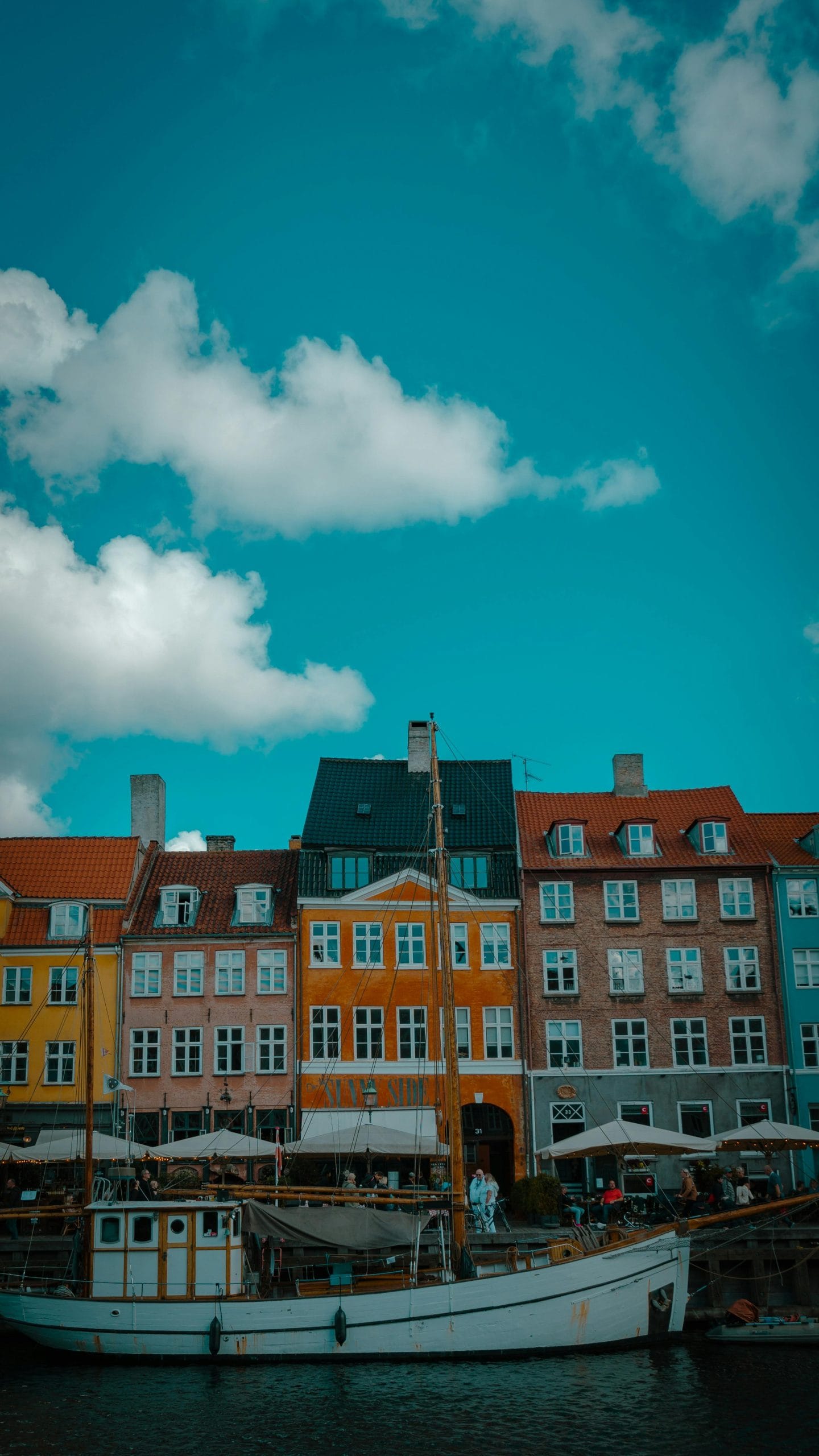
For a more residential and tranquil experience, Frederiksberg is an exceptional choice. This enclave feels almost like a separate village within the city, characterized by wide boulevards and lush greenery. The accommodations here are often more understated and private, catering to those who prioritize peace and architectural purity over proximity to the main shopping arteries.
Movement in Copenhagen is an art form in itself. To experience the city as a local does, one must embrace the bicycle. The infrastructure is world-class, and gliding through the city on two wheels allows you to notice the small architectural details that are missed from a car window. It is the most efficient way to transition from a morning gallery visit to a late afternoon walk along the coastline.
However, for those preferring a slower gait, the city is remarkably walkable. The secret to a refined flow is to group experiences by neighborhood rather than trying to crisscross the city multiple times a day. Spend a full morning in the Latin Quarter, allowing the cobblestones to dictate your pace, and then transition to the waterfront for a sunset stroll.
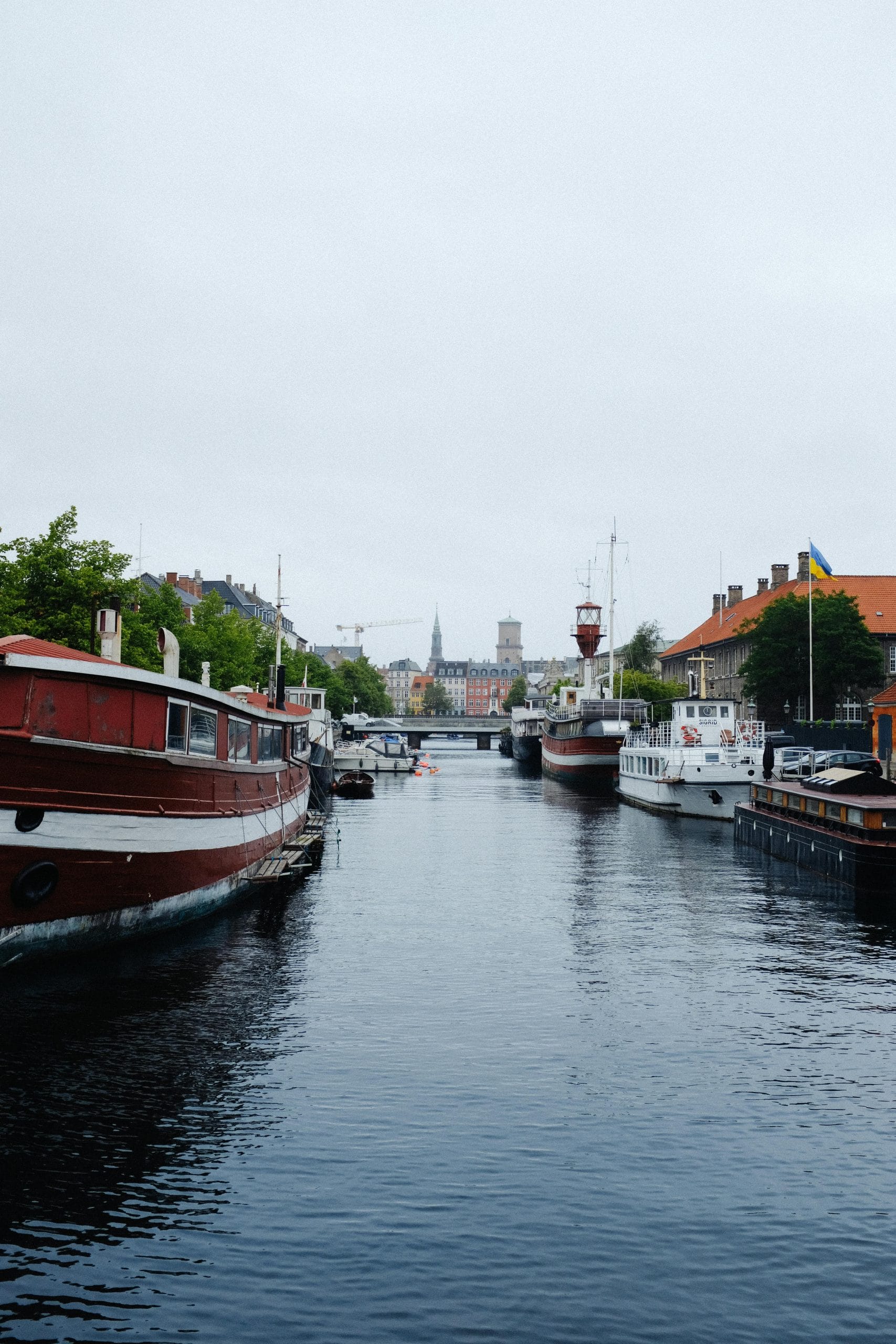
For longer distances, the harbor buses provide a serene alternative to the metro. These electric ferries offer a unique perspective of the city’s evolving skyline and the innovative architecture of the harbor. Using the water as your primary transit route adds a layer of tranquility to the travel experience, turning a simple commute into a scenic excursion.
Refined Moments Beyond the Hotel Walls
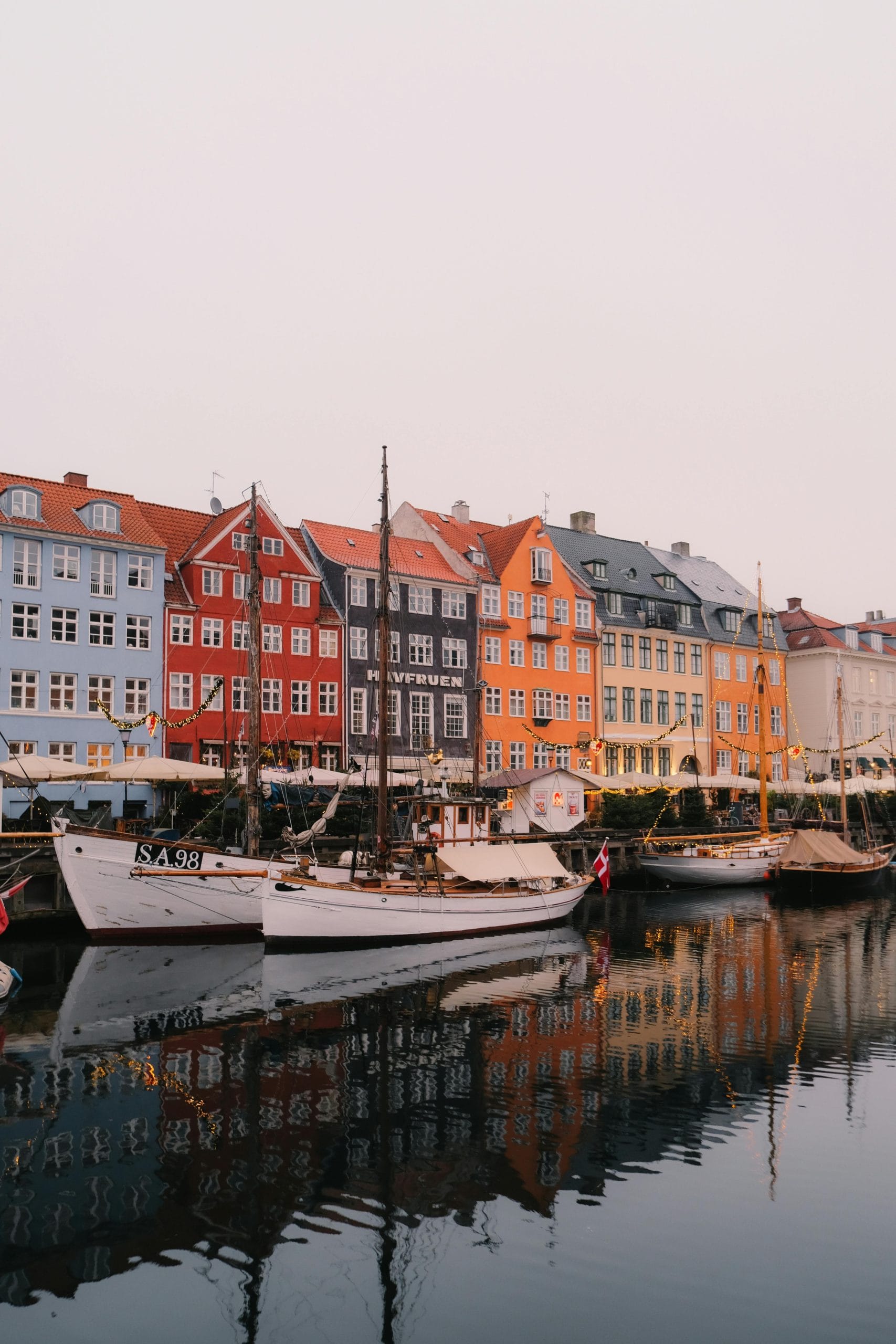
A trip focused on design should naturally extend into the city’s open-air spaces and cultural institutions. The waterfront is perhaps the most vital part of the Copenhagen experience. Walking along the harbor, one can observe how the city integrates nature with concrete, creating a living space that feels breathable and open.
Prioritize visits to the design museums and smaller independent galleries where the focus is on the evolution of Scandinavian form. Rather than rushing through a list of monuments, spend time in the public squares, observing the way the locals utilize the space. The concept of urban hygge is most evident in the small pockets of greenery and the thoughtfully designed benches that invite passersby to pause.
Dining in the city should be approached as an extension of the minimalist philosophy. New Nordic cuisine is not just about the food, but about the presentation, the sourcing, and the atmosphere. Seek out eateries that emphasize a muted color palette and natural materials, where the mood is calm and the focus remains entirely on the purity of the ingredients.
Who Finds Their Pace in the Danish Capital
Copenhagen is a sanctuary for the aesthetic seeker and the professional who finds inspiration in order and clarity. It suits the traveler who values quality over quantity and prefers a deeply felt experience over a broad one. If you are someone who finds joy in the curve of a chair or the way light hits a white wall at four in the afternoon, this city will resonate with you.
It is also an ideal destination for those recovering from the chaos of a high-pressure lifestyle. The city’s inherent order and the quiet luxury of its minimalist spaces act as a mental reset. The lack of aggressive tourism and the general politeness of the local pace make it easy to slip into a state of relaxation without feeling the pressure to perform the role of a tourist.
Ultimately, this destination is for the traveler who believes that the environment they inhabit profoundly affects their internal state. By choosing a stay and a rhythm that emphasizes serenity and design, the visitor can return home not just with photos, but with a renewed sense of balance.
Planning for Light and Seasonality
Timing is everything when visiting Denmark, as the light completely transforms the city’s character. During the summer months, the phenomenon of the midnight sun creates an ethereal atmosphere. The days are endless, and the city feels vibrant and open. This is the best time for exploring the coastlines and enjoying the open-air cafes, as the light remains soft and golden well into the evening.
Conversely, the winter months invite a different kind of luxury. As the days shorten, the focus shifts inward. This is when the interior design of the city truly shines. The contrast between the cold, dark exterior and the warm, candle-lit interiors of the hotels and cafes creates a profound sense of coziness. Winter is the season for deep reflection, long breakfasts, and appreciating the architectural warmth of the city’s minimalist spaces.
For those seeking a balance, the shoulder seasons of spring and autumn offer a temperate climate and a quieter city. These periods allow for a more intimate exploration of the galleries and boutiques without the peak summer crowds, making it easier to maintain a sense of personal space and serenity throughout the journey.
FAQ
When is the best time to visit Copenhagen for design lovers?
Spring and autumn are ideal as they offer a balanced light that highlights the city’s architectural details without the extreme weather of winter or the crowds of summer. However, winter is exceptional for those who want to experience the internal warmth and lighting design that defines Danish minimalism during the darkest months of the year.
How do I choose between minimalist design hotels Copenhagen?
Focus on the specific atmosphere you desire. If you prefer a creative and urban energy, look toward Vesterbro. For those seeking absolute tranquility and residential elegance, Frederiksberg is the better choice. Always check for the integration of natural light and the quality of sustainable materials, as these are the hallmarks of true Scandinavian luxury.
What is the most refined way to get around the city?
The most authentic and refined method is by bicycle, which allows you to move seamlessly between neighborhoods. For a more relaxed experience, combining walking with the electric harbor buses provides a scenic and quiet way to navigate the waterfront while avoiding the noise and stress of traditional city traffic.
Staylora.com may contain affiliate links and third-party booking tools. We may earn a commission from qualifying bookings at no extra cost to you. Hotel prices, availability, policies, and travel information may change without notice. Please verify all important details directly with the booking provider before making any reservation.