Luxury Cherry Blossom Travel and the Mood of the Place
The scent of damp earth and cold stone lingers in the early morning air, where the gray slate of traditional eaves meets the ethereal, floating canopy of pale pink. There is a particular cadence to these streets, a rhythm found in the soft click of footsteps on polished wood and the rhythmic sweep of a bamboo broom. In this stillness, the essence of luxury cherry blossom travel reveals itself not as a checklist of sights, but as a slow, deliberate immersion into the art of transience.
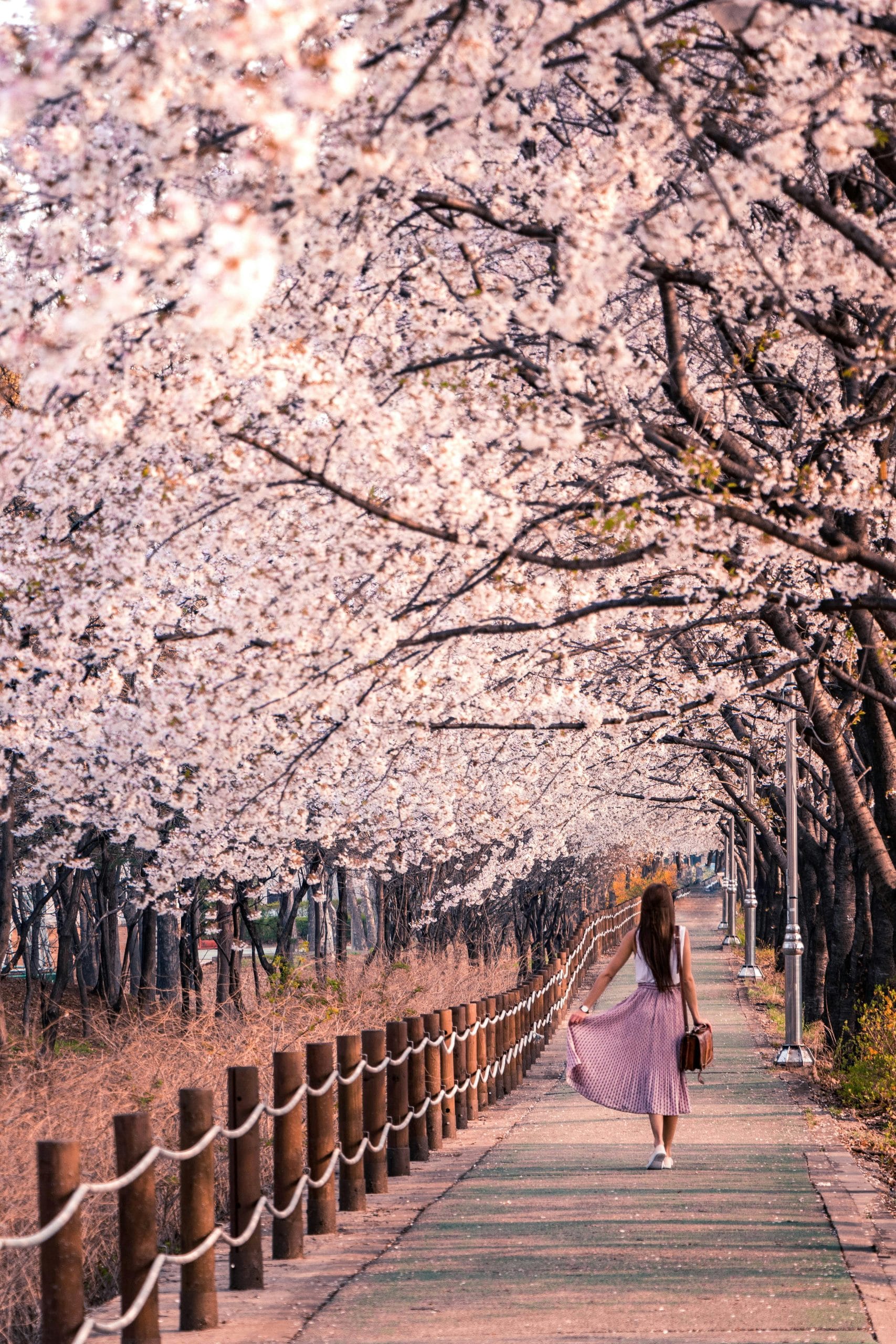
To travel during the sakura season is to engage with the Japanese concept of mono no aware, a poignant awareness of the impermanence of all things. The blossoms do not last, and it is precisely this fragility that renders the experience so precious. When approached with a spirit of quiet luxury, the journey becomes a meditative practice, shifting the focus from the destination to the quality of the moment.
This is not a travel style defined by opulence or noise, but by the luxury of space and time. It is the ability to stand beneath a weeping cherry tree for an hour, watching a single petal spiral toward a still pond, without the urge to check a clock or a map. It is a restorative process where the softness of the landscape mirrors a desired inner stillness, allowing the traveler to breathe in sync with the waking season.
The Architecture of Silence and Soft Hues
The visual identity of a refined spring escape is found in the dialogue between nature and structure. Imagine the stark, linear elegance of a concrete gallery or the weathered texture of a cedar fence, both serving as neutral backdrops to the explosive yet delicate bloom of the cherry trees. The palette is one of understated sophistication, where charcoal grays, warm beiges, and muted creams allow the pastel pinks to vibrate with a gentle intensity.
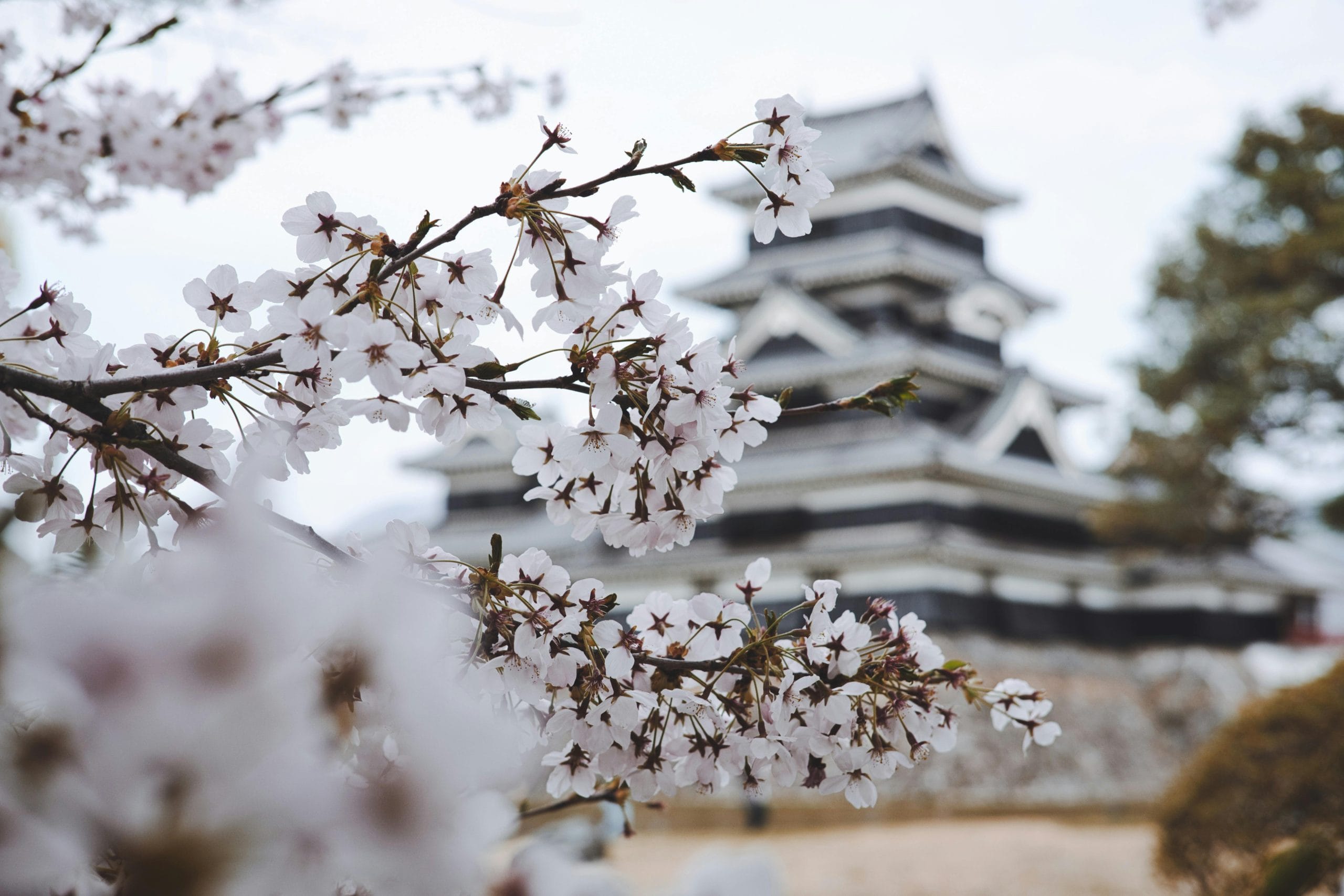
Architecture in these settings often emphasizes the boundary between inside and out. Engawa, the traditional wooden verandas, provide a tactile transition where one can sit in the cool shade and observe the petals drifting like snow across a meticulously raked gravel garden. The materials are honest and raw, emphasizing the grain of the wood and the coolness of the stone, grounding the ethereal beauty of the blossoms in something permanent and tangible.
Walking through these spaces, the texture of the journey becomes apparent. The roughness of a stone lantern, the smoothness of a silk scarf, and the crispness of the spring air create a sensory tapestry. The design is intentional, removing the unnecessary to make room for the essential, ensuring that the visual noise of the modern world fades into a background of harmonic simplicity.
The Pleasure of Slow Wandering
For the solo traveler, the true allure of the season lies in the pleasure of wandering without a predetermined path. There is a profound freedom in choosing a side street simply because the light hits a particular wall of moss in an inviting way, or because a distant chime of a temple bell suggests a direction. This slow wandering is an exercise in mindfulness, where the goal is not to see everything, but to feel everything deeply.
Scenic viewpoints are most rewarding when discovered by chance. A quiet bridge over a narrow canal, where the water is entirely obscured by a carpet of fallen petals, offers a moment of romantic luxury that no guided tour can replicate. These pockets of solitude provide a sanctuary for reflection, allowing the traveler to disconnect from the digital hum and reconnect with the rhythm of their own thoughts.
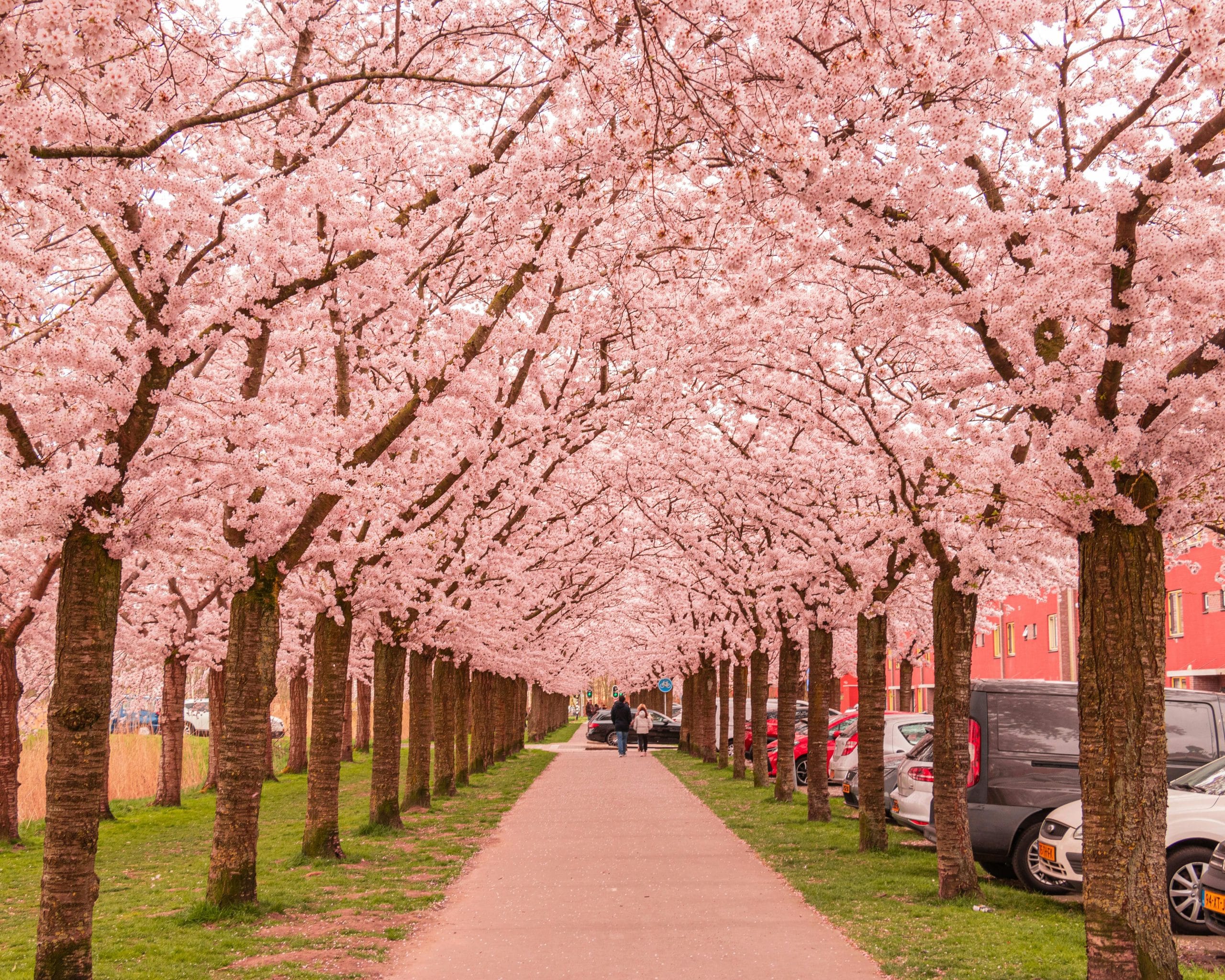
The pace is gentle, mirroring the morning-to-evening transition of the sun. The early hours are reserved for the crispness of the dawn, when the mist still clings to the riverbanks and the world feels untouched. As the day matures, the focus shifts to the subtle changes in light, watching as the pale pink of the blossoms deepens into a soft gold during the golden hour, turning the landscape into a living watercolor painting.
A Culinary Dialogue with Spring
Dining during the sakura season is an extension of the aesthetic experience, where food culture is treated as a visual and sensory art form. The mood is one of elegance and restraint, with menus that mirror the colors and textures of the environment. A refined meal is not merely about taste, but about the arrangement of ingredients that evoke the feeling of a spring morning.
Kaiseki dining, with its meticulous attention to seasonality, offers a profound way to taste the transition of the year. Small, artfully plated courses might feature bamboo shoots, tender spring greens, and delicate seafood, all presented on ceramics that echo the organic shapes of the nature outside. The act of eating becomes a slow ritual, where each dish is a conversation with the current moment.
Beyond the formal dining room, there is the quiet joy of a tea ceremony performed in a room overlooking a blooming garden. The bitterness of the matcha provides a sharp, grounding contrast to the sweetness of a seasonal wagashi, a small confection shaped like a cherry blossom. The atmosphere is one of hushed reverence, where the only sound is the pour of hot water and the distant song of a bird, grounding the luxury experience in cultural authenticity.
The Art of the Design-Conscious Stay
A stay during this season should act as a sanctuary, a place where the design reflects the restorative mood of the destination. The ideal accommodation is one that prioritizes atmosphere over artifice, utilizing natural light and tactile materials to create a sense of enveloping calm. A design-conscious perspective focuses on how a space makes one feel, rather than how it looks in a photograph.
Imagine a room where the flooring is a soft tatami and the walls are finished in a breathable clay plaster. The furniture is minimal, crafted from light-toned woods that complement the neutral palette of the linens. Large, floor-to-ceiling windows frame the cherry blossoms outside as if they were living artworks, blurring the line between the curated interior and the wild, fleeting beauty of the spring.
The luxury here is found in the details: the scent of hinoki wood in a deep soaking tub, the weight of a hand-woven cotton robe, and the absolute silence of a well-insulated space. It is a place to retreat after a day of wandering, where the transition from the external world to the private sanctuary is seamless and soothing, allowing for a deep, restorative sleep under the soft evening atmosphere.
A Journey for the Solitary Soul
This mode of travel speaks to those who find strength in solitude and beauty in the understated. It attracts the traveler who prefers a bookstore to a nightclub, a quiet garden to a crowded landmark, and a thoughtful conversation to a loud celebration. For them, the journey is a way to honor their own need for space and a desire to engage with the world on their own terms.
The emotional hook of such a trip is the realization that there is immense pleasure in not rushing. In a world obsessed with productivity and optimization, the act of spending an entire afternoon observing the wind through the branches is a radical act of self-care. It is a romantic luxury not in the sense of partnership, but in the sense of a romanticized relationship with one’s own existence.
By stripping away the expectations of traditional tourism, the traveler discovers a more authentic connection to the destination. They notice the way the locals pause to admire a particular branch or the subtle scent of incense drifting from a neighborhood shrine. This connection is forged in the quiet moments, making the journey memorable not for what was seen, but for the state of mind it cultivated.
FAQ
What is the ideal timing for luxury cherry blossom travel?
Timing depends heavily on the specific region and the annual weather patterns. Generally, the bloom peaks between late March and early April in many prime locations. To experience the most refined atmosphere, aim for the ‘full bloom’ period or the ‘petal fall’ stage, where the landscape is covered in a soft, pink blanket of fallen blossoms.
How do you avoid the crowds while seeking refined views?
The secret to a quiet experience is shifting your schedule to the early morning hours, ideally just after sunrise, when the light is soft and the parks are nearly empty. Additionally, exploring smaller, residential neighborhoods and lesser-known temple gardens often provides a more intimate and restorative connection to the scenery than visiting major tourist hubs.
What defines a truly restorative spring escape?
A restorative escape is defined by a slow pace and a focus on sensory quality over quantity. It involves choosing design-conscious accommodations that offer silence and minimalism, engaging in slow wandering through nature, and embracing the luxury of time. The goal is to align your internal rhythm with the gentle, waking energy of the spring season.
Staylora.com may contain affiliate links and third-party booking tools. We may earn a commission from qualifying bookings at no extra cost to you. Hotel prices, availability, policies, and travel information may change without notice. Please verify all important details directly with the booking provider before making any reservation.